Main Facts
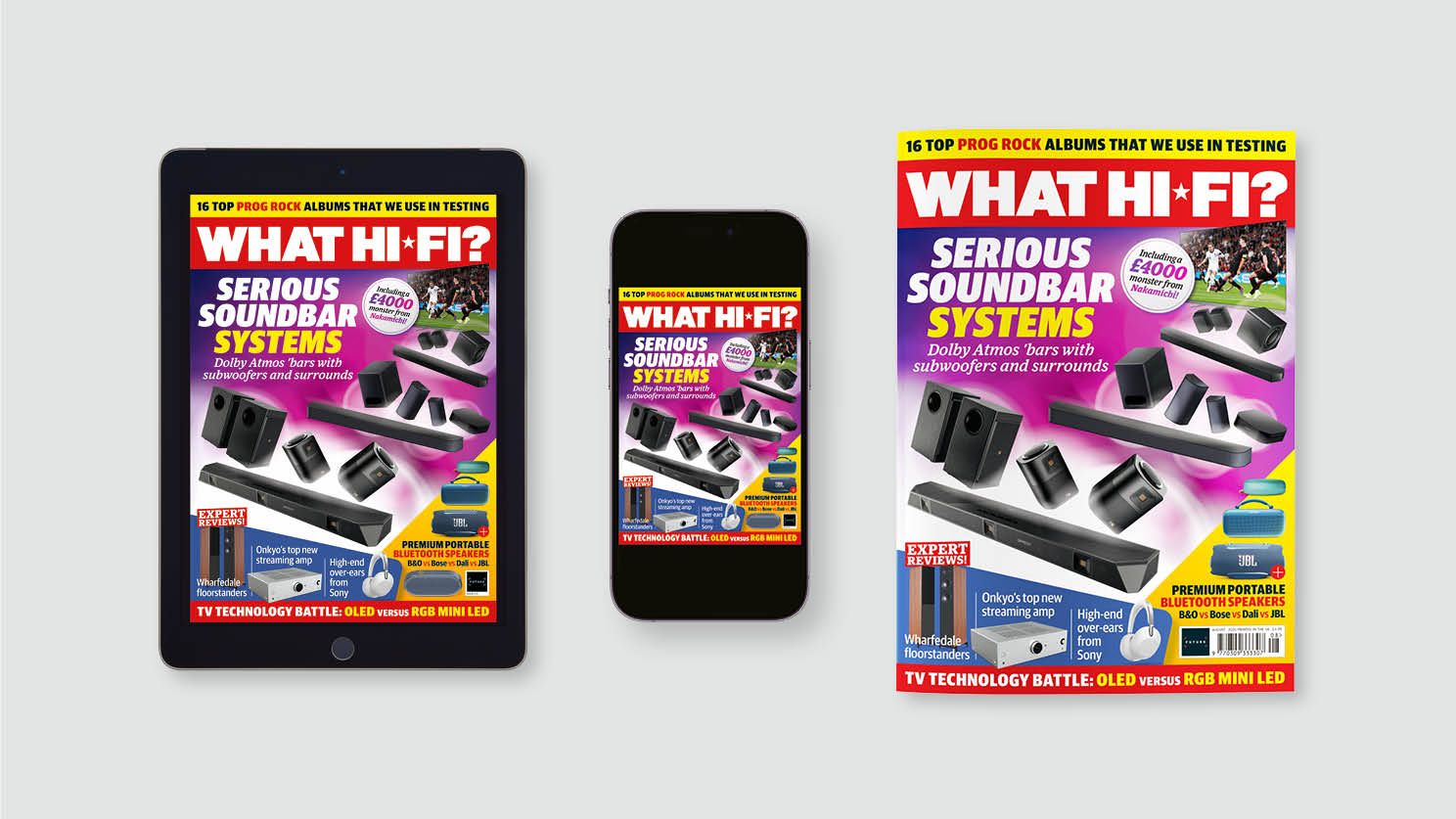
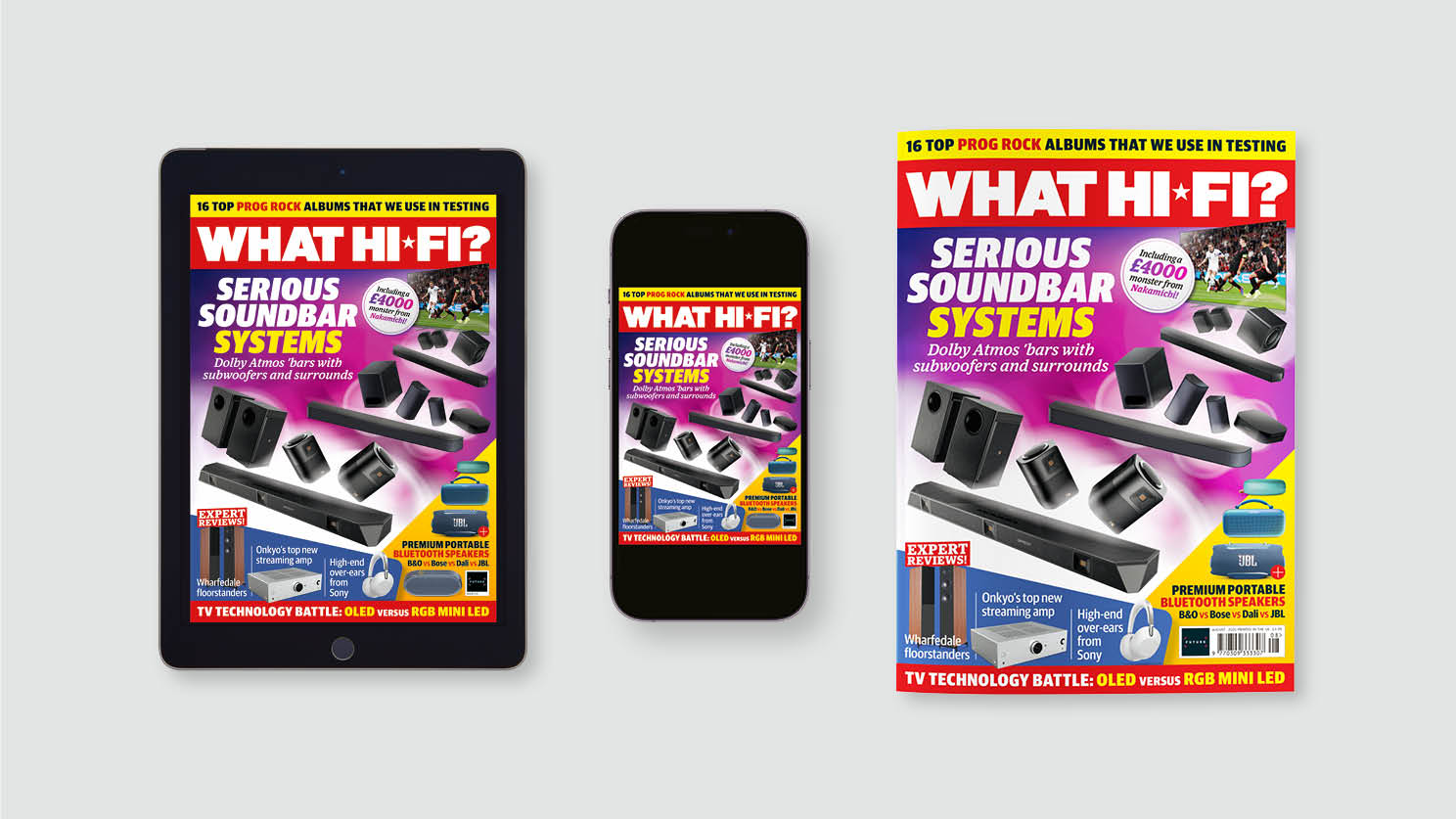
The release of the August 2026 issue of What Hi-Fi? marks a pivotal moment in the consumer electronics landscape, highlighting a market that is simultaneously striving for ultra-high-end performance and living-room-friendly convenience. Founded in 1976, the world’s leading independent guide to hi-fi and home entertainment products continues its rigorous, empirical evaluation of the latest technology. This month’s issue centers on several major industry trends: the democratization of genuine home cinema surround sound through compact soundbar packages, the high-stakes battle between next-generation TV panel technologies, and the enduring appeal of high-fidelity stereo engineering.
Key highlights of the August 2026 issue include:
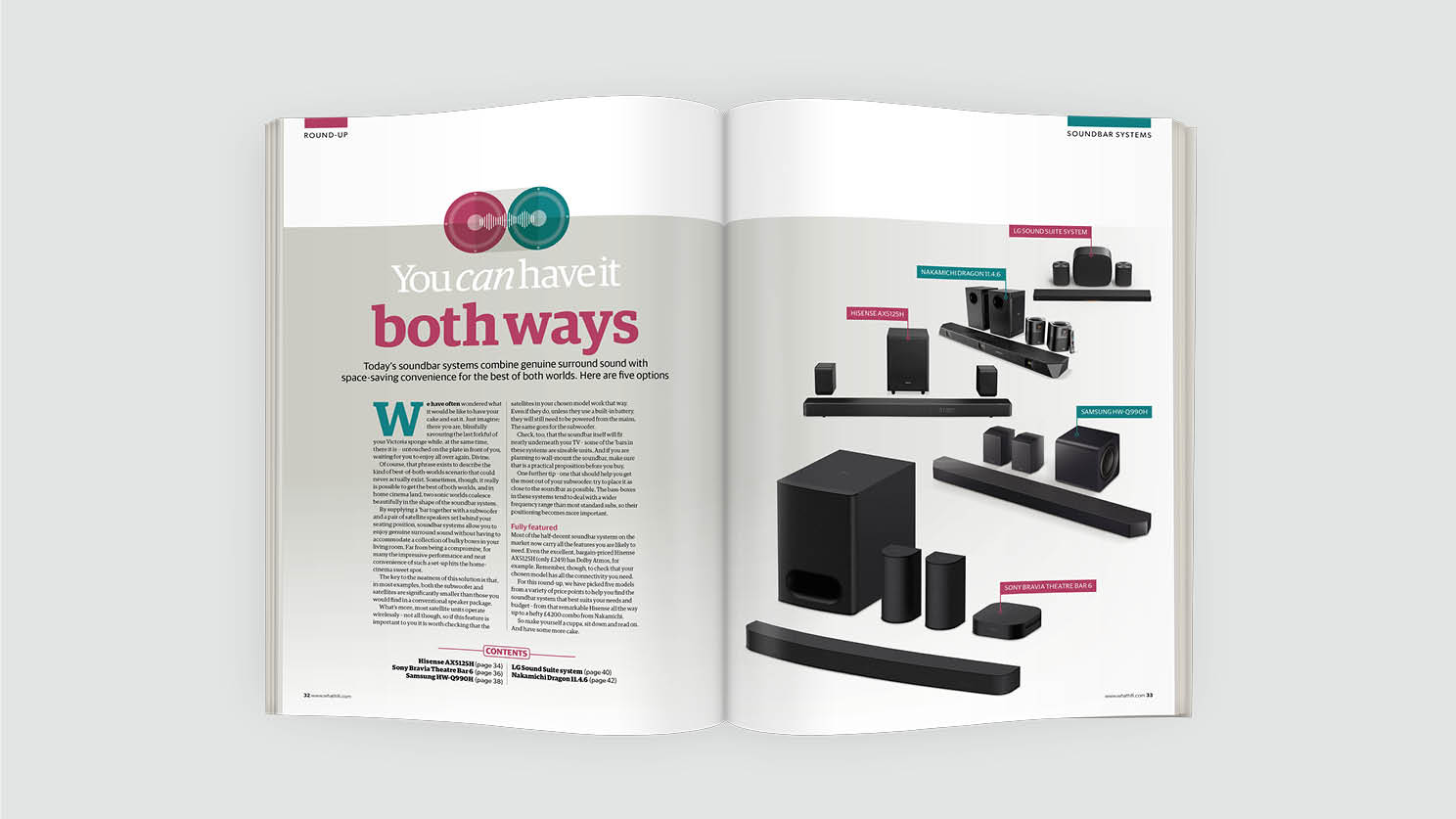
- The Soundbar System Revolution: A comprehensive group test of five multi-channel soundbar packages designed to deliver authentic, non-compromised surround sound without the spatial footprint of traditional AV receiver-based systems.
- The Display Technology War: A head-to-head comparison between RGB Mini LED and premium OLED, featuring the mainstream debut of Hisense’s UR9 against Sony’s highly regarded Bravia 8 II.
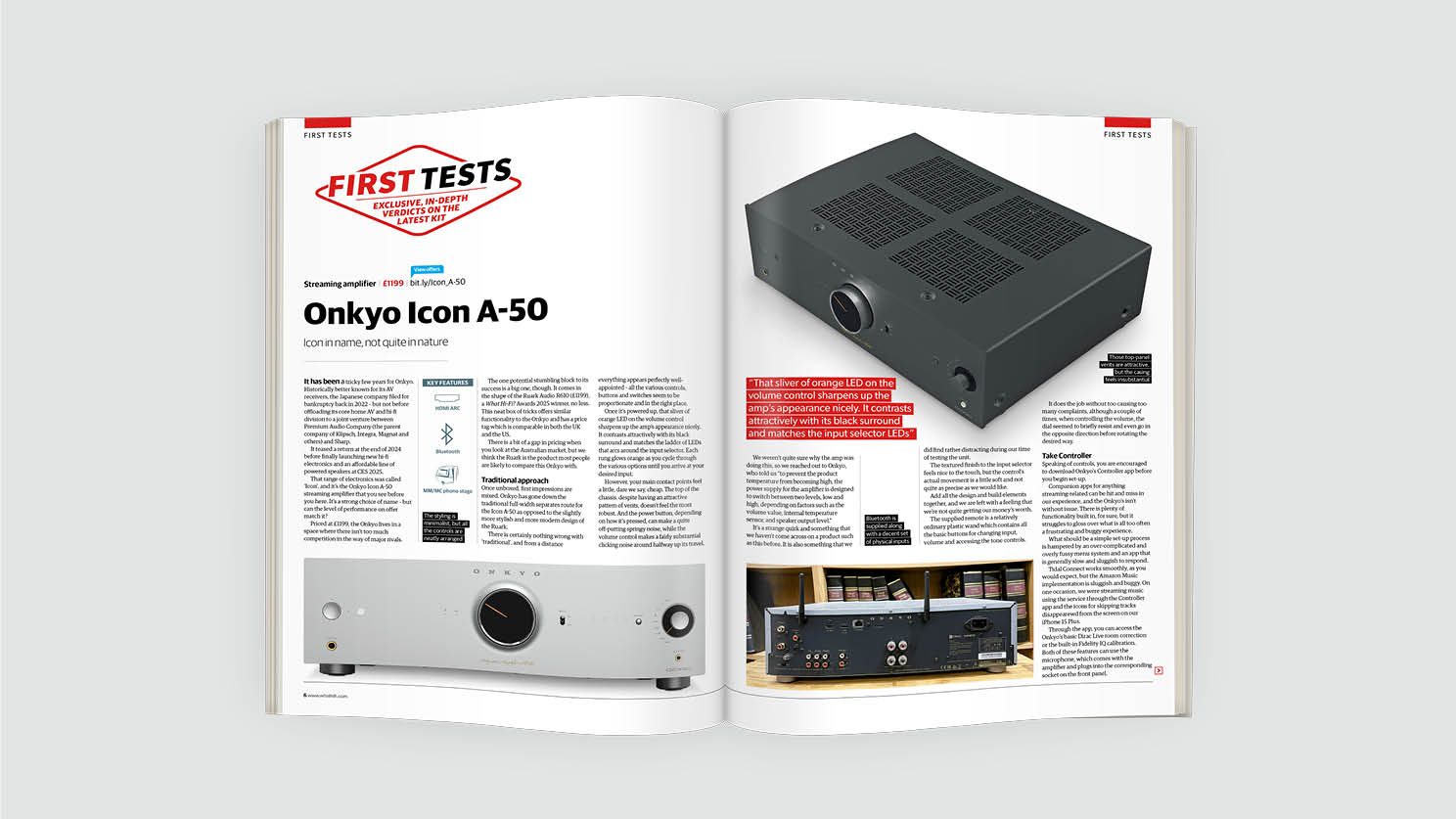
- Premium Portable Audio: An evaluation of upper-echelon wireless speakers from Bose, Dali, Bang & Olufsen, and JBL, targeting users who demand audiophile-grade performance both indoors and outdoors.
- The Return of Iconic Brands: Detailed "First Tests" of highly anticipated hardware, including the Onkyo Icon A-50 streaming amplifier, the Wharfedale Diamond 12.3i floorstanders, the Apple AirPods Max 2, and the ultra-premium £13,000 Esoteric N-05XE streaming preamplifier.
Chronology of Technology: From Living Room Compromises to Reference-Grade Systems
To understand the products featured in the August 2026 issue, it is necessary to examine the chronological trajectory of home entertainment engineering over the past decade.
[2010s: Bulky wired multi-box systems]
       │
       ▼
[Early 2020s: Single-chassis virtual surround soundbars]
       │
       ▼
[Mid-2020s: Hybrid soundbars with wireless subwoofers & discrete satellites]
       │
       ▼
[2026: Reference-grade, high-bandwidth wireless home cinema systems]
The Evolution of the Soundbar System
Historically, consumers seeking a true cinematic experience at home were forced to adopt complex, multi-component systems. This required a dedicated Audio-Visual Receiver (AVR), thick runs of copper speaker wire, and five to nine passive speaker cabinets distributed across the room.
By the early 2020s, the market shifted toward single-chassis soundbars. While these units offered convenience, they relied heavily on psychoacoustic "virtual surround" processing, bouncing sound off walls to simulate rear channels—a method highly dependent on room acoustics.
In 2026, the industry has consolidated around the hybrid soundbar system. By pairing a central high-performance bar with a wireless subwoofer and dedicated, compact wireless rear satellite speakers, manufacturers have successfully bypassed the aesthetic and structural hurdles of traditional wired setups while retaining the physical steering of discrete surround channels.
The Display Paradigm Shift: OLED vs. RGB Mini LED
For nearly ten years, Organic Light-Emitting Diode (OLED) technology reigned supreme as the gold standard for home cinema enthusiasts, celebrated for its self-emissive pixels and infinite contrast ratios. However, OLED’s historical Achilles’ heel has been peak brightness, particularly in bright, daylight-flooded living rooms.
This paved the way for Mini LED backlighting. The latest evolution, RGB Mini LED, represents a massive leap forward. Unlike standard blue LED backlights that pass through color filters, RGB Mini LED utilizes individual red, green, and blue sub-millimeter light sources. This dramatically increases color volume, light efficiency, and peak brightness.
With Hisense releasing the UR9—the first mainstream, aggressively priced RGB Mini LED TV—and Sony counter-attacking with the Bravia 8 II OLED, the industry has reached a critical junction where brightness and color volume directly challenge pixel-level black accuracy.
Supporting Data: In-Depth Product Analysis & Specifications
The editorial team at What Hi-Fi? subjected the latest crop of AV and hi-fi equipment to exhaustive testing. Below is the technical breakdown of the standout products featured in the August 2026 issue.
The Display Shootout: Hisense UR9 vs. Sony Bravia 8 II
| Feature / Metric | Hisense UR9 (RGB Mini LED) | Sony Bravia 8 II (OLED) |
|---|---|---|
| Panel Technology | RGB Mini LED with Quantum Dots | Self-Emissive WRGB OLED |
| Peak Brightness (Typical) | ~3000 nits | ~1100 nits |
| Local Dimming Zones | Up to 5,000+ independent zones | Pixel-level (8.3 million zones) |
| Color Volume | Exceptional (Rec. 2020 coverage >90%) | High (DCI-P3 coverage ~99%) |
| Primary Strength | Daylight visibility, impactful HDR highlights | Perfect black levels, off-axis viewing angles |
| Target Audience | Bright, multi-use living rooms | Dedicated, light-controlled media rooms |
High-End Audio and "First Tests" Highlights
1. Esoteric N-05XE Streaming Preamplifier (£13,000)
Positioned in the magazine’s prestigious Temptations section, this ultra-high-end component represents the pinnacle of digital-to-analog conversion and preamplification.
- Acoustic Performance: Reviewers noted a "broad and spacious soundstage populated by crisply focused instruments," praising its exceptional stereo imaging and micro-dynamic detail.
- Engineering: Features a fully balanced dual-mono configuration, a discrete Master Sound Discrete DAC designed in-house, and an advanced network streaming module capable of processing native DSD and high-resolution MQA/PCM streams.
[Digital Input] ──> [Master Sound Discrete DAC] ──> [Balanced Dual-Mono Pre-Amp Stage] ──> [Analogue Output]2. Onkyo Icon A-50 Streaming Amplifier
Marking a triumphant return for the historic Japanese brand, the Icon A-50 balances modern streaming capabilities with classic amplification muscle.
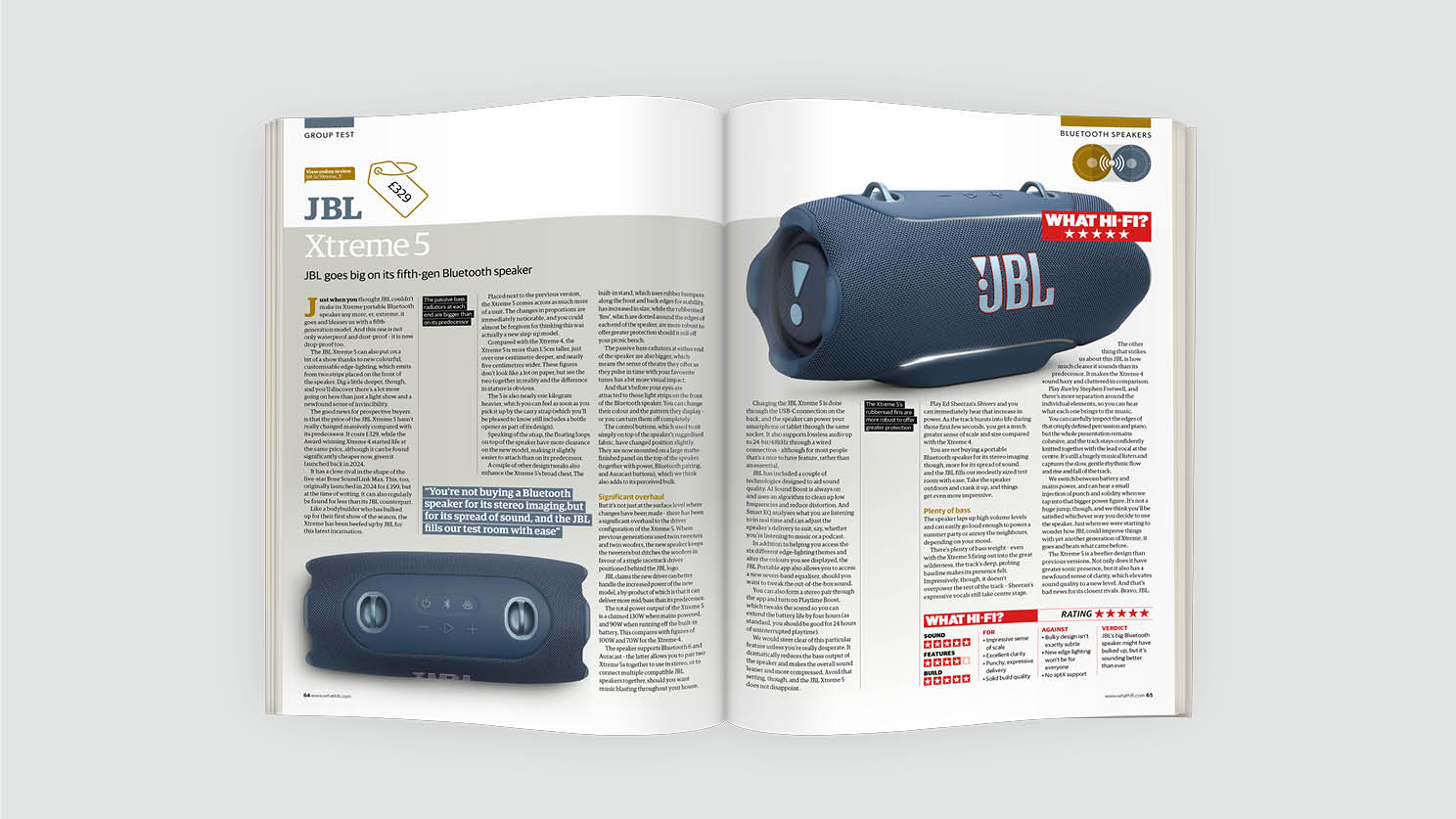
- Sonic Profile: Characterized by an "expansive delivery and an organized sound." It easily drives demanding passive speakers while maintaining excellent rhythmic timing.
- Connectivity: Features integrated Wi-Fi, AirPlay 2, Chromecast, Spotify Connect, and Tidal Connect, alongside traditional analog and digital inputs.
3. Wharfedale Diamond 12.3i Floorstanders
The latest iteration of one of the most famous lineages in budget-to-midrange hi-fi. The "i" designation introduces refined crossover networks and upgraded internal bracing.
- Performance: Maintains the warm, forgiving, yet highly detailed signature of the Diamond series, making them highly compatible with a wide range of budget amplifiers.
Official Responses & Testing Methodology
To maintain its status as an industry benchmark, What Hi-Fi? adheres to a strict testing protocol. Every product reviewed is subjected to comparative testing in custom-built, acoustically treated listening and viewing rooms located in London, Reading, and Bath.
The Independent Testing Philosophy
Rather than relying on manufacturer-provided specifications or isolated bench tests, the What Hi-Fi? review team insists on side-by-side evaluations. For example, during the display shootout, the Hisense UR9 and Sony Bravia 8 II were fed identical, simultaneous video feeds from reference-grade UHD Blu-ray players and high-bitrate streaming servers. This methodology ensures that real-world factors—such as motion handling, upscaling artifacts, and panel uniformity—are judged under identical conditions.

Editorial Stance on High-Fidelity Music Testing
The August 2026 issue also highlights the importance of using complex, dynamic music to stress-test audio equipment. The editorial team curated a selection of progressive rock albums to evaluate hardware capabilities.
According to the reviewers, progressive rock is uniquely suited for system testing due to its:
- Wide Dynamic Range: Sudden transitions from quiet acoustic passages to dense, multi-instrumental crescendos test an amplifier’s power reserves and transient response.
- Complex Arrangements: Polyrhythmic drum patterns and layered synthesizers expose weaknesses in a system’s timing, coherence, and spatial separation.
- Frequency Extremes: Sub-bass synth lines paired with high-frequency flute or guitar solos test the seamless integration between drivers, crossovers, and subwoofers.
Implications: The Future of the Consumer AV Market
The findings of the August 2026 issue of What Hi-Fi? point to several key trends that will shape the consumer electronics industry moving forward.

1. The Dematerialization of High-End Audio
The success of modern soundbar systems and compact streaming amplifiers indicates a permanent shift in consumer behavior. While the absolute highest tier of the market remains dedicated to large, multi-box component systems (such as the Esoteric N-05XE and Graham Audio LS5/9), the mainstream audiophile is increasingly demanding "invisible" or highly integrated systems. Manufacturers must continue to innovate in wireless high-bandwidth transmission (such as WiSA protocols) to deliver lossless, multi-channel audio without physical cables.
2. Display Specialization
The battle between RGB Mini LED and OLED suggests that the television market is splitting into two distinct usage models rather than settling on a single dominant technology:
- RGB Mini LED is claiming dominance in typical household environments—such as bright living rooms—where its massive light output can easily overcome ambient glare.
- OLED remains the undisputed king of dark-room cinema, where its absolute black levels and pixel-level precision offer an unmatched cinematic experience.
3. The Value-to-Performance Convergence
As demonstrated by the TCL Q6C TV and the Wharfedale Diamond 12.3i floorstanders, the gap between entry-level pricing and high-end performance is narrowing rapidly. Advanced manufacturing techniques, trickle-down DSP technology, and aggressive competition from Chinese manufacturers are forcing premium brands to lower their pricing structures or offer significant technology upgrades to justify their premium status.
Ultimately, the August 2026 issue of What Hi-Fi? reassures consumers that whether their budget is £100 for a portable speaker or £13,000 for a reference preamplifier, the modern audio-visual market offers unprecedented performance, engineering maturity, and choice.