
In the specialized world of high-end audio, the name Nelson Pass is synonymous with innovation, simplicity, and uncompromising sound quality. As the founder of Pass Labs and Threshold, Pass has long been a champion of the “do-it-yourself” (DIY) ethos, famously releasing circuit designs that allow enthusiasts to build world-class amplifiers at home. Recently, a surge in interest regarding the aesthetic and mechanical design of these home-built units has ignited a vibrant discussion within the DIYAudio community, transforming a technical forum into a gallery of industrial art.

The Genesis of a Digital Gallery
The conversation began with a simple, direct request from a community member known as "etoiledusoir." Faced with the temporary unavailability of the official PassDIY gallery—a long-standing repository of user-submitted amplifier builds—the member reached out to the wider community for inspiration.
"I develop a kind of interest lately in looking for different amplifier aesthetic design and layout," etoiledusoir wrote. "It don’t matter if your design is orthodox or unorthodox, just share your realization."
This call to action served as a catalyst. Within hours, the thread, titled "Pictures of your DIY Pass amplifier," transformed from a basic inquiry into a visual showcase. The request highlighted a fundamental shift in the DIY audio movement: while the circuit topology remains the core focus, the "chassis architecture"—the physical presentation, heat management, and internal layout—has become a crucial metric of success for the modern hobbyist.
A Chronology of Collaboration
The thread’s development serves as a snapshot of the community’s collaborative spirit in May 2010. Following the initial request, the timeline of engagement reveals how hobbyists share, critique, and encourage one another:

- May 12, 2010: The original request is posted, seeking visual references to replace the offline gallery.
- May 13, 2010: The thread gains momentum. Notable contributions include "d to the g," who shared an image of a "dusty F5," providing a raw, unfiltered look at a functional build.
- May 13, 2010: The thread receives a "sticky" status from moderator Cal Weldon, cementing its importance as a foundational resource for the community.
- May 13–15, 2010: A flurry of posts follows, featuring discussions on specific models like the F5 and the Babelfish J. The community dynamic shifts from simple image-sharing to lighthearted banter regarding the "professionalism" of certain builds versus the "magpie’s nest" appearance of more experimental ones.
The Technical and Aesthetic Landscape
The amplifiers showcased in this community thread represent a wide spectrum of design philosophy. At the center of these discussions is the Nelson Pass F5 amplifier, a classic Class A design revered for its sonic transparency.
The F5: A Canvas for Experimentation
The F5 serves as the "standard" project for many builders, yet the photos reveal that no two F5s are identical. Some builders, like the user "alazira," take a component-centric approach, emphasizing the use of premium parts such as Caddock resistors, Vishay bulk metal foil trimpots, and silver wiring. These builders view the amplifier as a precision instrument, where the layout is dictated by signal path integrity and thermal dissipation requirements.
Thermal Management and Chassis Design
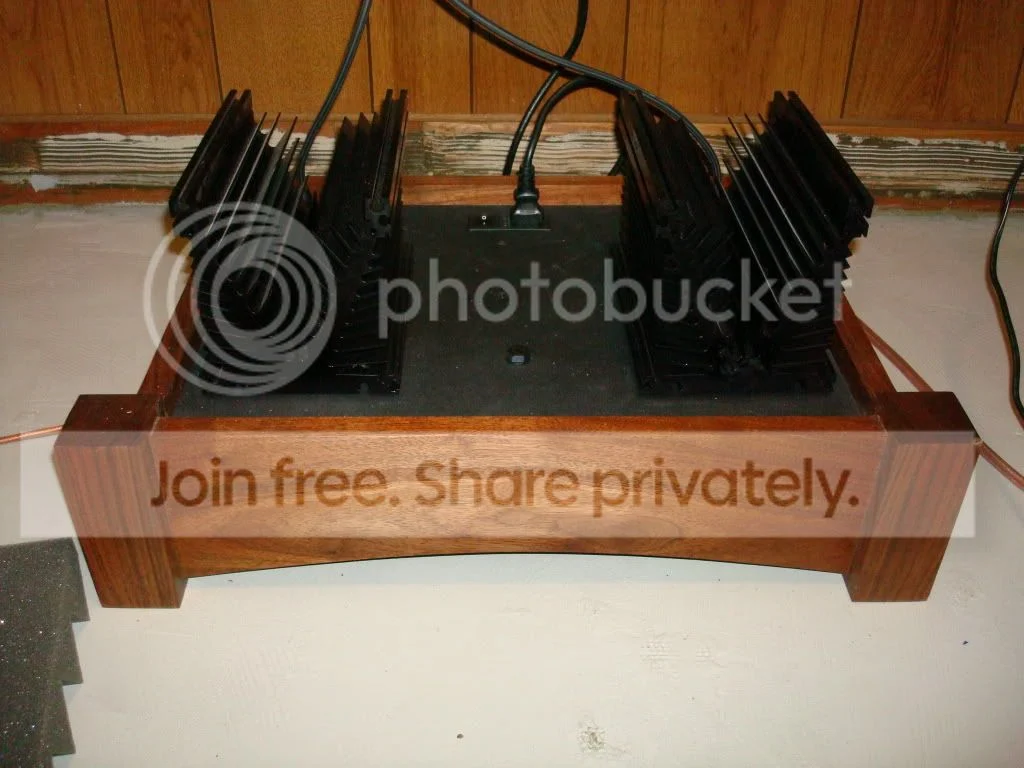
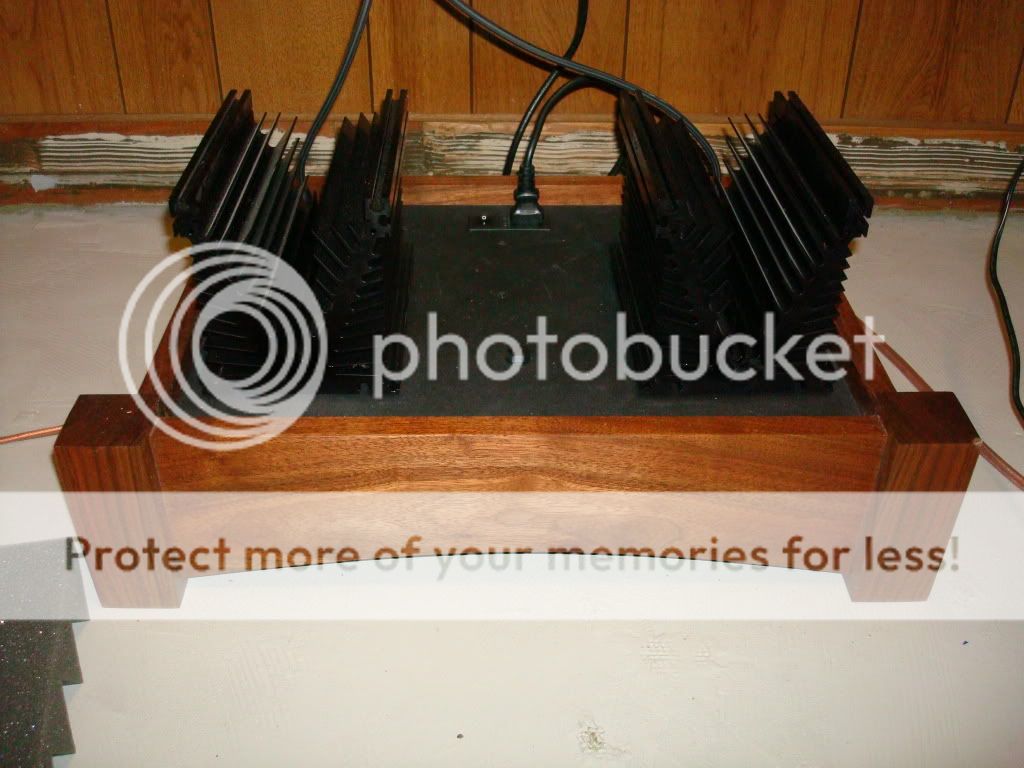
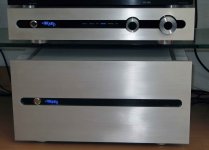
A recurring theme in the submitted photos is the challenge of heat dissipation. Nelson Pass’s designs often operate in pure Class A, which requires massive heat sinks to dissipate the significant energy turned into heat rather than sound. The builders’ solutions range from industrial, heavy-duty aluminum extrusions to custom-milled enclosures. These "towers" of metal are not merely functional; they are the defining aesthetic of the DIY Pass amplifier, often resembling brutalist sculpture as much as audio equipment.

The "Magpie’s Nest" and the Humility of the Builder
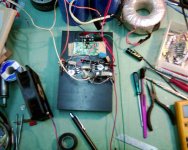
Perhaps the most human aspect of this discussion is the interplay between veteran builders and newcomers. When user "Zen Mod" shared an image of his "Babelfish J," the informal and somewhat chaotic internal wiring—what he jokingly referred to as a "Magpie’s Nest"—prompted both laughter and camaraderie.

This exchange is critical to understanding the DIY audio subculture. While high-end commercial gear prizes absolute tidiness and "boutique" aesthetic perfection, the DIY community often finds beauty in the process. As "ma_coule" noted, there is a deep respect for those who push boundaries, even when the final product is not "showroom perfect." The admission by "bobodioulasso" regarding his "Fugly" amplifier—which he purchased as a failed project from an eBay seller—highlights the community’s dedication to salvaging, repairing, and learning from the failures of others.

Implications for the Future of DIY Audio
The documentation of these builds has profound implications for the future of the hobby. By creating a collective archive of designs, the DIYAudio community is doing more than just showing off equipment; they are establishing a visual history of technical knowledge.

The Democratization of High-End Design
The accessibility of these designs means that individuals with modest budgets but significant patience can assemble amplifiers that rival commercial units costing thousands of dollars. The aesthetic focus—the shift toward "looking for inspiration"—suggests that the barrier to entry is no longer just technical skill, but design literacy. Hobbyists are increasingly looking to industrial design principles to house their circuits, turning their living rooms into showrooms.
Knowledge Transfer and Mentorship
The thread also underscores the importance of peer-to-peer feedback. When users like "EUVL" praise the "German workmanship" of a fellow builder’s B1 and F5 combination, it reinforces a culture of excellence. This public validation acts as a powerful incentive for builders to document their work, refine their layouts, and share their findings, effectively crowdsourcing the evolution of amplifier construction.
Conclusion: More Than Just Wires and Metal
The "Pictures of your DIY Pass amplifier" thread is a testament to the enduring appeal of the DIY movement. It is a space where technical proficiency meets artistic expression, and where the pride of ownership is derived not from the brand on the faceplate, but from the labor of the hands that built it.
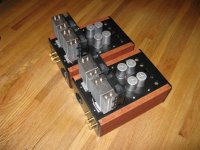
As the community continues to grow, these threads serve as the heartbeat of the hobby. They remind us that behind every "dusty F5" or "Babelfish J" is a builder who has navigated the challenges of soldering, bias adjustment, and chassis construction. In the process, they have not only built amplifiers—they have built a community that values shared knowledge, mutual respect, and the relentless pursuit of sonic perfection. Whether the final build is a pristine, boutique-grade masterwork or a functional, experimental "magpie’s nest," the result remains the same: the unmistakable, warm, and rich sound of a Nelson Pass design, brought to life by the very people who cherish it most.


