By Architectural & Interior Design Review
When we think of a space with great design, it is typical—and entirely understandable—to focus on the visual touchstones that set it apart. We marvel at how an interior marries aesthetics with user experience through deliberate choices in color palettes, tactile material finishes, architectural lighting, spatial layout, and bespoke furniture. Yet, we often overlook an invisible yet profoundly impactful dimension: sound.
How a place sounds—and how users experience that soundscape—can either elevate a design or entirely detract from it. Great spaces facilitate effortless conversation and support the functional demands of whatever activities take place within them. While the deployment of integrated technology, such as advanced audio, video, and lighting systems, plays a role, the core of a room’s acoustic identity lies in how noise issues are managed. Ensuring a positive sonic experience requires an intimate understanding of how form, function, and construction materials interact.
Historically, acoustics were relegated to an afterthought, tacked on only after a building was operational. Today, industry leaders like Primacoustic are championing a new paradigm: one where class-leading acoustic systems complement rather than compromise a creative vision, proving that high-performance sound control and high-end interior design can exist in perfect harmony.
Main Facts: Bringing Acoustics to the Forefront of Design
The modern built environment demands a holistic approach to sensory design. Whether architects and interior designers are mapping out a space during the initial construction phase or retrofitting an active, bustling room to control ambient noise, sound control solutions must integrate seamlessly with visual elements.

At Primacoustic, this philosophy serves as a core corporate value. The company leverages expertise forged in critical listening environments—such as professional recording studios, broadcast booths, and live performance venues—and brings it to commercial, educational, hospitality, and residential projects.
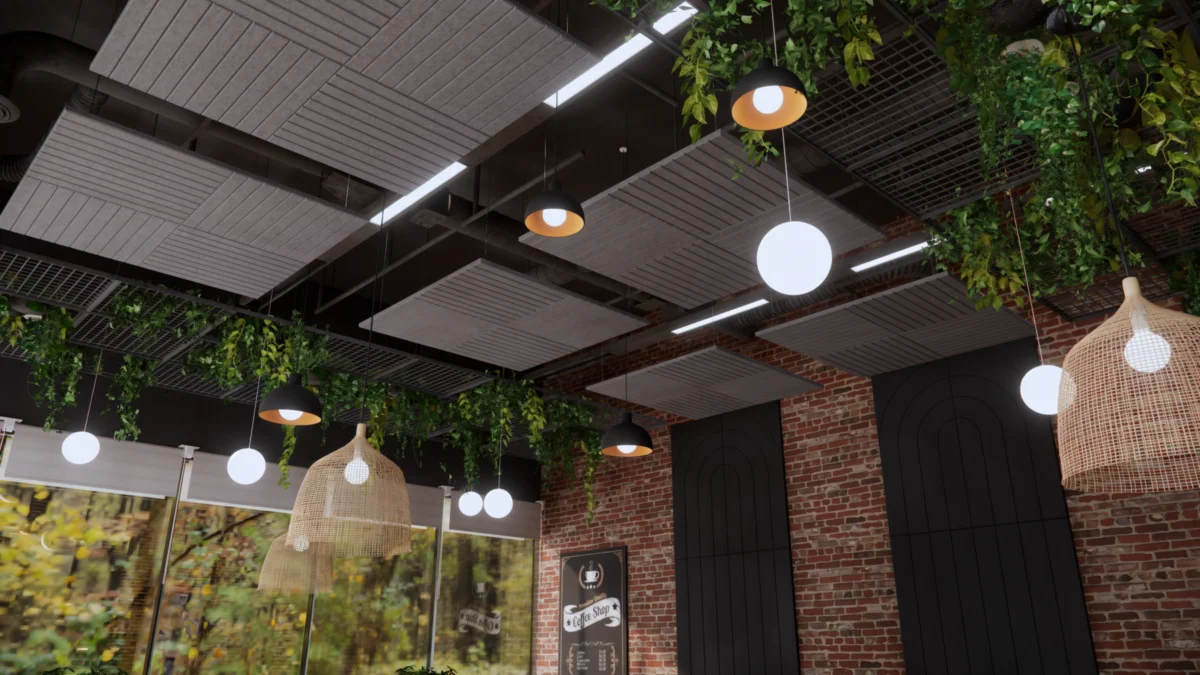
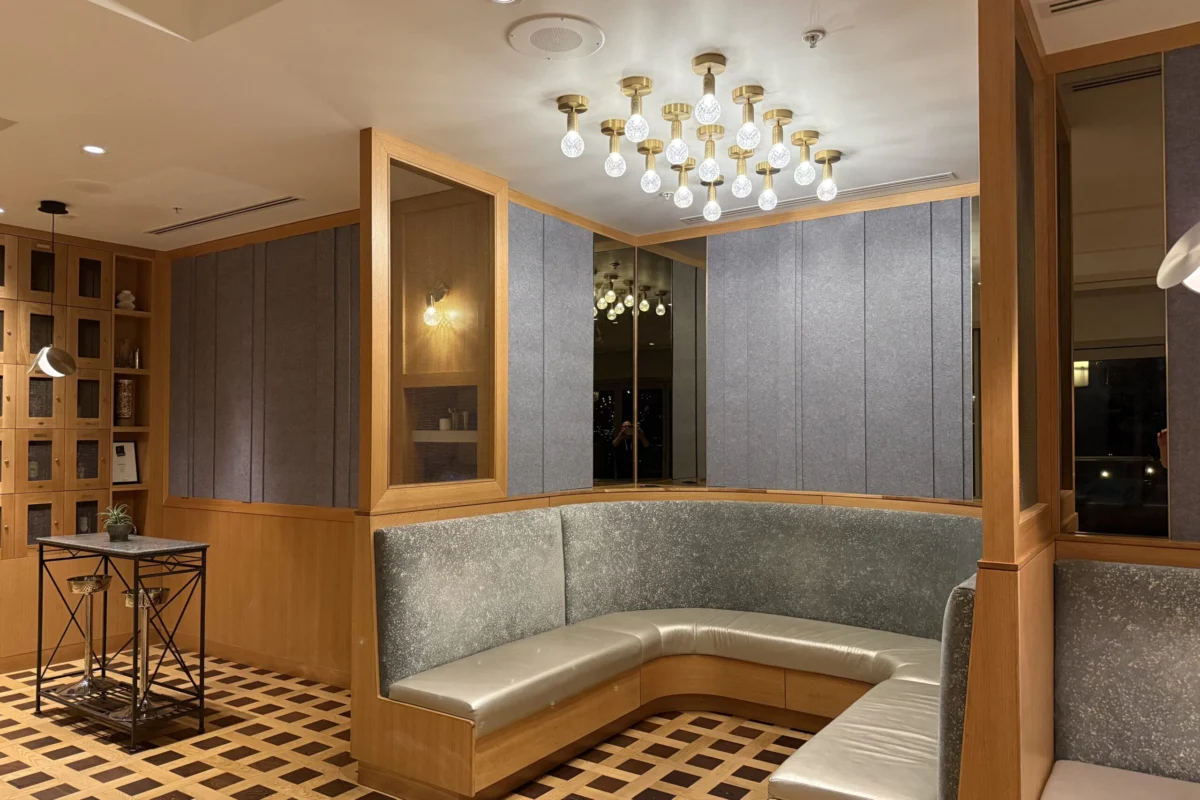
To achieve this, manufacturers are constantly expanding their repertoires. By offering a vast array of colors, textures, materials, and modular formats, brands are granting architects, interior designers, and business owners the creative freedom to ensure their spaces look stunning and sound exceptional. Modern acoustic treatments are no longer restrictive boxes; they are dynamic design elements that expand creative possibilities.
Chronology: From Egg Cartons to Designer-Grade Aesthetics
To appreciate where acoustic design stands today, it is helpful to look back at how the industry has evolved.
The Era of Functional Desperation
Historically, acoustic treatment was designed to be purely functional first, with design-forward considerations treated as an afterthought—if considered at all. This utilitarian approach has left a distinct cultural footprint. One need only think of the bedrooms of burgeoning musicians from decades past, where walls were indiscriminately covered with egg cartons, cast-off cardboard, and crude packing materials.
This DIY desperation translated into commercial and institutional spaces as well, characterized by rough hardware-store-grade foam in starter recording studios and the ubiquitous, utilitarian acoustic tiles found in aging schools, hospitals, and hastily repurposed hospitality venues. In all these instances, visual form mattered very little, and sound control relied more on wishful thinking than professional engineering or empirical proof.
The Shift Toward Integration
As architectural design embraced open-concept layouts, hard surfaces, and industrial aesthetics (such as exposed concrete and glass), noise pollution inside buildings skyrocketed. Conversations became difficult to parse, productivity in workplaces dipped, and dining out in modern restaurants often meant shouting across a table.
Recognizing this shortfall, acoustic engineering underwent a metamorphosis. Over the past two decades, companies like Primacoustic began engineering systems that merged studio-grade performance with architectural elegance. The introduction of sustainably sourced materials, custom-carved panels, and vibrant color collections marked a turning point where acoustic panels transformed from eyesores into focal points of interior architecture.
Supporting Data and Product Evolution: Flexibility Meets Performance
A successful acoustic treatment project does not seek to create sombre, sterile settings and an unnaturally restrained atmosphere—though absolute silence may be the goal in specialized recording environments. Instead, a successful solution curates an environment appropriate for the specific usage of the space.
Whether it is a corporate boardroom requiring speech intelligibility, a classroom fostering collaborative learning, a bustling restaurant allowing intimate conversations over ambient chatter, or a home theater demanding cinematic immersion, the goal is balance.
Modern Solutions in Action
Today’s acoustic portfolios offer robust options rather than limiting compromises. Primacoustic’s product lines illustrate how far the industry has advanced:

- The Broadway Series: Comprising studio-grade high-density glass-wool panels and comprehensive room kits, the Broadway line provides class-leading acoustic clarity while blending effortlessly into walls and ceilings. For bolder architectural statements, products like Broadway Beams offer structural visual interest alongside superior sound absorption.
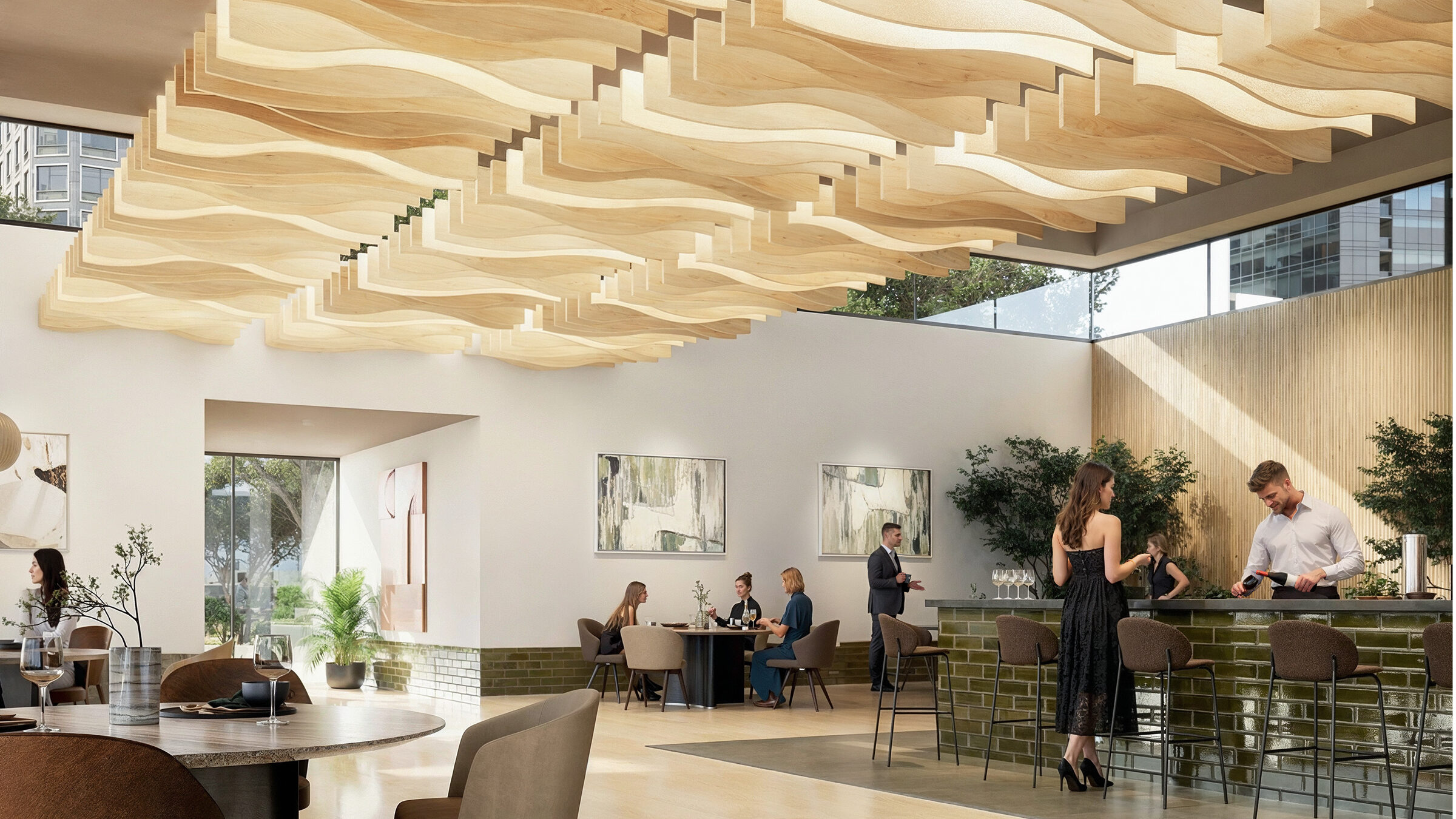
- EcoScapes PET Products: Addressing the growing demand for sustainable building materials, the EcoScapes line utilizes recycled PET plastics. Products within this family, such as Contour Carved Panels and Dimensional Baffles, allow designers to sculpt ceilings and walls with striking geometric patterns while capturing stray sound waves.
- The Waypoint Collection: Expanding the boundaries of color and finish, Primacoustic’s newly released Waypoint collection introduces designer-grade hues—such as Fern and Firefly—enabling interior designers to match exact color schemes without sacrificing acoustic coefficients.
Official Perspectives: The Philosophy of Integrated Design
Industry experts emphasize that design flexibility opens possibilities, but acoustic expertise ensures performance. Bringing acoustic considerations from the background to the foreground is no longer a luxury; it is a necessity for newly constructed buildings and well-used historical spaces alike.
According to representatives at Primacoustic, acoustic integration is a collaborative journey that extends far beyond manufacturing panels.
"You care about realizing your creative vision; leveraging colors, textures, formats, and finishes to create environments that shape the user experience visually and sonically so they enjoy every moment they spend in them," notes the Primacoustic team. "We care about ensuring your access to them by providing and helping specify comprehensive whole-space solutions."
From project conception to completion, manufacturers and acoustic consultants provide vital advisory services. These include determining optimal panel placement, calculating the exact volume of treatment required for a given cubic footage, and integrating multiple treatment modalities (such as wall panels, hanging baffles, and ceiling clouds) for maximum acoustic effect. Furthermore, brands actively bridge the gap between design vision and physical execution by helping clients identify and engage leading A/V integrators and specialized dealers.
Implications: The Future of Sensory Architecture
The convergence of interior design and advanced acoustics carries profound implications for various sectors:
Commercial Workplaces
As companies rethink office spaces to encourage in-person collaboration, managing acoustic privacy and reducing open-office din is paramount. Well-designed acoustic systems reduce fatigue, lower stress levels, and boost productivity by preventing cognitive overload caused by background chatter.
Education
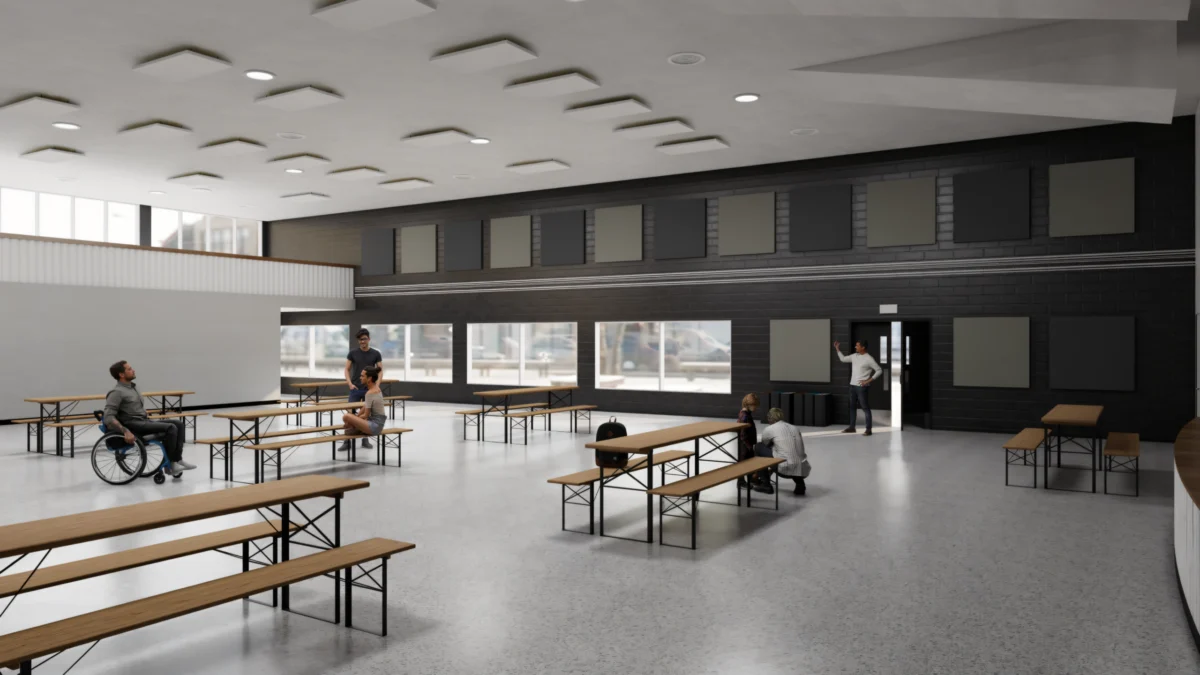
In learning environments, clear communication between educators and students is critical for comprehension. By dampening excessive reverberation, modern acoustic treatments ensure that every student—regardless of where they sit in a classroom—can hear and participate clearly.
Hospitality and Entertainment
Restaurants, bars, and entertainment venues rely heavily on atmosphere. By integrating aesthetically pleasing baffles and wall treatments, venue owners can control the "Lombard effect" (where patrons raise their voices louder and louder to be heard over ambient noise), resulting in a more intimate, enjoyable dining experience.
Residential Living
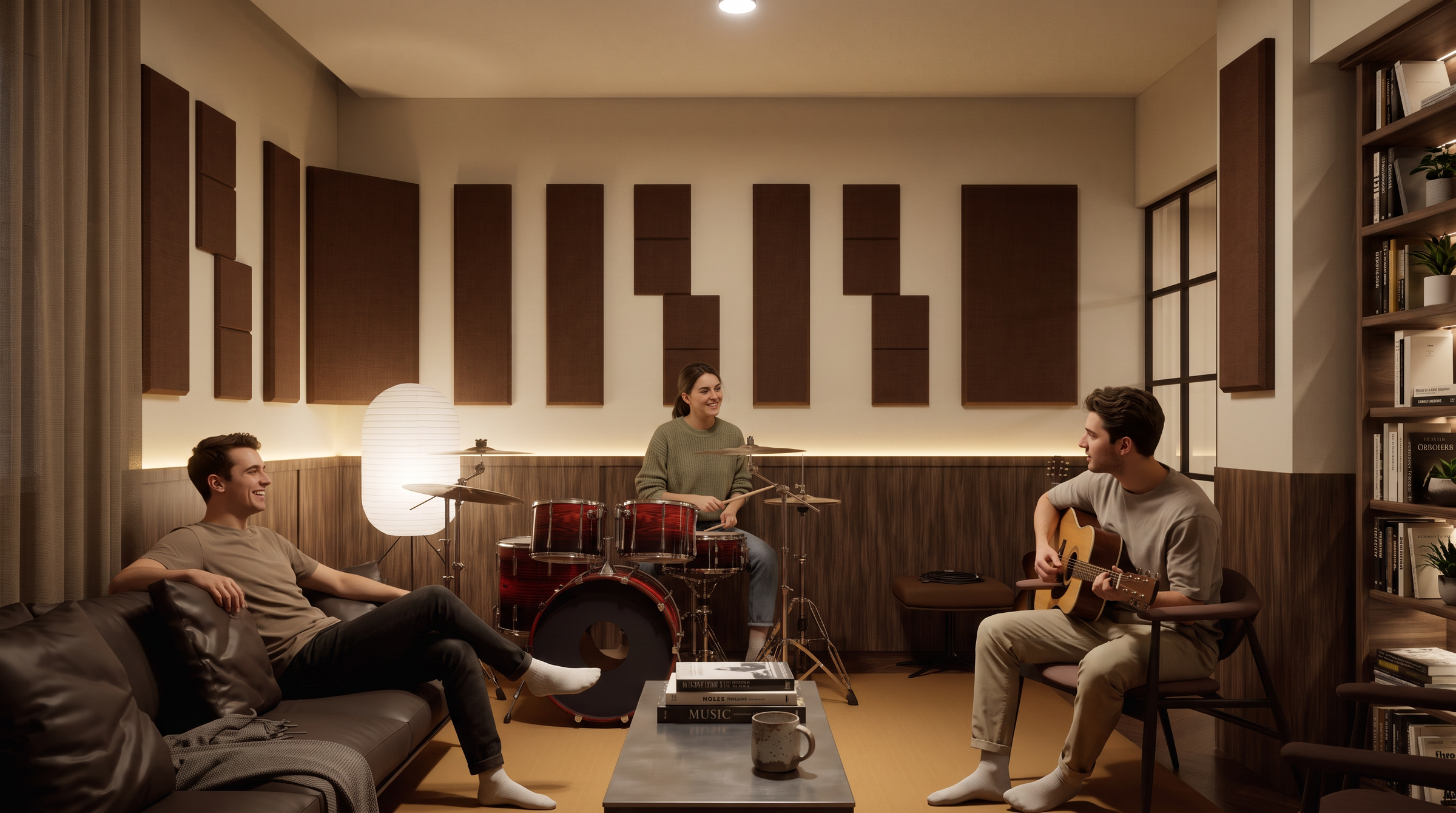
With modern homes featuring hard flooring, high ceilings, and minimalist aesthetics, echo and sound transmission have become common domestic complaints. Designer-grade acoustic panels allow homeowners to tame domestic noise without turning their living rooms into recording studios.
Conclusion
Acoustics and aesthetics are no longer mutually exclusive paths; they are two sides of the same design coin. By embracing solutions that prioritize both visual elegance and sonic precision, architects and designers can craft environments that look breathtaking and sound serene.

For professionals looking to explore acoustic options for upcoming projects, comprehensive resources, consultation services, and product catalogs are available through Primacoustic.com.
At Primacoustic, we’re listening. Be heard.