The music industry’s most electrifying night is set to return to its spiritual home. On Sunday, September 27, 2026, the MTV Video Music Awards (VMAs) will descend upon the iconic Peacock Theater in Los Angeles, marking the ceremony’s first return to the City of Angels since 2017. As anticipation mounts for what promises to be a career-defining evening, viewers around the globe are preparing for a broadcast that blends high-octane spectacle with poignant tributes to the architects of modern pop.
With hip-hop legend Snoop Dogg set to anchor the broadcast as the official host, the 2026 VMAs are positioning themselves as a cultural bridge between the golden eras of music history and the digital-first landscape of today. From the return of the legendary Madonna to the introduction of the inaugural Artist Director Honors, the 2026 ceremony is shaping up to be a defining moment in television history.
Main Facts: A Night of Firsts and Returns
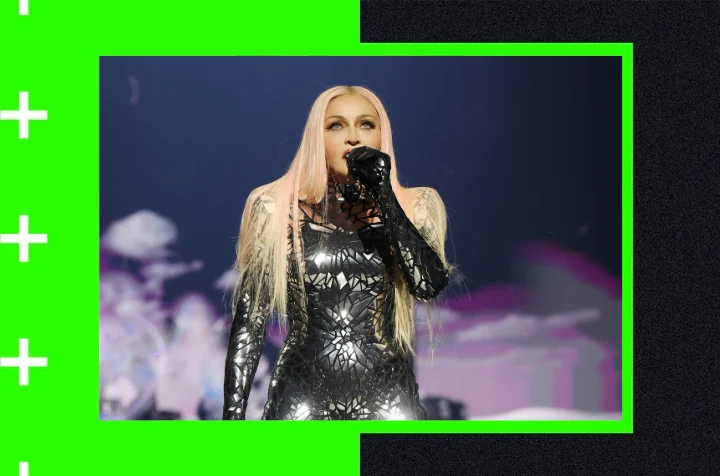
The 2026 VMAs arrive with a narrative intensity rarely seen in recent years. The evening’s centerpiece is undoubtedly the return of Madonna, who will open the ceremony in what is being billed as her first VMA performance since 2003. Her 11 nominations—a figure that leads this year’s pack—underscore her enduring relevance and influence on the contemporary charts.

Following closely behind in the nomination count is global superstar Taylor Swift, who boasts nine nods. The night will also serve as a coronation for the industry’s most creative minds, as Swift is set to receive the first-ever Artist Director Honors. This new accolade recognizes not just musical output, but the total visual and conceptual mastery of an artist’s career.
Furthermore, the ceremony is making a concerted effort to honor the past while embracing the future. The inclusion of the Best Dance category, returning after a seven-year hiatus, reflects the current dominance of electronic and dance-pop fusion in the global streaming market. Meanwhile, rock legends Nirvana will be presented with the prestigious Video Vanguard Award, a testament to the band’s seismic impact on the visual medium of the music video.
Chronology: The Evolution of the 2026 VMAs
The road to the 2026 VMAs has been paved with strategic announcements and industry shifts. The decision to move the show back to the Peacock Theater in Los Angeles was finalized in early 2026, signaling a desire to tap into the epicenter of the film and television production world.

The Lead-Up
- Early 2026: MTV confirms the return of the awards to Los Angeles, moving away from the rotating host cities of the early 2020s.
- July 2026: Nominations are announced, revealing a competitive landscape that favors veteran heavyweights like Madonna and Taylor Swift while creating space for breakout stars like Sabrina Carpenter and Ariana Grande.
- August 2026: The official announcement of Snoop Dogg as host creates a massive surge in social media engagement, with the rapper promising a "West Coast vibe" that will define the show’s aesthetic.
- September 2026: Final performance lineups are revealed, confirming the diverse range of artists including Kacey Musgraves, LISA, and a special collaborative tribute featuring RAYE, Sombr, and Teddy Swims.
Supporting Data: Understanding the Landscape of Nominations
The 2026 nominations offer a statistical snapshot of the current music industry hierarchy. The spread across categories highlights a trend of "legacy power" meeting "streaming velocity."
| Artist | Nomination Count | Key Categories |
|---|---|---|
| Madonna | 11 | Video of the Year, Best Pop, Best Direction |
| Taylor Swift | 9 | Artist of the Year, Artist Director Honors |
| Ariana Grande | 7 | Best Collaboration, Best Cinematography |
| Sabrina Carpenter | 7 | Song of the Summer, Best New Artist |
| PinkPantheress | 5 | Best Dance, Breakthrough Artist |
| Zara Larsson | 5 | Best Visual Effects, Best Choreography |
The presence of first-time nominees—including CORTIS, Don Toliver, Kali Uchis, Noah Kahan, Olivia Dean, Sienna Spiro, and Yung Lean—suggests that while legacy acts are dominating the top-tier awards, the grassroots and alternative scenes remain essential to the VMAs’ identity.
Official Responses and Strategic Programming
MTV and its parent network, Paramount, have curated a viewing experience designed for the modern "cord-cutter." Recognizing that the traditional cable demographic is shrinking, the network has implemented a multi-platform distribution strategy.

"The 2026 VMAs represent a synthesis of what we love about the history of this show and where we are heading," a spokesperson for MTV stated during the press junket for the event. "By bringing in a host as iconic as Snoop Dogg and honoring pioneers like Nirvana, we are grounding the show in credibility. By leaning into Paramount+ and live-streaming partners, we are ensuring that the next generation of fans doesn’t miss a beat."
The decision to offer streaming through platforms like DirecTV, Hulu + Live TV, and Fubo is part of a broader industry push to maintain the "live event" status of award shows. By providing free trials for these services, the network is aggressively lowering the barrier to entry for younger viewers who may not subscribe to traditional cable packages.
Implications: What the 2026 VMAs Mean for the Industry
The 2026 VMAs are more than just a celebration of music; they are a litmus test for the viability of the "major award show" format. In an age of TikTok virality and fragmented digital consumption, the ability of the VMAs to generate a "watercooler moment" is critical.

The Madonna Factor
Madonna’s return is the most significant programming move in recent memory. For an artist who has been central to the VMAs since the very first ceremony in 1984, her return acts as a validation of the show’s legacy. It signals to younger viewers that the VMAs are a historical record, not just a passing trend.
The Rise of the "Artist Director"
The creation of the Artist Director Honors acknowledges that music videos are no longer just promotional tools; they are full-scale cinematic projects. By formalizing this category, the VMAs are effectively pivoting toward a more "prestige-focused" model, perhaps seeking to align themselves more closely with the artistic credibility of the Grammys or even the film industry’s awards season.
The Economic Impact
The return to Los Angeles also has significant economic implications for the city. Beyond the immediate tax revenue and tourism boost associated with the event, the concentration of production, media, and celebrity talent in one location for a week creates a multiplier effect for local hospitality, security, and event management sectors.

How to Engage with the Ceremony
For those looking to catch every second of the action, the broadcast schedule is as follows:
- Date: Sunday, September 27, 2026
- Time: 7:30 p.m. ET
- Broadcast: CBS and MTV (Cable/Satellite)
- Streaming Options:
- DirecTV: Provides a five-day free trial; ideal for those seeking a full cable-like experience.
- Hulu + Live TV: Offering a 50% discount on the first month for new subscribers, providing a cost-effective route to the live broadcast.
- Fubo: Known for its extensive sports and entertainment coverage, including the VMA broadcast.
- Sling TV: A customizable option, though it requires an additional "Entertainment Extra" package to access MTV.
- Paramount+: The home of the digital broadcast. The Premium tier provides live access, while the Essential tier will host the on-demand version starting the following Monday.
As the sun sets on Los Angeles this Sunday, all eyes will be on the Peacock Theater. Whether it is the spectacle of the red carpet, the anticipation of the Video Vanguard Award, or the sheer history of a Madonna performance, the 2026 VMAs are positioned to be the defining cultural event of the autumn. For the fans, the artists, and the industry at large, the countdown to 7:30 p.m. ET is officially on.