LONDON — In the fast-paced world of consumer electronics, planned obsolescence is the rule, and yesterday’s breakthrough is tomorrow’s landfill. Yet, in the rarefied air of high-fidelity audio, a pair of loudspeaker designs born out of mid-century state broadcasting research continues to command reverence, debate, and high-end market value.
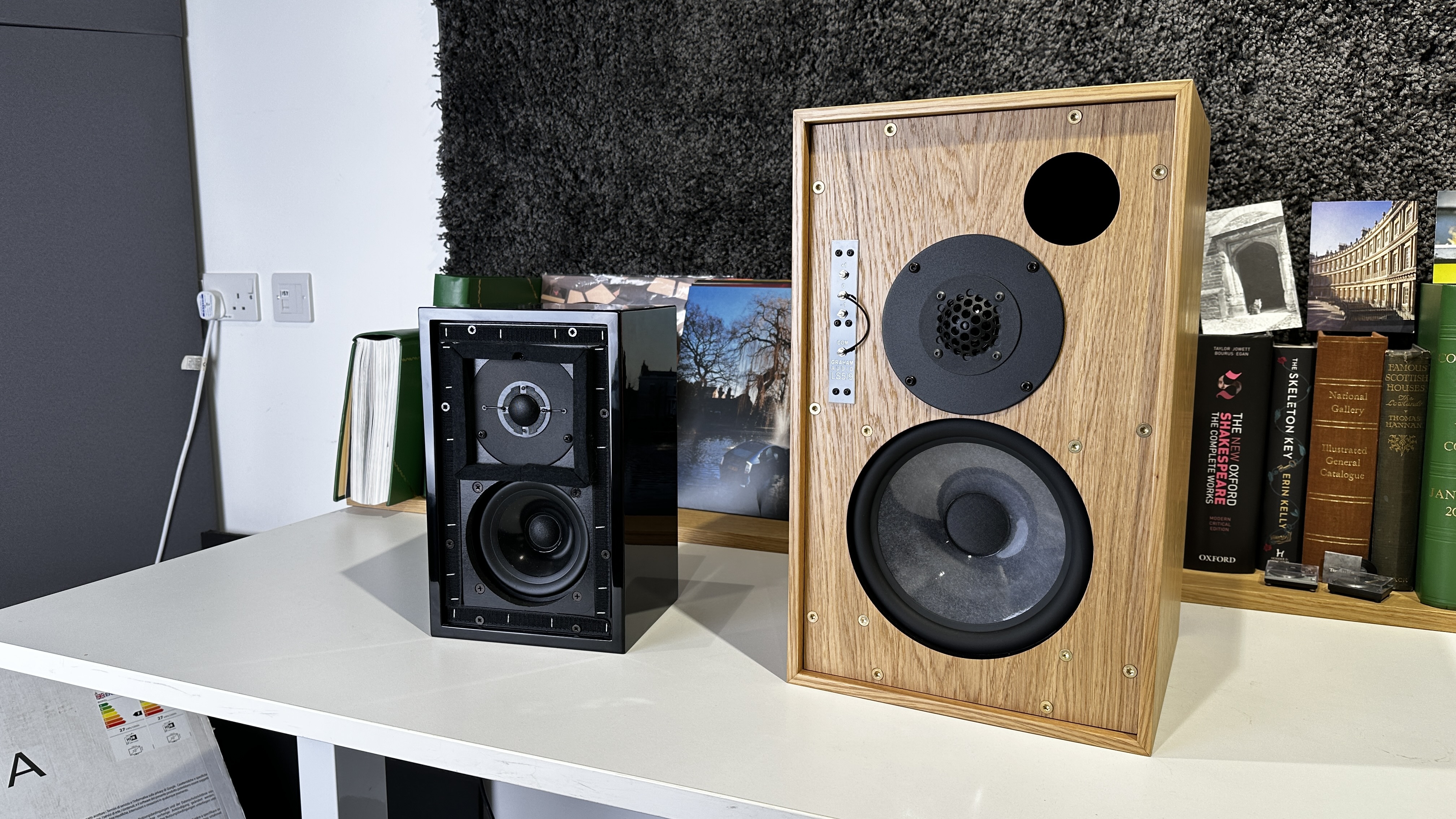
Half a century after the British Broadcasting Corporation (BBC) engineers finalized blueprints for a tiny, shoebox-sized monitor destined for cramped outside-broadcast vans, the legacy of the LS3/5A—and its slightly larger sibling, the LS5/9—stands as a monumental achievement in acoustic design. A side-by-side technical evaluation of a museum-grade 1990s KEF LS3/5A and a current-production Graham Audio LS5/9 reveals not only the enduring magic of these vintage concepts, but also the strangely uneven trajectory of modern speaker innovation.
Main Facts: The Anatomy of a Broadcast Legend
To understand the cult status of the BBC-designed monitors, one must first look past the marketing hyperbole often found in modern consumer audio and examine their utilitarian origins. The BBC was never a commercial speaker manufacturer; it was a public service broadcaster facing a very specific logistical problem. In the 1970s and 1980s, its sound engineers needed compact, reliable loudspeakers that could accurately reference speech and musical balance in spatially restricted environments—cramped control rooms, mobile broadcast trucks, and tight radio studios where massive, full-range monitors simply could not fit.
Because the BBC did not mass-produce hardware itself, it licensed its proprietary research and designs to external commercial audio companies. Over the decades, household names in British hi-fi—including Rogers, Spendor, Harbeth, and KEF—signed on to build the LS3/5A under strict BBC specifications.
The resulting specification sheet for the LS3/5A reads like a study in compromise:
- Internal Volume: A meager 5 liters.
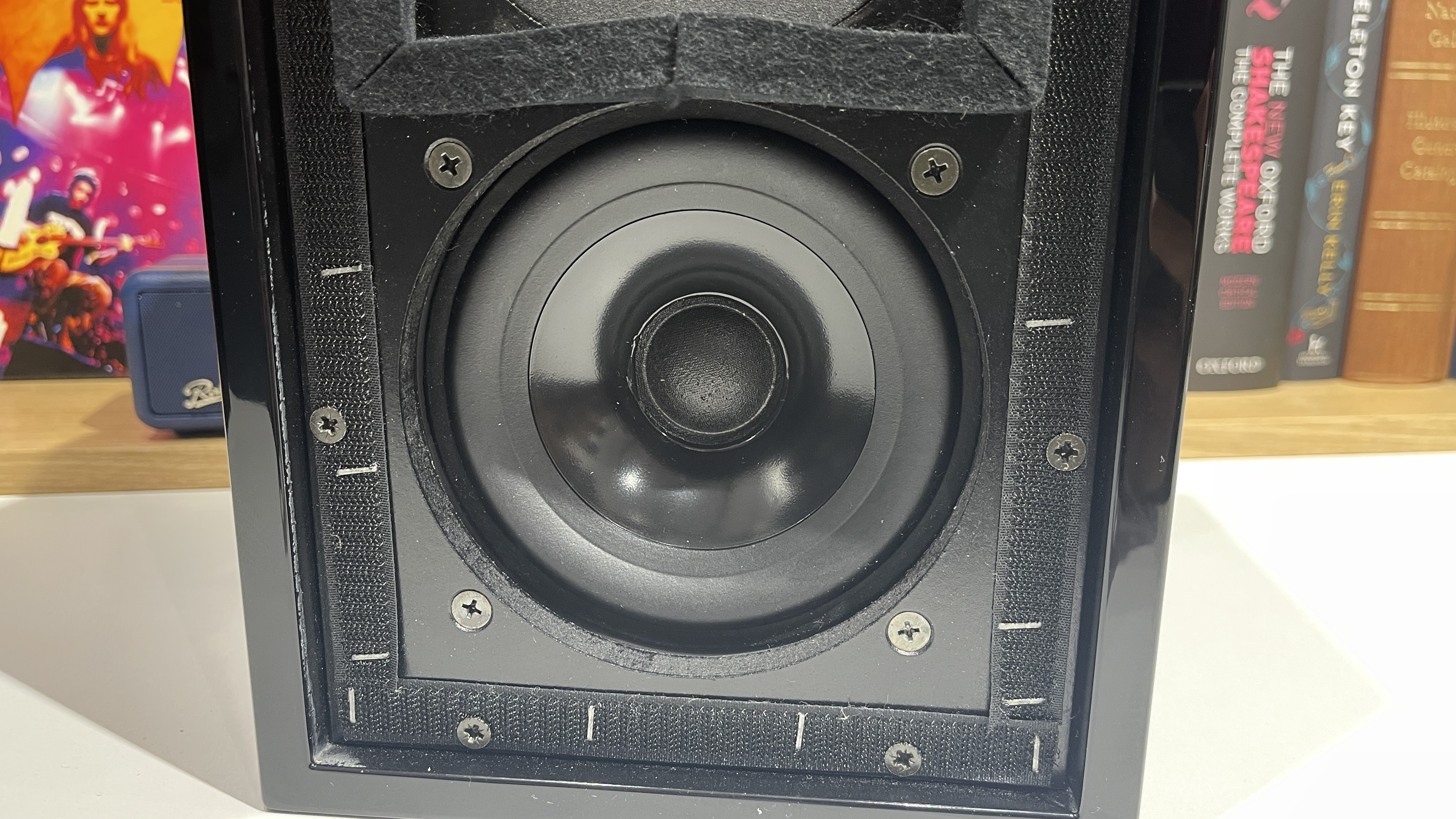
- Driver Complement: A tiny 11cm mid/bass unit coupled with a 19mm dome tweeter.
- Sensitivity: A miserly 82.5 dB/W/m.
- Power Handling: A modest 30 watts, yielding a maximum output level capped in the mid-90dB range.
Yet, despite these technical limitations on paper, listening to a well-preserved LS3/5A with vocal-centric or small-scale classical recordings reveals a palpability, warmth, and harmonic body that many contemporary alternatives struggle to replicate.
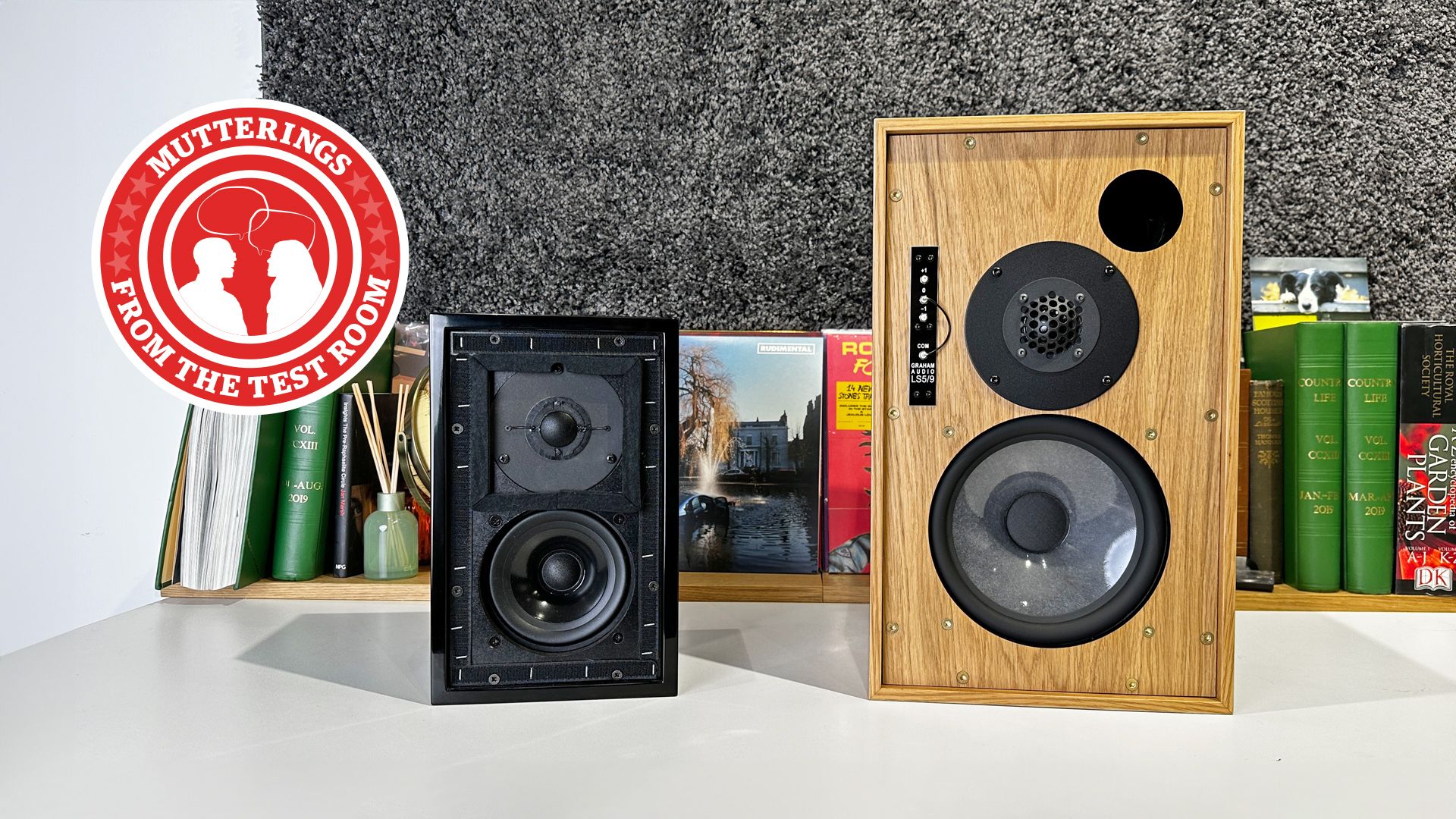
Recognizing that the LS3/5A was limited primarily to nearfield speech monitoring (designated a "Grade II" design), the BBC’s engineering department returned to the drawing board to create something more ambitious. Introduced in 1983, the 28-litre LS5/9 was built to allow sound engineers to optimize microphone placement and overall sonic balance in larger studio spaces. Today, modern iterations—such as the meticulously crafted samples from Graham Audio—continue to keep this lineage alive for audiophiles willing to invest heavily in heritage performance.
Chronology: Five Decades of Acoustic Evolution
The history of these monitors is inextricably linked to the golden age of public broadcast engineering, representing a timeline of continuous refinement born out of peerless scientific resourcing.
1975: The Birth of the LS3/5A
Facing an acute need for a mobile monitoring speaker, the BBC research department finalized the design parameters for the LS3/5A. Utilizing KEF-sourced drivers—specifically the B110 mid/bass unit featuring a Bextrene cone and a Mylar-dome tweeter—the speaker quickly became a staple of British broadcasting before crossing over into the consumer hi-fi market.
1983: The Arrival of the LS5/9
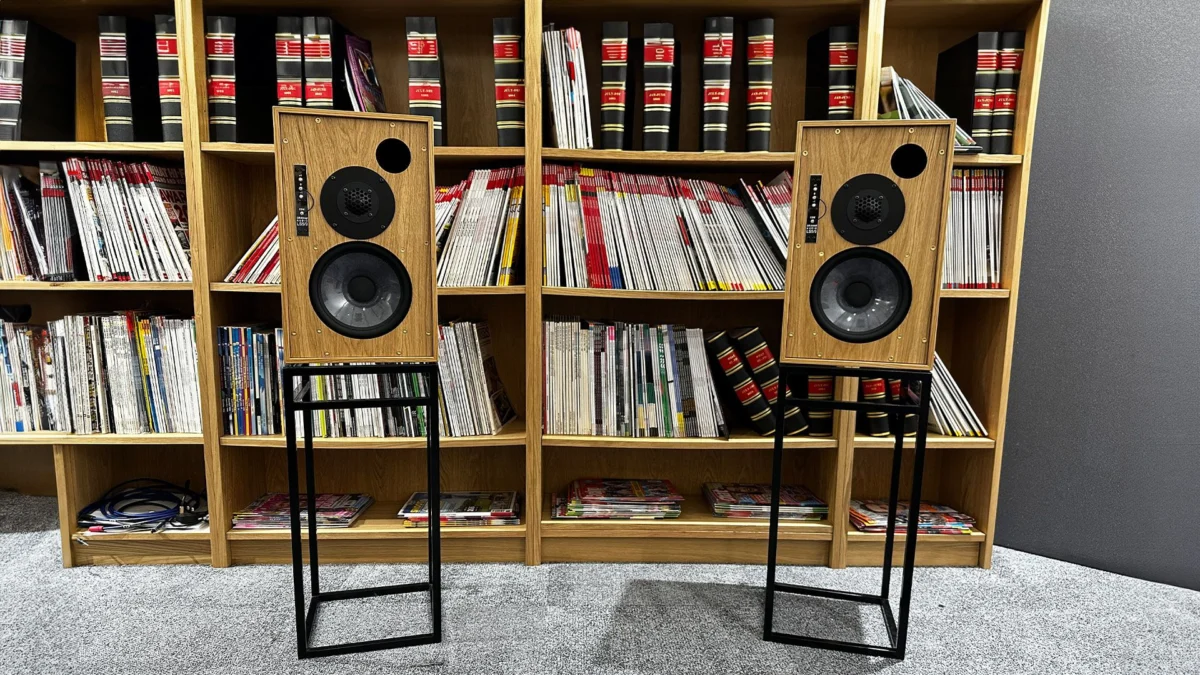
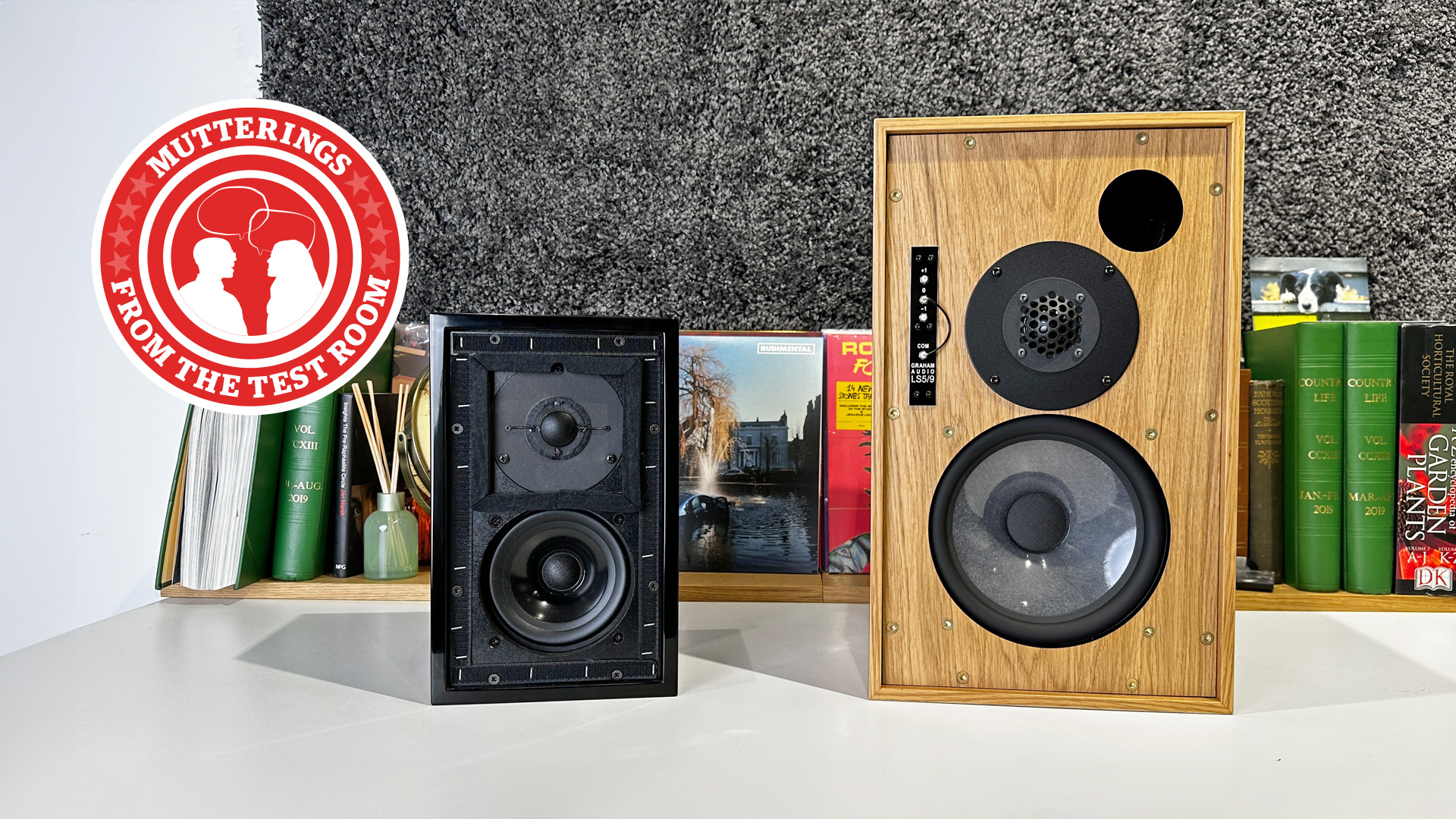
As studio demands evolved, the BBC introduced the LS5/9 to bridge the gap between small nearfield monitors and massive, room-filling main monitors. Featuring a front-ported design, a larger 20cm polypropylene mid/bass unit, and an unusually large Audax 34mm soft-dome tweeter, the LS5/9 offered greater dynamic capability and higher output levels.
The 1990s: Peak Licensing and Collector Status
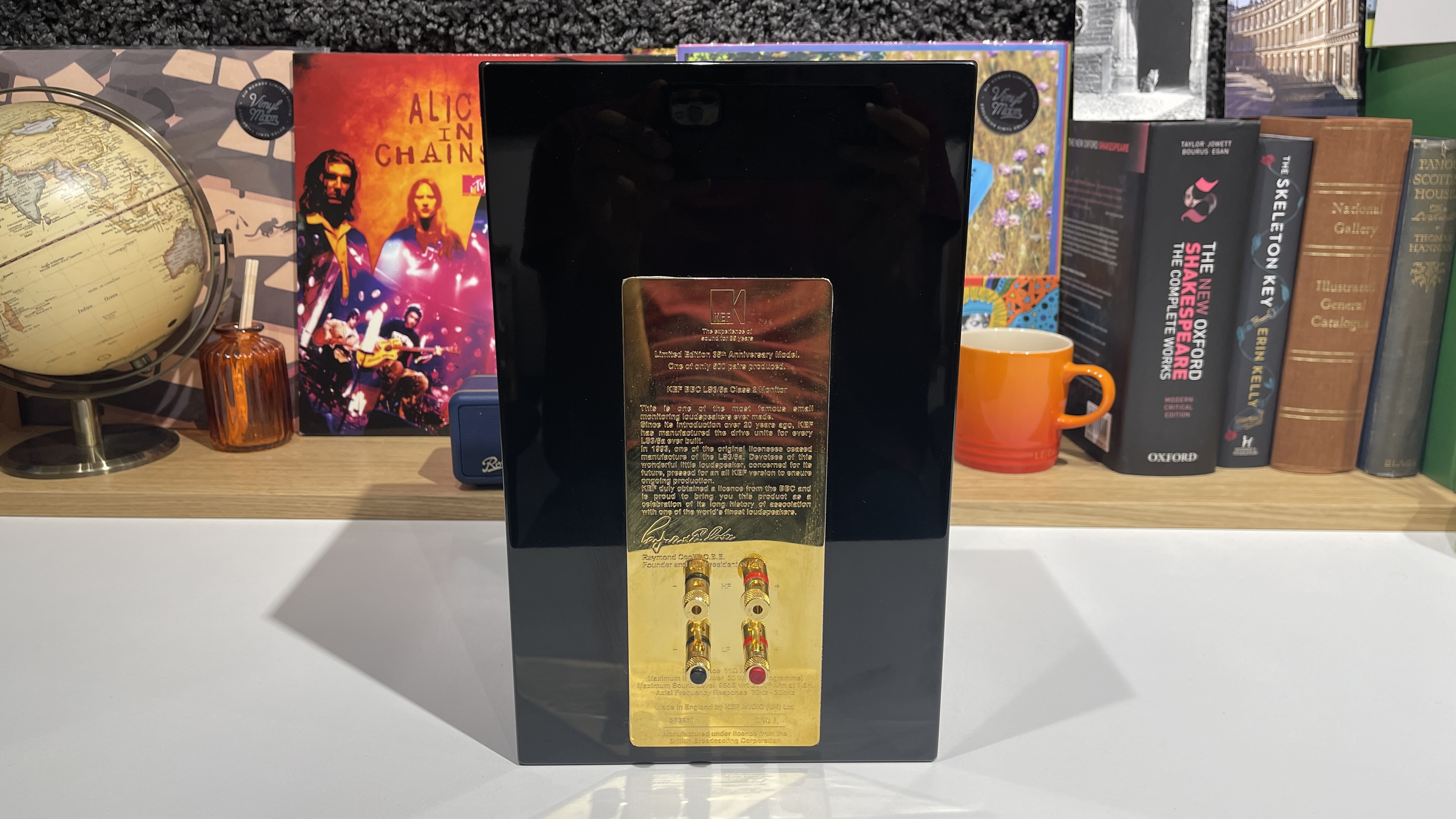
During this era, limited-edition runs—such as the museum-source KEF LS3/5A samples evaluated by industry experts—cemented the speakers’ status as collector items. As digital audio matured, audiophiles increasingly looked backward to these analog-era monitors for their forgiving, musical presentation.
The Present Day: Modern Reproductions Meet Modern Rivals
Today, boutique manufacturers like Graham Audio keep the LS5/9 blueprint alive, retailing current demo pairs at around £3,839 / $5,999 / AU$9,749. Meanwhile, modern alternatives like KEF’s LS50 Meta and PMC’s Prodigy 1 push the boundaries of high-frequency dispersion and ultimate transparency, forcing a direct comparison between 1970s engineering wisdom and modern materials science.
Supporting Data: Engineering Choices That Defied Convention
What separates BBC monitor designs from virtually everything else on the commercial market is the sheer scale of the research behind them. Funded by public broadcasting budgets, the BBC’s engineering department conducted exhaustive studies into cabinet construction, material science, and crossover design—luxuries that commercial speaker manufacturers rarely possess.
The Thin-Wall Cabinet Philosophy
While modern high-end speaker design heavily favors ultra-rigid, thick-walled, inert cabinets designed to suppress all resonance, BBC researchers arrived at the exact opposite conclusion. Their findings dictated that thin, heavily damped cabinet panels (utilizing 12mm birch ply for the LS3/5A and 9mm for the LS5/9) were vastly superior.
Rather than trying to eliminate cabinet resonance entirely—an impossible task—the BBC engineered the enclosures to have a controlled, slight "give." This shifted any structural resonances away from the critical midrange (where human ears are intensely sensitive) down into the bass region, where human hearing is far less acute.
Revolutionary Plastic Diaphragms
In an era dominated by paper cones prone to unwanted colorations and environmental degradation, the BBC pioneered the use of plastics. The LS3/5A’s Bextrene cone and the LS5/9’s polypropylene cone offered unprecedented consistency and reduced distortion. These were matched with complex, phase-coherent crossovers engineered above all else to ensure tonal evenness and seamless off-axis dispersion.

Official Responses and Industry Perspectives
Audio critics and technical editors who have spent decades analyzing the evolution of sound reproduction offer a nuanced view of where these vintage designs stand in the modern landscape.
Ketan Bharadia, Technical Editor of What Hi-Fi? and a veteran of the electronics industry with a background in mechanical and electronic engineering, notes the stark contrasts between the two legendary models during side-by-side testing:
"It is easy to understand why so many people still love what the LS3/5A does. It offers a smooth, easy-going listen. The midrange sounds surprisingly full-bodied, giving voices and acoustic instruments a natural warmth and fluidity that is hugely appealing… Still, there remains something quite wonderful about the way these BBC monitors make small-scale and intimate music sound."
When contrasting the smaller monitor with its bigger brother, Bharadia highlights the distinct design philosophies at play:
"In contrast, the LS5/9 are much more like a modern speaker. Stravinsky’s The Rite Of Spring holds no fear, even at high volume levels. These are detailed and articulate performers that can challenge the best at their price… They are notably more transparent than the LS3/5A, revealing flaws in recordings and partnering equipment far more readily."
While industry leaders acknowledge that modern £1,000 to £1,500 standmount speakers easily outperform the LS3/5A in dynamic reach, rhythmic drive, and absolute transparency, the institutional consensus remains firm: the BBC monitors achieved a rare synergy in vocal reproduction that time has failed to fully replicate.
Implications: The Uneven Progress of Modern Speaker Design
The enduring appeal of the LS3/5A and LS5/9 raises profound questions about the nature of audio progress over the last fifty years.
On one hand, engineering has marched forward. Modern materials, finite element analysis (FEA) computer modeling, and advanced driver topologies have yielded speakers that are vastly more sensitive, capable of subterranean bass extension, and transparent enough to lay bare every microscopic detail of a high-resolution digital master file.
Yet, this relentless pursuit of clinical transparency has often come at the expense of musical engagement. Many modern loudspeakers sound analytical, sterile, or fatiguing over long listening sessions. The BBC monitors were built to a different standard: they were tuned for human ears evaluating real-world broadcasts over hours of continuous work. Their intentional low-frequency hump was designed to flag studio hum and outside broadcast interference, but it coincidentally imbued the speakers with a comforting, room-filling warmth that flatters imperfect recordings.
Ultimately, the LS3/5A and LS5/9 represent two sides of a fascinating audio coin. The LS3/5A remains the choice for the purist seeking soothing, magical midranges and holographic imaging, forgiving of poor source material at the cost of macro-dynamics. The LS5/9 stands as the superior all-rounder—a true critical monitor that demands high-quality matching equipment while offering a more upfront, neutral presentation.
Fifty years on, these classic designs are much more than nostalgic relics of the analog age. They are enduring testaments to the brilliance of a uniquely resourced engineering team, proving that true acoustic excellence never truly goes out of style.