Main Facts: The Arrival of the Sonos Ace Ultra
When Sonos introduced its debut wireless over-ear headphones to the market in 2024, the tech world watched with intense curiosity. Known globally for its powerhouse multi-room audio systems and category-defining soundbars, the American brand’s transition into personal audio was viewed as an ambitious evolutionary step. Yet, when the original Sonos Ace finally reached consumers and testing labs, the reception was lukewarm. Critics and audiophiles alike pointed to a safe, uninspired soundstage, mediocre detail retrieval, and a feature set that failed to justify the steep initial asking price in a fiercely competitive market.
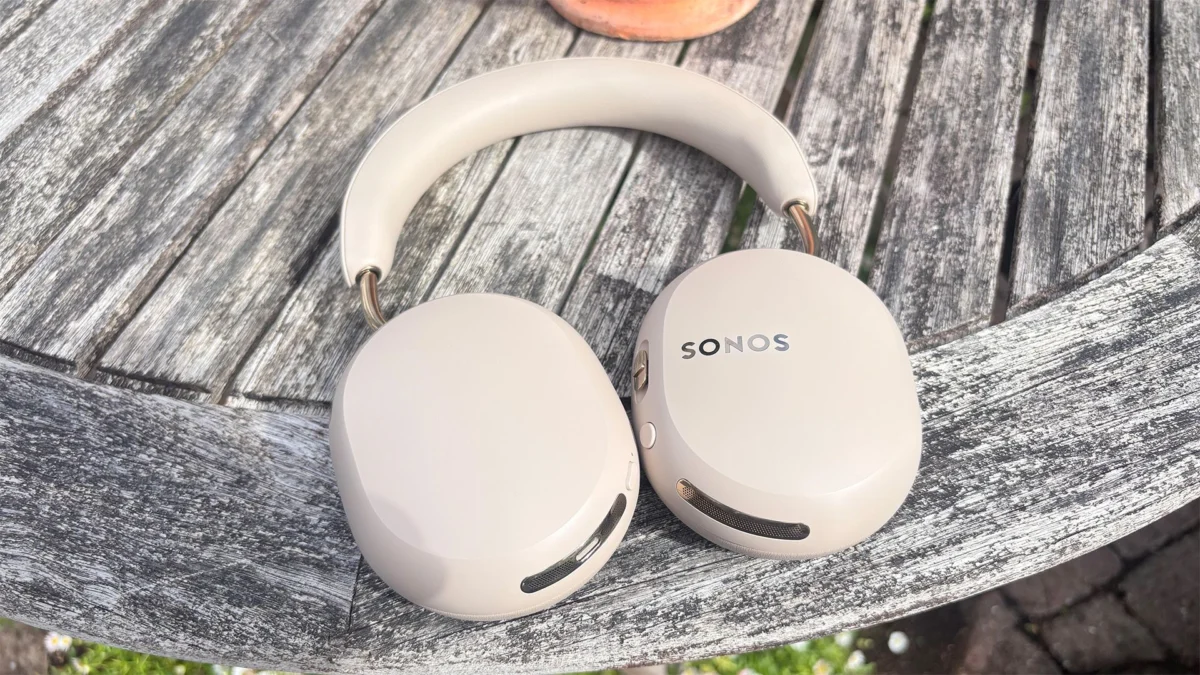
Fast forward to the present, and Sonos has returned to the drawing board with a renewed sense of purpose. The newly unveiled Sonos Ace Ultra represents a dramatic, highly calculated course correction. By addressing the primary shortcomings of its predecessor—most notably expanding sonic depth, refining physical ergonomics, enhancing proprietary ecosystem integration, and debuting at a more aggressive initial price point—Sonos has positioned the Ace Ultra not merely as an iterative update, but as a genuine contender in the premium wireless headphone landscape.
Priced at £399 / $449 / AU$699, the Ace Ultra bypasses the £449 / $449 / AU$699 launch tag of the original Ace. In a fascinating strategic move, Sonos has confirmed that the original model will remain on active sale alongside the Ace Ultra, dropping in price to roughly £299 / $299 / AU$449. This dual-track pricing model allows the company to capture both budget-conscious ecosystem loyalists and uncompromising audiophiles looking for top-tier performance right out of the box.
Chronology: The Evolutionary Path from the First Ace to the Ultra
Understanding the significance of the Sonos Ace Ultra requires a look back at the trajectory of Sonos’s audio engineering initiatives over recent years.
- Early 2024: Sonos launches its maiden voyage into personal headphones with the original Sonos Ace. While praised for its premium vegan leather build and lightweight form factor, the audio profile is widely critiqued by critics as "listenable and inoffensive" but critically lacking in dynamics, spatial width, and raw sonic engagement.
- Late 2024 to 2025: As market realities set in and competitors like Sony and Sennheiser continue to dominate the high-end headphone space with class-leading active noise cancellation (ANC) and rich sound profiles, the original Sonos Ace experiences price reductions to stabilize sales. Meanwhile, Sonos engineers quietly overhaul the acoustic architecture for a next-generation release.
- The Present Launch: Sonos officially debuts the Ace Ultra. Featuring revamped drivers, improved memory foam cushions, upgraded spatial audio calibration, and the highly anticipated ‘headphone linking’ capability, the Ace Ultra arrives to widespread critical acclaim, proving that the company took its initial consumer and reviewer feedback seriously.
Supporting Data: How the Ace Ultra Stacks Up
When evaluating premium over-ear headphones, performance metrics are scrutinized under a microscope. The Ace Ultra enters a crowded arena populated by heavyweights such as the Sony WH-1000XM6 and the Sennheiser HDB 630. Here is how the hardware and pricing stack up:
| Feature / Metric | Original Sonos Ace (2024) | Sonos Ace Ultra (Current) | Sony WH-1000XM6 | Sennheiser HDB 630 |
|---|---|---|---|---|
| Launch Price (UK/US/AU) | £449 / $449 / AU$699 | £399 / $449 / AU$699 | £400 / $450 / AU$699 | £400 / $500 / AU$1000 |
| Acoustic Profile | Safe, simplistic, flat dynamics | Muscular, full-bodied, assertive | Highly detailed, balanced | Superlative clarity and insight |
| Earpad Material | Standard vegan leather | ‘Rebound’ memory foam | Premium protein leather | High-comfort velour/leather blend |
| Ecosystem Integration | Basic TrueCinema tech | TrueCinema + Cross-Product Audio Transfer | Standard Bluetooth pairing | Standard Bluetooth pairing |
Sound Quality: Breaking Free from the "Safe" Mold
The most critical battleground for any pair of headphones is acoustic fidelity. The original Sonos Ace stumbled here, offering a clean yet ultimately timid presentation that left listeners wanting more punch and separation.
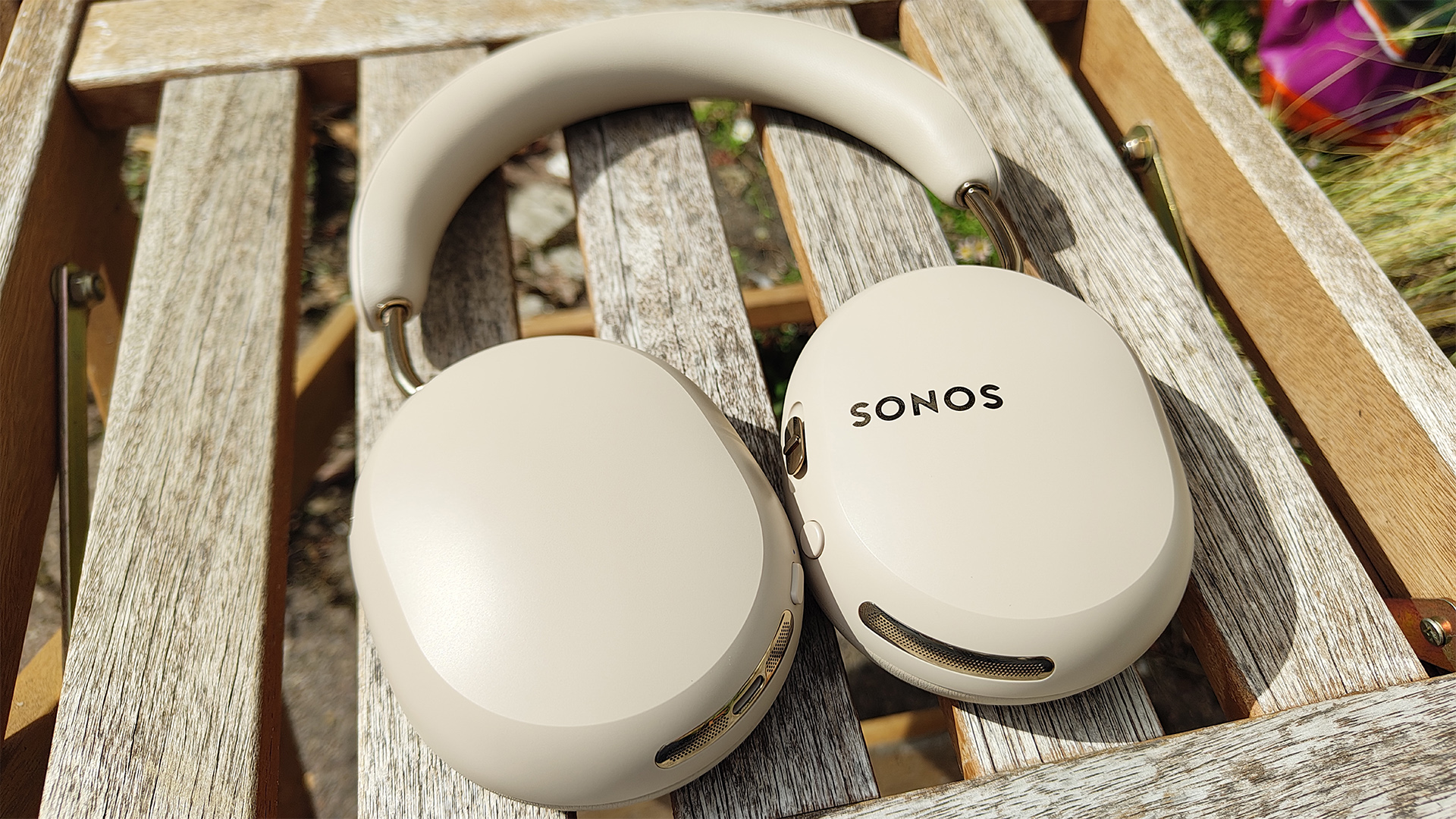
The Ace Ultra completely flips the script. While it may not yet dethrone the absolute kings of dynamics like the Sony WH-1000XM6 or Sennheiser HDB 630, the Ace Ultra delivers a rich, full-bodied, and remarkably assertive sound signature. Complex tracks are rendered with greater muscularity and confidence. The low-end possesses deeper authority without bleeding into the mid-range, while highs retain crispness without tipping into harshness. It is a bold sonic evolution that shows Sonos understands what high-end listeners demand.
Ergonomics and Comfort
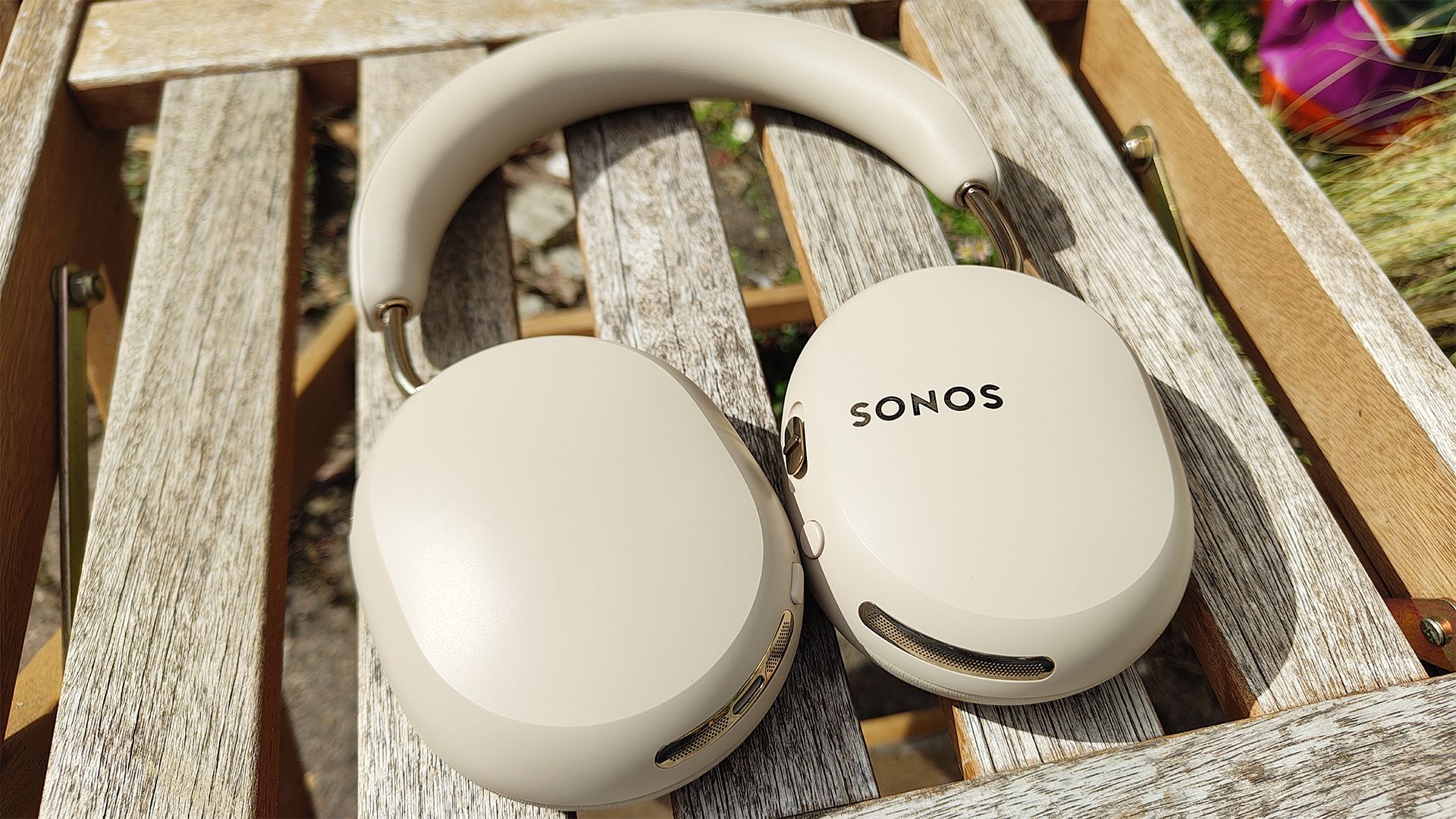
Comfort was rarely a complaint with the original Ace, which benefited from a lightweight and minimalist philosophy. However, the Ace Ultra refines this formula further by introducing new ‘Rebound’ memory foam cushions. Designed to distribute clamping force more evenly while resisting heat retention during marathon listening sessions, these upgraded pads ensure that users can wear the cans for hours on end without experiencing fatigue or warmth buildup.
Official Responses and Ecosystem Integration
Beyond standalone Bluetooth listening, the ace up Sonos’s sleeve has always been its proprietary ecosystem. The Ace Ultra elevates ecosystem synergy to an entirely new level.
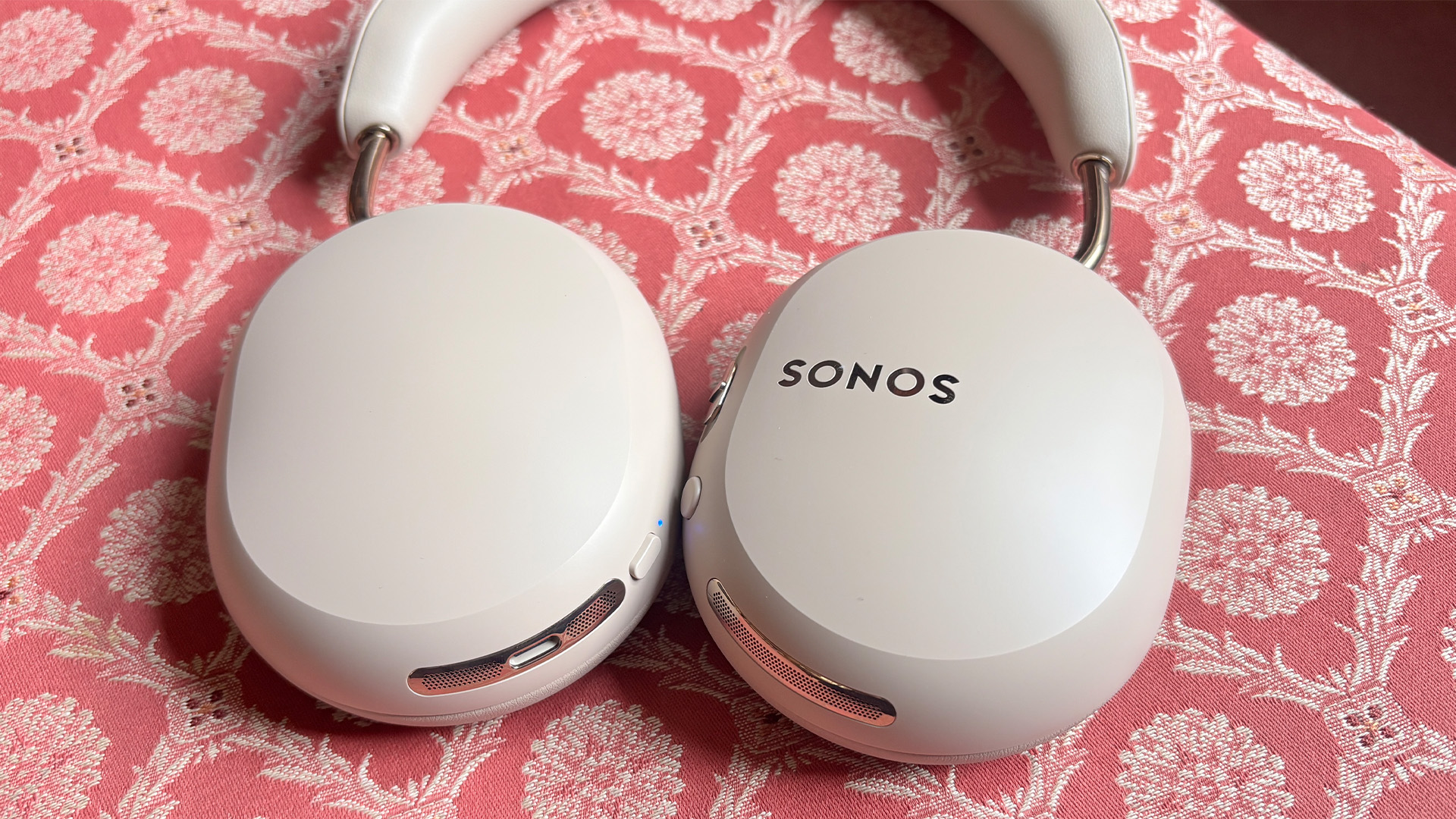
Like its predecessor, the Ace Ultra features Sonos’s TrueCinema calibration technology. By leveraging advanced spatial software, the headphones map and tailor acoustics to mimic your immediate physical environment, externalizing audio away from your head to create a more natural, cinematic speaker-like experience. During testing with cinematic blockbusters like Blade Runner 2049, the TrueCinema tech successfully elevated immersion, giving spatial cues an organic, purposeful weight.
The Magic of Headphone Linking
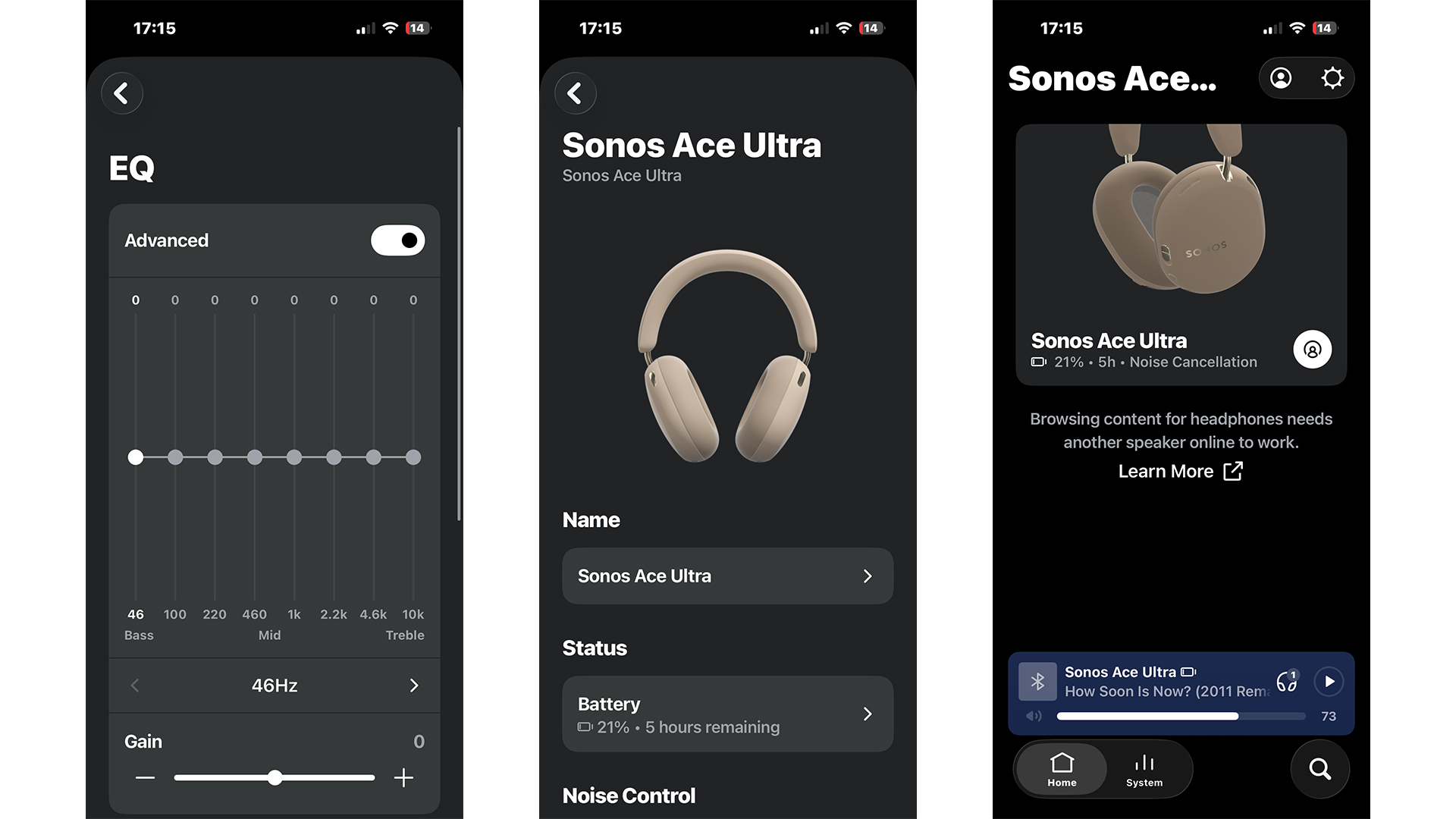
The true crown jewel of the Ace Ultra’s feature set is the newly introduced headphone linking capability. Operating under the modern Sonos 27 operating system, this function allows users to instantly beam audio from compatible home theater hardware and wireless speakers straight to their headphones.
Supported hardware includes current-generation soundbars such as the Sonos Arc Ultra, Beam (Gen 2), Beam Ultra, and Ray, alongside wireless speakers like the Era 100, Era 300, Move 2, and Roam 2.
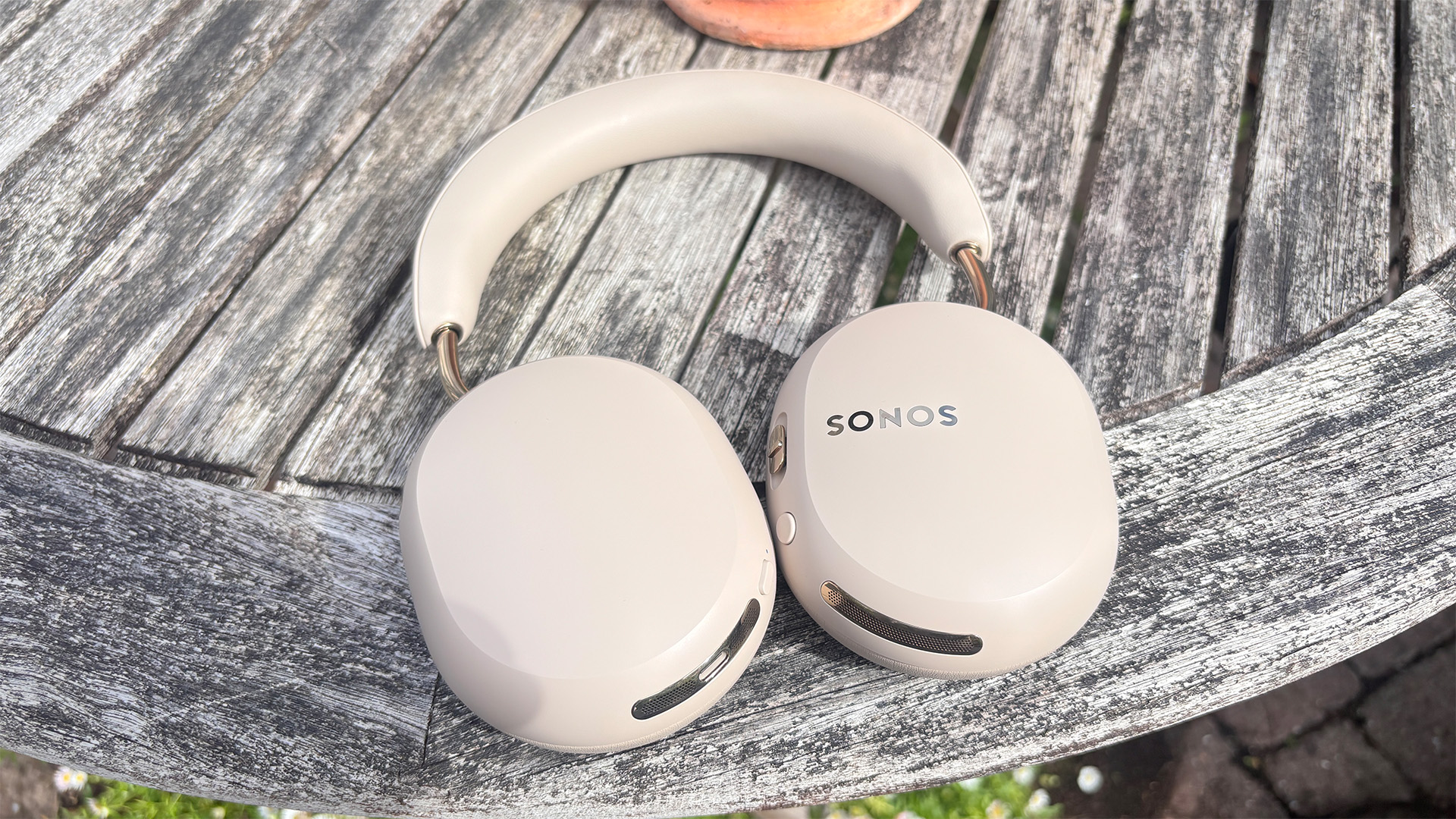
In practical testing, swapping television audio from a Beam (Gen 2) soundbar to the Ace Ultra required nothing more than pressing and holding the headphone’s content key for approximately five seconds. Reversing the process to push audio back to the soundbar was equally seamless.
Implications: What the Ace Ultra Means for the Market and Sonos
The launch of the Sonos Ace Ultra carries profound implications for both the consumer audio market and Sonos as a corporate entity.
1. Rebuilding Consumer Trust
Following a period of software controversies and misfires across its broader product ecosystem, Sonos desperately needed a definitive hardware win. By actively correcting the sonic deficiencies of its first headphones while undercutting typical industry inflation—launching the Ultra at £399 rather than doubling down on the initial £449 price—Sonos has shown humility and agility. It signals to the audio community that the brand listens to constructive criticism and acts upon it swiftly.
2. Redefining Multi-Room Ecosystems
The ability to seamlessly bridge home theater audio to personal listening devices at the touch of a button solves a very real domestic friction point. Late-night movie watching in shared apartments, homes with sleeping children, or properties with thin walls traditionally forced users to choose between disturbing others or dealing with clunky Bluetooth pairing menus. Sonos has effectively weaponized its ecosystem integration, creating a walled garden feature that third-party headphone competitors simply cannot replicate.
3. Raising the Bar for Competitors
Traditional audio giants like Sony, Bose, and Sennheiser have long dominated the standalone wireless headphone market. However, with the Ace Ultra proving that hardware synergy with home entertainment setups is not only possible but brilliantly executed, legacy brands may be forced to rethink how their headphones interact with broader smart home and home theater gear.
Conclusion
The Sonos Ace Ultra is far more than just a minor spec bump. It is a triumphant redemption arc for a company determined to master a new product category. By blending bolder audio performance, elevated plush comfort, aggressive pricing, and unrivaled home theater integration, Sonos has transformed its headphone lineup from an experimental side project into an absolute must-watch in the premium audio space.