Portland, OR – March 15, 2026 – In an unusual confluence of artistic inspiration and audiophile appreciation, the iconic Simon & Garfunkel album, "Bridge Over Troubled Water," has once again captured the imagination, not just of music lovers, but of artists themselves. A recent, vivid dream experienced by a prominent local audiophile and music enthusiast has thrust this timeless record, particularly its highly regarded Mobile Fidelity Sound Lab (MoFi) reissue, into the spotlight, underscoring its enduring legacy and the profound impact it continues to have on listeners across generations. The narrative, born from a surreal encounter with acclaimed singer-songwriter Aimee Mann, highlights the unique power of music to transcend the ordinary and inspire even the most seasoned creatives.
The Genesis of a Sonic Dream: An Unexpected Encounter
The tale that has sparked renewed interest in "Bridge Over Troubled Water" began with a dream of extraordinary detail and uncanny prescience. Shared on March 15, 2026, the account describes a late-night visit from Aimee Mann, a Grammy Award-winning artist renowned for her introspective lyrics and distinctive vocal delivery. In the dream, Mann, who was indeed scheduled to perform in Portland on the preceding Thursday and Friday, reportedly approached the audiophile’s residence with a simple request: to hear a record on what she had heard was a "pretty good stereo."
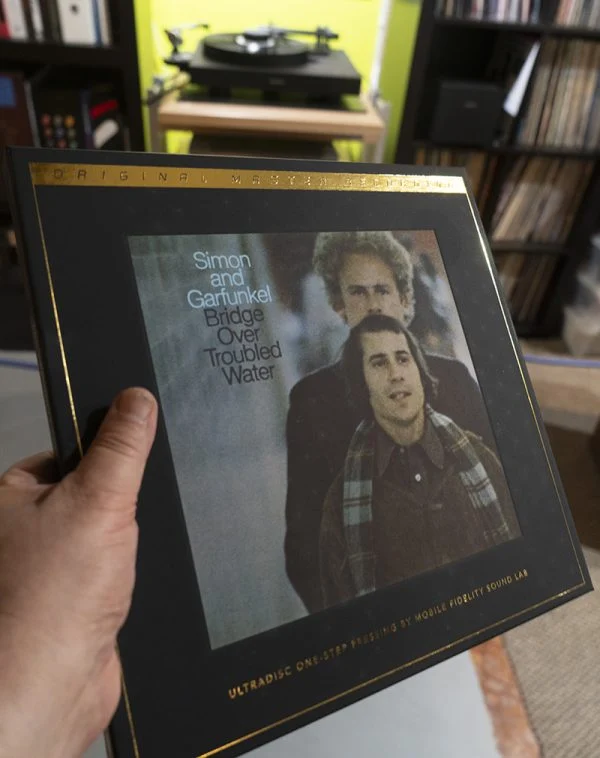
This improbable scenario, a blend of artistic happenstance and a testament to the audiophile’s reputation, quickly escalated. Mann, with her signature deadpan and calm demeanor, expressed a specific desire: to listen to Simon & Garfunkel’s magnum opus, "Bridge Over Troubled Water." Her inquiry, however, was not merely about the music itself, but about its presentation. "Do you have the MoFi version? They did a pretty nice job with two of my records," she is quoted as saying in the dream. This statement not only validates the quality of the MoFi remaster but also reveals a personal connection to the renowned audiophile record label, suggesting Mann’s own appreciation for high-fidelity sound reproduction.
The dream continued with the audiophile ushering Mann into their listening room, where they proceeded to play the MoFi edition of "Bridge Over Troubled Water." The album, presented as a two-record, 45 r.p.m. set – a format known for its superior sound quality and detail – was experienced in its entirety. According to the dream narrative, Mann listened attentively to both sides, offering a simple yet profound assessment: "That sounded really nice. Thank you very much." The dream concluded abruptly as Mann prepared to depart, leaving the audiophile with a lingering sense of wonder and the surreal memory of a shared musical moment with a celebrated artist.
A Chronology of Reverence: The Enduring Appeal of "Bridge Over Troubled Water"
Released in 1970, Simon & Garfunkel’s "Bridge Over Troubled Water" was an immediate and monumental success. The album, their fifth and final studio effort, shattered sales records and garnered widespread critical acclaim, ultimately winning multiple Grammy Awards, including Album of the Year, Record of the Year, and Song of the Year for its title track. Its impact resonated far beyond the charts, establishing itself as a touchstone of 1970s popular music and a testament to the duo’s songwriting prowess and Paul Simon’s lyrical genius, coupled with Art Garfunkel’s ethereal vocal harmonies.
The album’s enduring appeal can be attributed to several factors. Firstly, the thematic depth of the songs, which explore universal themes of love, loss, faith, and resilience, continues to resonate with listeners. The title track, in particular, has become an anthem of comfort and hope, frequently invoked during times of crisis and personal struggle. Secondly, the musical arrangements, helmed by producer Roy Halee, are meticulously crafted, blending folk sensibilities with elements of gospel, rock, and pop. The lush orchestrations and sophisticated production create a rich sonic tapestry that rewards repeated listening.
The advent of high-fidelity audio formats and the rise of audiophile record labels have further contributed to the album’s continued relevance. Mobile Fidelity Sound Lab (MoFi), known for its meticulous remastering process and commitment to sonic excellence, has released several critically acclaimed versions of classic albums. Their reissue of "Bridge Over Troubled Water," particularly the 45 r.p.m. vinyl edition, is lauded for its ability to extract unprecedented detail, clarity, and dynamic range from the original master tapes. This focus on sonic fidelity allows listeners to experience the album as if they were in the studio with Simon & Garfunkel, appreciating the nuances of their performances and the intricate layers of the production.
The dream scenario involving Aimee Mann serves as a modern-day affirmation of this enduring reverence. Mann, an artist known for her own sophisticated musical output and appreciation for sonic quality, choosing to specifically request the MoFi version of "Bridge Over Troubled Water" speaks volumes. It suggests that even artists at the pinnacle of their careers are drawn to the album’s artistic merit and the exceptional quality of its modern reinterpretation. Her comment about MoFi doing "a pretty nice job with two of my records" also hints at a potential future or past collaboration, further blurring the lines between inspiration and reality.
Supporting Data: The Technical Prowess of the MoFi Reissue
The significance of the MoFi "Bridge Over Troubled Water" reissue is rooted in the label’s renowned mastering techniques. Mobile Fidelity Sound Lab has built its reputation on a proprietary process that involves using original analog master tapes and employing state-of-the-art equipment to achieve the highest possible fidelity. For the "Bridge Over Troubled Water" reissue, several key factors contribute to its esteemed status:
- Original Master Tapes: MoFi’s commitment to using the original analog master tapes is paramount. This ensures that the sonic information captured during the original recording sessions is preserved as faithfully as possible, avoiding the generational loss that can occur with subsequent copies.
- 45 r.p.m. Format: The decision to press the album onto 45 r.p.m. LPs is a deliberate choice for audiophile enthusiasts. At 45 r.p.m., each side of a record plays for a shorter duration (approximately 20-25 minutes). This allows for a wider, more dynamic groove, enabling the stylus to track the waveform with greater accuracy and detail. This format typically results in improved transient response, a wider frequency range, and a more impactful sonic presentation compared to the standard 33 1/3 r.p.m. format.
- SuperVinyl™ Material: MoFi often utilizes their proprietary SuperVinyl™ material for their pressings. This advanced compound is designed to reduce surface noise, static, and record wear, contributing to a cleaner playback experience and a longer lifespan for the vinyl.
- Expert Mastering Engineers: The mastering process itself is overseen by highly skilled engineers who possess a deep understanding of analog audio and the sonic characteristics of the original recordings. Their expertise ensures that the remastering process enhances, rather than alters, the inherent qualities of the music.
The technical specifications and the dedication to sonic purity inherent in the MoFi reissue transform "Bridge Over Troubled Water" from a beloved classic into an immersive sonic experience. This meticulous attention to detail is precisely what would appeal to an artist like Aimee Mann, who, like many musicians, likely possesses a keen ear for the nuances of sound reproduction. The dream serves as a compelling, albeit surreal, endorsement of MoFi’s efforts and the enduring power of high-fidelity vinyl.
Official Responses and Industry Reactions
While the narrative of the dream remains a personal account, its sharing has undoubtedly sparked conversations within the audiophile community and among music enthusiasts. Official responses from Mobile Fidelity Sound Lab, while not directly addressing the dream, often highlight their dedication to preserving and enhancing classic recordings. Their press releases and marketing materials consistently emphasize their rigorous remastering process and the sonic benefits of their various formats.
The music industry, which has seen a resurgence in vinyl sales in recent years, is keenly aware of the enduring appeal of classic albums and the growing demand for high-quality reissues. Labels like MoFi play a crucial role in this landscape, catering to a discerning audience that values sonic fidelity as much as the music itself. The dream serves as a unique, anecdotal piece of evidence for the cultural and artistic significance of both the album and its premium reinterpretation.
Discussions within online forums and social media dedicated to audiophile interests are likely to be abuzz with the story. Enthusiasts will draw parallels to their own experiences with the MoFi reissue, sharing their appreciation for its clarity, depth, and faithfulness to the original recordings. The dream also subtly validates the idea that artists themselves are often deeply invested in the quality of sound reproduction, even if their public pronouncements focus more on creative output.
Implications: The Symbiotic Relationship Between Artist, Album, and Audiophile
The dream involving Aimee Mann and "Bridge Over Troubled Water" carries several profound implications regarding the symbiotic relationship between artists, their iconic albums, and the audiophile community.
Firstly, it underscores the timeless nature of truly great music. "Bridge Over Troubled Water," over half a century after its release, continues to evoke powerful emotions and inspire creative minds. Its themes and melodies possess a universal resonance that transcends fleeting trends. The fact that a contemporary artist of Mann’s caliber would seek out a specific, high-fidelity version of the album speaks to its continued artistic relevance and its ability to connect with new generations of musicians.
Secondly, the dream highlights the critical role of audiophile reissues in preserving and elevating the legacy of classic recordings. MoFi’s meticulous approach to remastering allows listeners to experience these albums with a level of detail and nuance that may have been previously inaccessible. This dedication to sonic excellence not only appeals to dedicated audiophiles but also provides artists with a renewed appreciation for their own work, potentially sparking new creative endeavors or reinforcing their understanding of their artistic vision.
Thirdly, the narrative blurs the lines between imagination and reality, serving as a potent reminder of the power of music to permeate our consciousness. The vividness of the dream, coupled with Aimee Mann’s actual presence in Portland and her known appreciation for sound quality, lends an almost mystical quality to the event. It suggests that the desire for exceptional sonic experiences is not confined to the realm of passive listening but can actively inspire and influence artistic thought.
Finally, the story reinforces the idea that the appreciation for music is a multifaceted experience. It encompasses not only the emotional and lyrical content but also the technical execution and the fidelity of its reproduction. The dream, in its own peculiar way, celebrates all these facets, bringing together an iconic album, a celebrated artist, and a dedicated audiophile in a shared moment of profound musical appreciation. As the audiophile community continues to grow and the demand for high-quality vinyl persists, stories like this serve as a testament to the enduring magic of music and the passion it ignites in all who encounter it.