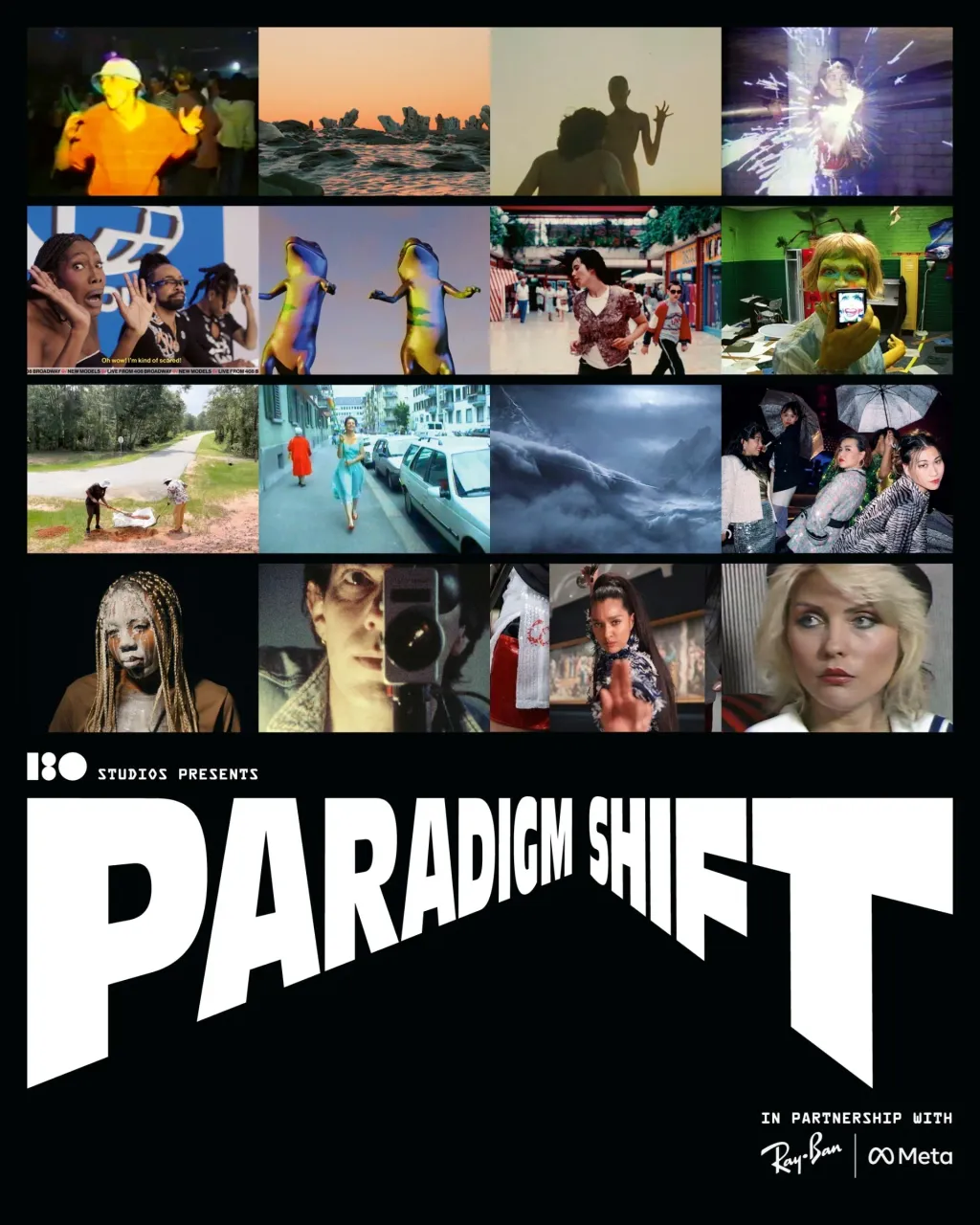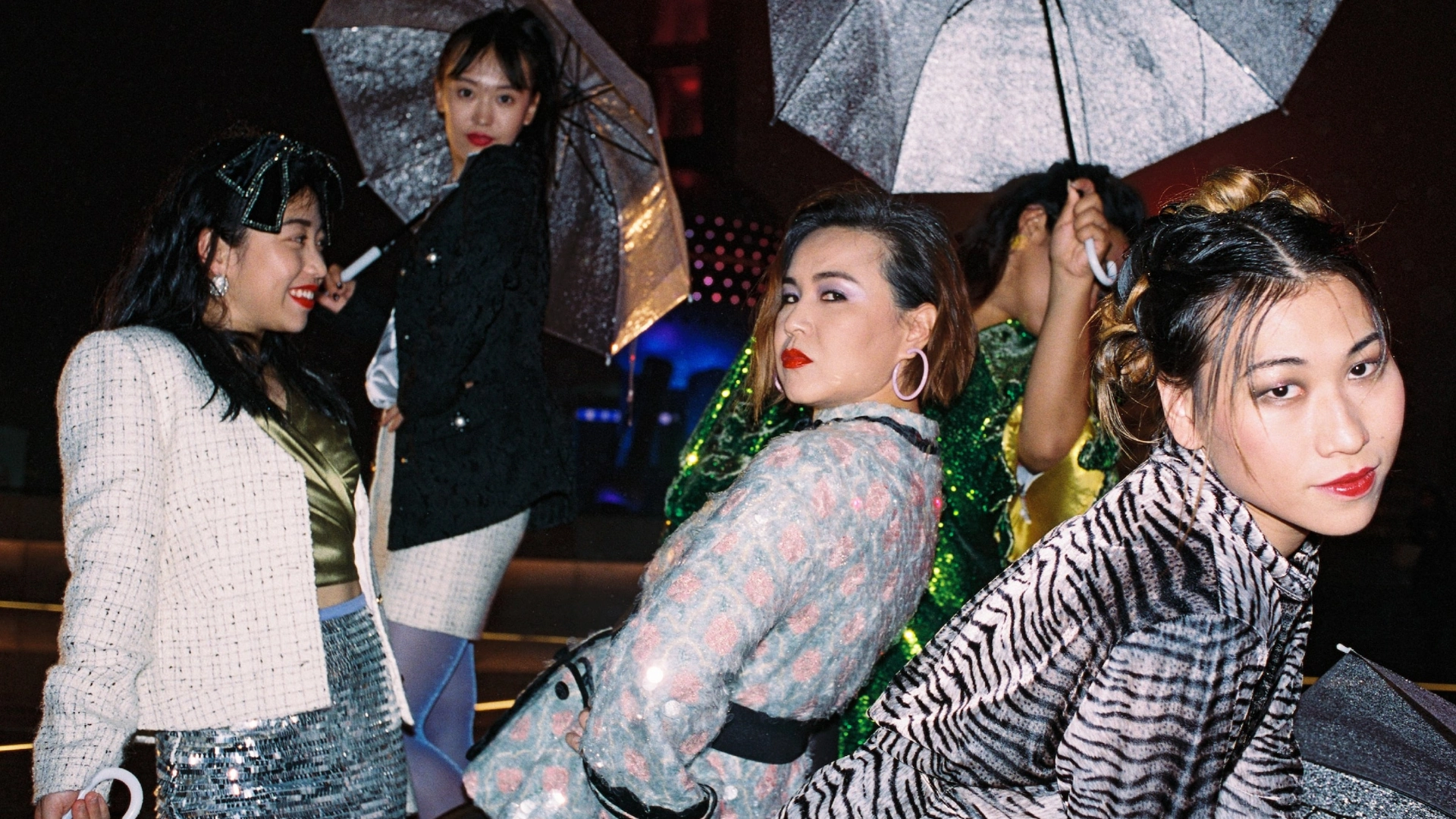
London’s cultural landscape is set for a seismic transformation this autumn as 180 Studios unveils Paradigm Shift, a sweeping, ambitious exhibition that interrogates the evolution of moving image culture. Spanning from the experimental fringes of the 1970s to the hyper-connected digital realities of the present day, the exhibition serves as a sensory archive of how artists have harnessed technology to rebel against, document, and redefine the status quo.
Opening on Wednesday, 15 October 2025, and running until 1 February 2026, Paradigm Shift occupies the vast, subterranean architectural labyrinth of 180 The Strand. It is not merely an exhibition but a sprawling narrative on the power of the screen, weaving together the aesthetics of avant-garde cinema, television, music video, high fashion, gaming, and the fragmented vernacular of internet culture.
The Core Narrative: A History of Technological Rebellion
At its heart, Paradigm Shift is a study of the artist as an insurgent. The curators—Mark Wadhwa and Dazed co-founder Jefferson Hack—have assembled a staggering roster of talent, ranging from the titans of 20th-century art to the pioneers of the digital age.
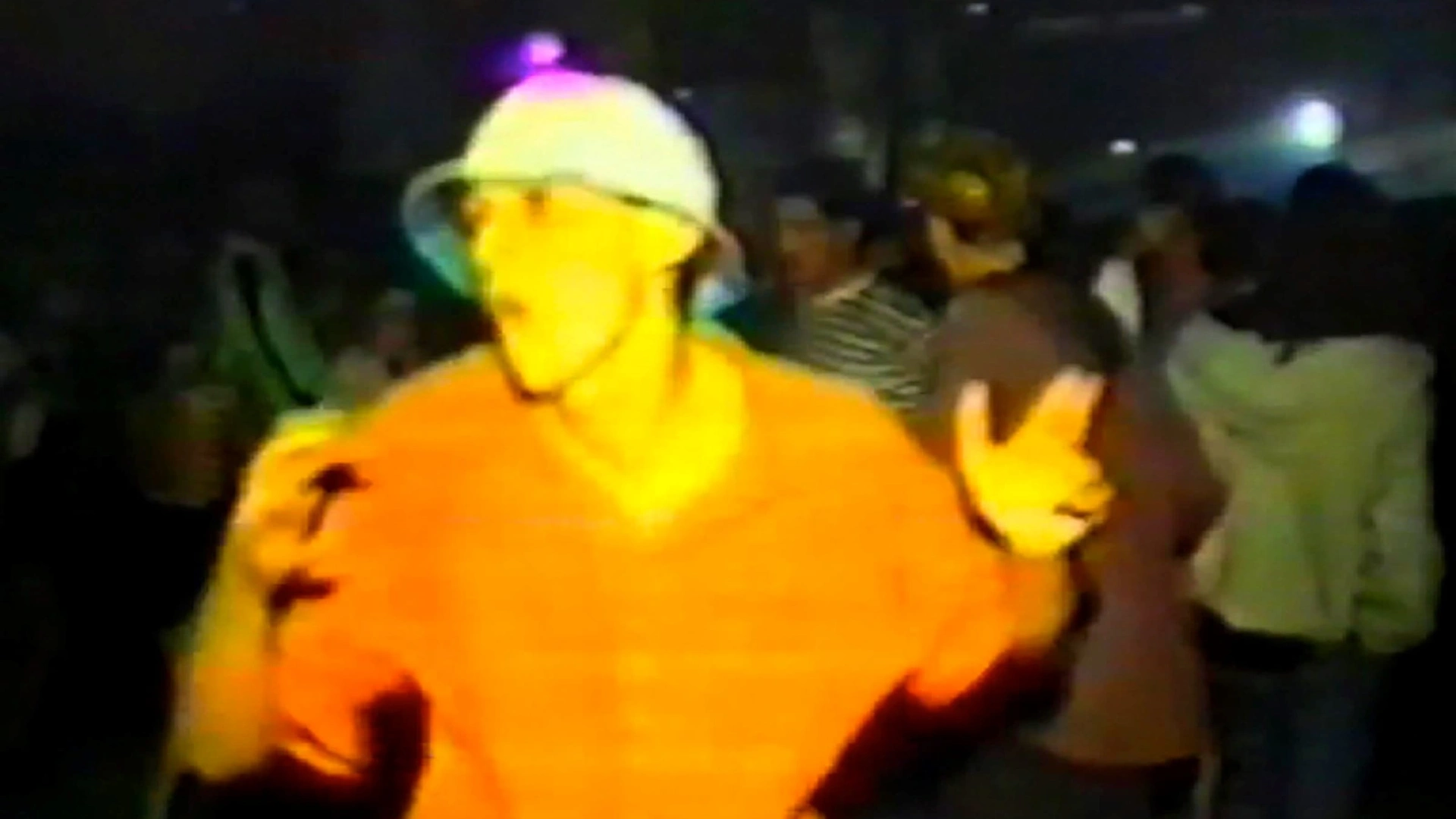
The exhibition positions the moving image not as a static medium, but as a fluid tool for resistance. Whether it is Andy Warhol’s early explorations of the mundane and the performative, or the visceral, rhythmic collage of Mark Leckey’s 1999 masterpiece Fiorucci Made Me Hardcore, the works on display demonstrate how creators have historically leveraged the accessible technology of their time—be it Super 8, VHS, or high-definition digital streams—to bypass traditional gatekeepers.
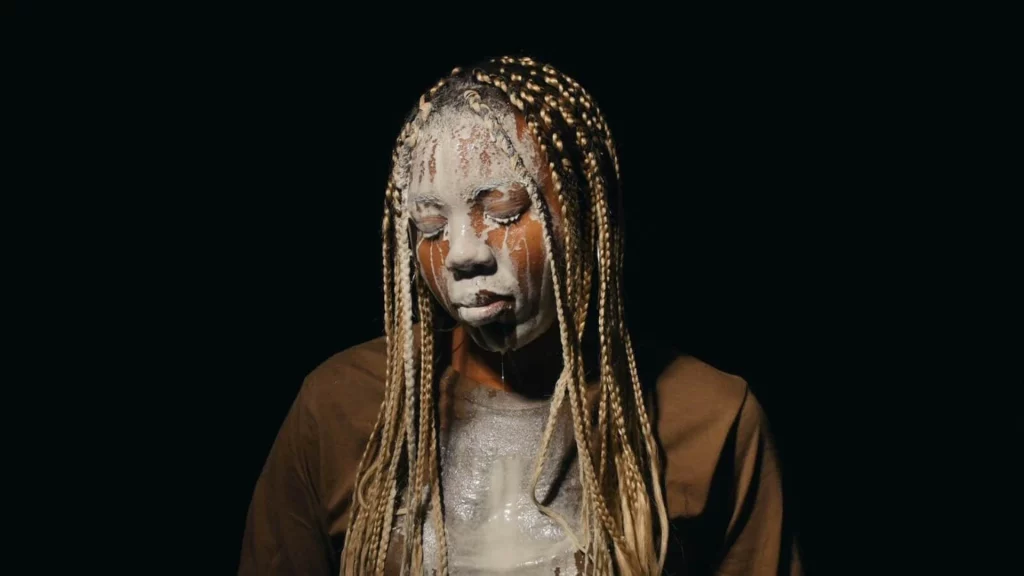
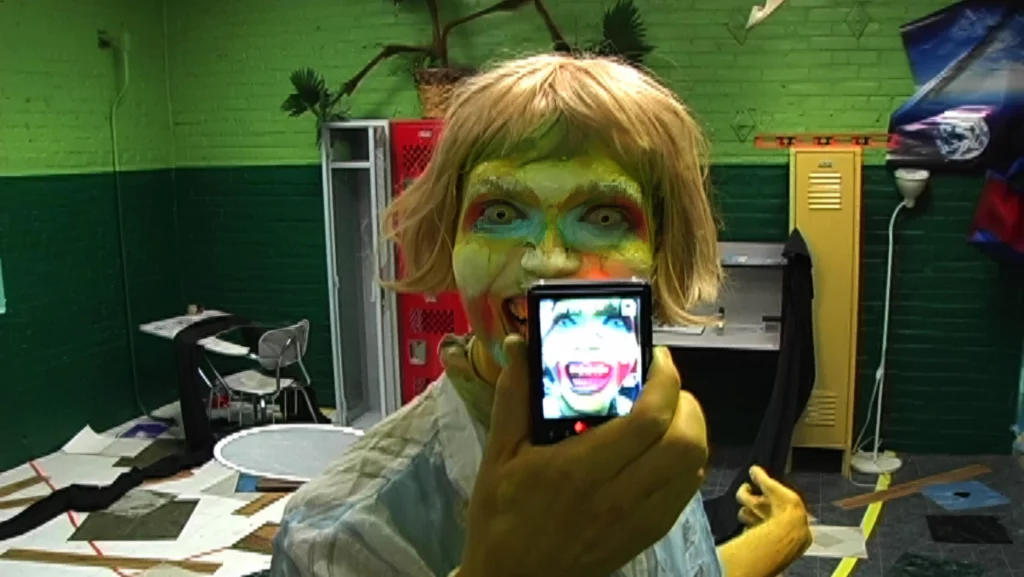
The list of participating artists reads like a definitive syllabus of modern cultural influence: Sophia Al-Maria, Meriem Bennani, Dara Birnbaum, Foday Dumbuya, Cao Fei, Tremaine Emory, Nan Goldin, Arthur Jafa, Derek Jarman, Julianknxx, Joséfa Ntjam, Pipilotti Rist, Martine Syms, TELFAR, Ryan Trecartin, and Gillian Wearing. By placing historical icons alongside contemporary visionaries, the exhibition highlights a lineage of visual storytelling that refuses to be constrained by genre.
Chronology of the Image: From Analog Roots to Digital Flux
The trajectory of Paradigm Shift mirrors the evolution of society itself. To understand the current landscape of digital overload, the curators invite visitors to traverse the decades:
The 1970s and 80s: The Analog Revolution
The exhibition begins by revisiting the era when personal access to recording technology first began to democratize the image. During this period, the democratization of video art allowed artists to step outside the white cube of the gallery and engage with the grit of reality. This section focuses on the raw, often political, nature of early video, where the screen became a site for identity construction and social critique.
The 1990s and 2000s: The Cultural Mash-up
As we move into the 90s, the influence of music video culture and the early internet begins to permeate the work. Mark Leckey’s Fiorucci Made Me Hardcore serves as a focal point here, capturing the intense, collective euphoria of British youth subcultures. It is a period defined by the acceleration of media consumption, where television and film began to feed back into the artistic consciousness.
The Present Day: The Digital Hyper-Connected Reality
The final phase of the exhibition addresses the contemporary moment. Here, the boundary between the viewer and the viewed has vanished. With the integration of gaming culture and the infinite scroll of the internet, the artists featured—such as Martine Syms and Cao Fei—examine the psychological toll and the creative potential of living in a world where the "moving image" is the primary language of human communication.
Supporting Data: The Convergence of Mediums
Paradigm Shift is as much about the delivery of the art as it is about the content itself. The exhibition utilizes the unique spatial design of 180 Studios to facilitate an immersive experience.
- Commissioned Works: A significant portion of the exhibition features new, site-specific commissions by 180 Studios, designed to engage with the architecture of the space.
- Multimedia Integration: The show features a hybrid of formats, including high-definition projection, LED arrays, and vintage CRT monitors, creating a tangible timeline of display technology.
- Cultural Scope: By including figures from the worlds of fashion (TELFAR, Foday Dumbuya) and gaming, the exhibition acknowledges that the most significant "shifts" in moving image culture often occur at the intersection of commerce, technology, and art.
Official Perspectives: Reflections from the Curators
Jefferson Hack, whose editorial career at Dazed has been defined by his commitment to counter-culture, views this exhibition as a necessary intervention.
"From the Super 8 and VHS revolutions of the 1970s and 80s to the digital hyper-connectivity of our present moment, video art and moving image have always operated at a crossroads," Hack noted in a recent statement. "They exist between high and low culture, the visceral and the conceptual, the personal and the political. In Paradigm Shift, we see how great artists inspire us to engage with storytelling through screens differently. The goal is for us to feel more, imagine more, and ultimately, recover our senses in an age of digital numbness."
This sentiment is echoed by the decision to partner with Ray-Ban Meta for the exhibition, a move that suggests a forward-looking curiosity about how wearable technology and augmented reality will further change the way we record and perceive our own lives.
Implications: The Future of the Moving Image
What does Paradigm Shift tell us about the future of human visuality? By framing the history of the moving image as a series of "rebellions," the exhibition forces the audience to confront the reality that we are no longer just consumers of images—we are participants in a constant, global feedback loop.
1. The Death of the Passive Viewer
The exhibition suggests that the era of passive consumption is effectively over. Modern artists like Ryan Trecartin, whose work is often characterized by its frenetic, disorienting editing, force the viewer to recalibrate their attention span. This is a direct response to the "gaming" logic of the modern internet, where the viewer must constantly navigate, choose, and synthesize information.
2. The Persistence of the Personal
Despite the technological advancements—from bulky analog cameras to AI-assisted generation—the core of the work remains intensely personal. Whether it is Nan Goldin’s unflinching documentation of community and loss or Arthur Jafa’s deep-dive into the complexities of Black identity, the "paradigm shift" is not just about the gear; it is about the vulnerability of the human gaze.
3. The Institutionalization of Subversion
Perhaps the most interesting implication of Paradigm Shift is the act of bringing these avant-garde, often anti-establishment works into the hallowed, professionalized halls of 180 Studios. It raises a pertinent question: when the "rebellion" is curated, is it still a rebellion? The exhibition succeeds because it doesn’t try to answer this; it simply allows the works to speak for themselves, leaving the visitor to grapple with the tension between the radical roots of the art and its current status as a cultural commodity.
Conclusion: A Must-See Cultural Landmark
Paradigm Shift is more than just a retrospective; it is a vital, breathing organism that reflects the chaotic, beautiful, and sometimes overwhelming nature of our visual age. For anyone interested in the intersection of art, technology, and society, the subterranean halls of 180 The Strand will be the center of the cultural world for the next several months.
Tickets are currently available via the official 180 Studios website. With the exhibition running through the winter months until February 2026, it offers a necessary, warm, and highly stimulating escape into the history and future of the screen.
Exhibition Details:
- Paradigm Shift: New Dimensions in Moving Image
- Partnership: In partnership with Ray-Ban Meta
- Location: 180 Studios, 180 The Strand, London, WC2R 1EA
- Dates: 15 October 2025 – 1 February 2026
- Opening Hours: 12pm–7pm, Wednesday – Sunday