New York City – The vibrant rhythm of New York City’s autumn concert season has been abruptly silenced. On Friday, September 25, 2026, two of the city’s most anticipated musical gatherings—the All Things Go Music Festival and the annual Global Citizen Festival—announced the total cancellation of their upcoming weekend schedules. The decision, spurred by an intensifying nor’easter bearing down on the Eastern Seaboard, has left tens of thousands of ticket holders disappointed and city officials scrambling to prepare for potentially hazardous weather conditions.
The Impending Storm: A City on High Alert
The cancellations arrive at the tail end of a week characterized by mounting anxiety over a severe weather system. Meteorologists and local officials have tracked a nor’easter—a cyclonic storm system known for producing high-velocity winds, heavy precipitation, and significant coastal flooding—that is projected to impact the New York metropolitan area through Sunday.
Mayor Zohran Mamdani, in a series of urgent briefings throughout the week, shifted the city’s posture from one of cautious observation to active emergency preparation. On Wednesday, the Mayor’s office issued initial warnings regarding gusty winds and high-tide flooding. However, by Friday morning, the narrative had darkened. In a statement posted to social media, Mayor Mamdani confirmed that the storm’s trajectory had drifted closer to the city, promising heavier rainfall and more aggressive winds than initial models had suggested.
The warning to the public was stark: “If you live near the coast, move your car to higher ground or away from streets that regularly flood. Secure loose outdoor items, including furniture and garbage containers, that could be picked up by strong winds.”
Chronology of a Tough Decision
The decision-making process for both festivals unfolded in rapid succession throughout Friday morning as the severity of the weather reports became undeniable.
- Wednesday, Sept 23: Mayor Mamdani issues an initial advisory regarding the potential for a nor’easter, warning of rain and gusty conditions.
- Thursday, Sept 24: Organizers for both All Things Go and Global Citizen hold internal emergency meetings with city agencies, including the New York City Department of Parks and Recreation, to evaluate the safety of their respective venues.
- Friday, Sept 25, 9:00 AM: Forecast models confirm a shift in the storm’s track, significantly increasing the probability of dangerous conditions in Manhattan and Queens.
- Friday, Sept 25, 11:00 AM: Global Citizen officially announces the cancellation of their event on the Great Lawn, marking the first such cancellation in the festival’s 14-year history.
- Friday, Sept 25, 1:00 PM: All Things Go releases a statement citing "severe weather conditions," including high winds, as the cause for canceling their three-day run at Forest Hills Stadium.
Global Citizen: A Historic First
For the organizers of the Global Citizen Festival, the decision was particularly painful. The event, which uses the power of music to mobilize action against poverty and global inequality, has long been a fixture of New York’s cultural calendar.
"This is the first time in 14 years we’ve had to cancel," the organization noted in a somber official release. The logistics of the festival, which takes place on the open, vulnerable terrain of the Great Lawn in Central Park, made it uniquely susceptible to the incoming weather. The organization cited not only the safety of the massive crowds expected to attend but also the impossibility of managing the immense amount of technical equipment—stages, sound systems, and lighting rigs—in the face of predicted gale-force winds.

The lineup, which included heavy hitters such as Lauren Hill, Wyclef Jean, the breakout artist Shaboozey, global superstars TOMORROW X TOGETHER, and music icon Alicia Keys, was set to be one of the highlights of the year. The loss of the event is a significant blow to the advocacy groups that rely on the festival’s momentum to drive policy and funding changes.
All Things Go: Forest Hills Stadium Silence
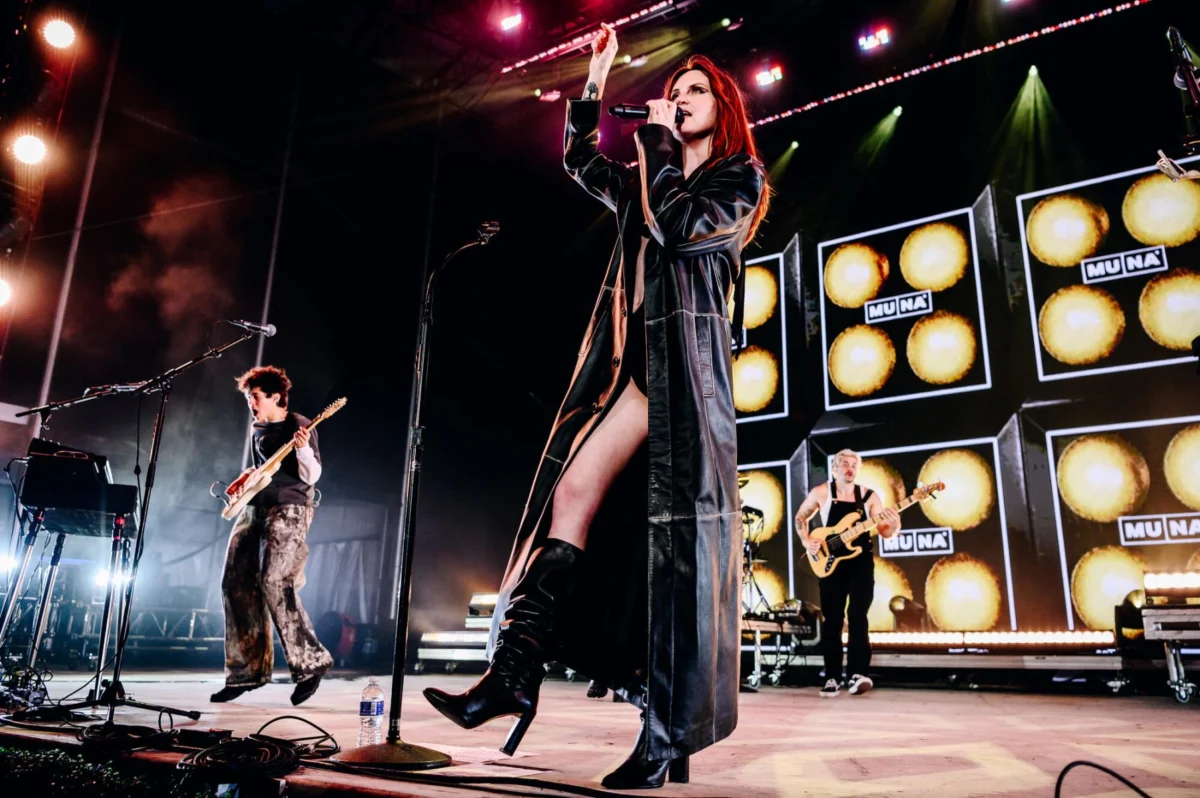
Simultaneously, the mood at the historic Forest Hills Stadium—where MUNA had been slated to perform—turned to disappointment. The three-day event, known for its curated indie-pop aesthetic and loyal fanbase, was expected to draw thousands of attendees from across the country.
The festival’s management issued a heartfelt statement via Instagram: “After consultation with local officials, Forest Hills Stadium, and trusted weather advisors, we have made the difficult decision to cancel All Things Go NYC on September 25, 26, and 27… We don’t really know how to put into words how heartbroken we are.”
The list of performers scheduled for the three-day extravaganza was extensive, featuring acts like Zara Larsson, Hayley Williams, Mitski, and Lola Young. The cancellation not only impacts the fans who had traveled to the city but also the local crew, vendors, and hospitality workers who rely on the massive influx of festival-goers to sustain the local economy during the late-summer season.
Supporting Data: The Logistics of Safety
The decision to cancel massive public gatherings is governed by a strict set of protocols dictated by the City of New York. When wind speeds are predicted to exceed specific thresholds—typically sustained winds of 35–40 mph or gusts exceeding 50 mph—the risk to temporary structures becomes a primary liability.
In the case of this nor’easter, the "wind tunnel" effect often created by the dense architecture of the city, combined with the open exposure of the Great Lawn, created a "no-go" scenario for event safety officers. Furthermore, the saturated ground from days of expected rain would have made the movement of heavy production equipment both dangerous and damaging to public parkland.
Both festivals have confirmed that the financial impact on attendees will be mitigated by automatic, full-ticket refunds. This process, while standard, represents a logistical undertaking of significant proportions, involving millions of dollars in transaction reversals and communication with third-party ticketing platforms.

Implications for the Industry
The cancellation of two major festivals in a single weekend serves as a stark reminder of the increasing volatility of the climate and its impact on the live music industry. As festivals become more ambitious, requiring more elaborate staging and longer run times, they are increasingly vulnerable to the "new normal" of extreme weather events.
Economic Repercussions
The economic ripple effect of these cancellations is substantial. Beyond the ticket sales, New York City stands to lose millions in hotel bookings, restaurant revenue, and transit usage. For small businesses in Forest Hills and around Central Park, this weekend was expected to be a peak period. The cancellation forces an abrupt shift in the local economic forecast.
The Future of "Outdoor" Events
Organizers are now facing a period of intense reflection. How does the industry adapt to a future where "severe weather" is no longer an anomaly but a seasonal expectation? Some experts suggest that we may see a shift toward more permanent, weather-resistant venues, or a move toward "hybrid" festival models that incorporate robust digital streaming elements to ensure that, even if the crowd cannot gather, the show can still reach an audience.
The Psychological Toll on the Community
Beyond the numbers, there is the palpable sense of loss for the fans. For many, these festivals are not just concert experiences but communal rites of passage. The heartbreak expressed by the organizers on social media resonates with a community that has spent months planning, traveling, and anticipating these specific moments of shared connection.
Conclusion: Safety Above All
While the disappointment is palpable, city officials and event organizers are firm in their stance: safety cannot be negotiated. The threat of a nor’easter in a city as dense as New York is a multifaceted danger, encompassing not just the events themselves, but the safe transit of tens of thousands of people through flooded streets and high-wind environments.
As New Yorkers batten down the hatches and the city enters a quiet, rain-soaked weekend, the empty stages at Forest Hills and the quiet of the Great Lawn stand as a testament to the unpredictable power of nature. In the coming weeks, the industry will undoubtedly begin the conversation about how to better navigate these storms, but for now, the priority remains clear: staying safe, staying informed, and waiting for the skies to clear.