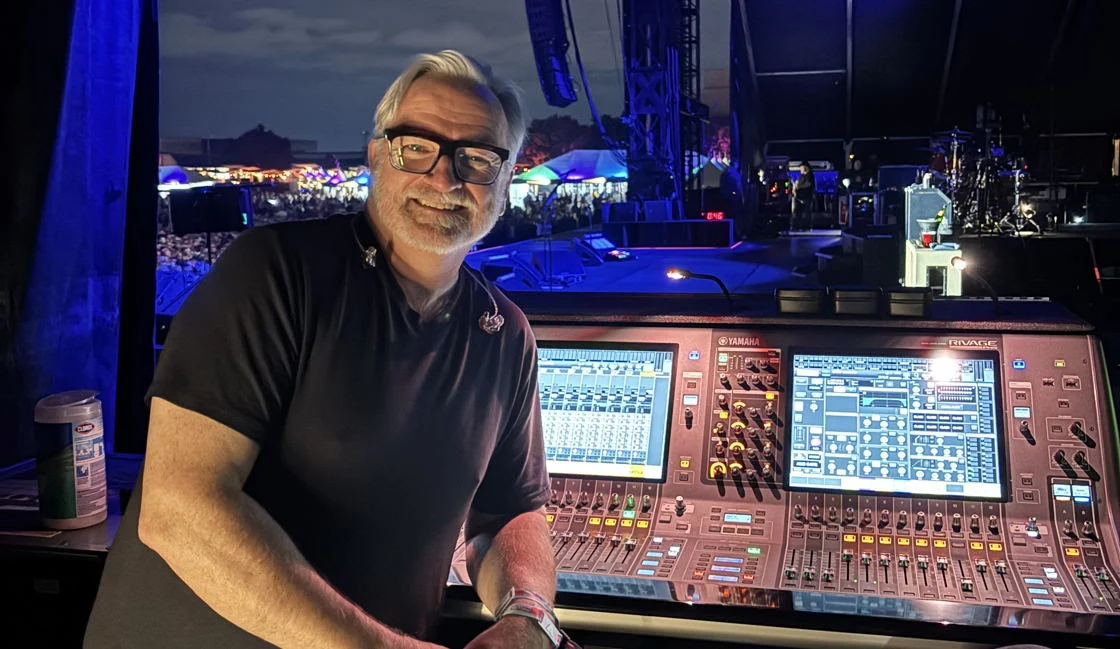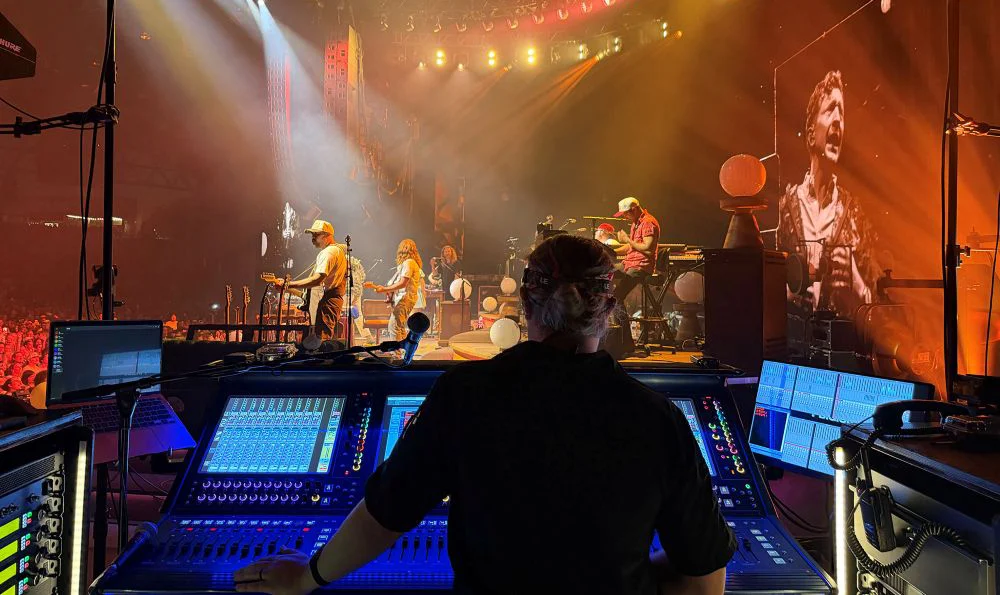
In the high-stakes world of modern touring, where the line between an intimate acoustic performance and a stadium-filling spectacle is often blurred, the role of the monitor engineer has never been more critical. For acclaimed singer-songwriter Tyler Childers and his seven-piece ensemble, The Food Stamps, the Snipe Hunt Tour represents a pinnacle of sonic clarity. At the heart of this complex audio operation is monitor engineer Cory Benson, who is utilizing the DiGiCo Quantum338 console to navigate the intricate landscape of a live stage, ensuring that every nuance of the band’s Americana-infused sound is delivered with pristine precision.
The Foundation: Main Facts of the Production
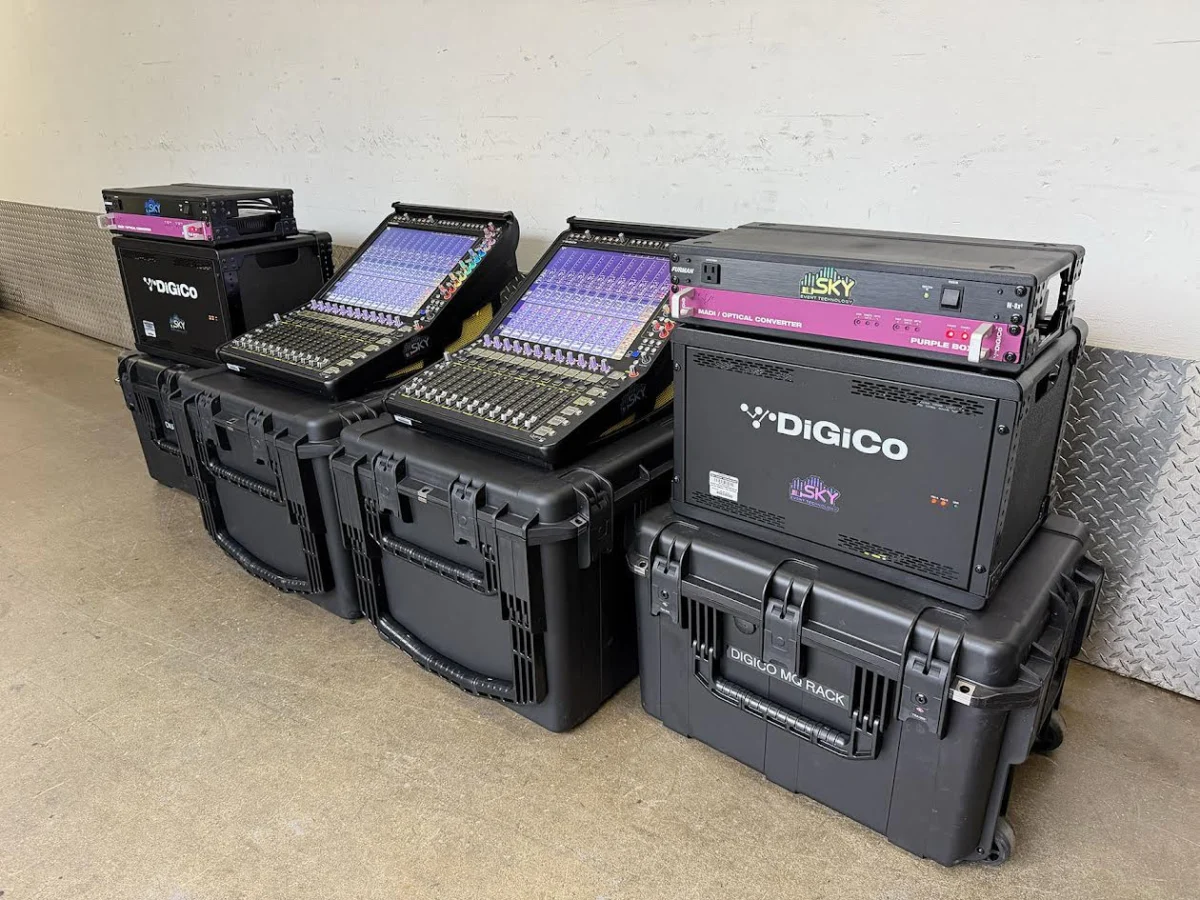
The Snipe Hunt Tour is an ambitious undertaking, requiring a sophisticated audio infrastructure to support an artist whose music thrives on organic instrumentation and dynamic vocal delivery. To manage the massive input list and the demanding output requirements of a full band, the production team turned to Sound Image, a Clair Global brand, to supply a DiGiCo Quantum338 console.
Benson, who has been at the helm of Childers’ monitor mixes for three and a half years—having transitioned into the role during the 2023 Send in the Hounds Tour—notes that the choice of console was not merely aesthetic, though he admits to a fondness for the Quantum338’s striking industrial design. Beneath the surface, the console serves as the nerve center for up to 17 distinct stereo in-ear monitor (IEM) mixes, catering to the artist, the band, backline technicians, VIP guests, and occasional guest performers.
The system configuration is remarkably lean despite its output capacity. By utilizing two SD-Racks equipped with 32-bit mic pres and analog output cards, Benson maintains a high-fidelity signal chain from the stage to the performers’ ears. Furthermore, two DiGiGrid MGBs are integrated into the workflow to bridge MADI signals to a recording computer, ensuring that the magic of every show is captured for archival and potential live-release purposes.

Chronology: From "Send in the Hounds" to the "Snipe Hunt"
The partnership between Benson and the DiGiCo platform has evolved significantly over the past few years. During the wind-down of the Send in the Hounds Tour, Benson began an exhaustive audit of the existing gear. His goal was simple yet challenging: identify bottlenecks in the workflow and optimize the setup for the evolving needs of the band.
"I remember seeing a lot of positive videos and writeups on the DiGiCo Quantum338 and requested one to work with before the next tour prep began," Benson explains. His transition to the Quantum platform was driven by a desire for both practical efficiency and "real-world application."
By the time the Snipe Hunt Tour commenced, Benson had already developed a refined, repeatable workflow. Having successfully deployed the console across various environments—from the humid, dusty outdoor festival circuits to the gale-force winds of the Pacific Northwest and the unique, confined spaces of "underplay" venues like the historic show at Dinosaur World in Kentucky—the desk has proven its road-worthiness. The transition from the previous touring cycle to the current one was characterized by a deeper integration of the console’s advanced processing features, specifically the "Mustard" and "Spice Rack" toolsets, which allowed Benson to move away from external plugins and maintain a more cohesive, "in-the-box" mixing environment.
Technical Deep Dive: Supporting Data and Processing
The effectiveness of the Quantum338 lies in its ability to handle high channel counts while maintaining a streamlined user interface. A standout feature for Benson is the console’s Nodal Processing, which he describes as a "game-changer." In traditional mixing scenarios, an engineer might be forced to duplicate channels across fader banks to accommodate specific mix sends, leading to "fader clutter." With Nodal Processing, Benson can manage individual sends from a single channel, keeping his surface layout clean and his focus entirely on the performers.

Managing the Inputs and Outputs
The complexity of the Snipe Hunt stage setup is significant. With the band playing upstage of the risers, the monitoring requirements are highly specific:
- Band Mixes: Eight stereo IEM mixes for the seven-piece ensemble.
- Technical Support: Five stereo IEM mixes for the backline crew.
- Guest/VIP: Up to four additional stereo mixes for guests.
- Hardwired Backup: A secondary stereo mix for the drummer, Rod.
- The "Feedback Wedge": A dedicated wedge for the guitarist, James, used exclusively for specific solo sections to maintain the desired aesthetic of the performance.
Benson’s processing choices further highlight the console’s power. On Tyler Childers’ vocal channel, he employs the "Naga 6" to manage the extreme dynamic range inherent in Childers’ performances, followed by the "DYN Blue Classic" compressor, which is carefully filtered to catch aggressive peaks in the upper-mids. For the band buses, the same DYN Blue Classic compressors are applied with a higher threshold, acting as a "glue" to unify the sound of the disparate instruments.
The recent V22 software update has also introduced new tools into his repertoire. Benson specifically highlights the "Mustard Levelling Amp—The Silver One," which he now uses on the upright bass, noting that the transparency and musicality of the processing are "killer."
Official Perspectives: The Philosophy of Transparency
When asked about his mixing philosophy, Benson is quick to credit the band for their craft. "These artists work so hard to craft the tones and sounds they want," he says. "The last thing I want to do is affect it. I want the artists to be confident that what they’re hearing in their IEMs is an accurate representation of what their instruments are doing on stage."
This pursuit of sonic transparency is why Benson avoids external plugins whenever possible. He prefers the DiGiCo ecosystem, not just for its stability, but for the "musical and organic" feel of the onboard processing. Whether it’s using the Mustard gates on the toms or relying on the console’s "True Solo" function—a tool he now claims he "couldn’t work without"—the focus remains on removing barriers between the player and the sound.
Implications for the Live Sound Industry
The success of the Snipe Hunt Tour underscores a broader trend in live sound engineering: the shift toward high-powered, compact consoles that offer immense internal processing capabilities without the need for cumbersome external hardware. As tours continue to move through a variety of venue sizes—from small, intimate spaces to massive amphitheaters—the importance of a "road-worthy" build that can withstand environmental extremes cannot be overstated.
Benson’s reliance on the Quantum338 demonstrates that professional monitor engineers are increasingly prioritizing workflow efficiency (via features like Nodal Processing and Macro integration) over sheer channel count. Furthermore, the industry-wide move toward "in-the-box" processing indicates a maturation of digital console software. As platforms like DiGiCo’s continue to release updates like the V22, they are effectively providing engineers with a "studio-grade" rack inside a live console, enabling a higher quality of monitoring than was previously possible without significant external gear.
Ultimately, the Snipe Hunt Tour serves as a case study in how the right technology, when wielded by a skilled engineer, can elevate a performance. By providing Tyler Childers and The Food Stamps with a consistent, transparent, and highly responsive monitor mix, Cory Benson ensures that the music remains the primary focus of every show, night after night, regardless of the venue or the conditions. As the tour continues to traverse the globe, the combination of artistic vision and technical precision remains a testament to the essential role of the monitor engineer in the modern touring ecosystem.