Main Facts: The Launch of the “Distilled” Column
In an era defined by information overload and fleeting attention spans, digital media publications are constantly forced to adapt how they deliver content to their audiences. Today, Distilled proudly announces the official launch of a brand-new, recurring editorial column designed specifically for readers who crave depth and accuracy without the burden of lengthy prose.
The core premise of the Distilled column is simple yet ambitious: to provide comprehensive, high-integrity product overviews within a strict 200-to-300-word limit. This new format arrives as a direct response to reader feedback regarding the traditional product review landscape. While standard, long-form reviews will remain a cornerstone of the publication’s output, Distilled offers a streamlined alternative. It bypasses the industry standard of publishing regurgitated press releases—often little more than marketing copy masquerading as journalism—while sparing readers the time investment required to parse a multi-page evaluation.
Crucially, the launch of Distilled does not signal a retreat from rigorous testing standards. Every piece featured in the column will be underpinned by the same meticulous evaluation processes that define the publication’s full-length reviews. However, the editorial boundaries are strict: there is no room for superfluous blather, unearned pontification, or excessive self-indulgence. The focus remains squarely on the hardware, the design, the performance, and the facts.
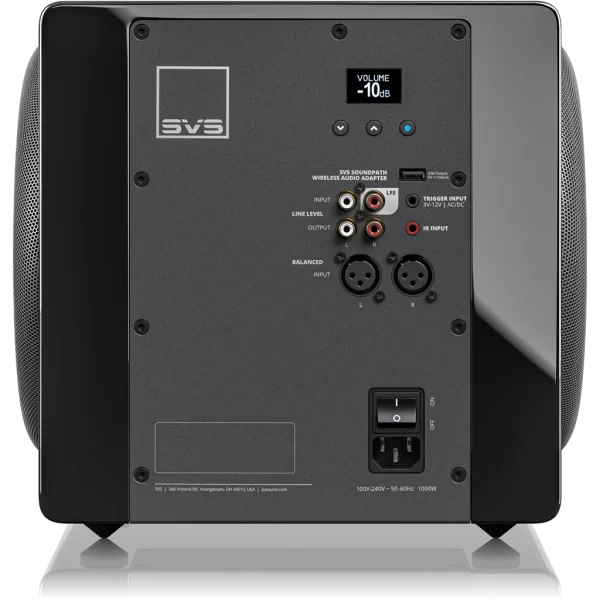
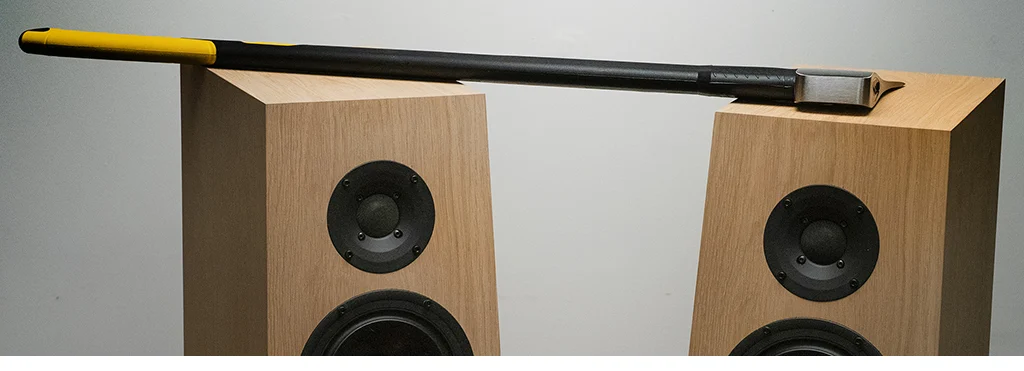
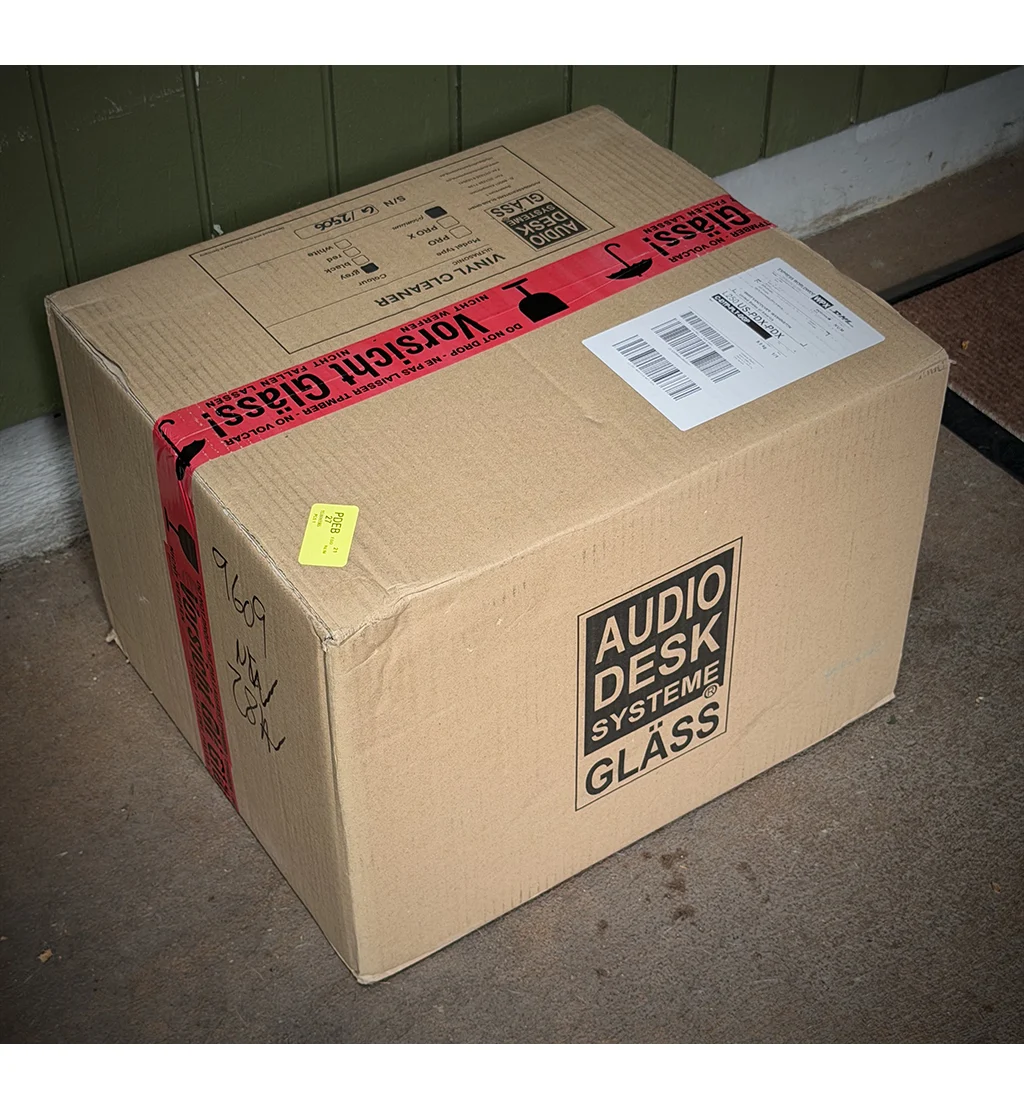
To enhance the reader experience, each Distilled entry will feature high-resolution product photography, direct links to the manufacturer, and, where applicable, direct links to full-length reviews for those who wish to dive deeper. Furthermore, the publication has instituted a strict non-monetization policy regarding purchase links. These hyperlinks are included purely as a reader convenience, completely free of affiliate tracking codes, sponsorships, or commercial bias, ensuring absolute editorial independence.
Chronology: The Evolution Leading to Distilled
To understand the necessity of the Distilled column, one must examine the chronological evolution of online product journalism over the past two decades.
Phase One: The Wild West of Early Blogging (Late 1990s–Early 2000s)
In the early days of consumer technology and lifestyle blogging, publications operated with lean teams and rapid turnaround times. Reviews were often short, punchy, and subjective. While they lacked the rigorous testing methodologies of modern laboratories, they offered an authentic, human voice that resonated with early adopters.
Phase Two: The SEO and Affiliate Boom (2010s)
As the digital publishing landscape matured, the pressure to monetize grew exponentially. Search Engine Optimization (SEO) algorithms began favoring long-form content, leading to the era of the 3,000-word review. Around the same time, affiliate marketing networks became the primary revenue stream for independent publishers. Consequently, reviews began to bloat. Articles were padded with historical context, exhaustive specifications lists copied directly from manufacturer datasheets, and repetitive phrasing designed to capture search engine traffic rather than enlighten the reader.
Phase Three: The Press Release Echo Chamber (Late 2010s–Present)
Concurrently, many outlets began relying heavily on "canned" press releases provided by public relations firms. Under pressure to publish breaking news instantaneously, numerous sites abandoned hands-on testing altogether, publishing manufacturer marketing text under the guise of news or quick-look reviews. This eroded consumer trust and left readers overwhelmed by a sea of superficial, glowing write-ups that failed to critically assess product utility.
Phase Four: The Birth of Distilled (Present Day)
Recognizing this systemic industry fatigue, the editorial team behind Distilled spent the past six months auditing reader engagement metrics, survey responses, and feedback loops. The data was unequivocal: modern consumers are time-poor, skeptical of sponsored content, and frustrated by bloated articles. The conceptualization of Distilled began as an internal experiment in radical editing—stripping away 80% of a standard review’s word count while retaining 100% of its critical value. Following successful beta testing among select subscribers, the column is now officially rolling out as a permanent fixture.
Supporting Data: The Modern Consumer Dilemma
To contextualize the launch of Distilled, industry research and internal publication metrics paint a clear picture of shifting reader habits in the digital media ecosystem.
The Time-Investment Barrier
According to recent media consumption studies, the average reader spends less than four minutes on a digital product review page, yet traditional reviews often demand an estimated reading time of eight to twelve minutes. This discrepancy highlights a fundamental mismatch between how content is produced and how it is consumed.
- Average Attention Span: Continues to contract across all major demographic groups, particularly among working professionals and tech-savvy consumers.
- Scroll Depth Analytics: Internal publication data indicates that while 100% of visitors land on a traditional review page, drop-off rates spike dramatically after the introductory paragraphs, with fewer than 35% of readers ever scrolling down to the final verdict section.
- Search for Authenticity: Over 68% of surveyed consumers express deep skepticism regarding online product evaluations, largely due to perceived conflicts of interest, affiliate link incentives, and overly positive tone bias.
The Anatomy of a Distilled Entry
To maximize efficiency without sacrificing quality, every post within the column adheres to a strict structural blueprint:
| Component | Target Parameter | Purpose |
|---|---|---|
| Word Count | 200–300 words | Forces extreme conciseness and eliminates filler. |
| Visuals | 2–3 high-resolution images | Provides immediate visual context of build quality and design. |
| Tone | Objective, direct, authoritative | Removes ego ("I, Me, Mine") in favor of pure analytical observation. |
| Outbound Links | Manufacturer site & Full review | Empowers further research without trapping the reader. |
| Monetization | 0% Affiliate / 100% Organic | Guarantees zero financial incentive to recommend products. |
Official Responses: Editorial Philosophy and Industry Outlook
The launch of Distilled has generated significant internal discussion regarding the future of digital journalism. Editorial leadership has released comprehensive statements outlining the philosophy, boundaries, and long-term vision of the project.
Statement from the Senior Editorial Board
"We live in an age where every manufacturer has a direct line to the consumer via social media, and every publisher is fighting for scraps of attention using sensationalized headlines and bloated text. Readers are exhausted. They don’t need us to read the spec sheet back to them, and they certainly don’t need a five-paragraph preamble about how a particular gadget reminded us of our childhood.
With Distilled, we are stripping away the noise. We are respecting our readers’ time by delivering the unvarnished truth about a piece of hardware, a software update, or a design choice in the time it takes to drink an espresso. We aren’t abandoning long-form journalism—complex products still demand deep, narrative-driven testing. But for the day-to-day influx of interesting components and releases, Distilled is our promise to get straight to the point."
Addressing the Industry Shift
Industry analysts have noted that the launch of Distilled aligns with a broader micro-trend in digital media: the resurgence of minimalist, reader-funded, and friction-free content consumption. By explicitly rejecting the affiliate-link model for this column, the publication is drawing a sharp line in the sand against pay-for-play journalism.
When asked about the financial viability of non-monetized links, the business development team clarified that Distilled is funded through existing subscription models and general site operations. This structural independence allows the editorial staff to maintain absolute objectivity, ensuring that a product recommendation is driven solely by merit rather than commission rates.
Implications: What Distilled Means for Readers and the Industry
The introduction of this new format carries profound implications, both for the publication’s loyal readership and for the broader landscape of product journalism.
For the Consumer
- Unprecedented Efficiency: Readers can now scan multiple product overviews in the time it traditionally took to read a single review, drastically reducing research fatigue.
- Restored Trust: Because links are unmonetized and personal ego ("I, Me, Mine") is excised from the text, readers can rely on the column as a pure, unfiltered distillation of expert opinion.
- Seamless Navigation: The inclusion of direct pathways to full-length reviews ensures that those who require deep-dive analysis are never more than a single click away from comprehensive testing data.
For the Industry
- Challenging the Status Quo: Distilled serves as a direct critique of the bloated, SEO-driven review model that has dominated the web for over a decade. If successful, it may inspire other publications to reevaluate their word-count padding strategies.
- Re-centering the Product: By forcing writers to focus strictly on components and performance within a 300-word limit, the format strips away marketing spin, holding manufacturers accountable to objective build quality and real-world utility.
- Redefining Value in Media: In an internet saturated with AI-generated listicles and sponsored content, human-curated, hyper-concise journalism demonstrates that editorial brevity is a premium service.
Looking Ahead
As the first wave of Distilled entries goes live, the editorial team welcomes reader engagement, feedback, and suggestions for future components to feature. Standard reviews will continue to anchor the publication’s authority, but Distilled represents a bold, agile step forward into a faster, cleaner future of media consumption. Thank you for reading, and welcome to the next evolution of product journalism.