As the calendar turns to October, the audio-visual landscape transitions into one of its busiest and most anticipated seasons. Following an intense September dedicated to rigorous listening sessions for the annual What Hi-Fi? Awards, the test rooms are humming with activity. Audiophiles and home cinema enthusiasts do not have long to wait: the official 2026 Best Buy winners are set to be announced next Tuesday, October 13th.
Yet, even as the team prepares to crown the finest consumer electronics of the year, the relentless cycle of product evaluation continues unabated. From ultra-luxury Italian floorstanders costing the price of a small car to budget-friendly USB-C earbuds and next-generation multi-room wireless ecosystems, October’s lineup in the test rooms represents the absolute breadth of modern sound engineering.
Main Facts: The October Testing Slate
The What Hi-Fi? editorial team has opened its doors to a diverse array of hardware, spanning several price tiers and technological paradigms. The marquee items currently under scrutiny include:
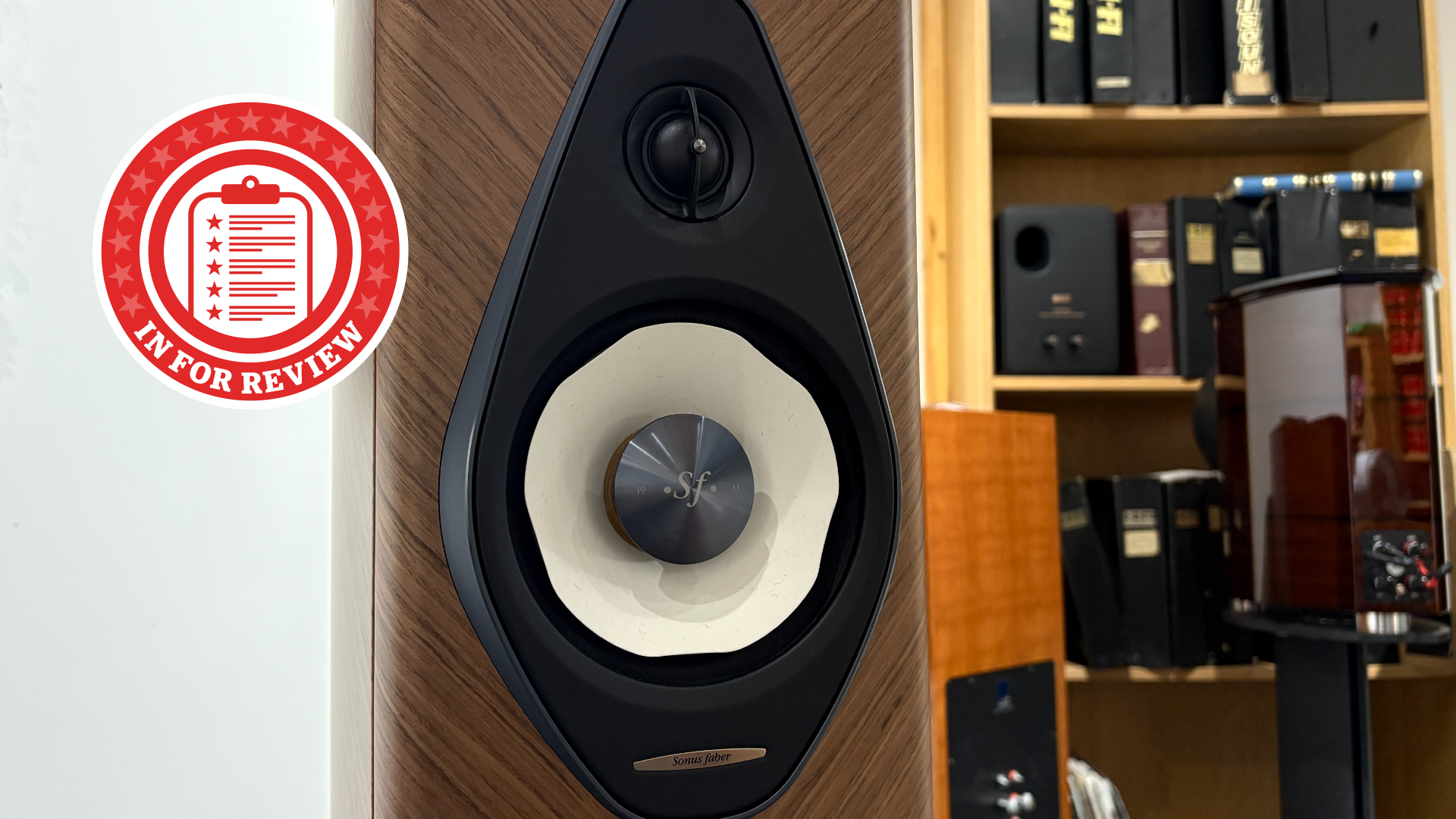
- Sonus Faber Olympica III G3 (£20,000 / $24,000): High-end Italian floorstanders trickling down flagship acoustic technology.
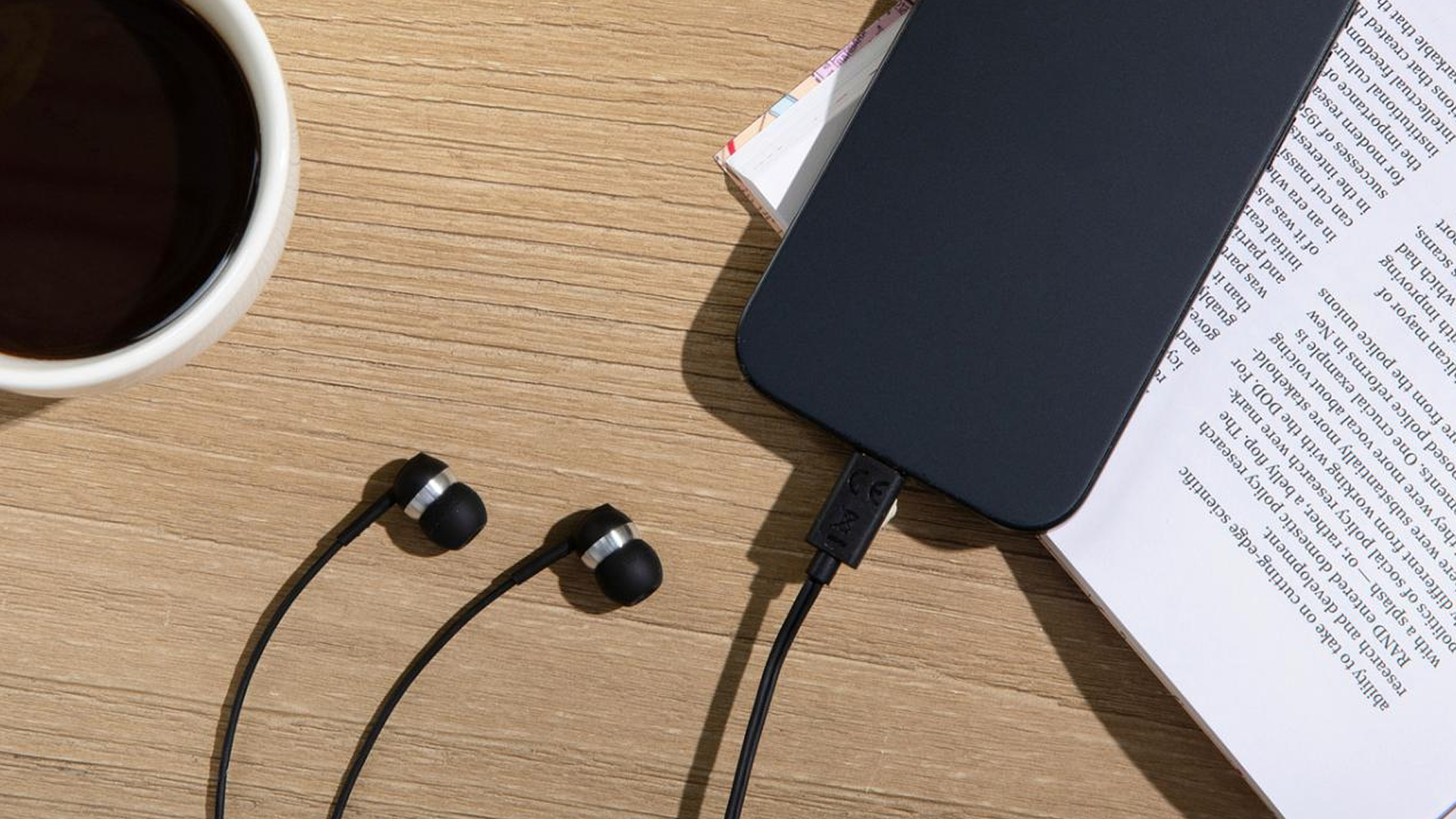
- Sennheiser CX 80U (£35 / $40): Entry-level, wired USB-C in-ear monitors designed for modern mobile and gaming devices.
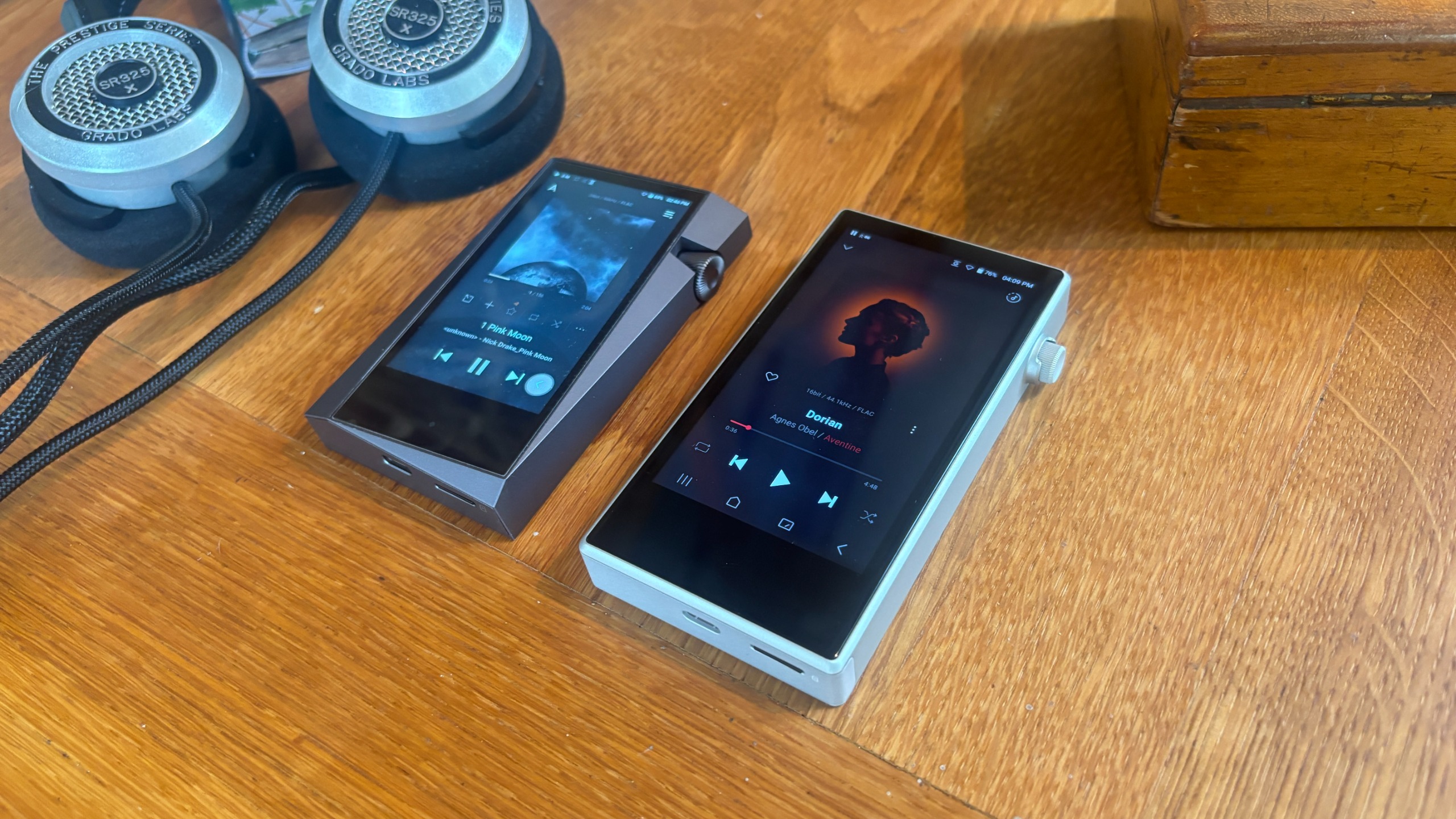
- Astell & Kern PD5 (£899): The successor to a multi-year Award-winning digital audio player, featuring eight DACs and extended battery life.
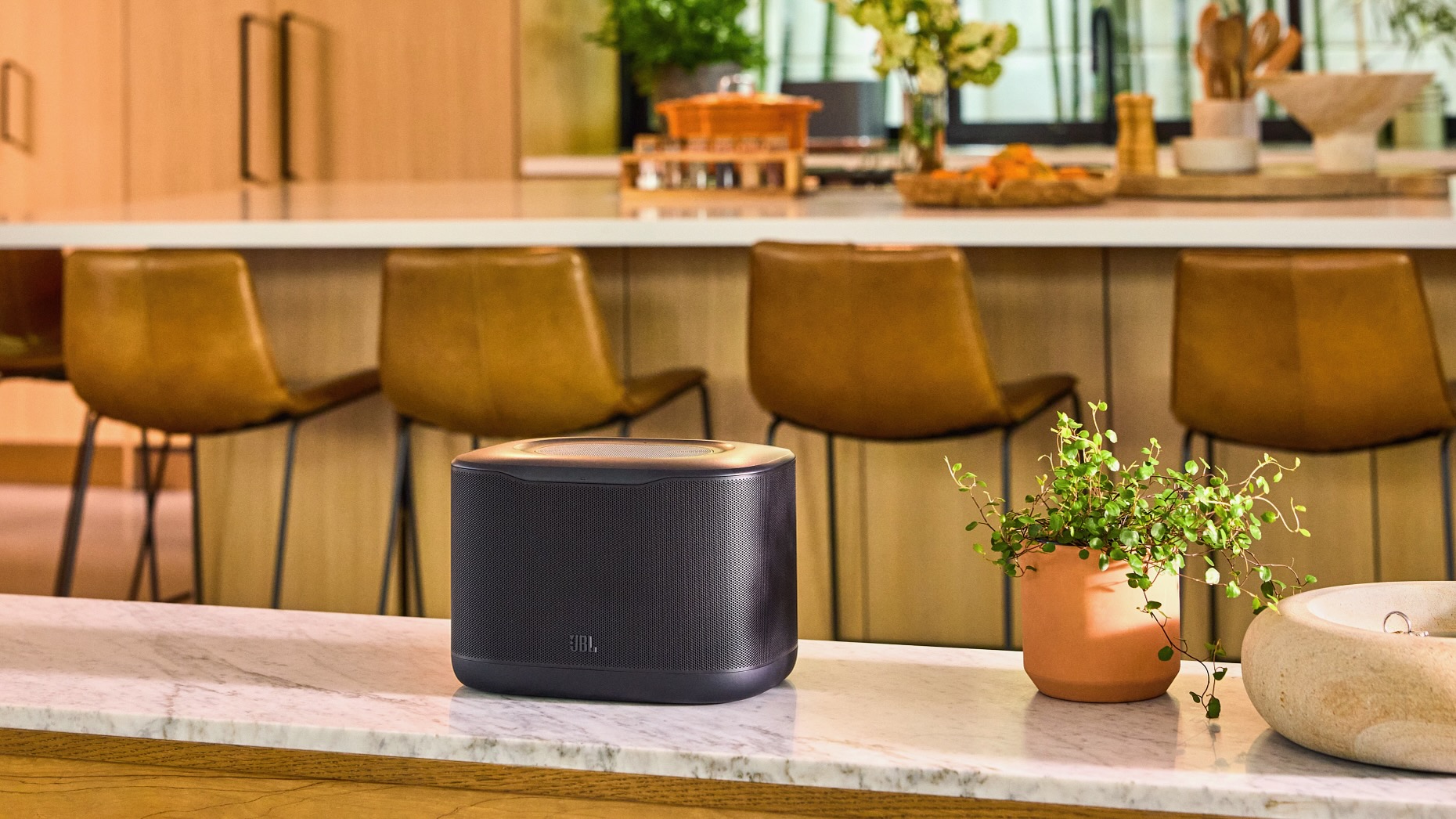
- JBL Cove X1 (£430 / $450 / AU$650): JBL’s bold entry into the high-end, Sonos-rivalling multi-room wireless speaker market with Dolby Atmos capabilities.
- Dali Sonik 5 5.1 Speaker Package (£2,199): A multi-channel surround sound system built around Dali’s critically acclaimed stereo components.
- Sony Bravia Theatre Trio + Rear 9 & Sub 9: Optimising a modular home theatre configuration by pairing Sony’s unique split soundbar with heavier-hitting low-end and surround units.
Chronology of the Season: From September Evaluation to October Reveals
The rhythm of the consumer audio industry follows a distinct seasonal arc, and the autumn of 2026 is no exception.
September: The Award Marathon
Throughout September, the review staff engaged in blind and comparative listening tests across dozens of new and established products. This grueling evaluation process forms the backbone of the What Hi-Fi? Awards, a benchmark for consumer purchasing decisions globally. Every category—from budget turntables to reference-grade amplifiers—is scrutinized to ensure that only the absolute best receive the coveted Best Buy status.
Early October: Anticipation and New Arrivals
With the judging panels concluded, attention shifts to the public rollout. The countdown to October 13th has dominated the office atmosphere. Simultaneously, manufacturers continue to ship new hardware designed to capture the lucrative autumn and winter retail market.
Mid-to-Late October: Deep-Dive Evaluations
As the Best Buy winners are made public, the focus in the test rooms pivots toward the newly arrived hardware detailed below. Long-term testing protocols dictate that each piece of equipment is subjected to weeks of controlled listening, partnering with various reference systems to unearth strengths, weaknesses, and true value for money.
Supporting Data and Technical Deep-Dives
To understand why these specific products are capturing industry attention, it helps to examine the specifications and engineering philosophies driving them.
Sonus Faber Olympica III G3: High-End Artistry
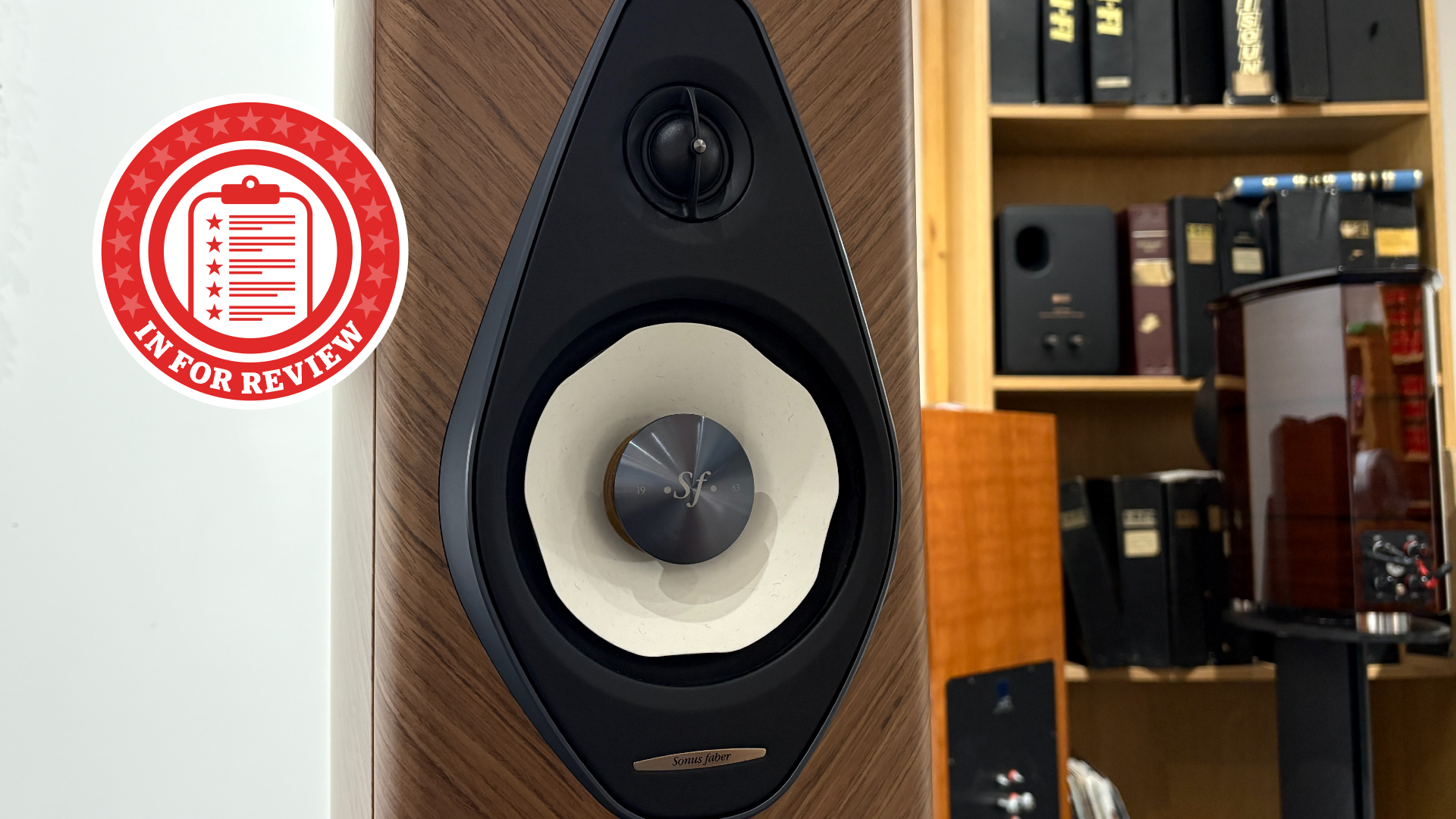
Sonus Faber has long married acoustic performance with cabinet craftsmanship. The third-generation Olympica III G3 floorstanders inherit trickle-down technology from the brand’s ultra-ambitious 40th-anniversary Suprema system. Most notable is the irregular-shaped, unpainted Camelia midrange driver. Hand-crafted in Italy, this design minimizes internal resonances and promises exceptional vocal realism and transparency. At £20,000 / $24,000 a pair, they sit firmly in the "Temptation" category—gear designed to push the boundaries of what is acoustically possible in a domestic listening space.

Sennheiser CX 80U: The Wired Renaissance
While true wireless earbuds dominate the mainstream, the wired earbud market is experiencing a quiet renaissance driven by a demand for lossless audio and zero latency. The Sennheiser CX 80U adapts to the modern digital ecosystem by ditching the legacy 3.5mm jack in favor of a direct USB-C connection. Integrated with an internal Digital-to-Analog Converter (DAC) supporting native files up to 24-bit/96kHz, these £35 / $40 in-ears are built to plug directly into smartphones, tablets, laptops, and consoles. They face stiff competition from established champions like the SoundMagic E11C and E80D, but Sennheiser’s plug-and-play digital approach offers a compelling alternative for budget-conscious listeners.
Astell & Kern PD5: Refining Portable Hi-Res Audio
Astell & Kern’s A&norma SR35 held an unassailable position as a What Hi-Fi? Award winner for best portable music player three years running. Stepping into those shoes is no small task, but the new Astell & Kern PD5 attempts it with a price increase to £899.
- DAC Architecture: The PD5 doubles the number of DACs found in its predecessor.
- Battery Life: Delivers an impressive 28-hour continuous playback battery life—an eight-hour jump over the SR35.
- Connectivity & Playback: Supports files up to 32-bit/384kHz PCM, native DSD256, aptX HD, and LDAC wireless streaming. It also allows direct app downloads for streaming services like Tidal and Qobuz.
JBL Cove X1: Challenging the Multi-Room Heavyweights
JBL is a household name in portable Bluetooth speakers (thanks to lines like the Go, Flip, and Charge), but the brand is now mounting a serious challenge to Sonos in the home wireless multi-room sector. The flagship Cove X1 (£430 / $450) features a six-driver array capable of Dolby Atmos spatial audio. Equipped with AirPlay 2, Google Cast, and Bluetooth, JBL is leaning heavily on ease of setup and seamless connectivity to take on the five-star Sonos Era 300.
Dali Sonik 5 5.1 and Sony Bravia Theatre Trio Upgrades
In home cinema, component synergy is everything. Dali’s Sonik range has proven itself in stereo configurations, notably with the five-star Sonik 1 and Sonik 5. Testing the complete 5.1 package (£2,199)—which integrates the Sonik Cinema centre speaker and E-9F subwoofer—will determine if the tonal balance holds up under intense multi-channel movie soundtracks.
Similarly, Sony’s modular Bravia Theatre Trio (a soundbar deconstructed into independent left, right, and centre channels) previously impressed reviewers when paired with the Rear 9 and Sub 8. October’s testing phase aims to discover whether upgrading to the heavier-duty Sub 9 addresses the minor lower-frequency critiques of the previous setup.
Official Responses and Industry Context
Manufacturers are increasingly focusing on flexibility and hybrid listening habits. In statements regarding the shift toward USB-C wired audio, industry analysts note that consumers are becoming more discerning about Bluetooth compression artifacts, sparking renewed interest in wired connections for portable devices.
Regarding the multi-room wars, JBL’s push into the home audio segment with the Cove series signals a broader industry trend: traditional outdoor and portable audio brands are encroaching on territory long dominated by Sonos and Bluesound. By incorporating Dolby Atmos and native smart-home integration, brands like JBL are betting that consumers want cinematic spatial audio without the complexity of traditional AV receivers.
Implications for Consumers and the Hi-Fi Market
The influx of gear into the What Hi-Fi? test rooms this October highlights several key takeaways for buyers:
- Democratization of High-Resolution Audio: Products like the Sennheiser CX 80U prove that high-resolution, low-latency audio is no longer locked behind expensive outboard gear. Consumers can access high-fidelity sound directly through standard mobile devices for minimal outlay.
- The Evolution of Streaming Ecosystems: As brands like JBL challenge established multi-room ecosystems, consumers benefit from greater interoperability, better spatial audio support, and simplified setup procedures.
- The High-End Ceiling Continues to Rise: Reference systems like the Sonus Faber Olympica III G3 and Astell & Kern PD5 demonstrate that engineering research from flagship tier-one systems (such as the Suprema) continues to cascade down into more "attainable" luxury components.
As the October 13th Best Buy announcement approaches, the hi-fi community stands on the precipice of a new awards cycle. Whether consumers are looking to invest £35 in better daily commutes or £20,000 in a masterclass of Italian acoustic design, the test rooms are working around the clock to separate marketing hype from genuine acoustic excellence.
If you have questions about any of the products currently being evaluated in the test rooms, the editorial team invites readers to reach out via comments or direct email at [email protected].