Editor’s Note: This article is provided by the In-Ear Monitor International Trade Organization (IEMITO).
In the high-stakes environment of late-night television, where a single second of dead air can feel like an eternity, the audio department serves as the unsung nervous system of the production. For professional monitor engineers, the transition from the chaotic, high-energy world of touring rock acts to the hyper-structured, time-coded ecosystem of a live broadcast studio is a journey of technical refinement and psychological fortitude.
This is an account of the evolution of broadcast monitoring, tracing the path from the early days of Late Night with Jimmy Fallon to the complex, multi-layered audio architectures that define modern global broadcasts.
The Genesis: Stepping into the 30 Rock Machine
The call that changed everything came during a routine production rehearsal for a U.S. tour. A respected colleague reached out with a proposition: a position on a new project over at NBC Studios in Manhattan, famously known as "30 Rock."
Stepping through the security stanchions of 30 Rock for the first time is a sensory experience that defies the expectations of the uninitiated. Beyond the lobby lies a labyrinth of television production where clipboards, headsets, and set pieces collide in a highly orchestrated dance. For a touring engineer, the sheer volume of logistical moving parts—from extras awaiting their cues to the surreal sight of a live llama standing in a hallway—is jarring.
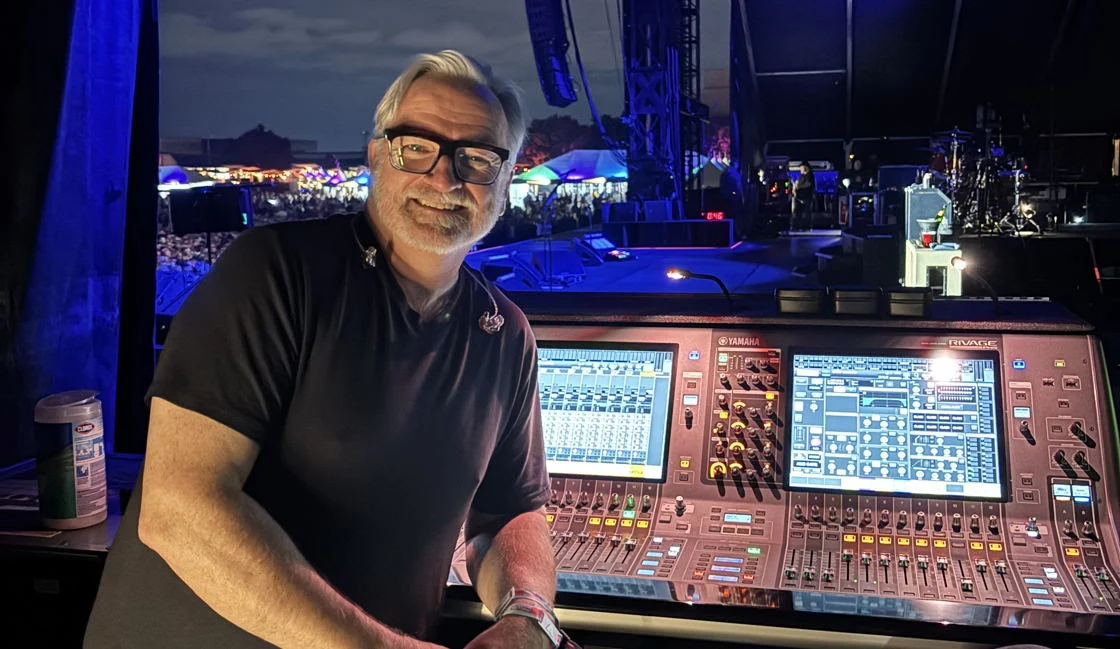
Upon entering "Mix 1," the environment shifted from the chaotic energy of the hallway to the focused, almost reverent silence of the control room. It was here, amidst the tape ops, the mixers, and the late Stacey Foster, that the reality of the role set in. The interview process was less about standard resume review and more about gauging one’s ability to operate under extreme pressure. When the transition to the 8th floor occurred, the sight of a Yamaha PM1D console provided a familiar anchor. From the vantage point of the monitor position—tucked away in the far house-left corner, high above the studio floor—the entire production unfolded like a complex clockwork mechanism.
Technical Architecture: Communication and Comms
Running monitors for television—often referred to as "foldback"—requires a paradigm shift from the standard concert monitor mix. In a broadcast setting, the engineer is not merely mixing music; they are managing a multi-channel communication matrix that includes the director, stage manager, A2s, and the production booth.
The Evolution of the Comms Chain
In the early iterations of Late Night, the technical setup relied on ingenious, field-expedient solutions. By utilizing a custom 9-pin to XLR male cable routed from the BTS (Behind-the-Scenes) comm panel to the PM1D, it became possible to feed the comms directly into the monitor engineer’s In-Ear Monitors (IEMs). This ensured that while the show was happening live, the engineer remained fully tethered to the director’s cues without cluttering the airwaves.
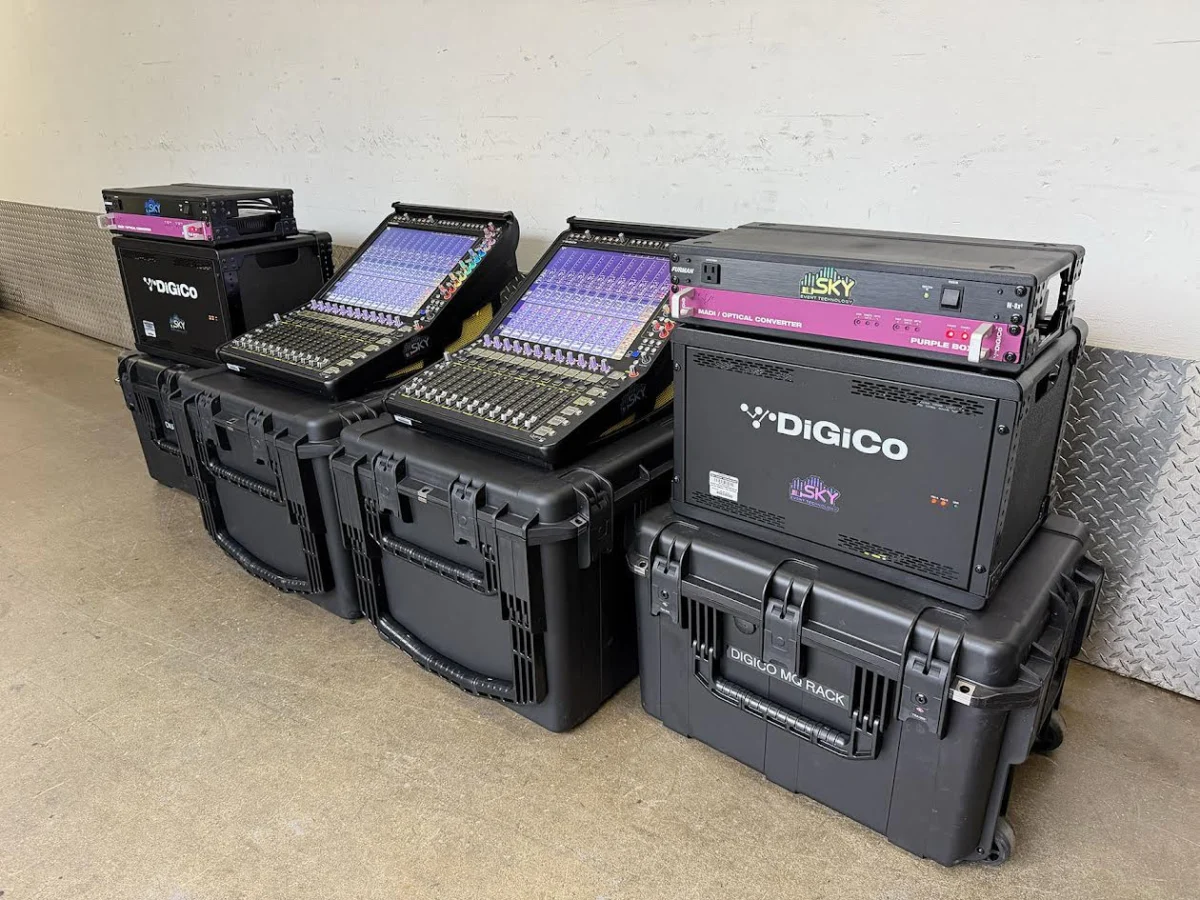
As technology progressed, the industry moved from the PM1D to Avid Profiles and eventually to the DiGiCo SD7 platform. This transition allowed for sophisticated matrix routing, replacing the need for external small-format mixers and allowing for a more streamlined, software-defined workflow.
The Role of the Musical Director (MD)
The MD serves as the primary conduit between the band and the broadcast production. Managing this requires a complex web of talkback microphones and interrupt switches (pedals). The MD’s microphone is strategically split:
- The Air Feed: Used for singing or addressing the audience/host.
- The Band Feed: Activated via a floor pedal, allowing the MD to give musical cues or coordinate changes without the audience hearing the direction.
- The Booth Feed: A dedicated path allowing the MD to communicate with the director or producer regarding show flow and musical timing.
The Art of the Matrix: Stereo Talkback and Signal Management
Effective monitoring in a broadcast environment is heavily dependent on the "cue bus." As the complexity of shows increased, so did the necessity for a refined stereo talkback matrix.
By routing all talkback microphones to a dedicated stereo aux bus, engineers can pan and EQ individual voices. This prevents the "muddiness" often associated with having multiple comms signals competing for the center of the mix. Proper gating and filtering of these inputs are essential, as "room tone" and extraneous noise from the studio floor can quickly degrade the clarity of the mix.
Protecting the Talent
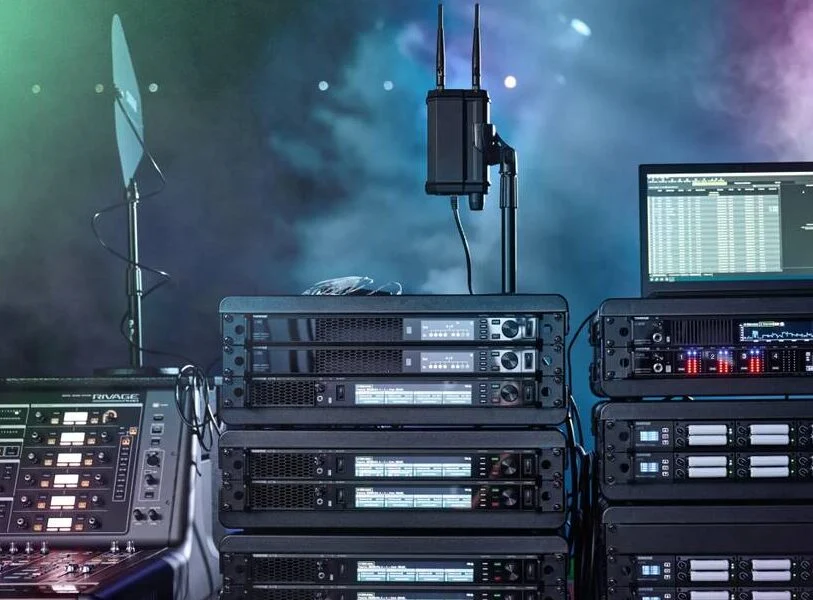
A primary mandate for any monitor engineer is the protection of the performers’ hearing. This involves rigorous gain staging and the implementation of limiters on all incoming signals from external sources. Whether it is a feed from the booth or a wireless microphone on the stage floor, every signal must be checked for noise signatures and properly limited to ensure the safety of the band’s IEMs.
IEM Program Feeds: The "Booth Trade"
During the setup phase of a broadcast, a standard "trade" occurs between the monitor engineer and the booth A1. The booth provides the "program feed"—a vital lifeline for the band to stay informed during non-musical segments. This feed typically includes:
- Program Sum: The total production mix (post-fader).
- Video Tape/Playback: Audio from pre-recorded segments.
- Music/SFX: Triggers for musical cues not performed by the house band.
- Audience L/R: A pre-fader feed of the audience microphones, useful for gauge-testing crowd reactions.
- Director Feed: Essential for real-time adjustments.
In return, the monitor desk sends a feed back to the booth, typically containing the MD’s talkback, ensuring a two-way dialogue between the musical performance and the broadcast director.
Refinement: The "Duck" Macro and Performance Dynamics
To maintain a professional, high-fidelity experience, the monitor engineer must balance the show’s intense pace with the musicians’ needs. One of the most effective techniques developed in recent years is the use of non-latching macros.
By programming a macro that ducks the program material by 10dB when a button is pressed, the engineer allows the band to communicate clearly during downtime. Once the discussion concludes and the button is released, the program material returns to its previous level instantly. This seamless transition is critical to maintaining the show’s professional aesthetic.
Implications for the Future of Broadcast Audio
The skills forged in the crucible of late-night television have far-reaching implications for the wider industry. The ability to manage high-pressure live environments, complex comms routing, and the psychological demands of working with high-profile talent has become a hallmark of the top tier of the profession.
From mixing for the Super Bowl halftime show to supporting the audio requirements for the Oscars, the Grammys, and the Cannes Film Festival, the principles remain the same: Preparation, Communication, and Protection.
As broadcast technology continues to evolve toward more integrated, IP-based audio networks, the role of the monitor engineer will only become more vital. The transition from physical cabling to software-defined audio routing has made these systems more flexible, but it has also increased the responsibility on the engineer to act as the architect of the show’s entire sonic environment.
For those looking to enter this field, the lesson is clear: the console is just a tool. The real work happens in the planning, the building of the matrices, and the development of the trust between the audio department and the production team. Whether it’s a llama on set or a global broadcast audience of millions, the goal remains the same: ensuring that every note, every cue, and every word hits exactly when it is supposed to.