The pursuit of automotive audio perfection is a journey, not a destination. For many enthusiasts, the initial installation of a high-fidelity sound system—featuring top-tier components like Audiofrog GB-series drivers and Alpine head units—provides a level of clarity that transforms the daily commute. However, as the listener’s ear becomes accustomed to the pristine mid-range and crisp highs of a high-end setup, the limitations of the low-frequency stage often become apparent. This is the common "bass itch" faced by owners of heavy-duty trucks like the Ram 2500.
When a user running a Kicker L7 12-inch subwoofer on a dedicated 1900-watt monoblock amplifier begins to feel that their bass output is insufficient, they are entering a new phase of system design. Moving beyond "off-the-shelf" performance requires a scientific approach to enclosure geometry, electrical headroom, and driver selection.
Main Facts: The Current State of the Ram 2500 Build
The vehicle in question is a Ram 2500 Quad Cab, a platform that offers unique challenges and opportunities for car audio integration. The current configuration is already formidable:
- Head Unit: Alpine Halo series, providing a modern, high-resolution source signal.
- Front Stage: Audiofrog GB60 series mid-bass drivers in the doors and GB-series tweeters in the dash, representing a gold standard in automotive sound quality.
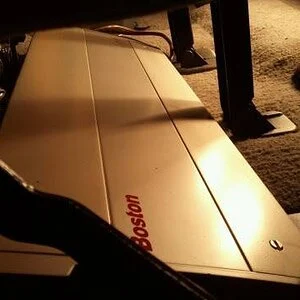
- Amplification: JL Audio HD600/4 for the active front stage and a 1900-watt monoblock for the sub-bass.
- Electrical Infrastructure: A 300-amp alternator upgrade and a "Big 3" wiring upgrade, providing the necessary current to sustain high-demand power draws.
- Sub-bass: A single Kicker L7 12-inch subwoofer in a custom enclosure tuned to 35 Hz.
The core dilemma is not a lack of quality, but a desire for increased "physical presence"—the visceral, bone-rattling low-end response that only a higher displacement of air can provide.
Chronology of the Audio Upgrade Path
The evolution of a car audio system typically follows a predictable timeline. Understanding this chronology is essential for any owner looking to optimize their vehicle.
Phase 1: The Foundation (0–6 Months)
The initial phase focuses on the "cleanliness" of the signal. The user successfully integrated an Alpine Halo deck and high-end Audiofrog speakers. By installing the "Big 3" and an upgraded 300-amp alternator, the owner preemptively solved the most common hurdle in high-wattage audio: voltage drop.
Phase 2: The Baseline (6–12 Months)
The Kicker L7 12-inch was chosen for its high-output characteristics. At a 35 Hz tuning frequency, the system was optimized for a balance between musicality and output. For a year, this setup provided the intended auditory experience.
Phase 3: The Plateau (12+ Months)
After a year of daily driving, the "listener fatigue" or "adaptation" sets in. The human ear is remarkably resilient; as the listener grows accustomed to the current level of output, the brain begins to crave more tactile feedback. This is the stage where the owner currently finds themselves, questioning whether to swap components or add complexity.
Supporting Data: The Physics of Bass Output
To achieve "significantly more bass," an enthusiast must manipulate the variables of Cone Area (Sd), Excursion (Xmax), and Enclosure Volume.
The Cone Area Advantage
If the goal is higher SPL (Sound Pressure Level) without sacrificing efficiency, displacement is king. A single 12-inch driver has a surface area of approximately 70–80 square inches. Moving to a 15-inch driver increases the surface area to roughly 110–120 square inches. This jump in cone area allows for more air to be pushed at a lower excursion rate, resulting in a cleaner, more authoritative sound.
The Power-to-Enclosure Ratio
The current 1900-watt amplifier is powerful, but it must be matched to the driver’s impedance and efficiency. When upgrading to a larger sub, such as the Sundown Audio SA-15 or a high-excursion Kicker L7Q 15, the enclosure must be recalculated using Thiele/Small (T/S) parameters. A 35 Hz tune is excellent for general music, but if the owner wants "deeper" bass, a shift toward 30–32 Hz might provide the desired "rumble."
Official Perspectives and Expert Recommendations
When discussing high-performance bass, industry experts emphasize that the box is 70% of the equation.
1. The Case for the "Double-Up"
Adding a second 12-inch L7 is often the most cost-effective path to doubling the output (+3dB of gain). In a Ram 2500 Quad Cab, dual 12s can often be fitted under the rear seat or against the back wall, provided the enclosure is built to specific internal volume requirements.
2. The Move to 15-Inch Drivers
If the space allows for a larger custom enclosure, the 15-inch route is highly recommended. The JL Audio 15W0v3 offers a refined sound profile, while the Kicker L7Q 15 maintains the "square cone" philosophy that the owner is already familiar with, ensuring the transition in sound signature remains consistent.
3. Electrical Headroom Considerations
The user’s 300-amp alternator is a significant asset. However, if the upgrade involves moving from one sub to two, the current draw will increase significantly. The owner should verify that their amplifier’s power supply can handle the lower impedance load if they choose to wire two subwoofers in parallel.
Implications of a Major Bass Upgrade
Undertaking a significant upgrade involves more than just buying a new speaker. There are secondary implications that must be managed:
Structural Integrity and Vibration Dampening
Moving from a single 12-inch sub to a more powerful 15-inch or dual-sub setup will inevitably increase the vibrational energy transferred to the vehicle chassis. It is highly recommended that the owner invests in high-quality sound deadening (butyl rubber mats and closed-cell foam) for the rear wall and floorboards of the Ram 2500. Without this, the "bass" will be accompanied by unwanted panel rattles, which degrades the sound quality of the Audiofrog components.
The DSP Factor
With an Alpine Halo head unit, the owner likely has access to advanced Digital Signal Processing (DSP). Any change in the subwoofer configuration will require a recalibration of the crossover points and time alignment. If the new sub has a different frequency response curve, the DSP settings must be adjusted to ensure the "blend" between the mid-bass drivers and the sub remains seamless.
Resale and System Longevity
The Ram 2500 is a high-value asset. Modifications to the interior, especially those involving custom enclosures, should be designed to be reversible if possible. High-end audio enthusiasts often look for "stealth" builds that maintain the truck’s utility while delivering competition-grade sound.
Conclusion: The Path Forward
The user is currently at a crossroads. If they are satisfied with the tonal quality of their current Kicker setup, adding a second 12-inch sub is the most logical and least invasive upgrade. It provides a noticeable increase in output without requiring a total redesign of the subwoofer stage.
However, if they are chasing a deeper, lower-frequency response that their current enclosure tuning cannot reach, a single high-excursion 15-inch driver in a custom-tuned, ported enclosure is the superior choice. This move, coupled with a slight adjustment to the DSP and an increase in sound deadening, will provide the "significant" boost in bass performance the owner is seeking.
Ultimately, audio is subjective. Whether opting for the brute force of a 15-inch driver or the balanced output of a dual 12-inch setup, the owner has already built the necessary electrical foundation to support almost any configuration they choose. The next step is simply deciding whether to evolve the current system or revolutionize the low-end stage entirely.