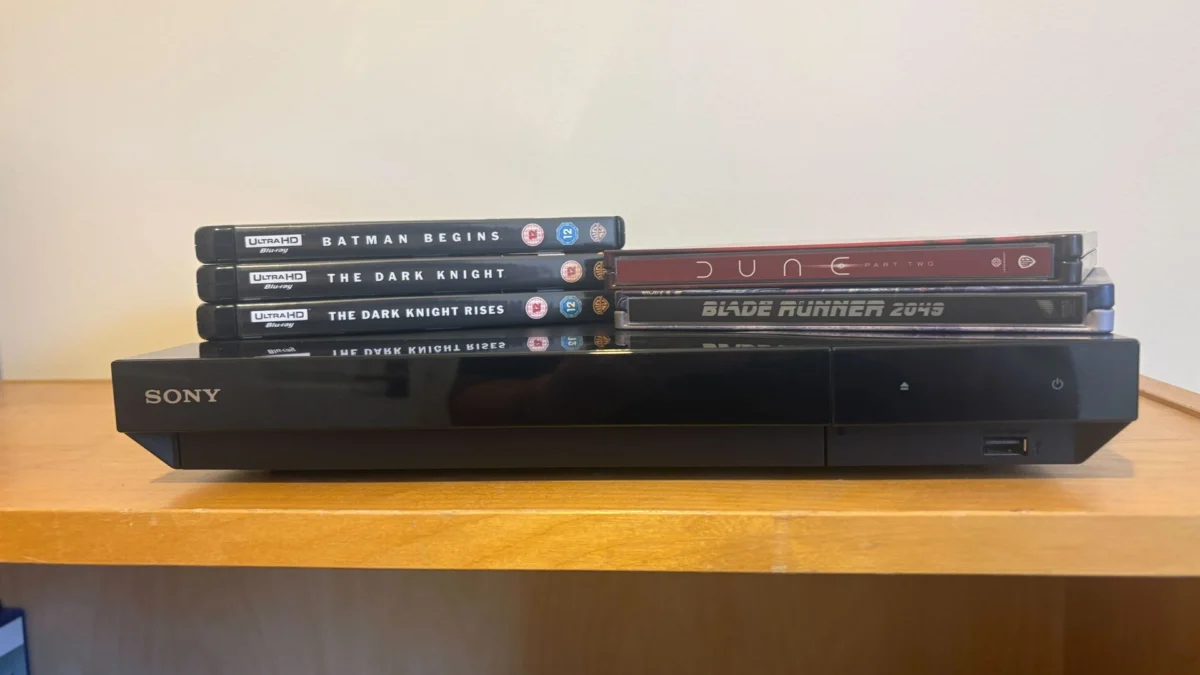
Just as cinephiles and physical media enthusiasts were beginning to celebrate a surprising and resilient grassroots revival of the 4K Ultra HD Blu-ray format, a heavy blow threatens to reverse the momentum. Reports indicate that electronics giant Sony is stepping away from the standalone home video player market entirely, allegedly halting production and shipments of its final commercial 4K Blu-ray player model, the UBP-X700/K—a device that was only introduced to the market a little over a year ago.
This development marks a significant turning point in the ongoing war between physical media and digital streaming. As major manufacturers quietly scale back hardware production, the future of high-fidelity home cinema looks increasingly tethered to the cloud.
Main Facts: The End of the Line for Sony’s Standalone Players
The news surfaced via Kunkoku, a well-regarded Japanese niche blog and authorized Sony retail partner, which reported that the manufacturer has officially ceased shipments of its Ultra HD Blu-ray hardware in its home market. According to the reports, sales of the Sony UBP-X700/K will end definitively once existing retail and warehouse inventories are completely exhausted.
A quick visit to Sony’s official Japanese online store confirms these findings: the player is currently listed as entirely out of stock, signaling that Japanese consumers seeking a dedicated, standalone Sony 4K disc player may have already missed their window.
While the initial reports strictly apply to the domestic Japanese market, industry analysts and tech journalists widely anticipate a domino effect. It is considered unlikely—though not yet officially confirmed—that Sony will continue manufacturing and distributing standalone players globally once production for its home territory has been shuttered. As of now, units remain available through official Sony channels and third-party retailers in regions like the UK and North America, but these supplies are finite. Once current stocks dry up, shelves are expected to remain empty.
Furthermore, Kunkoku confirmed that Sony has "no information regarding a successor model" currently in development. This omission strongly suggests that the company is abandoning the category rather than preparing a next-generation replacement.
Chronology: How We Got Here
To understand the weight of Sony’s apparent exit, it helps to look at the timeline of the 4K Ultra HD Blu-ray format and Sony’s place within it:
- 2016: The Ultra HD Blu-ray format launches globally, promising uncompressed high-definition video, advanced HDR formats (such as Dolby Vision and HDR10+), and vastly superior audio bitrates compared to compressed streaming services.
- 2018–2020: Sony establishes itself as a key hardware player, releasing well-received models like the UBP-X700 and the higher-end UBP-X800M2, catering to home theater enthusiasts who demand pristine physical media playback.
- Late 2023 / Early 2024: Amid shifting market conditions and declining physical media sales relative to streaming, Sony introduces a refreshed variant, the UBP-X700/K, giving enthusiasts false hope that the company remained committed to the hardware ecosystem.
- Mid-2024 to Late 2025: Rumors swirl regarding the future of physical media. Major retailers like Best Buy begin phasing out physical movie discs from their brick-and-mortar storefronts, shifting entirely to online fulfillment.
- Late 2025 / Early 2026: Kunkoku breaks the news that Sony has quietly terminated shipments of the UBP-X700/K in Japan, effectively sounding the death knell for the company’s standalone hardware lineup.
Supporting Data: The Shrinking Landscape of Physical Media Hardware
Sony’s retreat leaves a massive vacuum in the consumer electronics space. For years, the market relied on a handful of trusted global brands to produce reliable, accessible 4K disc players. With Sony stepping back, the corporate landscape looks bleak for mainstream consumers.
The PlayStation Factor
Following the wind-down of the UBP-X700/K, Sony’s primary hardware bridge to physical media will be the PlayStation 5 console, which features an integrated 4K Ultra HD Blu-ray drive (either built-in or via a detachable drive on newer slim/Pro models).
However, gaming consoles have historically made for imperfect compromises for dedicated cinephiles. They consume significantly more power than standalone players, feature noisier disc drives, lack dedicated high-end audio components, and often provide fewer fine-tuned picture adjustment settings.
More importantly, Sony’s broader corporate strategy points away from physical media entirely. Previous indications from Sony leadership suggest that future generations of PlayStation hardware may abandon physical disc drives altogether, following the broader gaming industry’s rapid, near-total migration to digital downloads and cloud subscriptions.
Who is Left Standing?
With Sony stepping away, the mainstream market for standalone 4K Blu-ray players shrinks dramatically:
- Panasonic remains the primary mainstream titan holding the line, continuing to produce critically acclaimed hardware like the DP-UB820 and DP-UB9000.
- Boutique & Enthusiast Brands: High-end, luxury manufacturers such as Magnetar and specialized regional brands are stepping up to fill the gaps, though their products often retail for thousands of dollars, pricing out the average consumer.
- The Budget Void: With Sony exiting, budget-friendly and mid-range standalone players (typically priced between $200 and $400) face extinction, leaving entry-level collectors with very few affordable hardware options.
Official Responses and Industry Reactions
As of publication, mainstream tech outlets have reached out to Sony corporate representatives globally for official clarification regarding the international availability of the UBP-X700/K and the long-term future of their home video hardware division. Thus far, Sony has remained tight-lipped outside of the inventory updates provided on its regional storefronts.
Industry reactions, however, have been swift and vocal. On home theater forums and subreddits dedicated to physical media preservation, enthusiasts have expressed a mix of frustration and resignation. Many note that while the 4K Blu-ray format has enjoyed a passionate cult following—boasting impressive collector-market sales for boutique labels like Criterion, Arrow Video, and Shout! Factory—the lack of supportive hardware from major electronics manufacturers creates an existential bottleneck for the medium.
Implications: What This Means for Cinephiles and the Future of Film
Sony’s reported exit carries profound implications for the home entertainment landscape:
1. The Monopolization of Quality Home Video
If Panasonic eventually follows Sony’s lead, the consumer 4K Blu-ray market risks turning into an exclusive luxury hobby. Without affordable, mass-market players produced by multinational giants like Sony, acquiring the equipment necessary to watch physical 4K discs will require a steep financial investment, alienating casual movie lovers.
2. The Vulnerability of Digital Streaming
While streaming services like Netflix, Disney+, and Max offer convenience and 4K resolution streams, they come with significant caveats: heavy video compression, variable bitrates dependent on internet stability, and—most troublingly—the sudden disappearance of content due to licensing agreements, tax write-offs, or corporate restructurings. The death of physical hardware accelerates a future where viewers no truly own their media, relying entirely on rented digital access.
3. A Niche Survival Mode
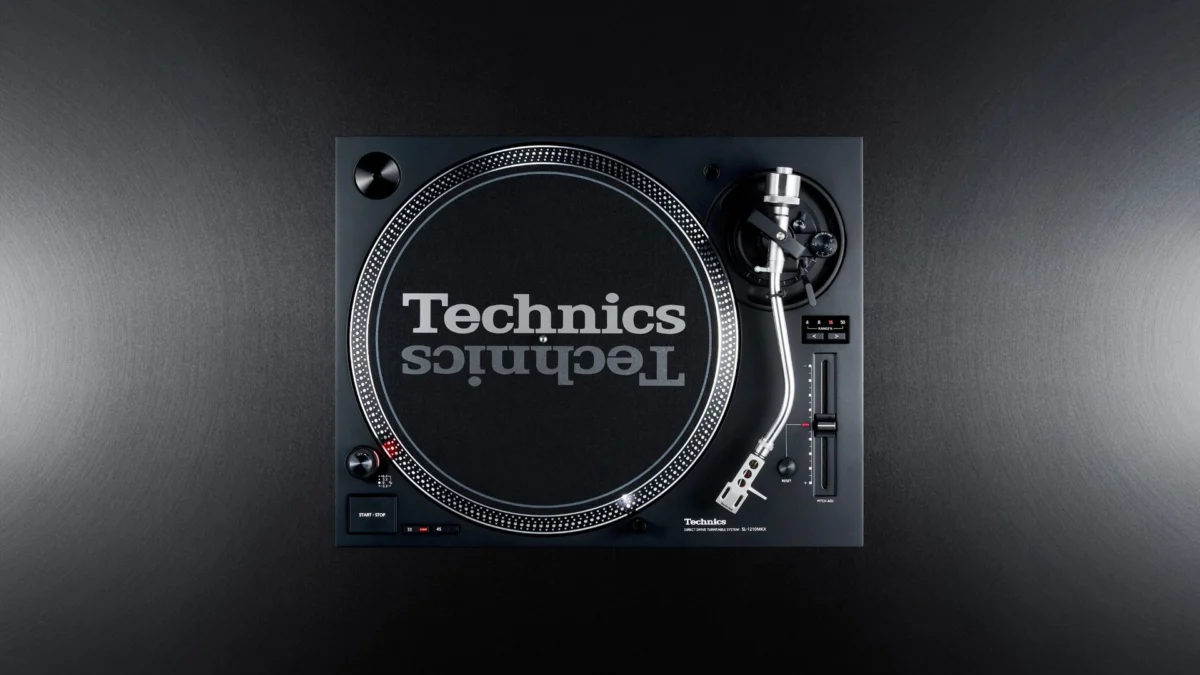
Despite these bleak hardware trends, 4K Blu-ray is unlikely to vanish completely. Vinyl records proved that physical formats can survive and even thrive by pivoting into a passionate collector’s market. Specialized boutique labels will likely continue releasing premium, limited-edition box sets for dedicated cinephiles willing to pay top dollar. However, hardware manufacturers treating the format as a viable mass-market category appears to be a chapter closing in real time.
As the industry waits for a definitive global statement from Sony, the message to physical media fans is clear: if you want to safeguard your movie collection for the decades ahead, investing in reliable hardware while it is still on shelves has never been more urgent.