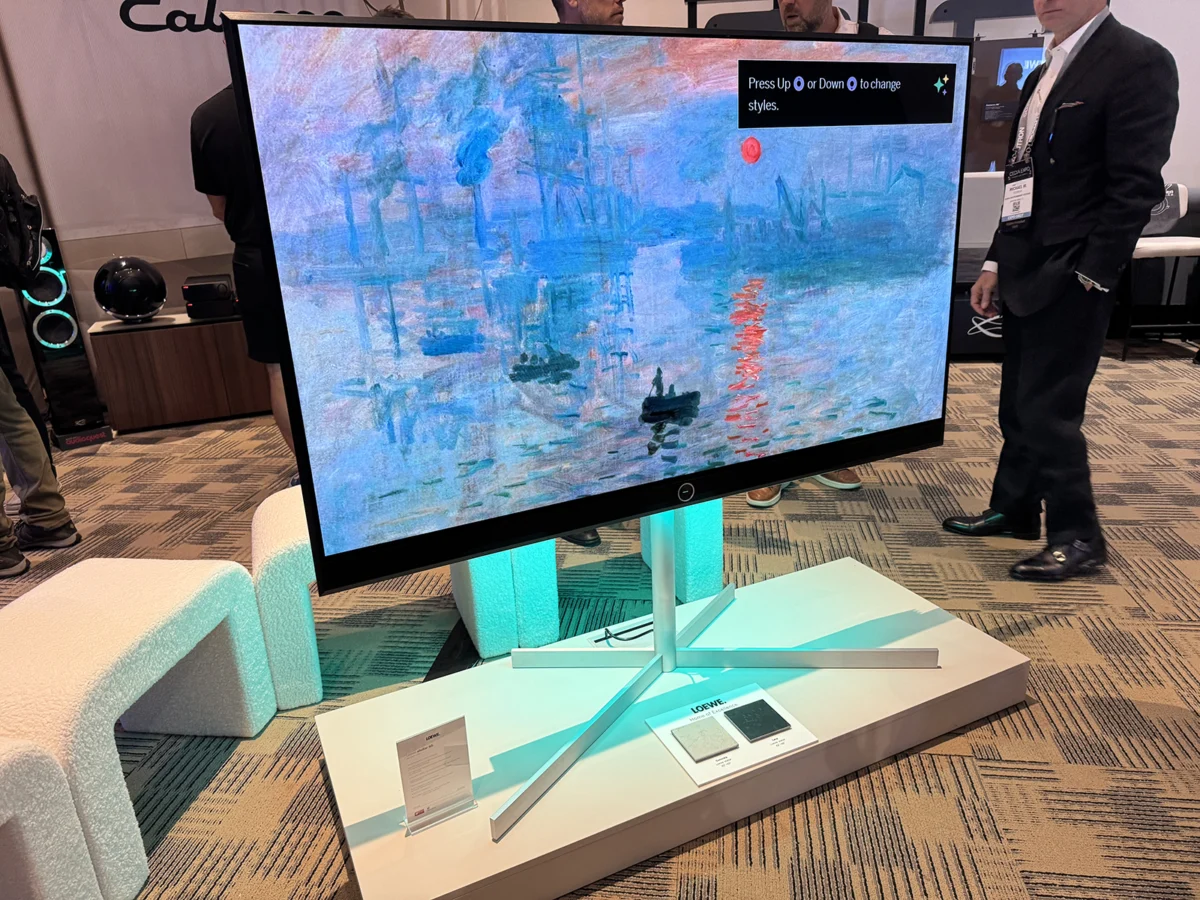
The high-fidelity and custom installation industry descended upon the Colorado Convention Center in Denver this September for CEDIA EXPO 2026. As the premier global stage for residential technology, this year’s exhibition served as a bellwether for the shifting tides in audio-visual engineering, where the boundaries between professional cinema performance and domestic comfort continue to dissolve.

Editor-in-Chief Carlo Lo Raso spent four days on the show floor, navigating a labyrinth of sound-isolated demo rooms, cutting-edge displays, and immersive theater environments. From the resurgence of high-end active monitor systems to the integration of AI-driven acoustic calibration, CEDIA 2026 proved that the "connected home" is no longer just about convenience—it is about achieving an uncompromising cinematic experience within the living space.

The Landscape of Innovation: Main Trends and Highlights
CEDIA 2026 was defined by a shift toward system synergy. Manufacturers are moving away from siloed components, focusing instead on "whole-ecosystem" solutions where software, processing, and hardware are optimized to function as a singular entity.

Key takeaways from the show included:

- The Rise of High-Performance Active Systems: Brands like PMC and Krix dominated the conversation with massive, multi-channel active configurations that require no external amplification, signaling a potential shift for luxury home cinema design.
- Wireless Flexibility: JBL and PSB demonstrated that high-resolution audio and Dolby Atmos compatibility can now be achieved without the "cable spaghetti" that historically deterred mainstream consumers.
- AI and Computational Acoustics: Trinnov, the industry leader in high-end processing, showcased how machine learning can simplify complex room correction, making the benefits of advanced calibration accessible to a wider audience.
- The "Wall-to-Wall" Display Revolution: With LG and Barco pushing the limits of Micro-LED and "wallpaper" OLED technology, the traditional projector-screen setup is facing unprecedented competition for the title of "ultimate home theater display."
Chronology of the Show: A Day-by-Day Perspective
Day 1: Klipsch and the New Signature Series
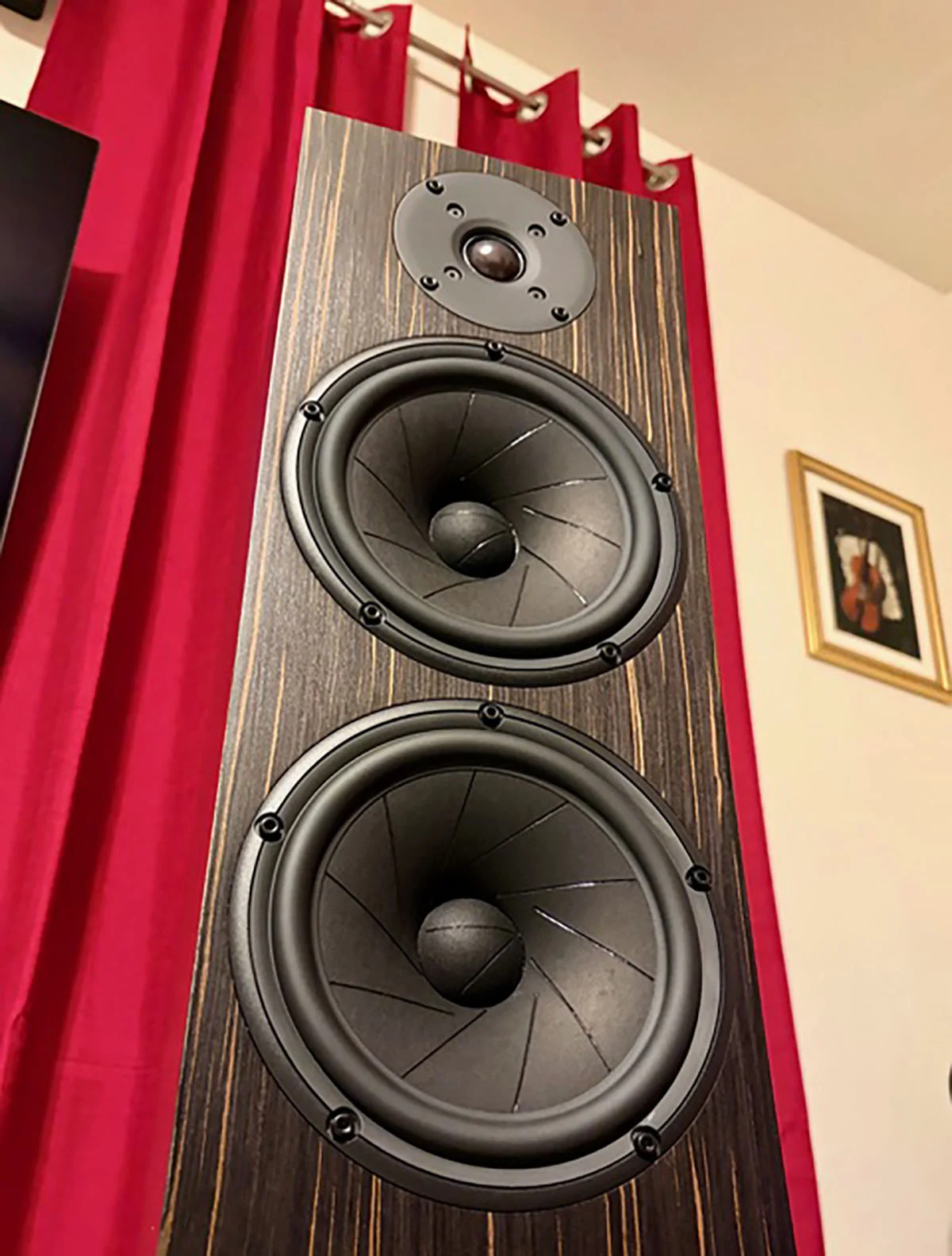
Klipsch hit the ground running with the announcement of the Reference Signature series. Moving beyond their standard offerings, this new line—comprising six models including the RS-8301F floor-standers and the RS-6301C center channel—represents a pivot toward premium, 3-way acoustic designs. With a price point between $1,600 and $3,000 per pair, these speakers are positioned to compete in the mid-to-high-end enthusiast market.

Day 2: The Power of Collaboration
The second day focused on the "German-French connection" of Loewe and Cabasse. Loewe’s Stellar OLED displays, particularly the 97-inch model with its sleek aluminum finish, served as a masterclass in industrial design. Meanwhile, Cabasse continued to lean into its legacy of coaxial driver technology, showcasing everything from the compact "Pearl" active speakers to the massive "Pearl Pelegrina" floor-standers.

Later in the day, the Paradigm-Anthem-MartinLogan pavilion proved to be the largest floor presence at the event. The scale of the demo, which included a racing simulator paired with a 5.2-channel system and dedicated rooms for the MartinLogan Neolith, showcased the sheer breadth of their product catalog—from architectural, in-ceiling speakers to reference-level audiophile towers.

Day 3: The Heavy Hitters and Experimental Audio
The highlight for many was the PMC demonstration in Sound Room 6. The North American debut of the PMC10 XBD active monitors ($38K each) was nothing short of breathtaking. Paired with StormAudio processing and MC2 amplification, this 11.10.6 system offered perhaps the most tactile, accurate bass response observed at the entire show.

Similarly, Theory Audio Design, under the direction of Paul Hales, provided an energetic, informative, and sonically explosive demonstration. The "Manhattan Project" scale of the bass, delivered through the SR-221.3 subs, underscored the company’s ability to combine industrial design with sheer acoustic power.

Day 4: Future-Proofing and Final Impressions
The final day was dedicated to the infrastructure of high-end home theater. Kaleidescape debuted their Terra Prime SSD 246 TB server, a powerhouse capable of 8K playback and full 4:4:4 chroma subsampling. While the price remains "market-variable," it is clear that for the true cinephile, there is no substitute for the Kaleidescape content delivery experience.

Supporting Data: Technical Specifications and Pricing
To understand the scale of the technology presented, one must look at the technical specifications of the key releases:

| Manufacturer | Product | Category | Notable Specs |
|---|---|---|---|
| ARCAM | AVA35 | AVR | 9 x 95 WPC Class G |
| JBL | Cove X1 | Wireless Speaker | Dolby Atmos, Roon Ready |
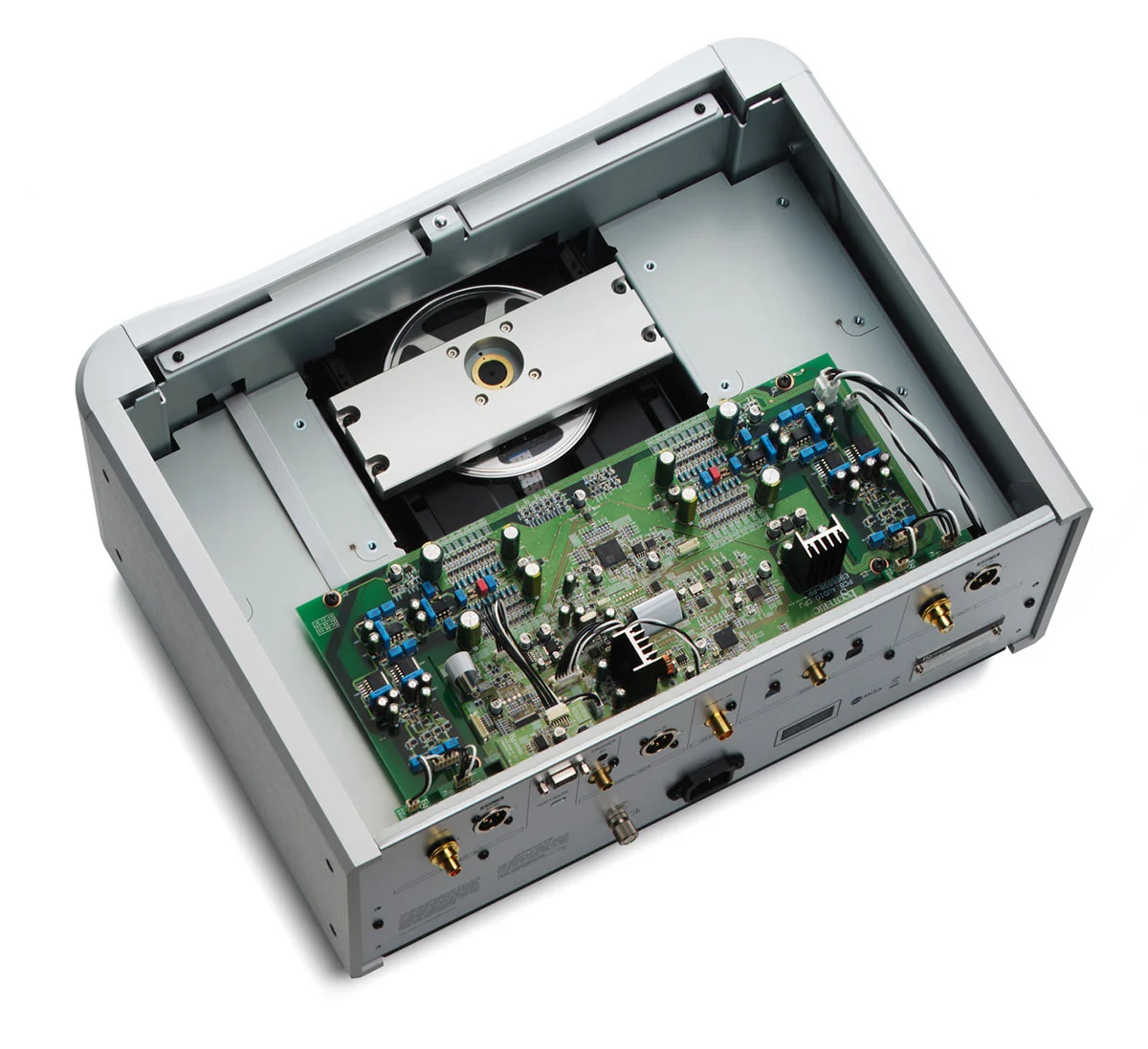
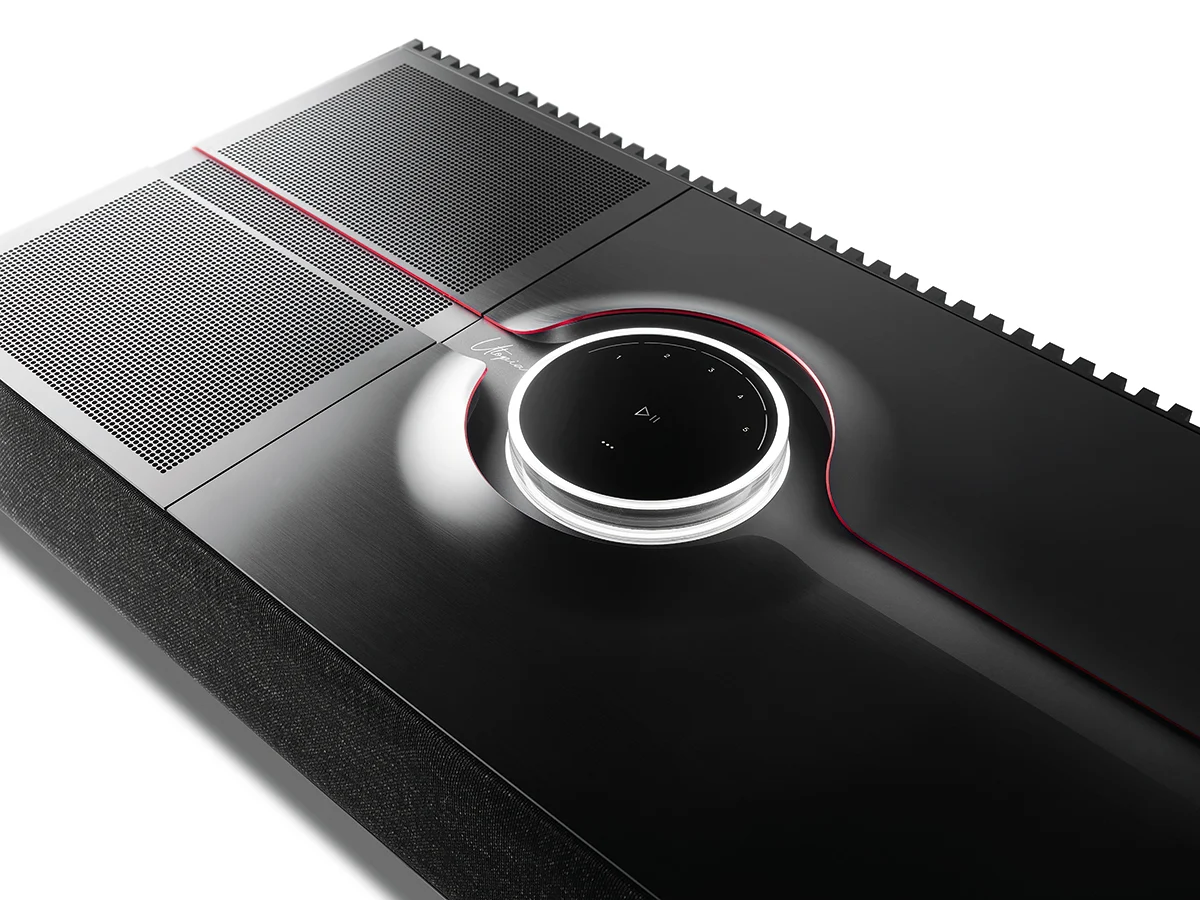
| Magnetar | ULTIMA | Digital Transport | Dual Battery Power System |
| PMC | PMC15 SUB | Subwoofer | Active, $29K per unit |
| PSB | Pulse Cinema | Soundbar | 500W, 3 main channels, 2 up-firing |
The Hegel C5 series amplifiers were a surprise addition to the custom install space. By offering a high damping factor of 2000 in a 3-, 4-, or 5-channel rack-mount configuration, Hegel is clearly targeting the luxury integrator who demands audiophile performance from a hidden, multi-channel chassis.

Official Responses and Expert Commentary
During the exhibition, we spoke with various product leads to gauge the direction of the industry.

Elliott Whyte, PMC’s Product Development Manager, emphasized that the focus is no longer just on "how loud" a system can play, but on the preservation of the original recording’s intent. "When we design the PMC10, we are looking at the professional studio lineage," Whyte noted. "We want the home user to hear exactly what the producer heard at the mixing console."

Trinnov’s Jon Herron addressed the future of the user interface, demonstrating an AI-driven support tool. "The goal isn’t to replace the calibrator," Herron explained. "The goal is to provide immediate, actionable feedback to the user. If they feel dialogue is muddy, the system shouldn’t just offer a volume knob; it should suggest a precise EQ correction based on the room’s current acoustic signature."

Implications for the Home Theater Industry
The overarching theme of CEDIA 2026 is Accessibility through Complexity. While the hardware—such as the 16-channel processors from Arcam or the massive subwoofers from Krix—is becoming more complex, the user experience is being streamlined.

1. The Death of the "Standard" Theater
The era of the simple 5.1 surround sound system is fading. The standard now sits firmly in the 9.4.4 or 11.8.6 territory, with heavy reliance on DSP-driven room correction (like Trinnov WaveForming).

2. The Professionalization of the Home
The line between a commercial cinema and a home theater has been completely erased. With the use of professional-grade active monitors (PMC) and infrasonic subwoofers (Krix), the home theater is no longer a "representation" of a cinema—it is a superior version of one.

3. Sustainability and Reliability
The move toward battery-powered digital transports (Magnetar) and ultra-stable Class G amplification (Arcam) suggests a long-term shift toward longevity and power efficiency, even in the high-performance segment.

Conclusion
CEDIA 2026 was a resounding success, proving that the appetite for high-end, immersive home entertainment is stronger than ever. The exhibitors in Denver did not merely display products; they defined a new standard for the "connected home." Whether through the breathtaking clarity of ribbon drivers or the sheer scale of 246 TB storage solutions, the industry is moving toward a future where the home is the ultimate destination for entertainment.

As we look toward 2027, the challenge for manufacturers will be to maintain this level of performance while navigating the rapidly evolving landscape of AI-integrated support and the increasing demands for high-bandwidth, high-fidelity content delivery. One thing is certain: for those willing to invest, the home theater experience has never been more spectacular.