As the holiday shopping season reaches its fever pitch, savvy homeowners are looking for ways to bolster their security without breaking the bank. For those looking to integrate smart monitoring into their living spaces, the second-generation Ring Indoor Cam has emerged as a standout value proposition. Currently available for just $29.99—a staggering 50% discount from its original retail price—this device represents one of the most accessible entry points into the Amazon-owned Ring ecosystem.
Whether you are a newcomer to home automation or a seasoned user looking to expand your existing surveillance network, this Black Friday deal offers a rare combination of affordability, high-definition reliability, and user-centric privacy controls.
Main Facts: What You Get for Under $30
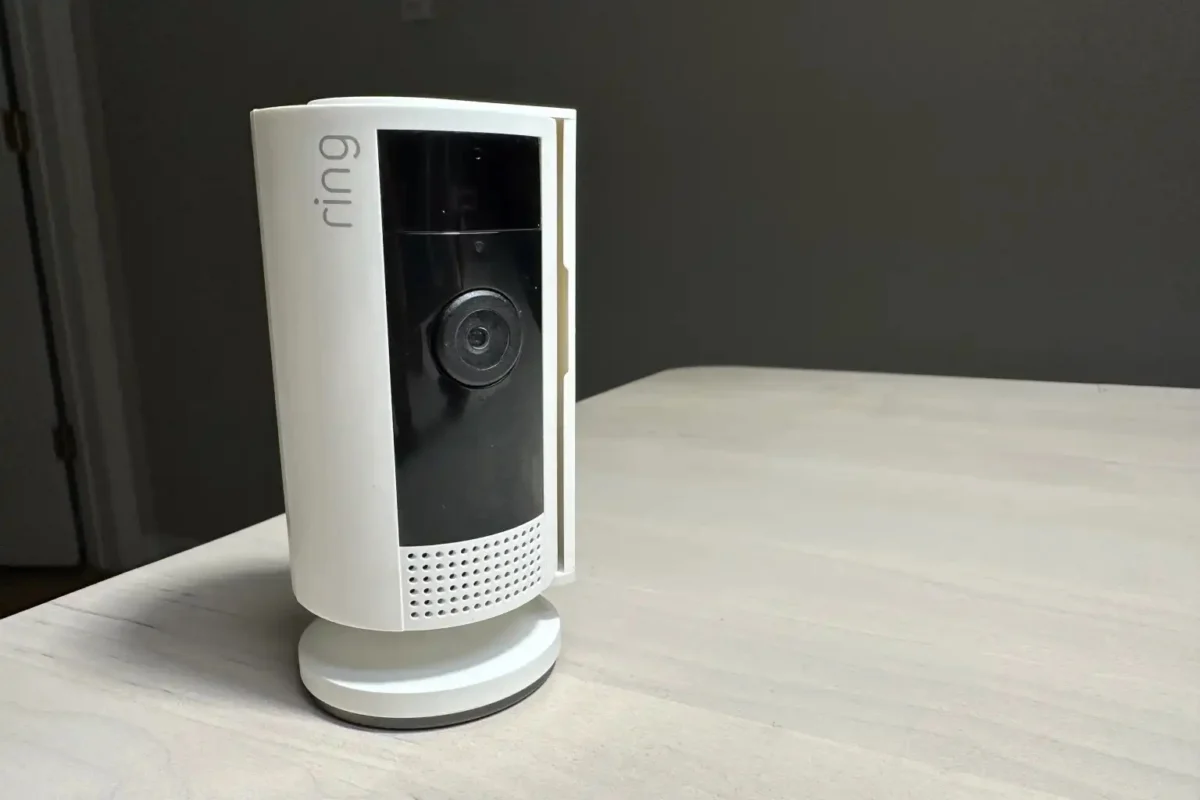
The second-generation Ring Indoor Cam is a compact, versatile solution designed specifically for interior monitoring. Despite its modest price point, the camera is packed with features that rival more expensive competitors.
At its core, the device captures crystal-clear 1080p HD video, ensuring that users can discern important details—whether it’s a pet roaming the living room or a delivery left inside an entryway. The 143-degree diagonal field of view provides a wide perspective, minimizing blind spots in standard-sized rooms.
Key technical specifications include:
- 1080p HD Video Resolution: Delivers sharp, high-definition imagery.
- Privacy Shield: A manual sliding cover that physically obscures the lens, providing users with absolute peace of mind when they are home.
- Two-Way Talk: A built-in microphone and speaker allow for real-time communication via the Ring app.
- Color Night Vision: Uses ambient light to provide clear, full-color footage even in low-light conditions.
- Customizable Motion Zones: Users can define specific areas for the camera to monitor, reducing false alerts from ceiling fans or high-traffic areas like busy hallways.
By lowering the barrier to entry to under $30, Ring is effectively positioning itself as the market leader for affordable, plug-and-play home security.
Chronology: The Evolution of the Indoor Cam
To understand the significance of this discount, one must look at the evolution of Ring’s product line. When the first-generation Indoor Cam launched, it was praised for its simplicity and affordability. However, consumer feedback quickly highlighted a demand for greater privacy controls.
- The Original Launch: Ring established a foothold in the indoor security market with the first Indoor Cam, focusing on cloud integration and ease of use.
- Privacy Concerns and Feedback: As smart home adoption grew, users became increasingly vocal about wanting a hardware-based "kill switch" to ensure cameras were not recording while they were physically present in the home.
- The Second-Gen Redesign: Addressing these concerns, the second-generation model introduced the physical privacy shutter. This design choice marked a pivot for the company, signaling that consumer trust and privacy are now as important as video fidelity.
- Black Friday 2024: The current 50% discount represents a strategic push to clear inventory and accelerate the adoption of the latest hardware, allowing users to replace older, less secure models or add additional cameras to their smart home network.
Supporting Data: Why Ecosystem Expansion Matters
For those already invested in the Ring ecosystem, this deal is an opportunity to create a "surveillance blanket." Industry analysts note that homeowners who utilize multiple cameras across different rooms experience a higher success rate in identifying intruders or monitoring emergency situations.
According to consumer electronics usage reports, the average household that adopts smart security now utilizes at least three cameras to cover high-risk areas: the front door, the back entrance, and a main common area like a living room or kitchen. At $29.99, a consumer could outfit their entire primary floor for less than the cost of a single high-end security camera from a competitor.
Furthermore, the integration with the Ring Home plan (starting at $4.99/month) unlocks advanced features that provide actual data utility:
- 180-Day Cloud Storage: Allows users to review events long after they occur.
- Person/Package Detection: Uses AI to differentiate between human activity and pets or swaying curtains, significantly reducing notification fatigue.
- Rich Notifications: Sends a snapshot directly to the user’s smartphone lock screen, allowing for immediate assessment of a potential threat without needing to open the app.
Official Responses and Strategic Positioning
Amazon and Ring have consistently framed these Black Friday promotions as a commitment to "accessible safety." In recent press briefings, Ring executives have emphasized that home security should not be a luxury item.

"We believe that everyone deserves to feel secure in their home," a company spokesperson noted during the announcement of the holiday deals. "By offering our most popular indoor camera at this price point, we are making it easier than ever for families to check in on their homes, their pets, and their loved ones while they are away."
Furthermore, the move to include the physical privacy shield was a direct response to a broader industry push for "Privacy by Design." By incorporating hardware-level security, Ring is attempting to mitigate the lingering distrust some consumers feel toward "always-on" smart home devices. The fact that the Ring app sends a notification whenever the shutter is opened or closed adds an extra layer of transparency, ensuring users are always aware of their camera’s status.
Implications: The Future of Smart Home Security
The aggressive pricing of the Ring Indoor Cam has significant implications for the broader smart home market.
1. The Death of the "Premium-Only" Security Model
Competitors who rely on high-margin, hardware-heavy business models are facing pressure to lower their prices. As Ring makes 1080p video and advanced motion tracking standard at $30, the "budget" tier of the market is effectively being cannibalized. Consumers are no longer willing to pay $100+ for basic indoor monitoring when professional-grade features are available for a fraction of the cost.
2. The Subscription-as-a-Service Model
While the camera itself is a loss leader at $29.99, the real value for Ring lies in the recurring subscription revenue. By getting the hardware into the hands of as many consumers as possible, Ring creates a "sticky" ecosystem. Once a user begins storing video in the cloud and becomes accustomed to features like person detection, they are statistically likely to continue their subscription for years, turning a one-time hardware sale into a long-term revenue stream.
3. Increased Household Adoption
The normalization of indoor cameras is changing home habits. From checking on elderly family members to monitoring childcare or simply managing pets while at work, the "Ring" lifestyle is becoming a standard feature of modern living. This trend is likely to continue as AI integration becomes more sophisticated, moving from simple motion detection to predictive analytics.
Conclusion: Should You Take the Plunge?
If you have been waiting for the right moment to upgrade your home security, the current $29.99 price point is as good as it gets. The combination of the physical privacy shield—a feature highly requested by privacy-conscious users—and the robust software suite provided by the Ring app makes this device an industry benchmark.
However, potential buyers should act quickly. Black Friday inventory for high-demand electronics like the Ring Indoor Cam is historically volatile. As retailers move to clear shelf space for next-generation products, these deep discounts often expire without warning.
For those looking to secure their property, protect their pets, or simply keep a watchful eye on their living spaces, the second-generation Ring Indoor Cam is not just a gadget; it is a fundamental piece of modern home infrastructure. At half price, it is an investment that pays for itself in the first week of use.
Ben Patterson is a Senior Writer at TechHive with over 20 years of experience in consumer electronics. His work explores the intersection of smart home utility and user privacy.