Beyond One-Size-Fits-All: How Custom Acoustic Design is Redefining Modern Architecture
015 mins
By Industry News Service Published: October 24, 2023
Introduction: The Myth of the Universal Acoustic Solution
For decades, the architectural and interior design communities have chased a elusive holy grail: the universal acoustic treatment. The logic, at least on paper, seemed straightforward. Group projects with similar acoustic challenges—such as corporate boardrooms, public gathering spaces, and recording studios—and apply a standardized, mass-produced package of sound control materials.
Yet, any experienced architect, interior designer, or acoustic engineer will readily debunk this approach. In the real world of construction, no two projects are ever truly the same. Every church sanctuary, high-end restaurant, modern office, and high-tech golf simulator possesses a unique genomic blueprint. They vary not only in basic construction materials, but in three-dimensional shape, overall volume, and, most importantly, design intent.
While a rigid, one-size-fits-all approach might appear to be the path of least resistance, it inevitably forces a compromise between acoustic performance and aesthetic vision. Today, industry leaders are pushing past these limitations. Modern acoustic design demands a fundamental shift: a transition from asking "Where do I put this panel?" to "How do I want this space to feel?"
Main Facts: The Evolution of Versatility in Modern Sound Control
At the heart of this design evolution is the growing need for flexibility. Acoustic requirements fluctuate wildly across project types, influenced by factors that extend far beyond raw room dimensions. Designers must weigh who will use the space, the personality and brand identity of the owners or management team, and the emotional atmosphere the interior is meant to evoke.
Is a venue supposed to feel somber and reflective, or lively and energetic? Must the design align with strict corporate brand guidelines, or should it remain brand-agnostic? How do durability and maintenance factor into high-traffic zones? Rigid systems cannot easily answer these complex questions.
Enter advanced, scalable material systems like Primacoustic’s EcoScapes line. Constructed entirely from eco-friendly PET plastic sourced from recycled beverage bottles, EcoScapes represents a shift toward sustainable, highly adaptable sound control. The core material remains consistent across the entire product ecosystem—whether deployed as standard wall panels, ceiling clouds, precision-carved pieces, or hanging architectural baffles.
This material consistency allows architects and designers to maintain uniform acoustic performance while radically altering the visual and physical form of the treatment to match the environment.
Chronology & Industry Evolution: From Afterthought to Architectural Integration
Historically, acoustic treatment was treated as a remedial fix—something applied after construction was completed to solve an echo problem or noise complaint. These retrofitted panels often stood out like sore thumbs, disrupting the visual harmony of carefully curated interiors.
Over the past decade, however, the industry has undergone a seismic shift. Acoustic treatments have transformed from utilitarian add-ons into core architectural elements. This evolution can be broken down into three distinct phases:
The Remedial Era (Pre-2010s): Sound control was reactive. Standard rectangular foam or fabric-wrapped panels were slapped onto walls wherever reverberation was detected, regardless of design aesthetics.
The Aesthetic Integration Era (2010–2020): Manufacturers began introducing colors and basic geometric shapes. Designers could coordinate panels with paint colors, but customization remained expensive and limited to specialty architectural projects.
The Bespoke & Sustainable Era (Present): Modern systems like EcoScapes democratize customization. Utilizing advanced manufacturing techniques like CNC cutting and digital printing, custom solutions have become the new standard. Acoustic treatments now actively participate in the spatial design, mimicking exposed beams, serving as large-scale artistic murals, or disappearing entirely into the architecture.
Supporting Data & Product Ecosystem: Expanding the Creative Palette
Modern systems achieve this unprecedented level of integration by diversifying their product formats. Primacoustic’s recent line extensions—EcoScapes Blades, Dimensional Baffles, and Contour Carved Panels—illustrate how product engineering has evolved to meet complex architectural demands.
The Power of the Ceiling Plane
In many large spaces, walls are crowded with windows, doors, and functional displays, leaving the ceiling as the largest untapped resource for sound absorption.
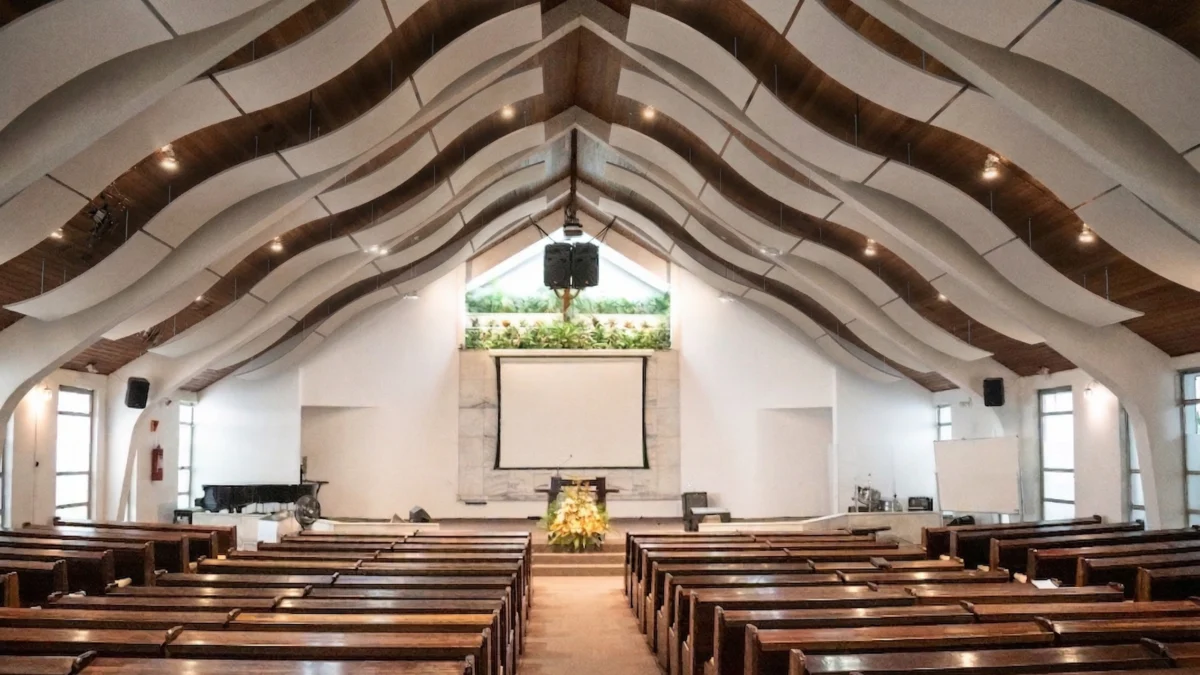
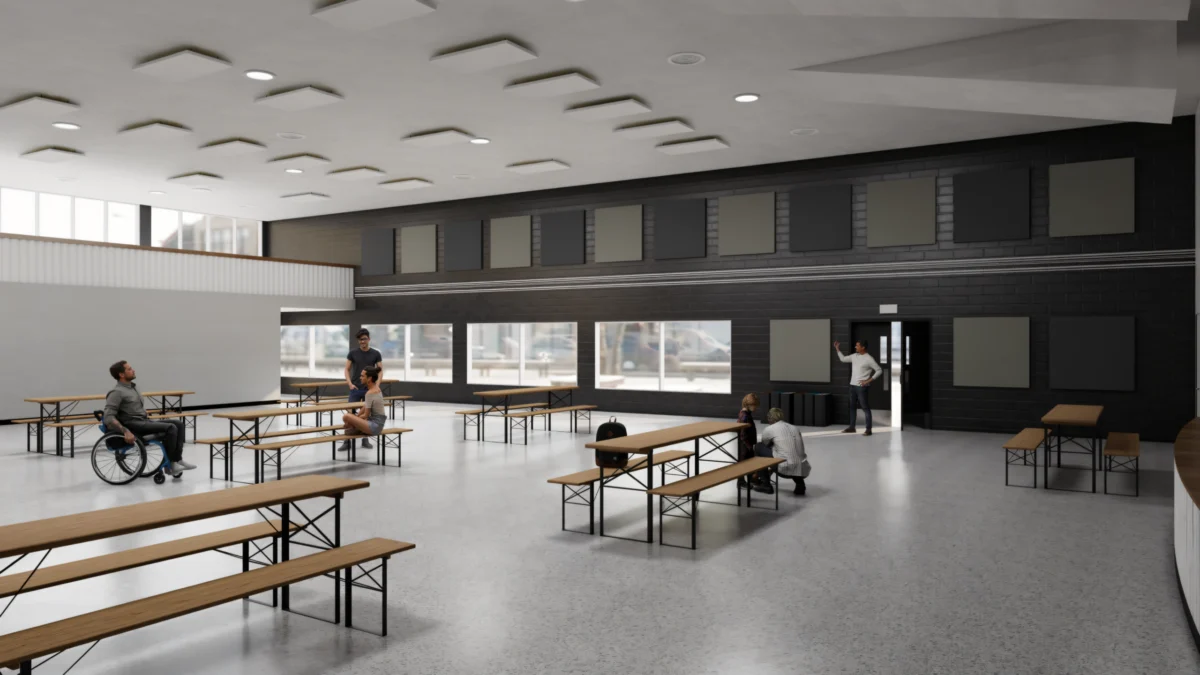
EcoScapes Blades: These ceiling-mounted treatments can be mixed and matched in various shapes and sizes to create stunning, linear visual features overhead while capturing airborne reflections.
Dimensional Baffles: Suspended in three-dimensional formats, these baffles are engineered to navigate around complex overhead infrastructure—such as HVAC ducts, fire suppression systems, and electrical conduits—while either complementing or mimicking exposed beams and rafters.
Precision Carving and Wall Integration
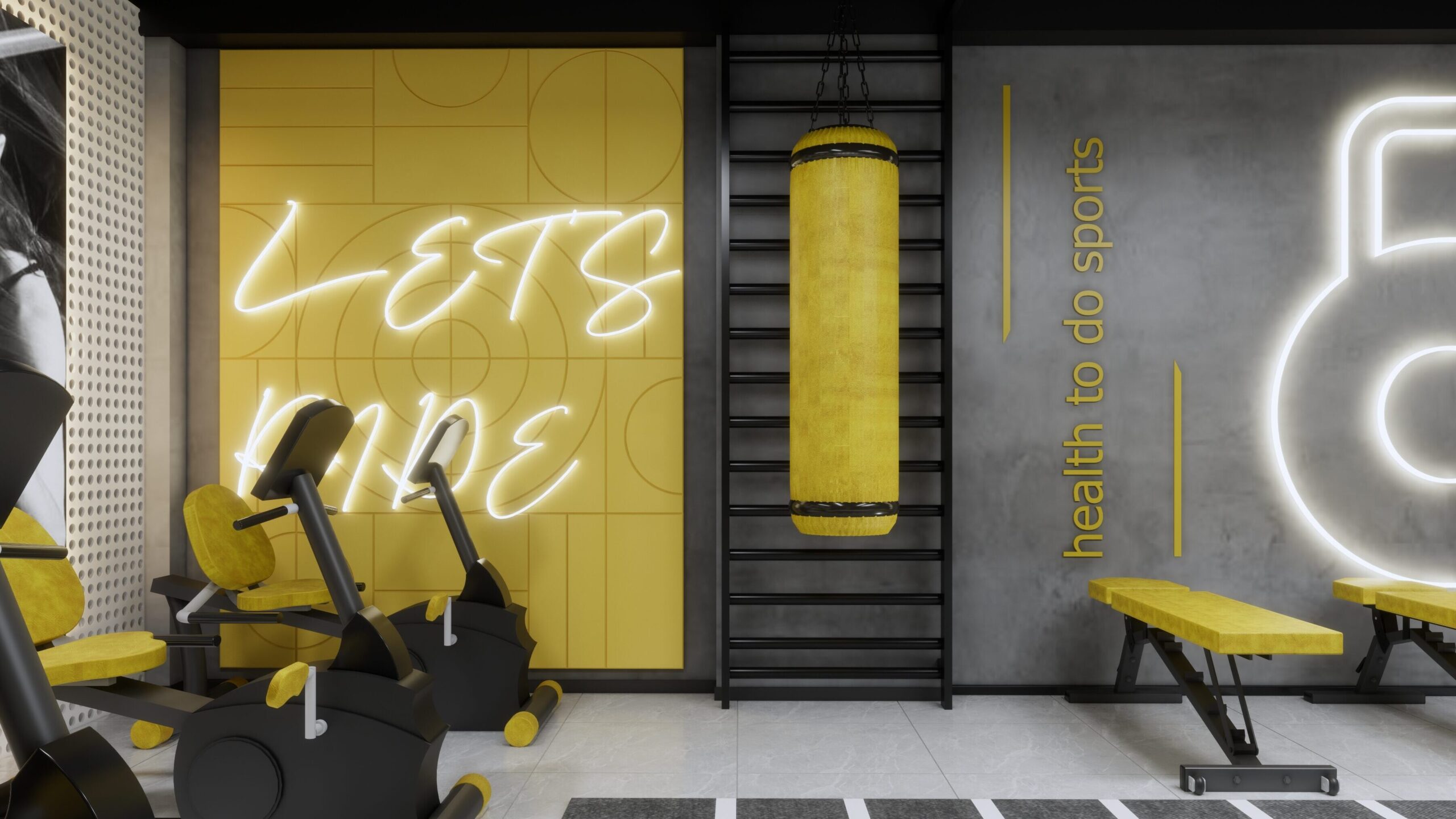
Contour Carved Panels: Applied directly to walls or ceilings, these panels utilize precision CNC routing to carve intricate patterns, textures, and even full-scale photographic or artistic murals directly into the PET material. This transforms a functional sound-absorption panel into a bespoke piece of wall art or a powerful brand identifier.
Technical Versatility at a Glance
Material Composition: 100% PET plastic (recycled plastic bottles), offering high sustainability credentials.
Customization Options: Extensive range of standard and custom colors, paintable and printable surfaces, and custom CNC routing.
Installation Flexibility: Supplied with comprehensive hardware kits designed to tackle non-standard surfaces, slanted ceilings, and unique spatial geometry.
Official Responses: What Industry Experts Are Saying
The shift toward highly customizable, solution-oriented acoustic products has drawn strong praise from system integrators, audio-visual designers, and club operators alike.
On Collaborative Problem-Solving:
"With both Paramount and Primacoustic, it’s like, ‘this is a challenge, not a problem; let’s figure it out.’"
— Marty Nightingale, Paramount Automation, Designer
Drew Campbell, Founder and Owner of Paramount Automation, echoes this sentiment regarding the synergy between manufacturers and integrators:
"We work well together because we’re like-minded, because we complement each other. And Primacoustic is always open to feedback, which fosters a ‘how can we do this better’ approach."
On Invisible Integration:
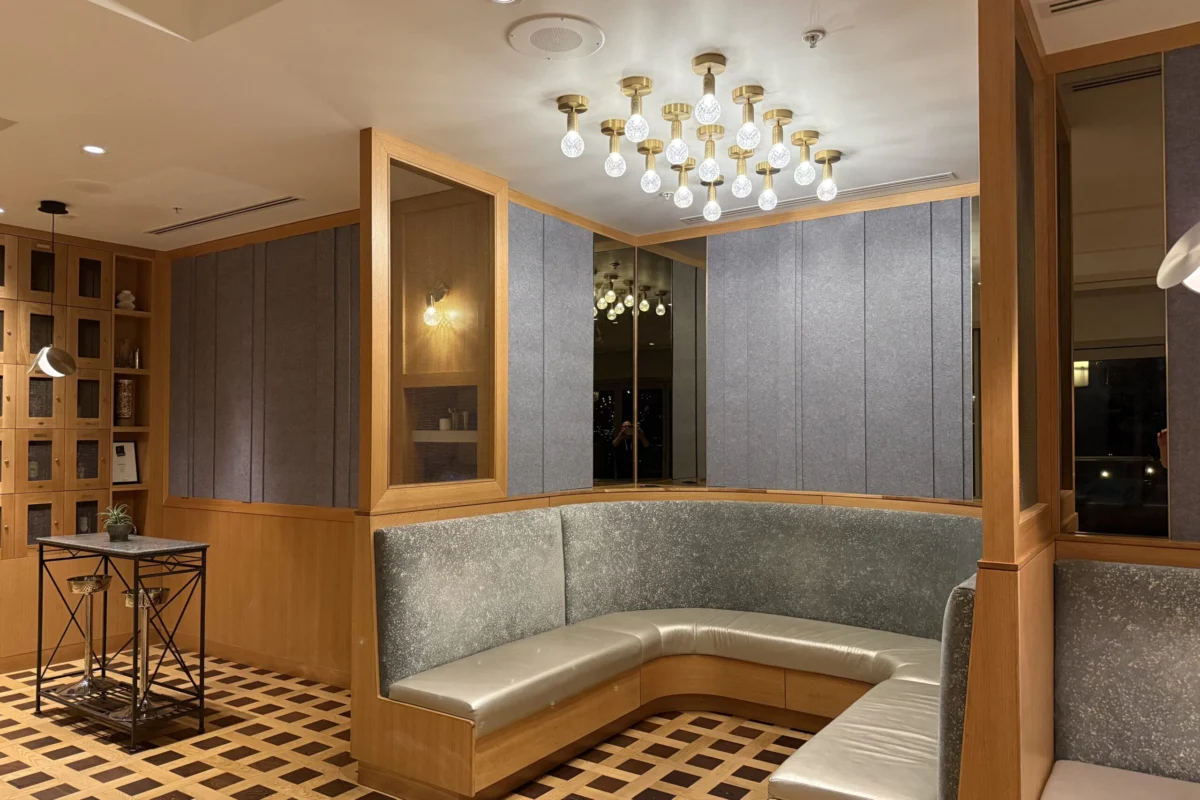
One of the ultimate tests of good acoustic design is when occupants can hear the dramatic improvement in sound quality without visually detecting the treatments. Iain Fletcher, Director of Club Outlets at Vancouver’s prestigious Terminal City Club (TCC)—a facility that has garnered multiple design awards—notes the success of their installation:
"(Terminal City Club) had won several design awards, so we wanted people to hear the difference, but not see the difference. (Since the installation), I have had people ask what we did and where the panels are, so they’ve noticed a difference [in sound], but haven’t seen a difference."
On Scaling from Simple Rooms to Complex Spaces:
Tracey Cochrane, Owner and Manager of Points West Audio Visual and Acoustics, highlights how versatile systems empower integrators to handle virtually any architectural challenge:
"(Primacoustic is) constantly working on products that can be outfitted in all kinds of spaces; right from a simple square room to massive, interesting, and intricate spaces… Primacoustic has helped elevate me as an integrator and what I can present to the customers. They’ve been excellent — right from the product to the service!"
Cochrane also emphasizes the value of modern manufacturer-provided digital tools when dealing with complex, non-standard event spaces:
"I couldn’t even use my traditional calculators to determine the product I needed. [Using Primacoustic’s online tools], I can [input] the dimensions of the room, along with the products… to create a visual for my clients. Instead of me simply saying ‘Here’s my proposed solution,’ I can actually give them a clear picture of the installation."
Implications: Empowering Dealers and Elevating Design Standards
The broader implications of this product evolution extend far beyond individual rooms. For AV integrators, dealers, and acoustic consultants, having access to a scalable, highly adaptable system fundamentally changes their business capabilities.
1. Saying "Yes" to Complex Projects
In the past, integrators might hesitate or decline projects featuring irregular wall angles, exposed historic brickwork, or stringent architectural guidelines out of fear that standard acoustic treatments would ruin the interior design. Scalable systems like EcoScapes remove these barriers, giving professionals the confidence to say "yes" to complex, high-stakes commissions.
2. Bridging the Gap Between Engineering and Aesthetics
For years, interior designers viewed acoustic engineers as adversaries who threatened visual aesthetics with bulky, unattractive panels. Conversely, engineers viewed designers as impractical idealists prioritizing form over function. Flexible systems bridge this divide, offering high-NRC (Noise Reduction Coefficient) performance bundled with infinite visual customization.
3. Sustainability as a Baseline Expectation
As corporate clients and public institutions increasingly mandate green building certifications (such as LEED or WELL), the use of recycled materials like PET plastic ceases to be a mere selling point—it becomes an operational baseline. Systems that combine environmental responsibility with high-end architectural customizability are well-positioned to dominate the commercial and residential construction markets for the foreseeable future.
Conclusion: Transforming the Future of Space
No two projects are identical, and the future of acoustic design clearly belongs to solutions that embrace this reality. By moving past rigid, one-size-fits-all manufacturing and leaning into scalable, customizable, and sustainable systems, brands like Primacoustic are redefining what sound control can achieve.
Whether an architect is tackling a high-tech golf simulator requiring rugged durability, a house of worship demanding pristine vocal clarity without visual distraction, or a high-end restaurant looking to merge sound absorption with custom wall art, the tools are now available to turn acoustic challenges into creative opportunities.
To discover how adaptable acoustic systems can transform your next architectural or interior design project, visit Primacoustic.com to explore their full product catalog, utilize interactive online calculation tools, or book a personalized consultation.