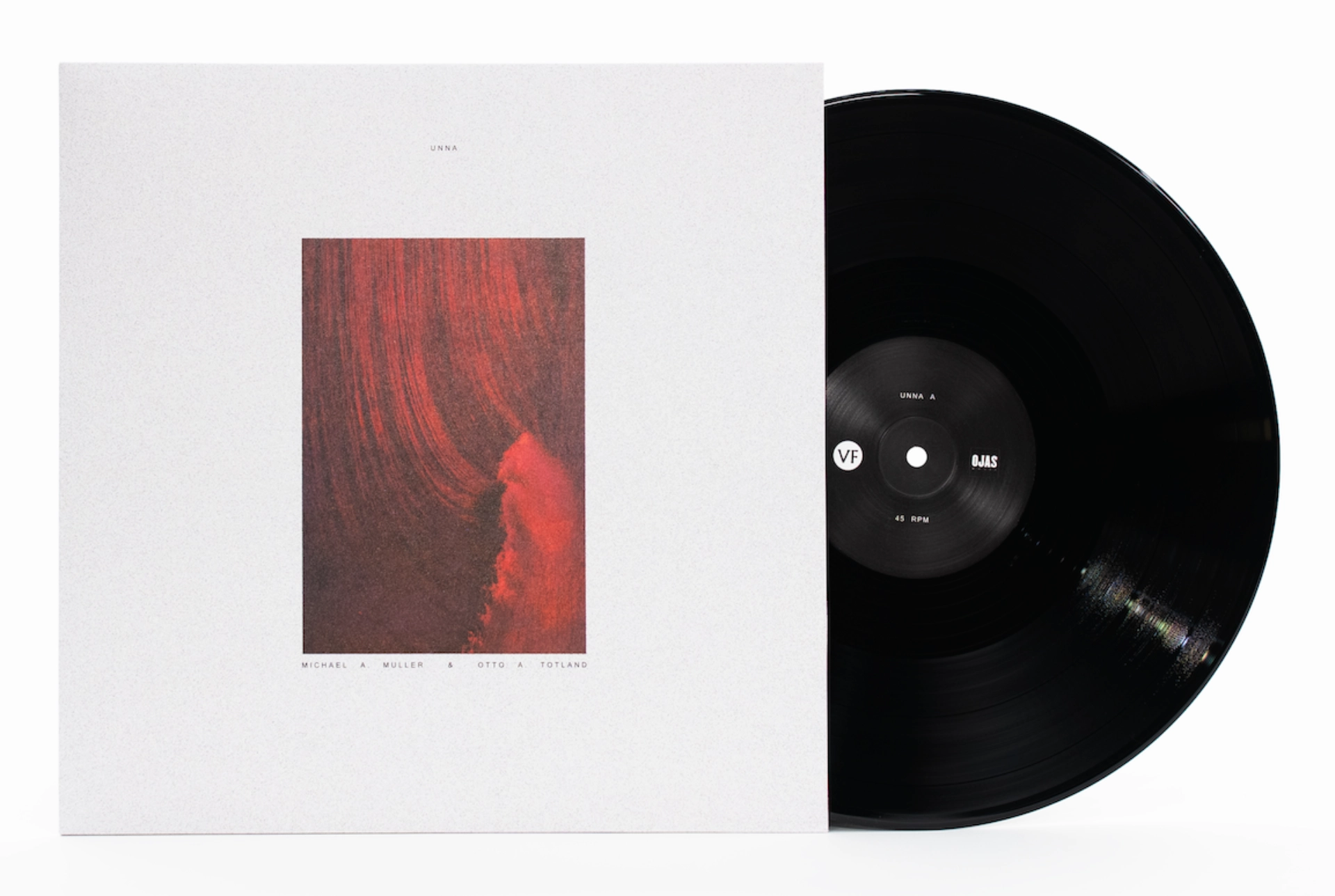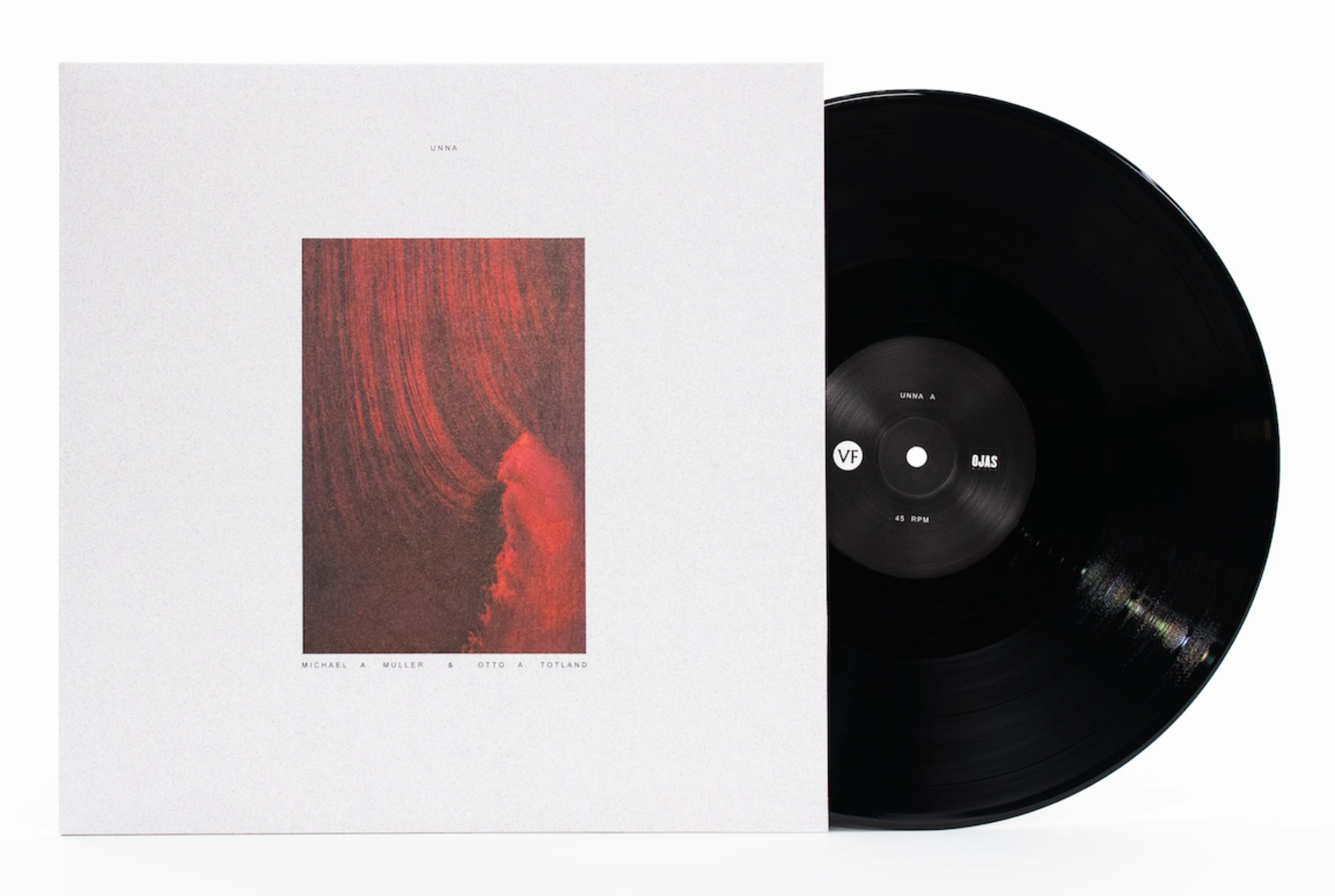
In an era defined by the relentless pace of digital consumption, the launch of Ojas Music—the new record label founded by renowned audio designer Devon Turnbull—marks a deliberate shift toward the haptic, the resonant, and the intentionally slow. The label’s inaugural release, Unna, is a collaborative EP between two titans of modern ambient and minimalist composition: Michael A. Muller of the acclaimed instrumental duo Balmorhea and Otto A. Totland, the Norwegian architect of experimental soundscapes and a core member of Deaf Center.
Released in partnership with The Vinyl Factory, Unna serves as both a sonic manifesto for Ojas Music and a masterclass in minimalist restraint. It is a work that demands the very thing Turnbull’s audio systems are designed to provide: undivided, high-fidelity attention.
The Genesis of a Collaboration: Bridging the Distance
The title Unna—the Norwegian word for "away"—carries a profound double meaning that anchors the project’s identity. It refers, on one hand, to the physical geography separating the two creators: Muller, based in the United States, and Totland, situated in Norway. However, it also serves as a philosophical descriptor for the "flow state," a psychological "away" where the artist recedes from the noise of the external world, allowing the creative impulse to take precedence.
The collaboration represents a seamless blending of two distinct but complementary approaches to composition. Muller, who has long balanced his work with Balmorhea with an extensive solo career and film scoring, brings a textural complexity to the project. Having collaborated with luminaries such as Hania Rani, Alva Noto, Víkingur Ólafsson, and Douglas McCombs of Tortoise, Muller’s ear for arrangement is both seasoned and adventurous.
Totland, conversely, brings the minimalist rigor that made Deaf Center a cornerstone of the Type Records and Sonic Pieces catalogs. His solo piano trilogy, produced in collaboration with the visionary Nils Frahm, established him as a master of the "close-miked" aesthetic—an intimate, granular sound that captures not just the note, but the mechanical life of the instrument itself. On Unna, these two sensibilities coalesce, pairing Totland’s delicate piano work with Muller’s intricate layering of double bass, glockenspiel, Mellotron, and Rhodes, resulting in a soundscape that is as tactile as it is ethereal.
Chronology: From Concept to Audiophile Reality
The journey of Unna is inextricably linked to the evolution of Devon Turnbull’s Ojas brand, a name that has become synonymous with high-end, bespoke audio design and the "listening room" movement.
- The Foundation (2020–2022): Devon Turnbull’s Ojas brand gains international acclaim for its commitment to the "hi-fi" experience, focusing on high-sensitivity speakers and tube amplification. The concept of the listening room—a space designed specifically to strip away the distractions of modern life—begins to take shape.
- The 180 Studios Residency: Turnbull establishes HiFi Listening Room Dream No. 1 at 180 Studios in London. This permanent installation serves as a physical laboratory for sound, allowing listeners to engage with music in an environment where every acoustic variable has been meticulously calibrated.
- The Meeting of Minds: Muller and Totland, having moved in similar avant-garde circles for years, begin a remote dialogue. The project is conceived not as a traditional album-writing process, but as an exercise in distance and reflection.
- Production and Curation: The EP is recorded, with both artists feeding into a collaborative stream of consciousness. The sonic signature is curated to favor the high-dynamic-range capabilities of Ojas systems.
- The Official Release (2026): Ojas Music is formally inaugurated with the release of Unna, limited to a run of 500 hand-pressed 180g vinyl records, signaling the label’s commitment to scarcity and high-quality physical media.
Supporting Data: The Craft of Minimalist Sound
Minimalist music often relies on a high "signal-to-noise" ratio—not in the engineering sense, but in the artistic sense. Every note must justify its existence. Unna achieves this through specific instrumental choices that highlight the "negative space" in music:
- Piano (Totland): The primary instrument, recorded with extreme proximity to capture the felt, the hammers, and the wood. This creates a sense of "presence" that is often lost in digital mastering.
- Textural Counterpoints (Muller):
- Double Bass: Used to provide a warm, subterranean foundation that anchors the lighter piano melodies.
- Mellotron: An analog tape-based instrument that adds a vintage, "haunted" quality to the sustained chords.
- Rhodes: Provides a soft, bell-like timbre that integrates seamlessly with the natural harmonics of the piano.
- Technical Specifications: The release is pressed on 180g vinyl. This weight is chosen for its structural integrity, providing a quieter surface and a more stable rotation, which is essential for the subtle, quiet passages characteristic of ambient music.
Official Responses and Creative Philosophy
In interviews surrounding the project, both Muller and Totland have spoken about the necessity of "slowing down" the creative process.
"The music isn’t meant to be consumed in the background," Muller has noted regarding the collaboration. "It is an active invitation. When Otto and I were working on these tracks, the goal was to find a frequency where the listener felt invited to stop, sit, and exist within the architecture of the sound."

Devon Turnbull’s role as label head reflects a broader shift in the music industry—a return to "curated listening." Turnbull’s philosophy, which permeates his 180 Studios installation, is that the playback system is an instrument in its own right. By launching Ojas Music with Unna, he is asserting that the quality of the playback is just as important as the quality of the composition.
"We are building a bridge between the artist’s intent and the listener’s ear," a spokesperson for Ojas Music stated during the launch. "Ojas Music is not interested in volume; we are interested in clarity, depth, and the emotional resonance that only a well-considered physical medium can provide."
Implications: A New Direction for Ambient Music
The release of Unna has significant implications for the landscape of modern ambient music. Firstly, it marks a move away from the "playlist-friendly" ambient tracks that currently dominate streaming platforms. By focusing on a limited, high-quality physical release, Ojas Music is positioning ambient music as an object of value, similar to a work of visual art or a sculpture.
Secondly, the partnership with The Vinyl Factory highlights the ongoing renaissance of the physical music market. As streaming becomes increasingly commoditized, artists and labels are finding that their most dedicated audiences are seeking out "the experience" of the record—the artwork, the tactile nature of the sleeve, and the ritual of the needle drop.
Finally, Unna serves as a prototype for the "Ojas sound." It suggests a future where the label might act as a boutique curator of "audiophile-grade" ambient music, bringing together composers who prioritize the physical characteristics of sound—resonance, decay, and timbre—over structural complexity or rhythmic drive.
For the listener, Unna is an invitation to retreat. In a world of infinite, fragmented sound, Muller and Totland have provided a singular, coherent space. Whether heard through the curated acoustics of a listening room or the quiet solitude of a home setup, the EP stands as a testament to the power of the minimalist aesthetic to convey profound, complex emotion.
As we look forward to future releases from Ojas Music, one thing is clear: the era of "disposable audio" is being challenged. In its place, artists like Muller and Totland, supported by platforms like Ojas and The Vinyl Factory, are ushering in a return to the sanctity of the record, the stillness of the room, and the transformative potential of silence.
Unna is available for purchase exclusively through The Vinyl Factory. Given the limited production of 500 copies, it is poised to become a sought-after artifact for collectors and audiophiles alike, representing a rare moment of synergy between design, engineering, and pure artistic expression.