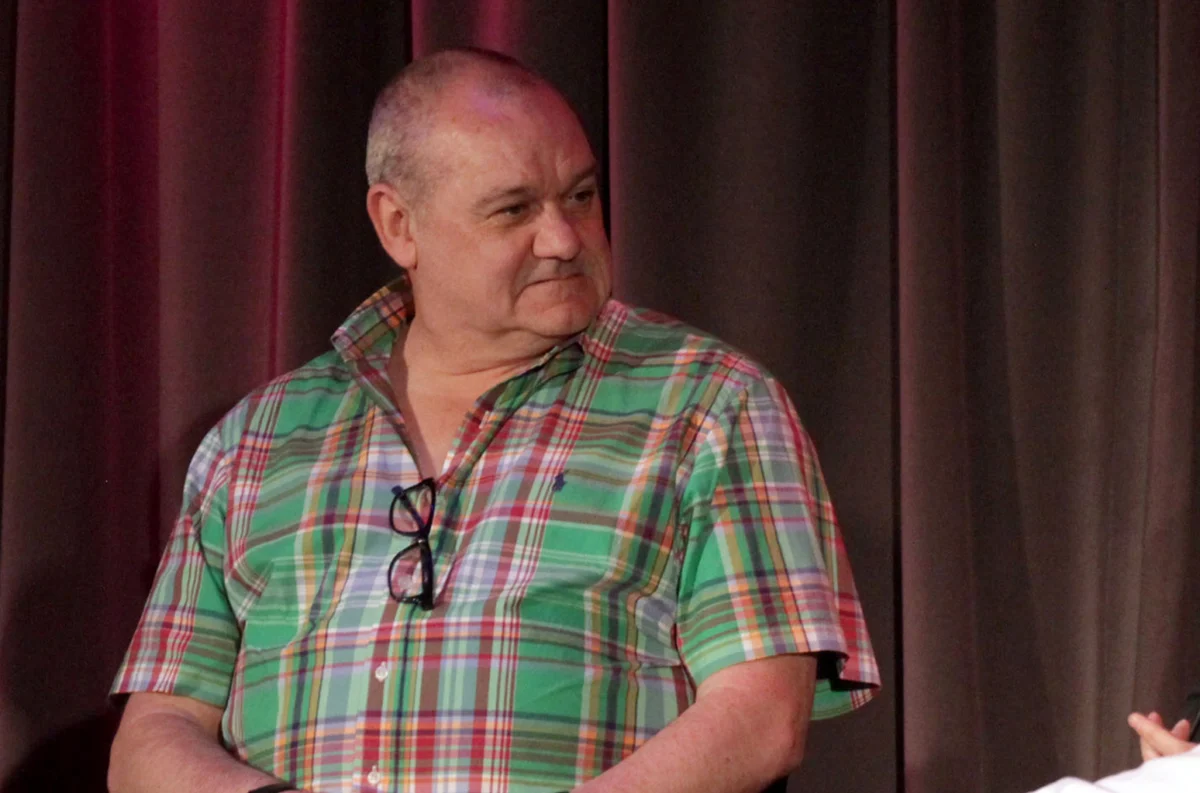
The global music community is mourning the loss of a generational talent. Tay Keith, the Grammy-nominated Memphis producer who redefined the sound of contemporary hip-hop and chart-topping radio, passed away suddenly last week at the age of 29. His death, which occurred amidst the somber backdrop of the Juneteenth and Father’s Day weekend, has sent shockwaves through the industry, triggering an unprecedented outpouring of grief from the artists, peers, and collaborators who viewed him not just as a beat-maker, but as a central pillar of the modern soundscape.
The Man Behind the Tag: A Brief Chronology of a Meteoric Rise
Born in Memphis, Tennessee—a city with a rich, storied history of musical innovation—Tay Keith (born Brytavious Chambers) emerged from the underground rap circuit to become one of the most sought-after producers in the world. His ascent was not a gradual climb but a rapid explosion.
Keith’s early career was defined by his deep-rooted bond with fellow Memphis artist BlocBoy JB. The two worked in tandem, refining a gritty, high-energy aesthetic that would eventually capture the ear of global superstars. The watershed moment arrived in 2018 with the release of "Look Alive," featuring Drake. The track did more than just hit the charts; it solidified the "Tay Keith" producer tag as a hallmark of quality and commercial viability.
Following the success of "Look Alive," Keith’s trajectory became vertical. He became a staple of the Billboard Hot 100, crafting the sonic backdrops for artists ranging from Travis Scott to Beyoncé. In a career that spanned less than a decade, he achieved what many producers spend lifetimes striving for: the creation of a distinct, recognizable sound that defined the zeitgeist of his era.
The Numbers Game: Charting the Impact of a Hitmaker
To understand the magnitude of Tay Keith’s loss, one must look at the data. His influence on the charts was not merely incidental; it was structural. Over his short but prolific career, he secured 11 top 10 hits on the Billboard Hot 100, four of which reached the pinnacle at No. 1.
His dominance was perhaps most felt on the Hot R&B/Hip-Hop Songs chart. Keith holds the record for the most No. 1 singles on that chart this decade, with six entries to his name. This feat underscores his ability to pivot between the raw, localized sound of Memphis street rap and the polished, expansive requirements of pop-crossover hits.
Key Tracks Defining His Legacy:
- "Look Alive" (BlocBoy JB ft. Drake): The breakout anthem that introduced his signature style to the masses.
- "Sicko Mode" (Travis Scott): A complex, multi-part masterpiece that highlighted Keith’s ability to handle intricate, experimental arrangements.
- "First Person Shooter" (Drake ft. J. Cole): A testament to his continued relevance and ability to work with the industry’s top-tier lyricists.
- "Get It Sexyy" (Sexyy Red): A viral sensation that cemented his role as a kingmaker for the next generation of hip-hop stars.
Beyond these staples, Keith showed a remarkable versatility, lending his production prowess to pop icons like Miley Cyrus and exploring the nuances of U.K. drill and grime with artists such as Aitch and AJ Tracey.
A Peer-to-Peer Perspective: The Industry Responds
The emotional response to Keith’s passing speaks volumes about his character. He was known among his peers as a humble, tireless collaborator who kept his circle tight and his work ethic relentless.
BlocBoy JB, who grew alongside Keith from their early days in Memphis, shared raw, unfiltered grief on Instagram. His messages, accompanied by archived photos of the pair, painted a picture of a profound friendship. "Damn Cuz You Just Hurt Me Bad," BlocBoy wrote. "We talked everyday yeen tell me you was leaving." The sentiment was echoed by others who noted that Keith’s communication style was one of his defining traits—he was always "plugged in," always working, and always present for his friends.
Drake, who arguably provided the global platform that launched Keith into the stratosphere, issued a formal tribute on Instagram. "Endless and eternal gratitude for your spirit and your contributions to this thing that we all love so much," Drake noted. "You will be deeply missed."
St. Louis rapper Sexyy Red, who credited much of her commercial success to Keith’s guidance and production, posted a heartfelt tribute calling him "bruddaaa." Her words—"Blood in blood out. We brothers but not related"—highlight the familial bonds that Keith fostered within the industry. He was not merely a vendor of beats; he was a mentor and a brother to the artists he worked with.
Implications for the Future of Production
The sudden void left by Tay Keith’s passing raises questions about the future of the Memphis sound and the evolving role of the producer in the streaming era. Keith was a bridge between eras. He understood the heritage of Southern rap—the heavy 808s, the syncopated hi-hats, and the dark, atmospheric synthesizers—and successfully translated that language into a universal format that resonated from Tokyo to London to New York.
His legacy lies not just in the hits, but in the blueprint he provided for independent producers. He proved that an artist could maintain their regional identity while achieving global saturation. The "Tay Keith" tag became a symbol of trust for listeners; when it played at the beginning of a track, the audience knew they were about to hear something that commanded attention.
As the industry reflects on his contributions, there is a growing conversation about the toll of the "hitmaker" lifestyle. The relentless pace of the music industry, characterized by constant creation, viral expectations, and the pressure to maintain a streak of hits, is a weight that few are prepared to carry. Keith carried it with a grace that masked the intensity of his labor.
Remembering the Man, Not Just the Music
While the charts will eventually move on to the next trend, the loss of Tay Keith represents a significant chapter closing in the history of 21st-century music. He was a 29-year-old visionary who had arguably only scratched the surface of his creative potential.
Friends and collaborators have emphasized that behind the accolades and the plaques were a man of deep faith, a dedicated father, and a loyal friend who never forgot where he came from. He remained deeply connected to Memphis, often using his platform to uplift local talent and reinvest in the community that shaped his early sensibilities.
The outpouring of condolences from across the musical spectrum—from the top of the Billboard charts to the underground clubs of Tennessee—is a testament to his reach. He was a connector, a creator, and a constant presence.
In the coming months, we will likely see tributes, posthumous releases, and a reassessment of his catalog. However, the most lasting tribute to Tay Keith will be the continued resonance of his sound. Every time a producer layers a crisp 808 under a catchy hook, or a rapper drops a verse that demands to be played at full volume, the influence of the man from Memphis will be felt.
Tay Keith may have left the stage far too early, but the symphony he helped compose for the world will continue to play. His spirit, as Drake so aptly put it, remains eternal—woven into the very fabric of the music we love.
As we look back at the 10 songs that defined his career, we aren’t just listening to music; we are witnessing the architectural brilliance of a young man who, in his short 29 years, managed to change the sound of a generation. He was, and remains, the architect of the trap era, a legend who turned the volume up on the world, and in doing so, ensured he would never be silenced.