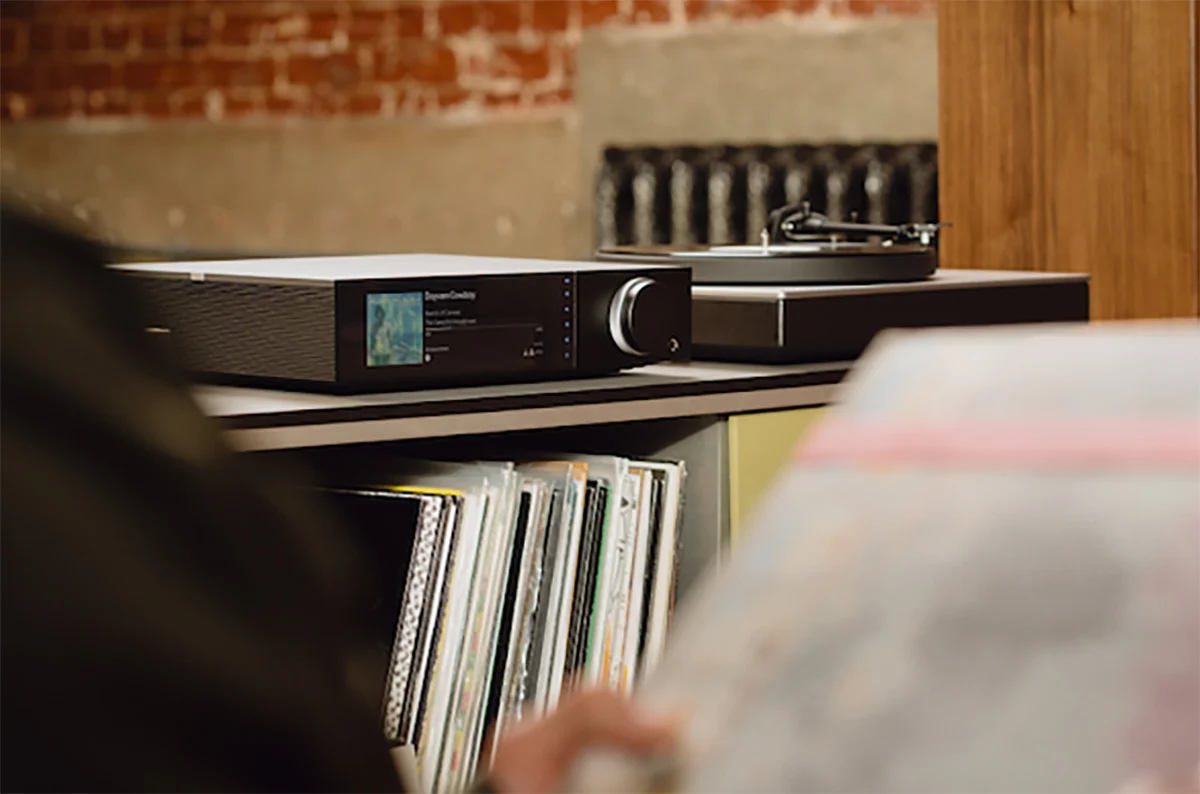
In the rapidly shifting landscape of modern high-fidelity audio, the convergence of convenience and uncompromising sonic performance has often been a point of contention for audiophiles. The traditional "component stack"—separate pre-amps, power amps, and network streamers—has long been the gold standard, but it often demands significant shelf space and complex cabling. Today, the release of the new Evo 300 streaming amplifier represents a paradigm shift, promising to synthesize the raw power of a reference-grade amplifier with the surgical precision of modern digital streaming.
Main Facts: The Anatomy of the Evo 300
At its core, the Evo 300 is engineered to be a comprehensive "all-in-one" solution for the modern listener. Boasting a robust 300 watts of power per channel, the unit is designed to drive even the most demanding floor-standing speakers with ease. However, power is merely a byproduct of its design philosophy rather than its primary goal. The manufacturer has prioritized "composed" power—a refined delivery characterized by wide dynamic range, immense soundstage scale, and deep, authoritative low-end control.
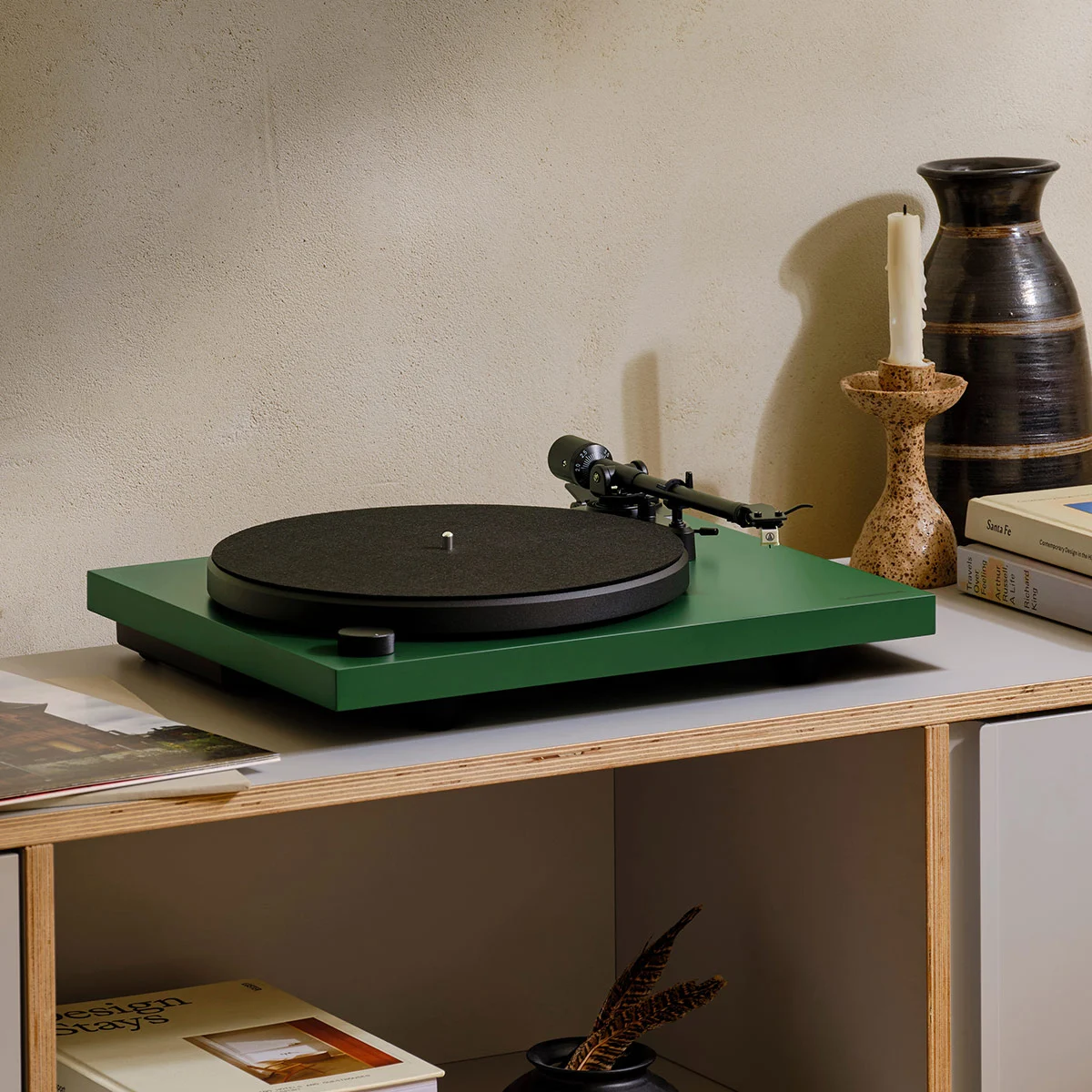
The device serves as a central hub for an entire home audio ecosystem. It features an integrated streaming engine, a dedicated phono input for vinyl enthusiasts, and high-bandwidth digital inputs designed for television integration. Essentially, the Evo 300 is a "just add speakers" solution, effectively eliminating the need for external DACs, separate streamers, or outboard amplification.
Chronology: From Concept to Consumer
The development of the Evo 300 was not a hasty response to market trends but rather the culmination of years of iterative engineering.
- Initial Concept Phase: The project began with a singular focus: to redefine the "premium streaming" category. Engineers moved away from the idea of simply packing more power into a chassis, shifting focus toward signal integrity and dual-mono architecture.
- The Prototyping Stage: Throughout the development cycle, the team focused on eliminating interference. By implementing a dual-mono design from the ground up, the engineers ensured that left and right channels operate in complete electrical isolation. This move was intended to eliminate crosstalk, which often muddies the stereo image in lesser integrated units.
- Refinement and Integration: Mid-development saw the incorporation of the award-winning StreamMagic platform. This software layer was essential to ensure that the hardware’s internal power was matched by a seamless, intuitive user interface.
- Final Launch: Following rigorous testing and fine-tuning of the DAC integration—specifically the ESS Sabre ES9038Q2M—the product was finalized to offer what the company claims is the "finest Evo" iteration to date.
Supporting Data: Engineering Excellence Under the Hood
The technical specifications of the Evo 300 reveal why it sits at the premium tier of the audio market. The decision to utilize the ESS Sabre ES9038Q2M DAC is particularly telling. This chip is widely regarded as a reference-grade component, known for its ability to decode high-resolution digital audio with near-zero jitter and exceptional bit-perfection.

The Dual-Mono Advantage
The dual-mono configuration is the cornerstone of the Evo 300’s performance. In standard integrated amplifiers, shared power supplies and circuitry often lead to a "collapsed" soundstage. By ensuring that "nothing shares and nothing compromises," the Evo 300 preserves the phase accuracy of the original recording. When a sound is intended to emanate from the far left of the room, the dual-mono separation ensures that the electrical path for that signal remains isolated from the right-channel processing.
The StreamMagic Platform
Hardware is only as good as the software that controls it. The inclusion of the StreamMagic platform addresses the most common pain point in modern hi-fi: connectivity. Whether a user is pulling tracks from a high-resolution service like Qobuz, accessing a local NAS drive, or streaming via Roon, the platform manages the handshake between the network and the DAC without introducing latency or packet loss.
Official Responses and Expert Insight
In a recent technical demonstration, the company’s Community Manager, Liam, provided an in-depth walkthrough of the Evo 300, emphasizing that the primary design objective was composure. "We didn’t set out to build our most powerful amplifier," Liam noted. "We set out to build our most composed one."
This focus on composure—the ability of an amplifier to remain "unflappable" during complex musical passages—is what separates boutique audio from consumer-grade electronics. When an orchestra swells or a heavy bass line hits, many amplifiers struggle, leading to harmonic distortion. The Evo 300, according to the official product briefing, manages these fluctuations by maintaining a stable voltage rail and an oversized power supply, ensuring that the 300 watts on tap remain clean, regardless of the load presented by the speakers.
Implications: The Future of High-Fidelity Audio
The release of the Evo 300 has significant implications for the audio industry. We are currently witnessing a "democratization of hi-fi," where high-end performance is no longer gated behind the need for a dedicated room filled with racks of equipment.

Space Efficiency and Aesthetics
For the modern urban dweller or the design-conscious homeowner, the Evo 300 solves the "lifestyle" problem. It removes the aesthetic clutter of multiple black boxes while maintaining the audio quality that audiophiles demand. The elegant industrial design suggests that high-fidelity audio is evolving into a lifestyle centerpiece rather than a niche hobbyist pursuit.
Longevity and Digital Upgradability
Because the Evo 300 relies on the StreamMagic software platform, the product has a longer life cycle than traditional analog amplifiers. Through over-the-air firmware updates, the device can gain compatibility with new streaming codecs or UI improvements, ensuring that the "premium" investment remains relevant for years to come. This represents a sustainable approach to high-end audio, contrasting with the "replace-every-five-years" cycle common in lower-tier consumer electronics.
The Convergence of Home Theater and Hi-Fi
By explicitly mentioning TV integration, the Evo 300 acknowledges the reality of the modern home: the living room television is now the primary hub for entertainment. By routing TV audio through a high-end DAC and a robust amplification stage, the Evo 300 elevates the standard "soundbar" experience to a true cinematic soundstage. This convergence suggests that the future of home audio is not about choosing between music and movies, but rather demanding that both be served with equal fidelity.
Conclusion
The Evo 300 streaming amplifier stands as a testament to the idea that sophisticated engineering can exist within a compact, user-friendly package. By combining the raw power of 300 watts with the nuanced precision of a reference-grade ESS Sabre DAC and the flexibility of the StreamMagic platform, the device addresses the core needs of the modern music lover.
Whether one is a collector of vinyl, a streamer of high-resolution digital files, or someone looking to enhance their cinematic experience, the Evo 300 offers a compelling case for simplifying the audio chain without sacrificing the soul of the music. As the industry continues to push toward wireless and integrated solutions, the Evo 300 provides a blueprint for what a premium, high-fidelity future looks like: powerful, composed, and effortlessly connected. For those who have been waiting for the right moment to upgrade their home system, the Evo 300 suggests that the wait is finally over.