The dream of replicating the commercial cinema or public stadium experience in the comfort of one’s backyard has become a major trend in home entertainment. Driven by the democratization of projection technology and a post-pandemic embrace of outdoor hosting, consumers are increasingly attempting to move their screens outside. However, as experienced audiovisual professionals have discovered, translating a high-end indoor AV experience to an outdoor setting is fraught with physical, optical, and environmental challenges.
This article analyzes a real-world case study conducted by Tom Parsons, a veteran TV and AV editor with nearly two decades of product testing experience. Despite his extensive background in reviewing state-of-the-art displays, Parsons’ attempt to build a temporary 150-inch outdoor theater for the World Cup highlighted the steep learning curve associated with outdoor AV installations.
1. Main Facts: The Core Challenges of Outdoor AV
When designing an outdoor entertainment system, consumer expectations often clash with the laws of physics. The primary difficulties of outdoor projection can be categorized into three distinct areas:
- Luminance Competition: Indoor projectors are designed for light-controlled environments. When placed outdoors, even under overcast skies, they must compete with ambient daylight. A standard indoor lifestyle projector rarely possesses the necessary light output (measured in ANSI lumens) to produce a visible image before twilight.
- Material Science of Projection Screens: Budget portable screens often prioritize compact storage and ease of assembly over optical performance. Standard white sheets lack light-blocking backings, allowing projected light to pass through the material rather than reflecting it back to the audience.
- Environmental and Thermal Realities: Unlike climate-controlled living rooms, outdoor spaces are subject to rapid temperature drops, wind, and humidity. In temperate climates like the United Kingdom, the ideal darkness required for projection often coincides with uncomfortably low nighttime temperatures, requiring additional climate-control planning (such as fire pits or patio heaters).
2. Chronology of the Experiment
To understand how these challenges manifest in a real-world scenario, it is useful to examine the timeline of Parsons’ experimental setup, which took place during an evening broadcast of a international football match.
+-----------------------------------------------------------------+
|                           TIMELINE                              |
+-----------------------------------------------------------------+
|  18:00 PM - Initial Hardware Deployment                         |
|            • Projector positioned on temporary hi-fi racks      |
|            • Mains power run via outdoor extension cables       |
|            • 150-inch screen hung over dining room windows      |
+-----------------------------------------------------------------+
|  18:15 PM - First Calibration & Immediate Failure               |
|            • Projector powered on in overcast daylight          |
|            • Image completely washed out by ambient light       |
|            • Moving unit closer yields only a tiny, unusable box|
+-----------------------------------------------------------------+
|  20:00 PM - Match Kick-Off                                      |
|            • Image remains unwatchable outdoors                 |
|            • Viewers retreat indoors to watch the first half    |
+-----------------------------------------------------------------+
|  20:45 PM - Half-Time Transition (Sunset)                       |
|            • Ambient light levels drop significantly            |
|            • Projector moved back to achieve full 150" image    |
|            • Autofocus stabilizes; image quality becomes decent |
+-----------------------------------------------------------------+
|  21:00 PM - Environmental Interruption                          |
|            • Ambient temperatures drop rapidly                  |
|            • Thermal discomfort forces viewers back indoors     |
+-----------------------------------------------------------------+
Phase 1: Planning and Equipment Selection
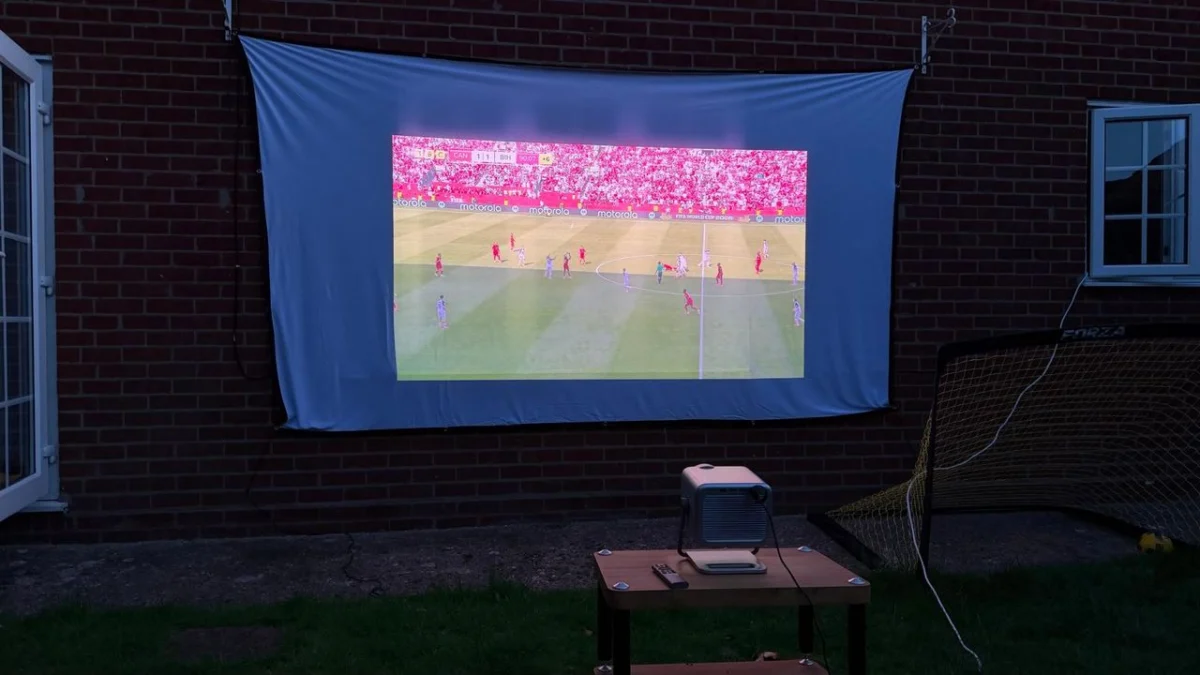
In preparation for the summer sports season, Parsons negotiated the use of a exterior wall. Because the windows of his home limited permanent wall space, he opted for a temporary, hanging screen solution. To achieve a massive 150-inch image, projection was selected over a flat-panel television.
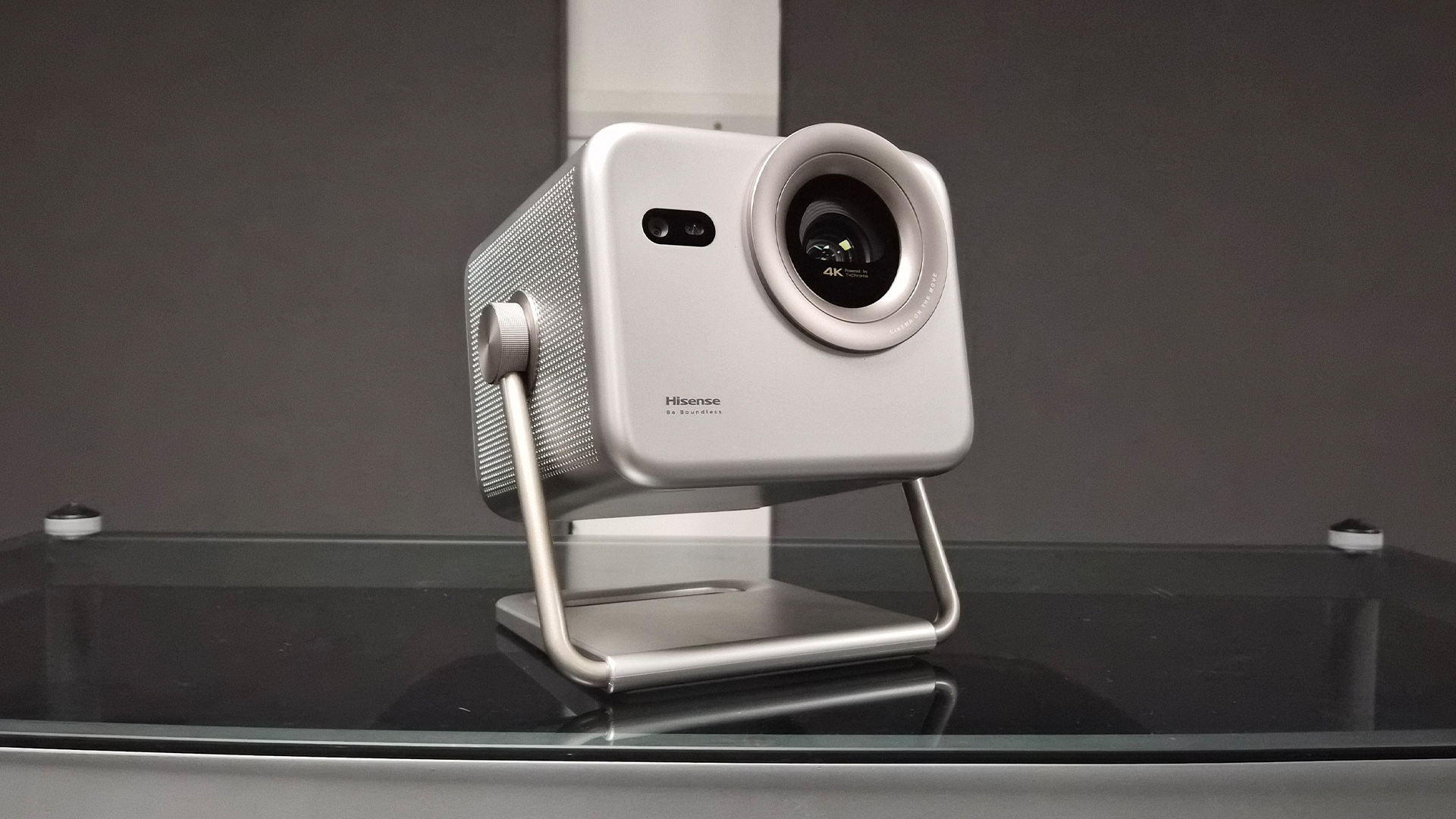
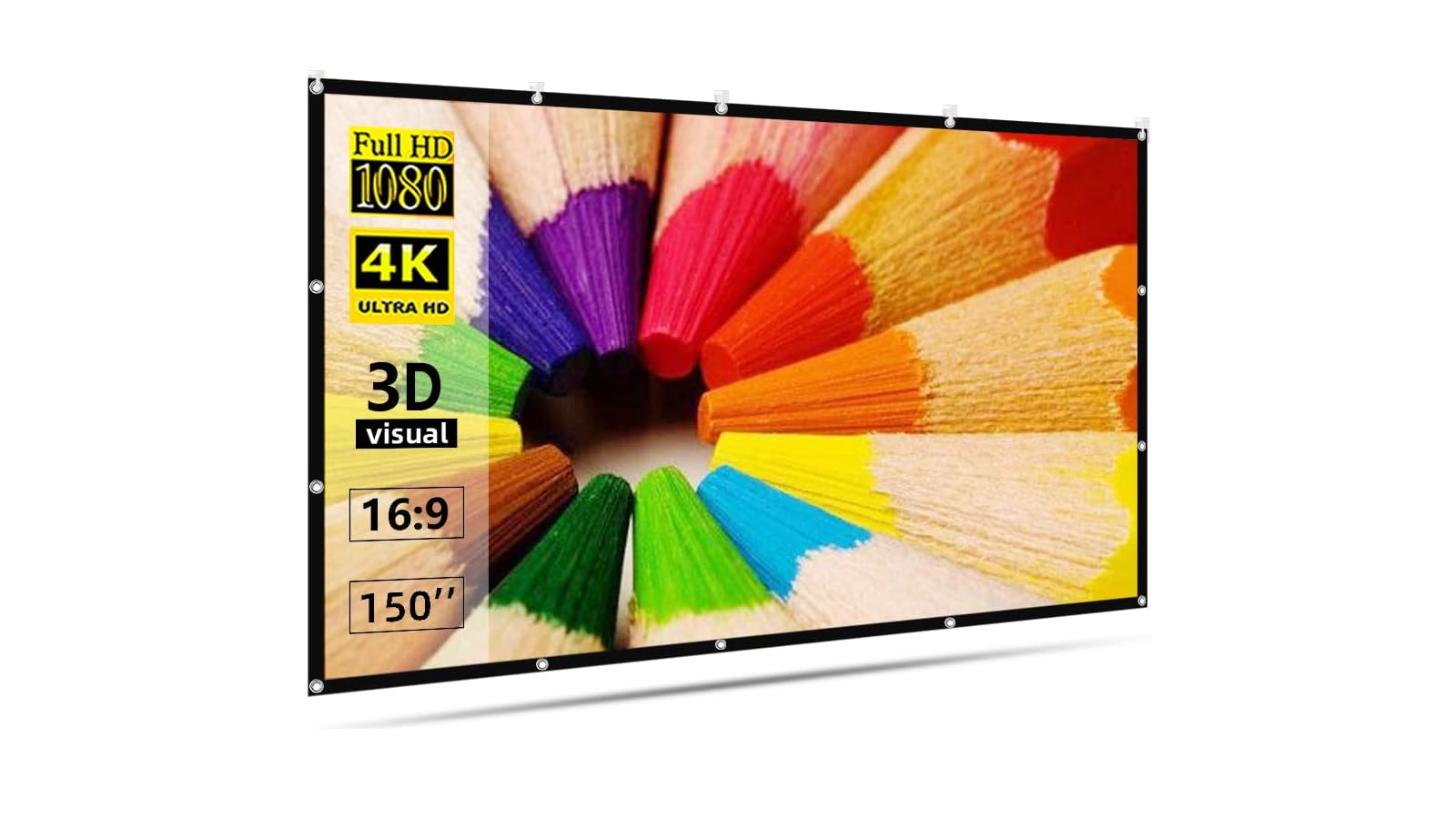
For the display source, Parsons selected the Hisense M2 Pro, a highly rated, compact lifestyle projector from the What Hi-Fi? testing inventory. It featured integrated smart platforms (including BBC iPlayer and ITVX) and a rated brightness of 1,300 ANSI lumens. For the screen, he purchased a highly rated, budget-friendly 150-inch portable screen from Amazon for £36.
Phase 2: Deployment and Initial Failure (18:00 BST)
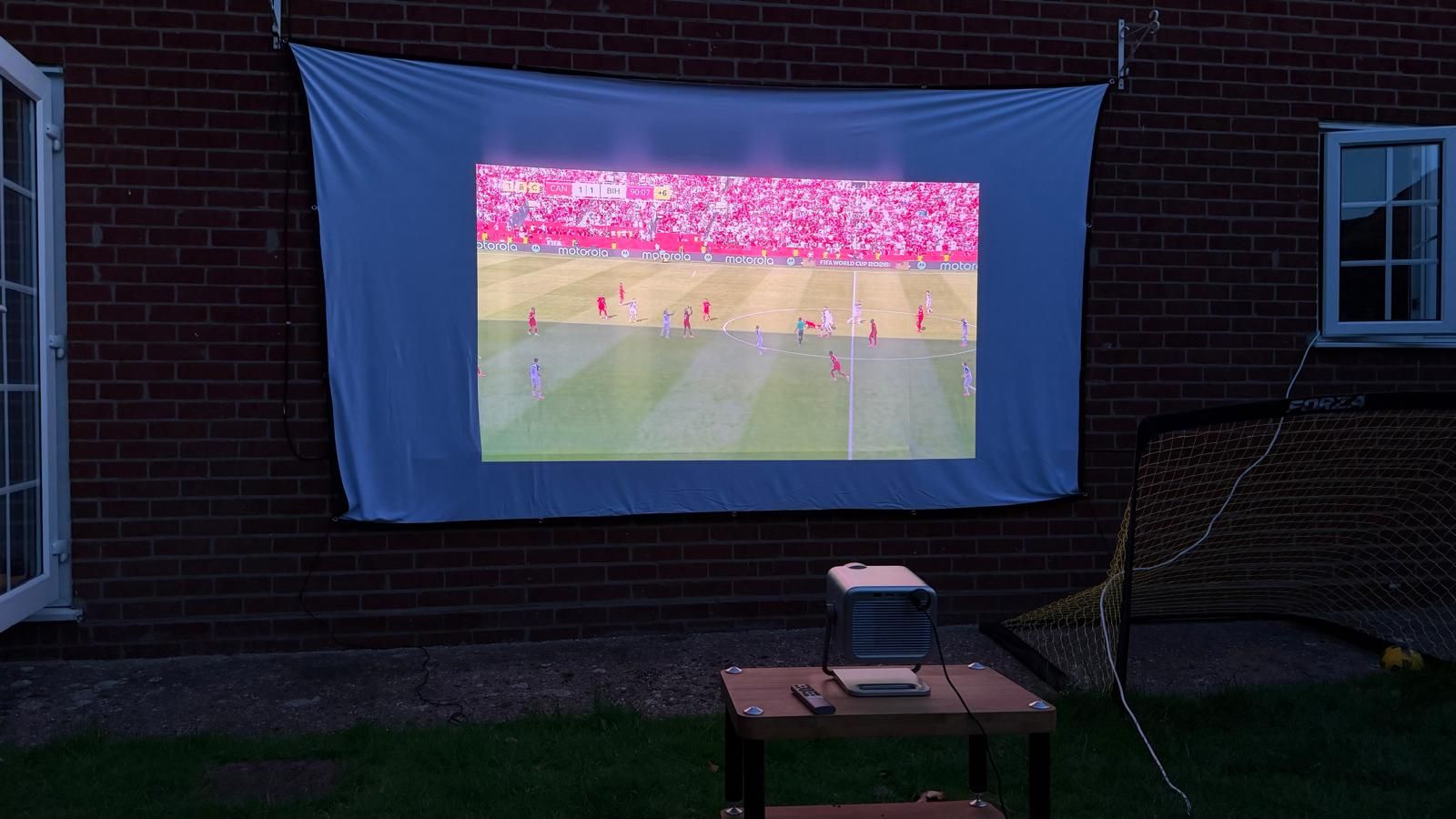
Two hours prior to the 20:00 BST kick-off, Parsons began setting up the equipment. He positioned the projector on a modular hi-fi rack, ran a heavy-duty extension cable across the lawn, and hung the screen across his dining room windows using ropes and hanging basket brackets.
Upon powering up the system under an overcast evening sky, the image was entirely invisible. Even when the projector was moved to within inches of the screen, the 1,300-lumen light source could not overcome the ambient daylight.
Phase 3: The Retreat and Nightfall Success (20:00 – 20:45 BST)
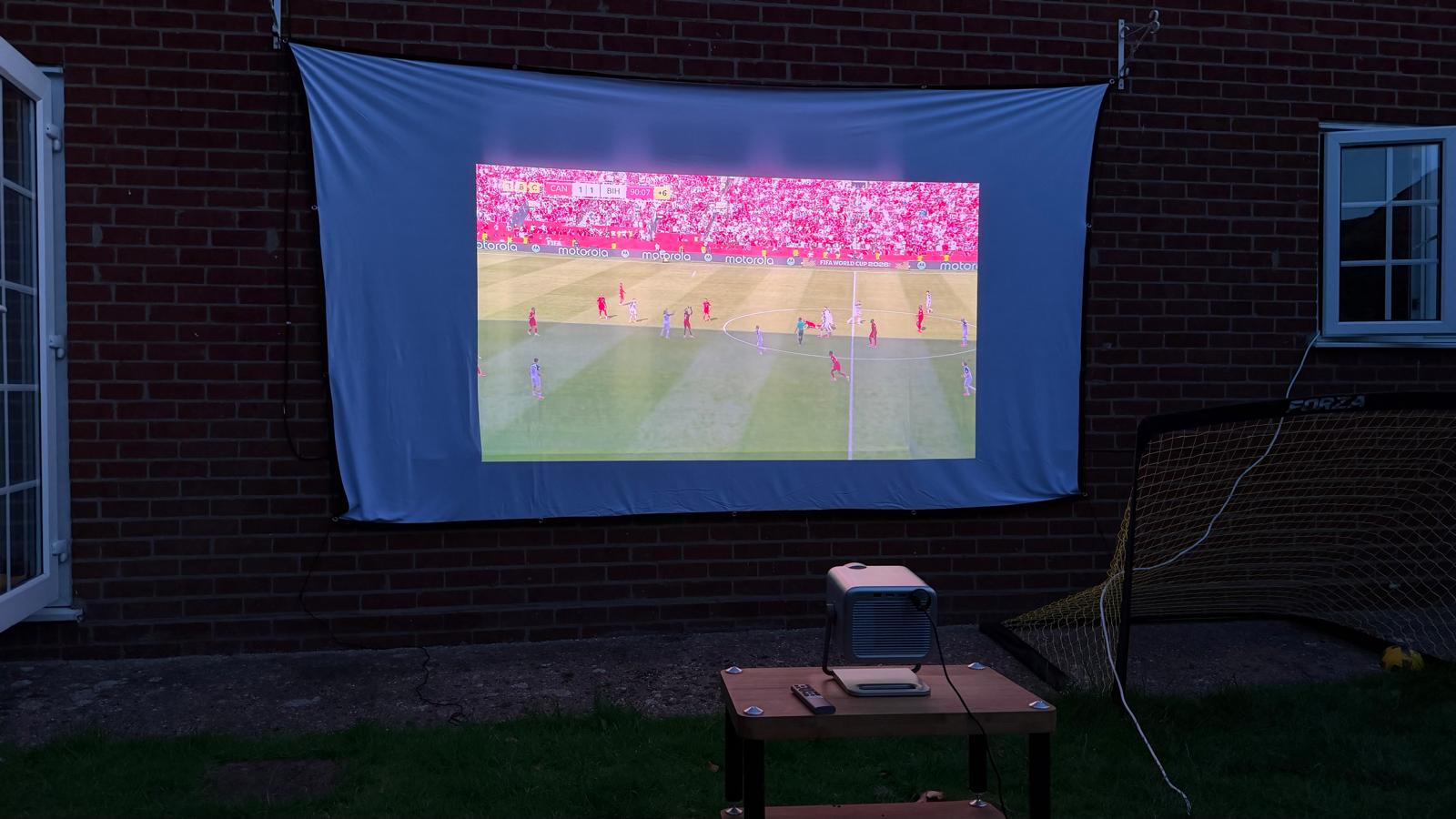
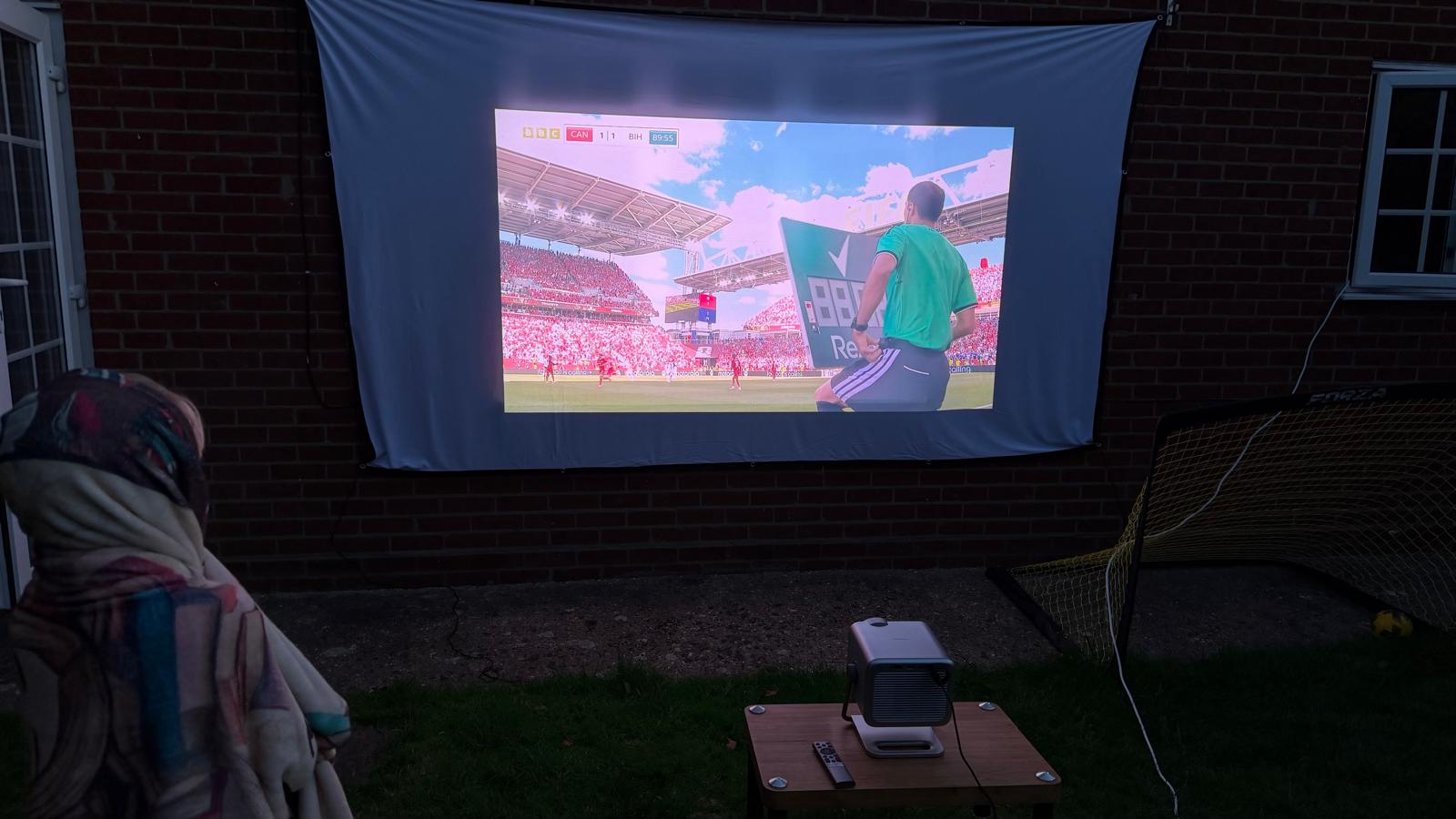
With the match underway and the screen still washed out, the family was forced to watch the first half of the game indoors on a standard television. It was not until half-time, as the sun fully set, that the outdoor system became viable. With ambient light minimized, the Hisense M2 Pro produced a sharp, colorful, and highly watchable 150-inch image, utilizing its automatic focus and keystone correction to adapt to the temporary positioning.
Phase 4: The Weather Intervention (21:00 BST)
While the optical problems were resolved by darkness, a new environmental issue arose. The temperature dropped rapidly, making outdoor viewing uncomfortable without heavy blankets and specialized outdoor heating. Within ten minutes of the second half, the viewers abandoned the outdoor cinema and returned indoors.
3. Supporting Data and Technical Analysis
To successfully implement an outdoor theater, consumers must understand the technical specifications that govern light projection and screen reflection.
The Physics of Lumens and Ambient Light
Projector brightness is measured in ANSI lumens. To project a clear image, the light output of the projector must be significantly higher than the ambient light reflecting off the screen surface.
| Environment | Recommended Brightness (ANSI Lumens) | Viability of 1,000–1,500 Lumen Projectors |
|---|---|---|
| Pitch Black / Dedicated Room | 1,000 – 1,500 | Excellent |
| Indoor Room (Moderate Ambient Light) | 2,000 – 3,000 | Acceptable (at reduced screen sizes) |
| Outdoor Twilight / Golden Hour | 3,000 – 4,000 | Poor (requires high-gain screen) |
| Outdoor Daylight (Overcast) | 5,000 – 10,000+ | Unusable |
| Direct Sunlight | 20,000+ | Unusable (requires commercial LED walls) |
Screen Gain and Material Density
The £36 Amazon screen used in Parsons’ experiment represents a common consumer pitfall. These budget screens are typically made of thin, elastic polyester blends.
- Light Transmission: Without an opaque, light-blocking black backing, a significant percentage of the projected light passes directly through the screen rather than reflecting back to the viewer’s eyes. This drastically reduces the perceived brightness and contrast of the image.
- Ambient Light Rejecting (ALR) Technology: High-end outdoor screens utilize ALR technology. These screens feature microscopic triangular structures that reflect light originating from the projector’s specific angle toward the audience, while absorbing or diverting ambient light coming from above or the sides.
Standard Cheap Screen (Polyester)       Ambient Light Rejecting (ALR) Screen
     Projector Light                         Projector Light


   =========v=========                     =========v=========
   /   |                                 /        /        /
  /    |          (Light passes         /        /        /  (Light is directed
 Back  Viewer  Through Screen)          Viewer   Viewer   Viewer  to the audience)
4. Industry Standards and Expert Guidelines
AV manufacturers and custom installers maintain strict guidelines for deploying projection equipment outside of controlled indoor environments.
Ingress Protection (IP) Ratings
Standard indoor projectors lack IP ratings, meaning they have no certified protection against solids (dust) or liquids (moisture).
- Condensation Hazards: As evening temperatures drop, relative humidity rises, causing dew to form on cool surfaces. Running a non-IP-rated projector in these conditions can introduce moisture to high-voltage internal components, causing short circuits or permanent optical damage.
- Thermal Regulation: Indoor projectors rely on internal fans designed to operate within narrow ambient temperature ranges (typically 5°C to 35°C). Outdoor heat or cold can cause the light source to overheat or fail prematurely.
Safety and Electrical Standards
According to national electrical codes, any temporary outdoor AV installation must utilize Ground Fault Circuit Interrupter (GFCI) outlets to prevent electrical shock in damp conditions. Cables must be outdoor-rated (such as SJTW cabtyre cables) to withstand physical wear and moisture exposure.
5. Implications for the Consumer AV Market
The challenges documented in Parsons’ experiment have broader implications for the consumer technology sector and market trends.
The Expectation vs. Reality Gap
Marketing materials for portable lifestyle projectors frequently depict families enjoying bright, high-contrast movies in sun-drenched backyards or during early evening barbecues. These images are often simulated or highly stylized, creating unrealistic consumer expectations. When buyers discover that their new devices require near-total darkness to function outside, returns and product dissatisfaction rise.
+-----------------------------------------------------------------+
|              OUTDOOR ENTERTAINMENT SYSTEM COSTS                 |
+-----------------------------------------------------------------+
|  Budget DIY Setup                                               |
|  • Lifestyle Projector (1,300 lm):  $600                        |
|  • Budget Polyester Screen:         $50                         |
|  Total: $650 (High environmental limitations)                    |
+-----------------------------------------------------------------+
|  Mid-Range Semi-Pro Setup                                       |
|  • High-Lumen Projector (3,500 lm): $1,200                      |
|  • Outdoor ALR Screen:              $400                        |
|  Total: $1,600 (Good twilight performance)                      |
+-----------------------------------------------------------------+
|  Premium Dedicated Outdoor TV Setup                             |
|  • Weatherproof Outdoor TV (75"):   $6,000                      |
|  Total: $6,000 (All-weather, true daylight performance)         |
+-----------------------------------------------------------------+
The Rise of Dedicated Outdoor Displays
Due to the optical limitations of projection, the market is seeing a surge in dedicated outdoor televisions, such as Samsung’s "The Terrace" or Peerless-AV’s Neptune series. These displays offer:
- Ultra-High Brightness: Often exceeding 2,000 nits (compared to 300–500 nits on standard indoor TVs) to combat direct sunlight.
- IP56-Rated Weatherproofing: Allowing the units to remain permanently mounted outdoors year-round, resistant to rain, snow, dust, and insects.
- Anti-Glare Coatings: Specialized polarizers that minimize reflections from the sky and surrounding environment.
While these outdoor televisions provide a superior viewing experience during daylight hours, their high cost remains a barrier for the average consumer, keeping the demand for temporary, budget-friendly projector setups high.
Conclusion
Tom Parsons’ backyard experiment serves as a cautionary tale for tech enthusiasts. While modern lifestyle projectors offer impressive performance indoors, setting up an outdoor theater requires careful planning beyond simply choosing a high-quality display. Achieving a successful outdoor cinema requires high-lumen output, specialized screen materials, and proper weather planning. Without these elements, home cinema enthusiasts will likely find themselves retreating indoors, leaving the outdoor screens dark.