The digital audio landscape is currently undergoing a seismic shift. As the barriers between traditional podcasting and long-form video content continue to dissolve, creators and networks are finding that growth is no longer solely dependent on RSS feeds and directory submissions. Instead, the focus has shifted toward integrated, multi-platform strategies, particularly on YouTube. Simultaneously, a diverse array of new audio content—from high-stakes investigative journalism to deeply personal explorations of the human condition—continues to capture global audiences, proving that the medium remains as vital and influential as ever.
Main Facts: The Strategic Pivot to Video
The core of the modern podcasting challenge is discoverability. With millions of shows competing for limited listener attention, the industry has turned its gaze toward YouTube, which has rapidly evolved from a video-hosting site into a primary podcast consumption hub.

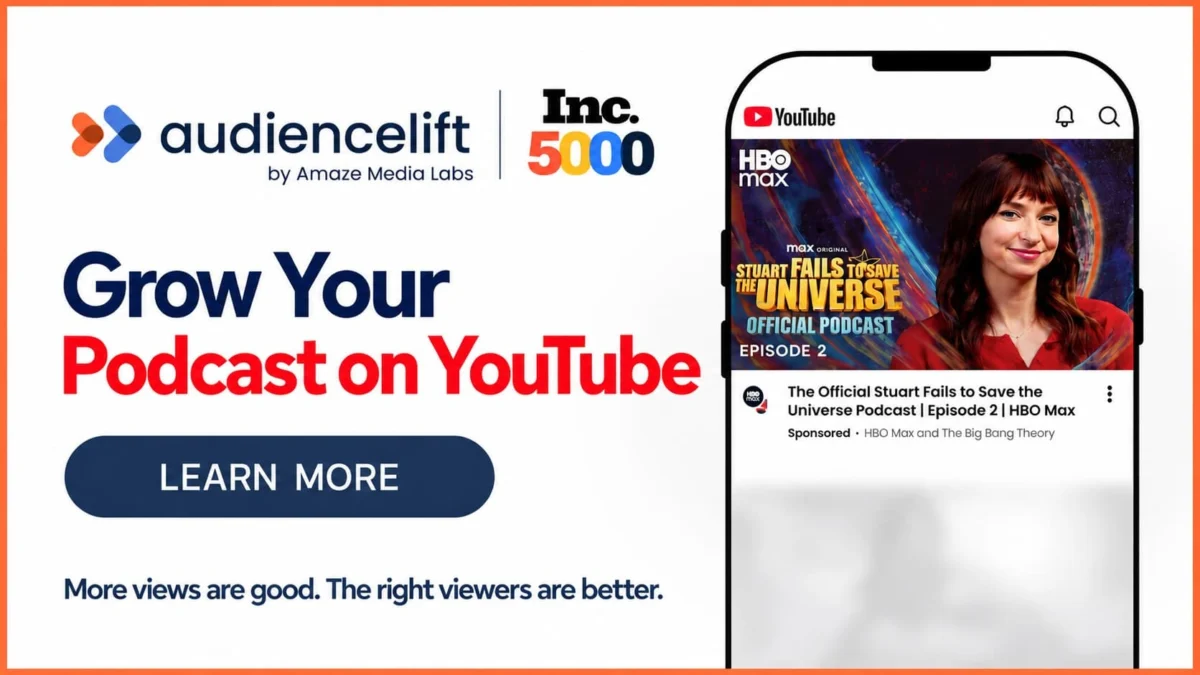
Professional services, such as Audiencelift, have emerged to bridge the gap between amateur growth tactics and data-driven success. As an official podcast test partner of YouTube, these organizations are helping creators navigate the platform’s complex algorithm. By utilizing targeted advertising campaigns, podcasters can now optimize for specific outcomes: increasing raw video views, extending total watch time, or driving channel subscriptions among high-intent viewers. This shift represents a move away from "spray and pray" marketing toward turnkey management, where creators can monitor their performance directly within YouTube Studio, ensuring that growth efforts are transparent and measurable.
Chronology: The Pulse of New Audio Releases
The current production cycle is marked by a return to high-production-value storytelling and niche, expert-led commentary. Here is a look at the most significant recent releases that are currently shaping listener trends:
1. Manufacturing Danger: The BioLab Story (Georgia Public Broadcasting)
Following a devastating fire at a Georgia chemical plant, local residents were left in the dark about the contents of a toxic smoke plume. This investigative series acts as a vital public service, digging into the long-term health implications and government accountability. It represents a quintessential example of local public media stepping in to provide clarity where official channels have failed.
2. 13 Minutes: Trouble with Hubble (BBC)
The BBC continues its dominance in the space-documentary genre. Hosted by Dame Dr. Maggie Aderin, this season offers an intimate, high-stakes look at the Hubble Space Telescope. By leveraging archival mission audio and oral histories from the NASA History Office, the show transports listeners into the control rooms of the 1990s, humanizing one of history’s greatest scientific engineering crises.

3. Sanctuary: The Power of Resonance and Ritual (Silkroad & PRX)
Hosted by acclaimed artist Rhiannon Giddens, this series marks a departure from traditional narrative storytelling into the philosophical. By exploring music’s capacity to build community and provide psychological sanctuary across disparate cultures, the show taps into the "wellness" trend currently permeating the podcast charts.
4. Mother Runner (Independent)
Independent producer Dana Wiker’s latest project explores the "emotional terrain" of postpartum life. By focusing on the intersection of identity loss and the physical demands of endurance, the show fills a critical gap in the parenting and lifestyle categories, highlighting the success of independent creators in finding highly engaged, loyal audiences.

5. Betwixt the Sheets
Host Kate Lister continues her mission to debunk historical myths. Her recent deep dive into the figure of Mary Magdalene—challenging the long-held, church-invented narrative that she was a sex worker—demonstrates the power of historical podcasts to correct long-standing cultural misconceptions.
Supporting Data: Chart Performance and Market Trends
Podcast charts continue to serve as the industry’s primary barometer for health and cultural penetration. Currently, the landscape in the United States remains dominated by established titans, though shifts at the margins reveal interesting trends in consumer preference.

- Crime Junkie: Continues to maintain its position as the #1 show in the Apple Podcasts charts, highlighting the enduring, albeit plateauing, appetite for true crime content.
- The Joe Rogan Experience: Retains the top spot on Spotify in the United States, further cementing the platform’s role as the primary home for long-form, conversational, and often controversial content.
- Regional Dominance: In Australia, the podcast Third Sector has shown the biggest recent gain in the Non-Profit category, suggesting that specialized, professional-interest podcasts are seeing higher retention rates than general-interest shows.
- International Appeal: The Rest Is Entertainment is currently leading the TV & Film category in Ireland, proving that globally-minded cultural commentary is a reliable path to international chart success.
Official Responses and Industry Sentiment
Industry leaders are increasingly vocal about the need for "multi-modal" distribution. The consensus among producers and network executives is that the "audio-only" era of podcasting is effectively over.
"Your podcast needs a YouTube growth strategy," note experts at Audiencelift. This sentiment is echoed by major networks like the BBC and PRX, which have begun treating video not as an afterthought, but as a primary pillar of their distribution strategy. The integration of trailers—short, high-impact audio clips designed for social media consumption—is also becoming the standard. The goal is no longer just to get a download; it is to secure a "moment" of attention across various platforms, whether that is a 30-second clip on TikTok or a 10-minute segment on YouTube.

Implications for the Future of Podcasting
The implications of these trends are significant for both creators and advertisers.
The Professionalization of Growth
The rise of "turnkey" campaign management indicates that podcasting is finally reaching a level of marketing maturity comparable to television or digital advertising. Creators who treat their show as a brand, rather than just a series of files, are the ones likely to survive the current industry consolidation.

The Rise of the "Audio-Visual Hybrid"
For the consumer, the line between "watching" and "listening" is blurring. The success of shows like Are We There Yet? with Kathryn Thomas, which functions as both an audio experience and a video series, suggests that the future of the medium is the "video-podcast." This model allows creators to capture the casual browser on YouTube while maintaining the dedicated listener on Spotify or Apple Podcasts.
The Importance of Niche Authority
As charts become saturated with celebrity-led projects, independent creators are finding that the "inches-wide, miles-deep" approach to content—focusing on specific, under-served topics like postpartum identity, historical revisionism, or local environmental disasters—is the most effective way to build a sustainable, defensible audience.

The Shift in Monetization
With affiliate programs like those offered through Podnews Books and bookshop.org, creators are diversifying their revenue streams. Reliance on purely dynamic ad insertion (DAI) is increasingly seen as risky. Instead, the industry is moving toward a hybrid model: ad revenue from YouTube, listener support through platforms like Patreon or Substack, and affiliate sales driven by authentic, host-read recommendations.
Conclusion
The state of the podcasting industry in late 2026 is one of rapid professionalization and technical expansion. While the core promise of the medium—intimacy and deep-dive storytelling—remains unchanged, the methods for achieving scale have evolved. By embracing the multi-platform demands of modern discovery and leaning into the high-value, niche storytelling that listeners crave, the industry is poised for continued growth. Whether through the lens of a historical myth-buster or the investigative rigors of a local newsroom, the power of audio continues to bridge the gap between information and connection, proving that in an increasingly visual world, the human voice remains the most potent tool for communication.