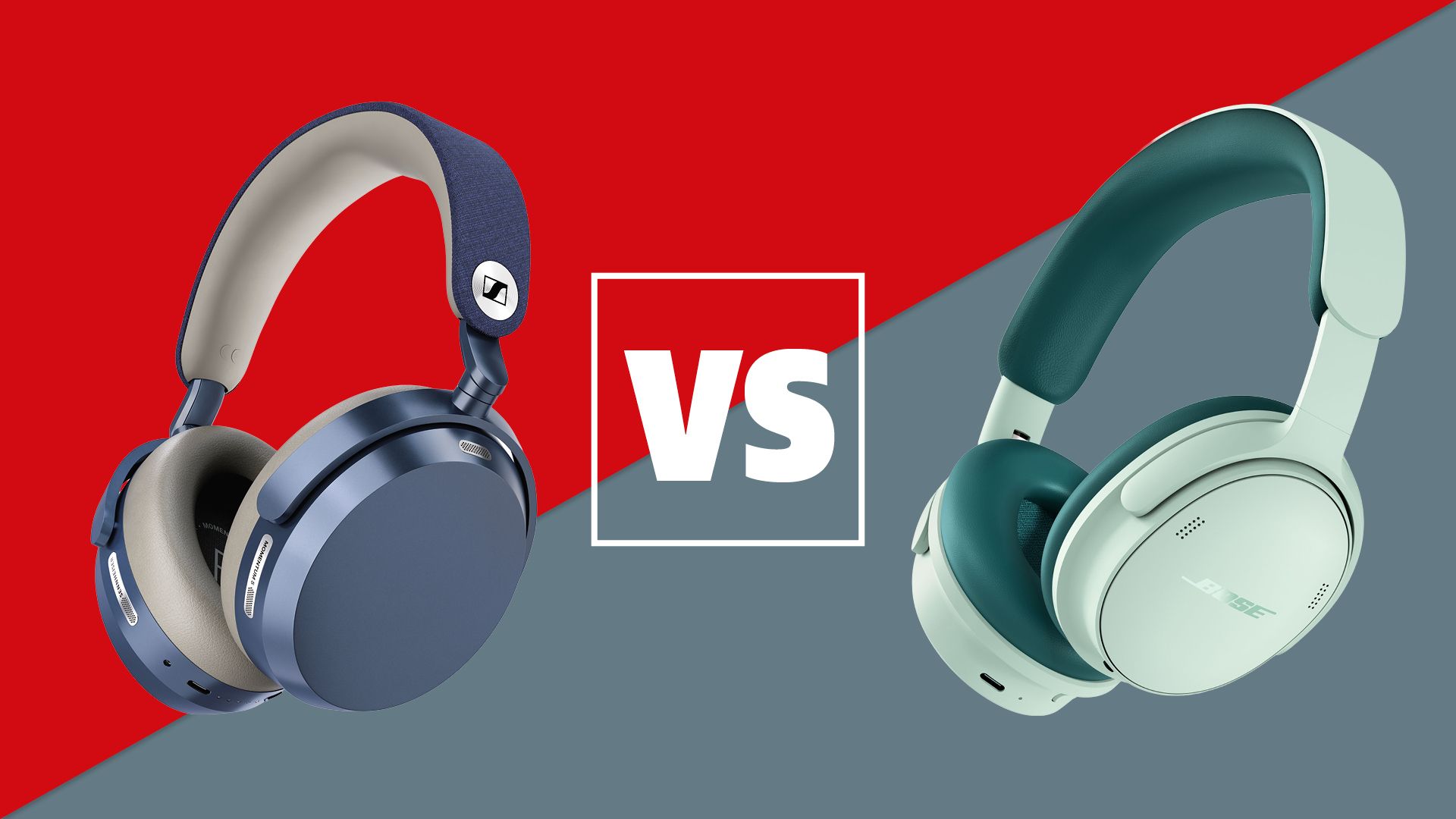
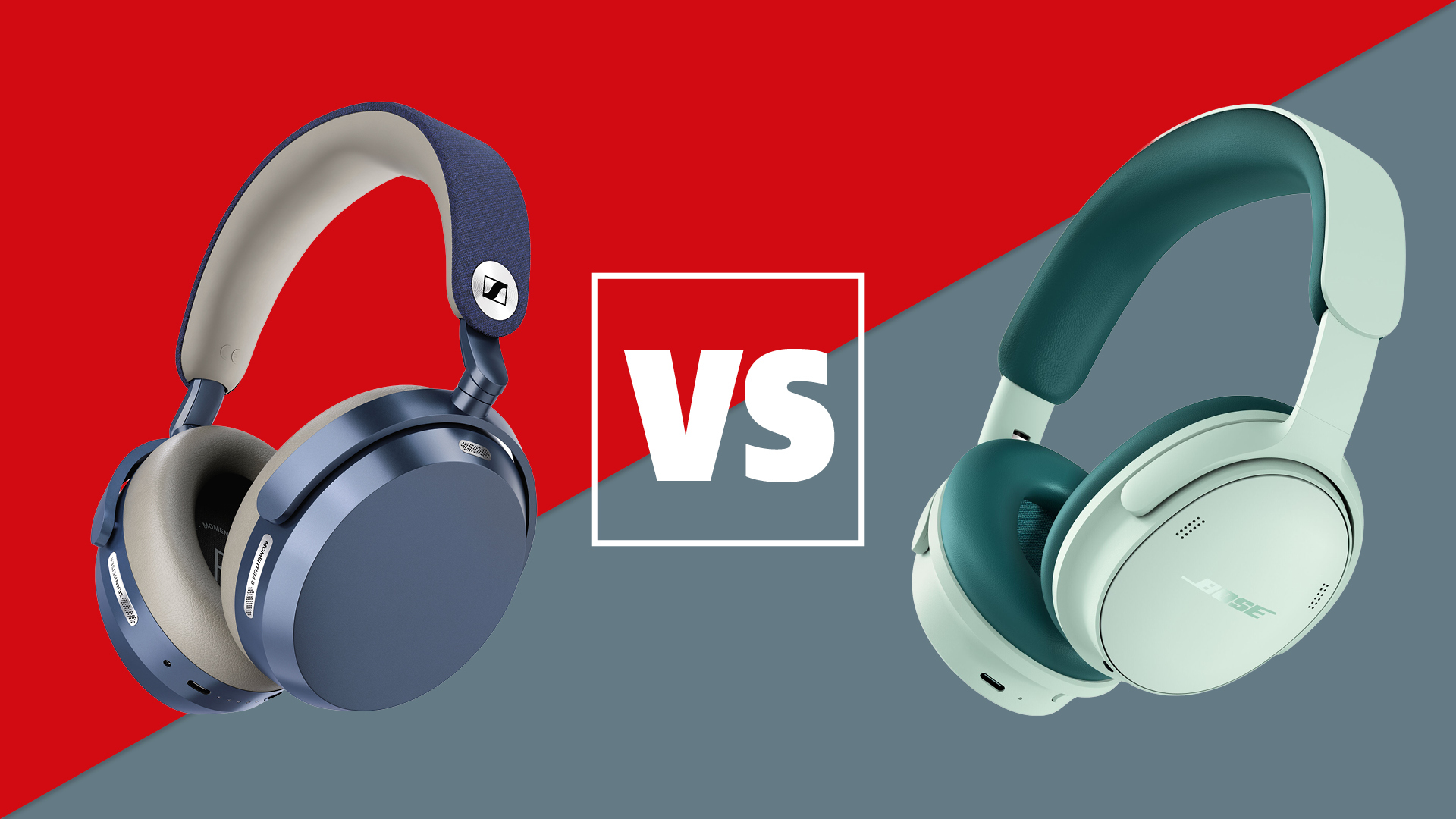
The market for premium, over-ear active noise-cancelling (ANC) headphones is currently more saturated than ever. For consumers willing to invest a three-figure sum, the choices are vast, boasting cutting-edge codecs, immersive audio software, and marathon battery life. Two of the most formidable new contenders in this competitive space are the Sennheiser Momentum 5 Wireless and the Bose QuietComfort Headphones (2nd Gen).
Both pairs of headphones entered the market in the latter half of 2026, offering sophisticated features, modern aesthetics, and distinct sonic profiles. However, despite occupying a similar price bracket, they target slightly different types of listeners. Below is a comprehensive, deep-dive comparison examining everything from pricing and build quality to ANC prowess and audio performance.
1. Main Facts and Specifications Overview
Before diving into the nuances of daily use, it is helpful to look at the hard data side-by-side to understand what each pair of headphones brings to the table.
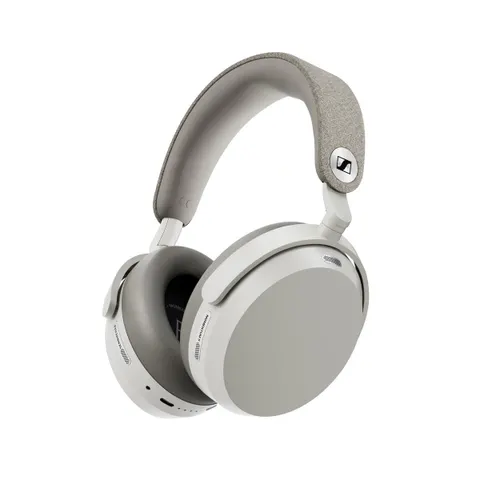
Sennheiser Momentum 5 Wireless
- Release Date: June 2026
- Launch Price: £330 / $400 / AU$750
- Bluetooth Version: 5.4 (with Bluetooth 6.0 and LE Audio coming via firmware update)
- Bluetooth Multipoint: Yes
- Supported Codecs: SBC, AAC, aptX, aptX HD, aptX Lossless, aptX Adaptive
- Active Noise-Cancelling (ANC): Yes
- Battery Life: Up to 57 hours (ANC enabled)
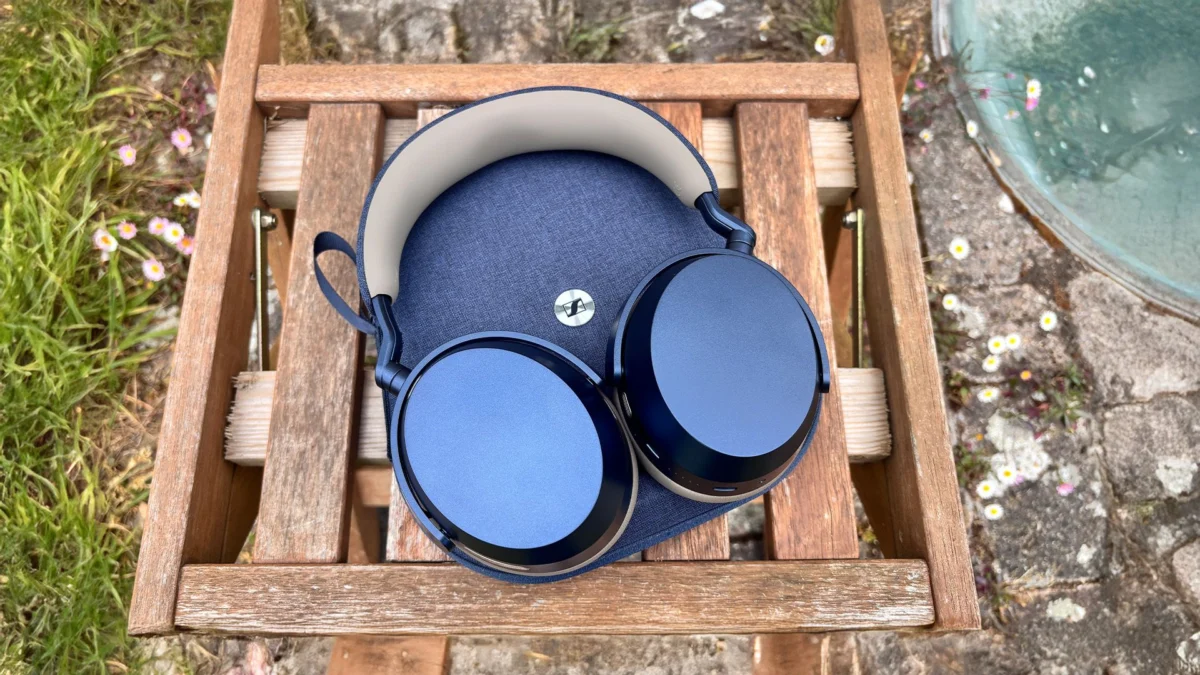
- Available Finishes: Black, White, Denim
- Weight: 290g
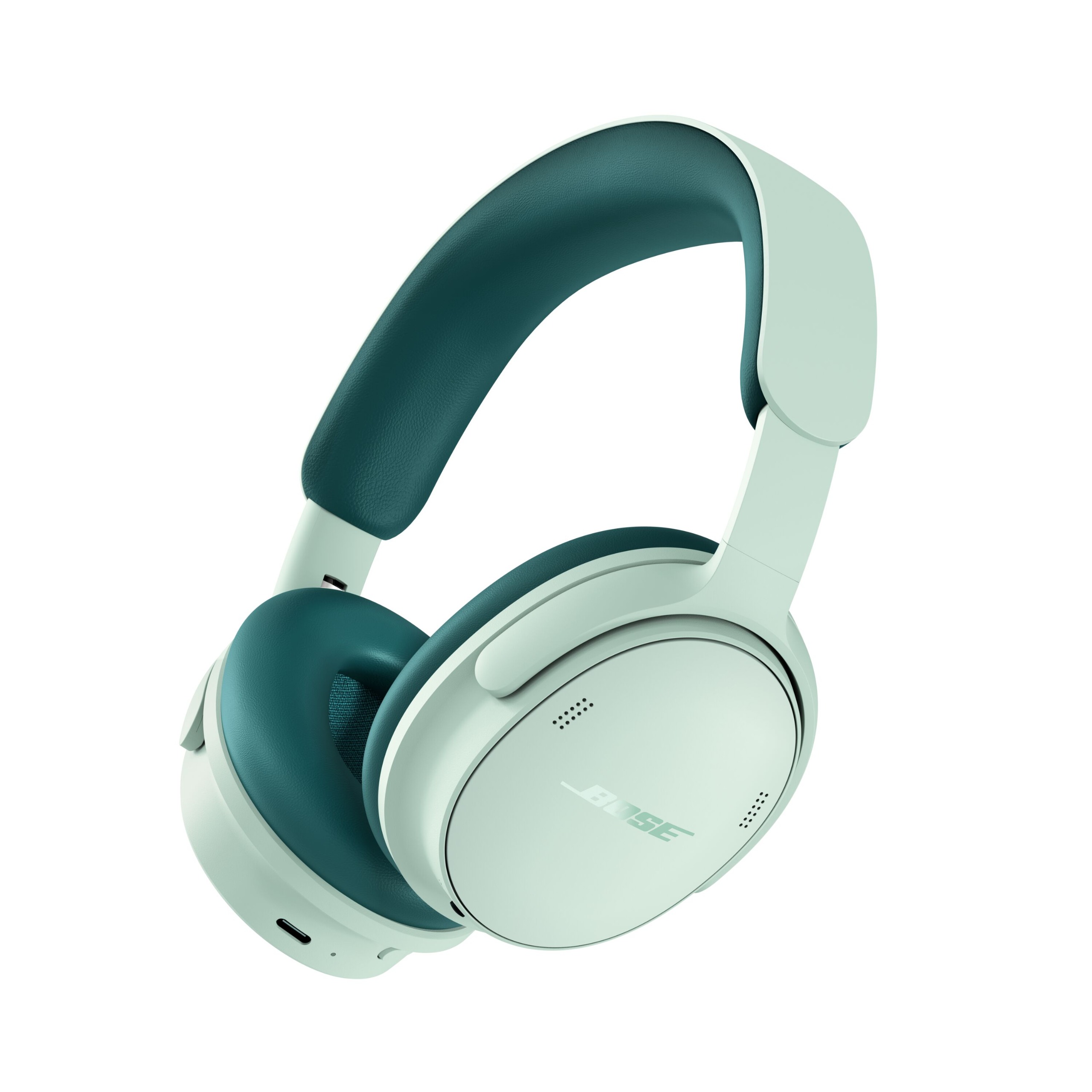
Bose QuietComfort Headphones (2nd Gen)
- Release Date: August 2026
- Launch Price: £300 / $359 / AU$550
- Bluetooth Version: 5.4
- Bluetooth Multipoint: Yes
- Supported Codecs: SBC, AAC
- Active Noise-Cancelling (ANC): Yes
- Battery Life: Up to 24 hours (ANC enabled); drops to 18 hours with Immersive Audio active
- Available Finishes: Black, White Smoke, Rosewood Mauve, Dewdrop Mint, Eucalyptus Green
- Weight: 230g
2. Chronology and Market Context
The lineage of both brands heavily influences these two releases. Bose holds a storied history in noise-cancelling technology, famously pioneering consumer ANC after company leadership grew frustrated with jet engine noise during commercial flights. Over decades, the QuietComfort line has become synonymous with isolation and travel-friendly ergonomics.
The second-generation Bose QuietComfort Headphones arrived in August 2026, successfully trickling down elite features from Bose’s flagship Ultra model into a more standardized design.
Just two months prior, in June 2026, Sennheiser launched the Momentum 5 Wireless. Sennheiser designed this iteration to correct the slightly utilitarian look of past models, elevating materials and overhauling internal acoustic performance. Because both models are relatively fresh to the market, early adopters have seen very few price drops or major sales promotions, making this a straight fight at full retail value.
3. Supporting Data: Feature-by-Feature Breakdown
Pricing: A Slight Edge for Bose
At launch, the Bose QuietComfort Headphones (2nd Gen) debuted at £300 / $359 / AU$550. Meanwhile, the Sennheiser Momentum 5 Wireless entered the market a tier higher at £330 / $400 / AU$750. Because both are new releases without significant discounting, Bose takes an early win in the finance category for delivering a comprehensive feature set at a noticeably lower price point.
- Winner: Bose QuietComfort Headphones (2nd Gen)
Build Quality, Comfort, and Portability
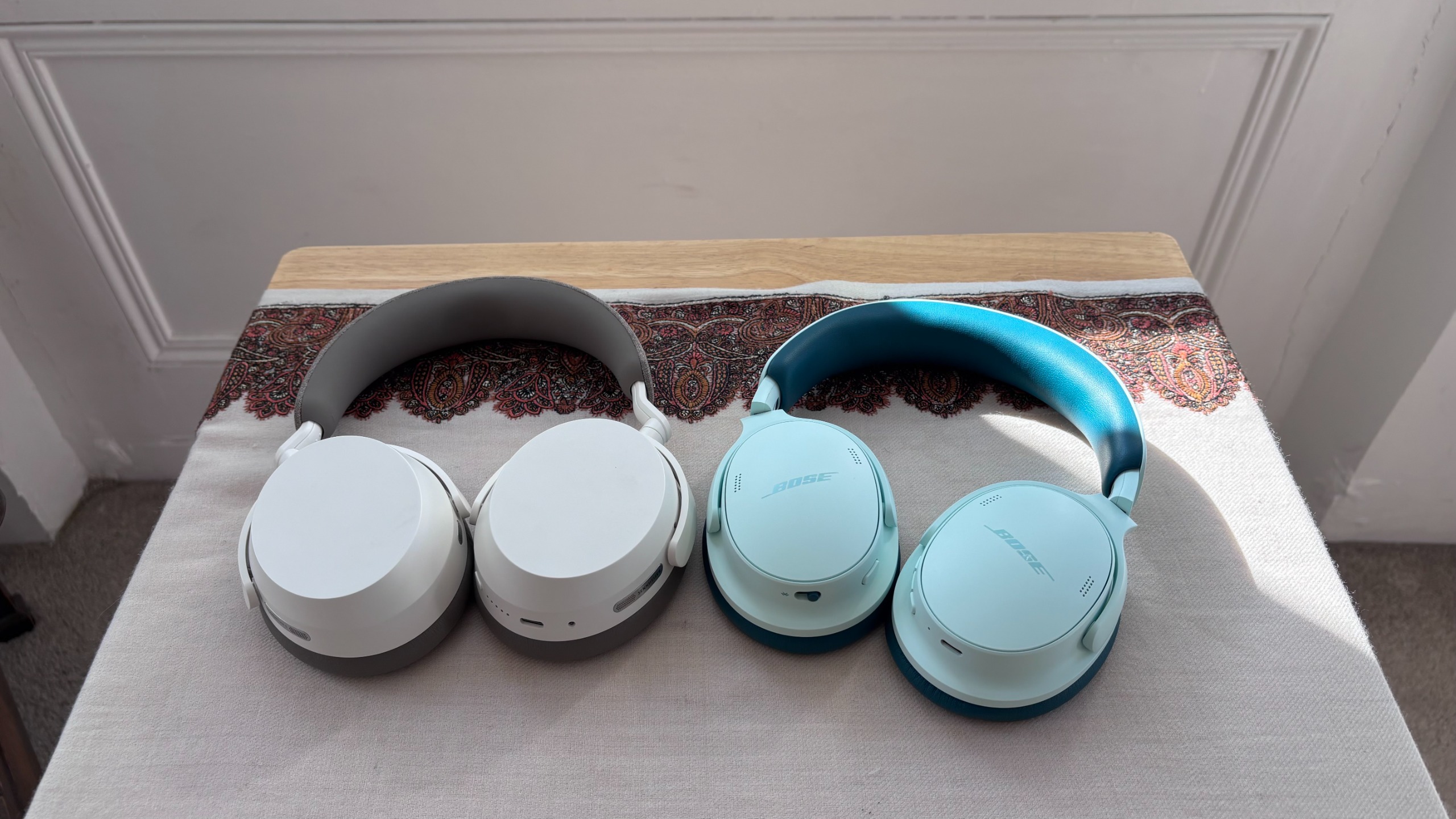
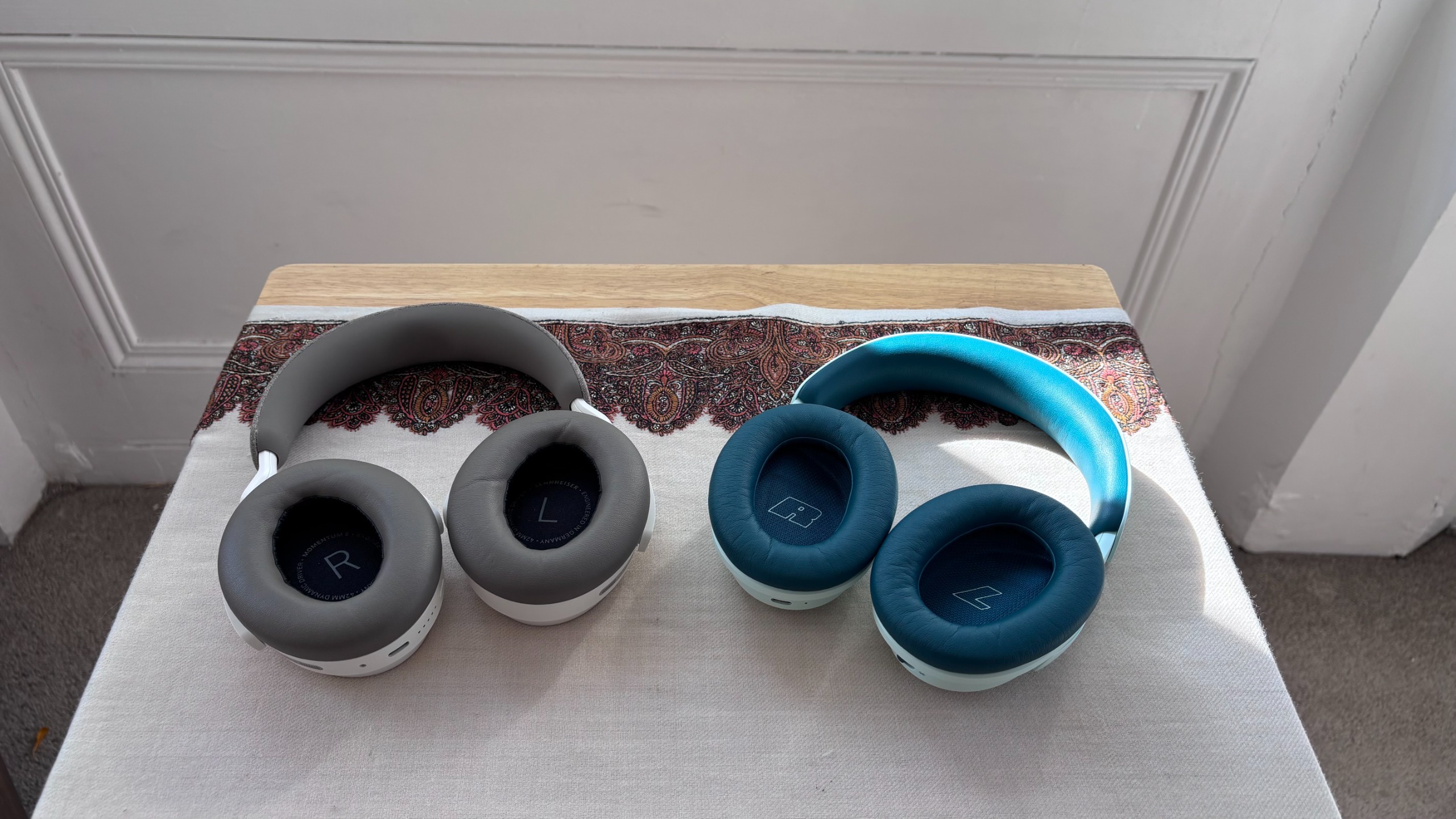
The Bose QuietComfort (2nd Gen) models prioritize lightweight utility and ergonomics. Weighing just 230g, they feature a collapsible, highly foldable design that makes them ideal for travel. Bose updated the headband, optimized the clamping force, and outfitted the cans with plush, oval-shaped earcups angled so that the user’s ears do not touch the internal grille cloth. Reviewers noted that they accommodate an exceptionally wide range of head sizes securely without feeling constrictive. Controls rely on physical tactile buttons rather than touch strips, and the right earcup houses a USB-C port supporting charging and 24-bit/48kHz audio playback.
The Sennheiser Momentum 5 Wireless take a more luxurious approach. Weighing 290g, they feel substantially heavier and more premium, highlighted by a charming fabric-wrapped headband exterior and stylish metallic badges. Their earcups swivel flat but do not fold up completely like the Bose. Because they offer less internal earcup depth, some users may find their ears heating up or aching slightly during extended listening sessions. However, their larger outer surface areas make capacitive touch controls for volume, playback, and ANC exceptionally responsive. The Sennheisers also support a higher-resolution wired connection up to 24-bit/96kHz.
- Winner: Draw (Bose wins on weight and portability; Sennheiser wins on premium materials)
Features and Connectivity
This is where the technological gulf between the two models becomes apparent.
-
Battery Life: The Sennheiser Momentum 5 Wireless completely obliterate the competition here, offering an extraordinary 57 hours of playback with ANC turned on. In stark contrast, the Bose QC Headphones offer a modest 24 hours (dropping to 18 hours when immersive modes are active).
-
Codecs: Sennheiser supports a powerhouse array of audiophile-grade codecs, including SBC, AAC, aptX, aptX HD, aptX Adaptive, and aptX Lossless. Bose sticks strictly to standard SBC and AAC. Furthermore, Sennheiser promises a future firmware update to Bluetooth 6.0 with LE Audio.
-
Smart Features: Both apps offer custom equalization (3-band for Bose, 8-band for Sennheiser) and spatial/immersive audio profiles. However, Sennheiser includes on-head detection for smart pause and power-saving features, alongside Bluetooth Multipoint connectivity.
-
Winner: Sennheiser Momentum 5 Wireless
Active Noise-Cancelling (ANC) and Call Quality
Bose’s reputation for world-class ANC remains well-earned. The 2nd Gen QuietComfort headphones feature subtle upgrades designed to maintain a tight seal even for wearers with glasses. Their "Quiet" mode effortlessly neutralizes low-frequency aircraft rumbles, train tracks, and urban chaos. Their "Aware" mode (supplemented by ActiveSense technology) lets in natural environmental sounds seamlessly.
Sennheiser’s ANC is competent, treating external sounds more like a gentle "softening" rather than a total exclusion. While it handles wind and general hums well, it lets sharper noises—like clanking gym weights—leak through more readily than the Bose or Sony equivalents. However, when it comes to phone calls, the Sennheisers pull ahead, doing a cleaner job of isolating the user’s voice and making speech sound more natural on the receiving end.
- Winner: Bose QuietComfort Headphones (2nd Gen)
Sound Quality and Sonic Performance
Sonically, these headphones possess distinct personalities. Both deliver rich, smooth performances in the mid and high frequencies, rendering instruments with fine texture and avoiding harsh sibilance during intense rock or orchestral passages.
However, they diverge significantly in two areas:
- Bass Response: The Bose headphones offer a tauter, tightly controlled low end. The Sennheiser Momentum 5 can occasionally sound overly rich in the bass department, which some listeners might find too warm.
- Dynamics and Rhythmic Drive: The Bose units occasionally struggle with propulsive, driving rhythms, leaving listeners craving a greater sense of forward momentum. More importantly, Bose falls short in dynamic subtlety—large volume shifts are handled well, but micro-dynamics and fine emotional nuances feel flattened.
The Sennheisers, conversely, excel at small-scale dynamic shifts, offering a natural, highly insightful, and engaging delivery that punches well above its price class.
- Winner: Sennheiser Momentum 5 Wireless
4. Official Responses and Industry Reception
Industry critics and reviewers have praised both manufacturers for refining their core formulas. Bose has been commended for listening to consumer feedback regarding fit security and bringing high-end Ultra features down to a more accessible price point. Sennheiser has received universal acclaim for addressing the industrial design criticisms of previous generations while refusing to compromise on high-resolution codec support and stellar battery longevity.
5. Final Verdict and Implications
Choosing between the Sennheiser Momentum 5 Wireless and the Bose QuietComfort Headphones (2nd Gen) ultimately depends on what you value most in a daily driver.
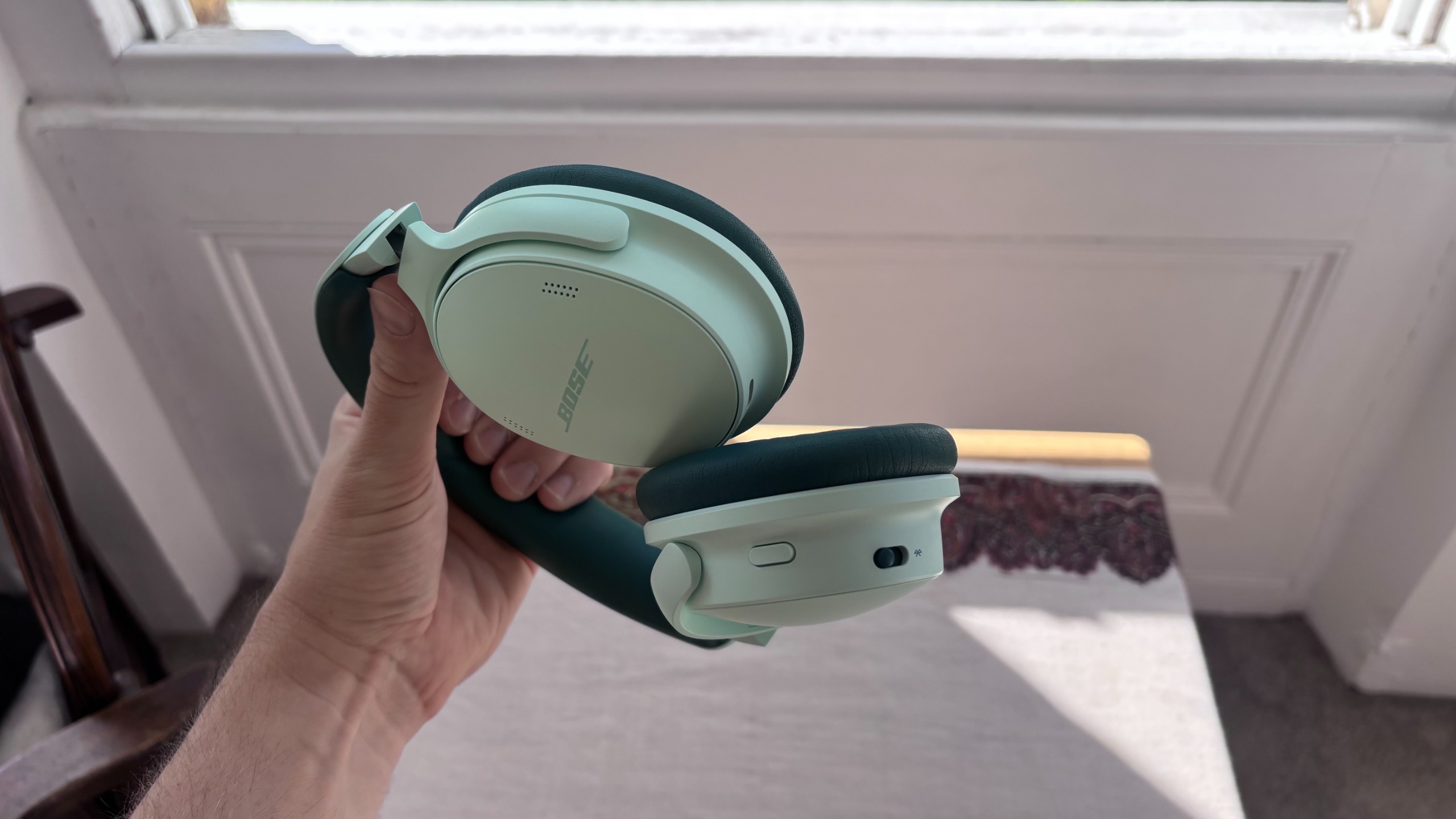
If your primary concerns are travel-friendly portability, featherlight comfort, superior folding mechanisms, and industry-leading active noise cancellation at a slightly lower price point, the Bose QuietComfort Headphones (2nd Gen) are a brilliant choice.
However, if you prioritize pure acoustic engagement, unmatched battery life (57 hours versus 24 hours), premium tactile aesthetics, and future-proof wireless codec support (aptX Lossless and impending Bluetooth 6.0 capability), the Sennheiser Momentum 5 Wireless emerge as the definitive overall champions of this comparison.
- Overall Winner: Sennheiser Momentum 5 Wireless