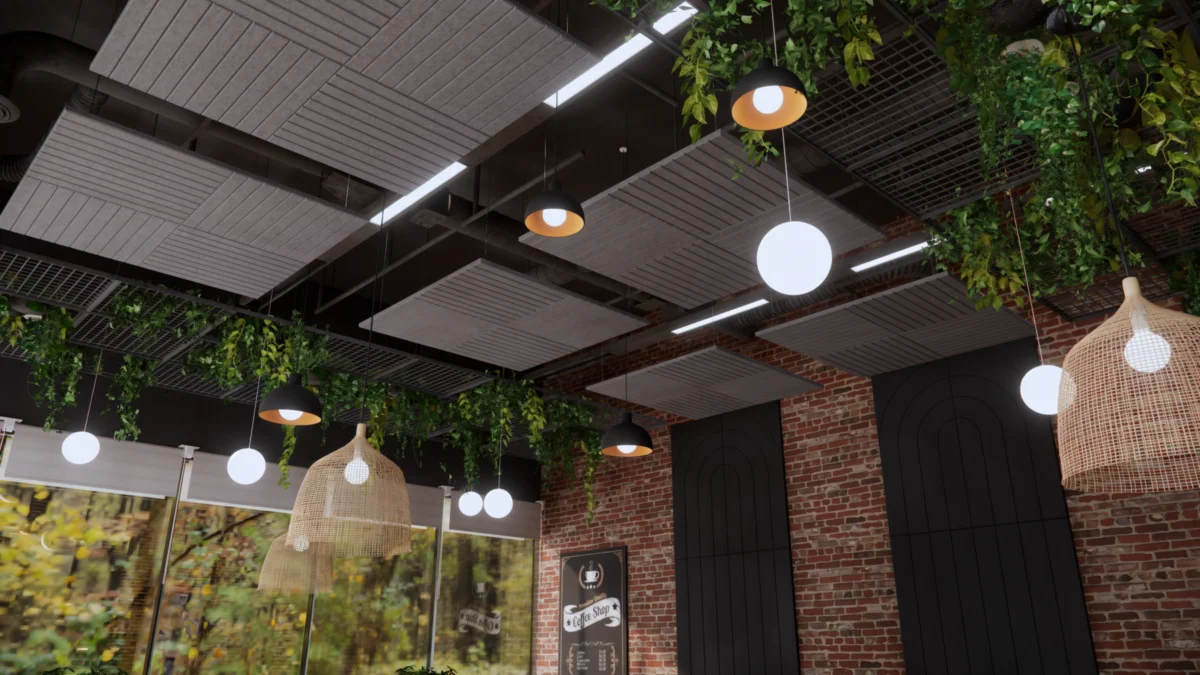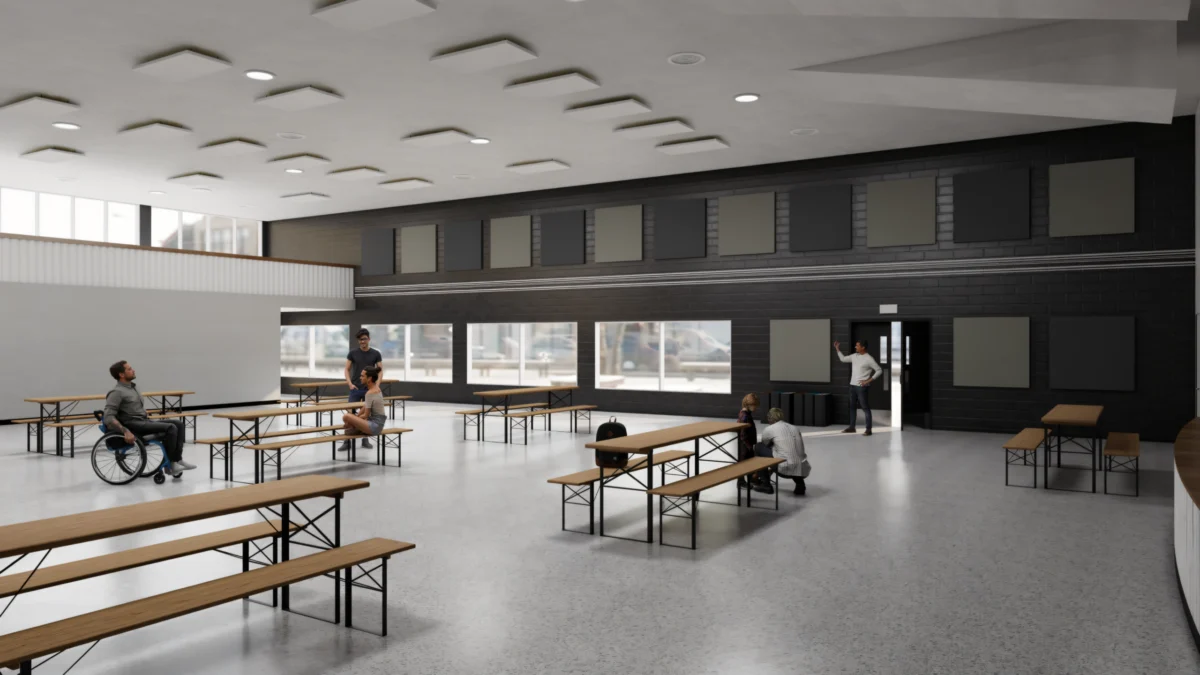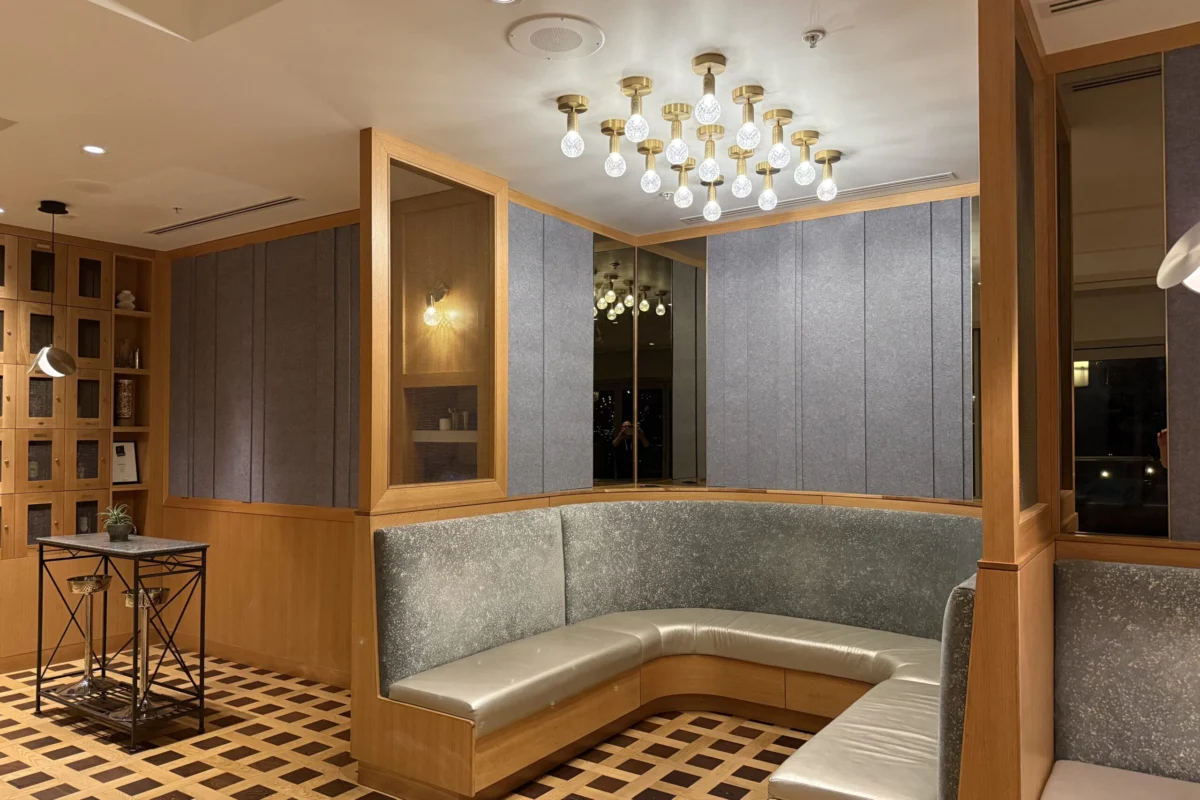
TORONTO — For decades, the blueprint of a successful architectural space relied almost entirely on the visual and the tactile. When architects, interior designers, and developers set out to craft a high-end restaurant, a bustling corporate office, a state-of-the-art educational facility, or a luxury hospitality venue, their primary focus was tethered to visual touchstones. Colour palettes, material selections, lighting schemes, spatial layouts, furniture ergonomics, and structural features dictated whether a room succeeded or failed.
Yet, an invisible, highly influential dimension has historically been overlooked: how a space sounds.
While a room’s aesthetic might instantly captivate the eye, its acoustic reality dictates how long a visitor will stay, how comfortably colleagues can collaborate, or whether a diner can hear the person sitting across from them. As the design industry evolves, a quiet revolution is taking place. Acoustic control is moving out of the background and stepping into the architectural spotlight, proving that sound management is just as critical to the user experience as lighting or layout.
Leading this charge is Primacoustic, a globally recognized authority in acoustic solutions. By bridging the gap between rigorous, studio-grade sound engineering and high-end interior design, the company is redefining how modern spaces look, feel, and—above all—sound.
Main Facts: The Intersection of Form, Function, and Acoustics
At its core, interior architecture is about facilitating human activity. Whether a space is engineered for quiet contemplation, vibrant social interaction, or high-stakes corporate communication, noise management directly shapes the user experience.

When sound waves bounce off hard, untreated surfaces like glass, concrete, and hardwood, they create excessive reverberation and echo. This acoustic clutter forces occupants to raise their voices just to be heard—a phenomenon known as the Lombard effect—which quickly escalates ambient noise levels into an exhausting din.
Conversely, treating a space does not mean stripping it of life to create a sombre, library-like vacuum. Rather, effective acoustic treatment optimizes a room for its intended purpose. It controls reflections, enhances speech intelligibility, and curtails unwanted noise transmission without dampening the energy of the environment.
However, achieving this balance has historically posed a significant challenge. For years, designers faced an unappealing binary choice: sacrifice the aesthetic integrity of a room to achieve good sound, or prioritize visual design while enduring poor acoustics.
Primacoustic aims to dismantle that false dichotomy. By developing class-leading acoustic systems that complement rather than compromise creative visions, the company provides architects and designers with the tools to marry high-performance sound control with uncompromising visual style.
Chronology: From Egg Cartons to Designer-Grade Integration
To understand where acoustic design is today, it is helpful to look back at how far the industry has evolved.
The Era of Improvised Solutions
Historically, professional-grade acoustics were largely confined to specialized environments like recording studios, broadcasting booths, and performance halls. Outside of these technical enclaves, sound control was treated as an afterthought—if it was considered at all.
Decades ago, aspiring musicians and DIY enthusiasts tried to tame unruly bedroom studios by pinning egg cartons, cast-off cardboard, and packing materials to their walls. In parallel, commercial and institutional spaces—such as schools, hospitals, and repurposed hospitality venues—relied on utilitarian, hardware store-grade foam or stark, utilitarian drop-ceiling tiles. These early iterations prioritized rudimentary function over form, often relying on wishful thinking rather than scientific acoustic principles.
The Shift Toward Intentional Design
As architectural styles shifted toward open-concept layouts, industrial aesthetics (exposed ceilings, polished concrete floors, and expansive glass walls), and multipurpose spaces, the acoustic shortcomings of modern buildings became glaringly apparent.
Over the past two decades, companies like Primacoustic recognized that acoustic treatments needed a fundamental reinvention. Instead of forcing designers to hide or tolerate ugly sound-absorbing materials, the industry began engineering products that could integrate seamlessly into the structural and decorative fabric of a room.
This evolution has transformed acoustic panels from industrial necessities into high-design features. Today’s treatments leverage a vast array of colours, textures, formats, and finishes, allowing them to either disappear discreetly into the background or serve as bold, architectural focal points.

Supporting Data: Innovations in Materials and Customization
Modern acoustic treatment provides options, not limitations. Primacoustic’s product ecosystem exemplifies how material science and creative flexibility can intersect to solve complex architectural challenges.
The Broadway Series
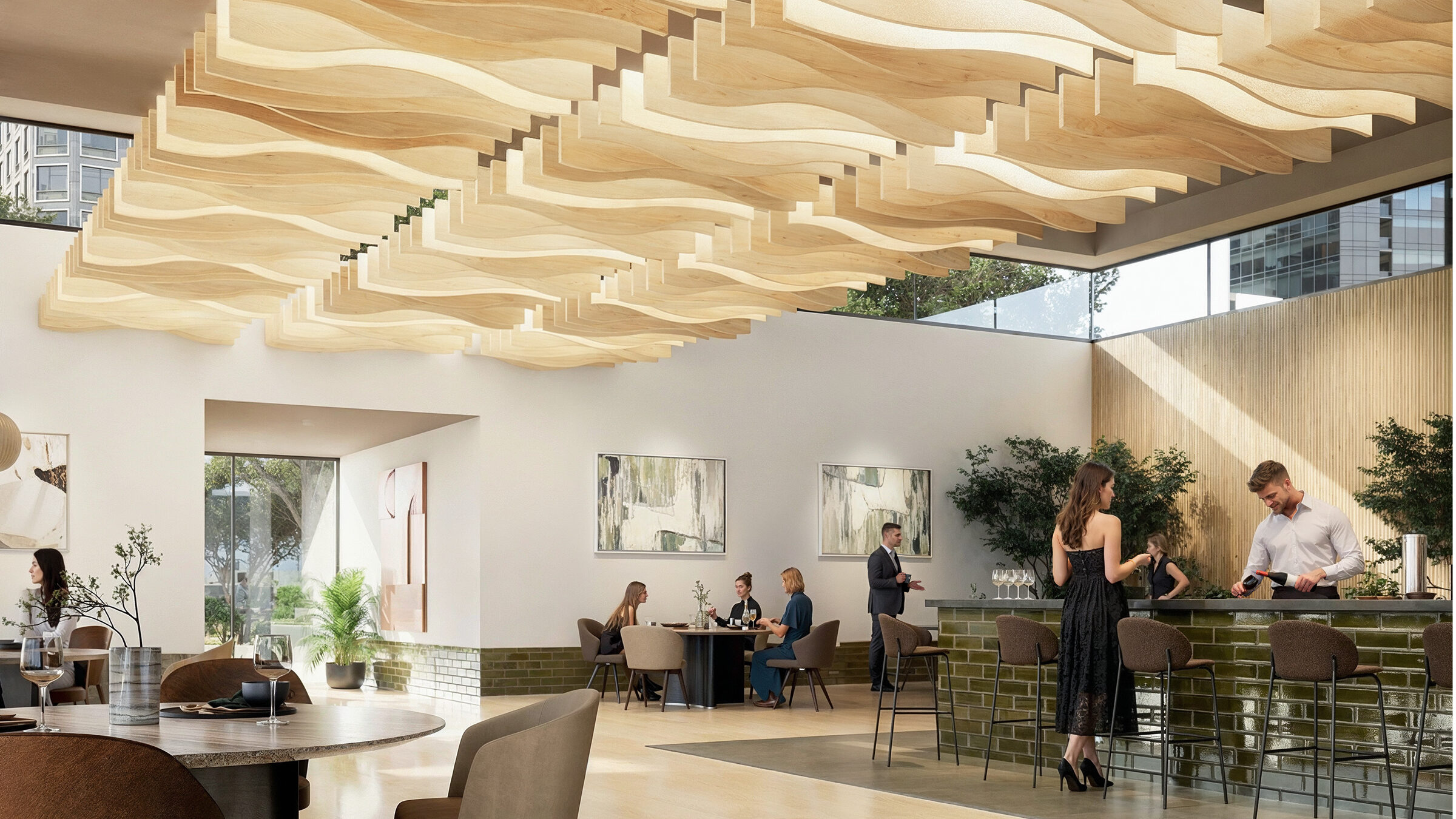
At the forefront of studio-grade performance is Primacoustic’s flagship Broadway line. Composed of high-density glass-wool panels and comprehensive room kits, the Broadway series delivers class-leading acoustic clarity. Designed for applications where absolute precision is required, these panels offer exceptional sound absorption coefficients across a wide frequency range. Within this line, products like Broadway Beams allow designers to introduce architectural depth and structural rhythm to a ceiling while simultaneously solving echo issues.
EcoScapes: Sustainability Meets Performance
Responding to the growing demand for sustainable building materials, Primacoustic developed EcoScapes, a line crafted from recycled, sustainably sourced PET (polyethylene terephthalate) products. EcoScapes solutions, including Contour Carved Panels and Dimensional Baffles, demonstrate that environmental responsibility does not require a compromise in performance or visual appeal. These products allow architects to achieve green-building certifications while sculpting sound in large commercial spaces, open-plan offices, and educational institutions.
The Waypoint Collection
In its ongoing mission to expand design flexibility, Primacoustic recently introduced the Waypoint colour collection. Featuring a curated palette of designer-grade hues—such as Fern, Firefly, and other contemporary tones—the Waypoint collection empowers interior designers to treat acoustic panels like fine textiles or wallcoverings. This level of customization ensures that sound control elements can tie an entire interior color scheme together rather than interrupting it.
Official Responses and Industry Perspectives
Industry experts and acoustic engineers emphasize that integrating sound control early in the design phase yields the most seamless results. However, modern modular systems also make retrofitting existing spaces remarkably straightforward.
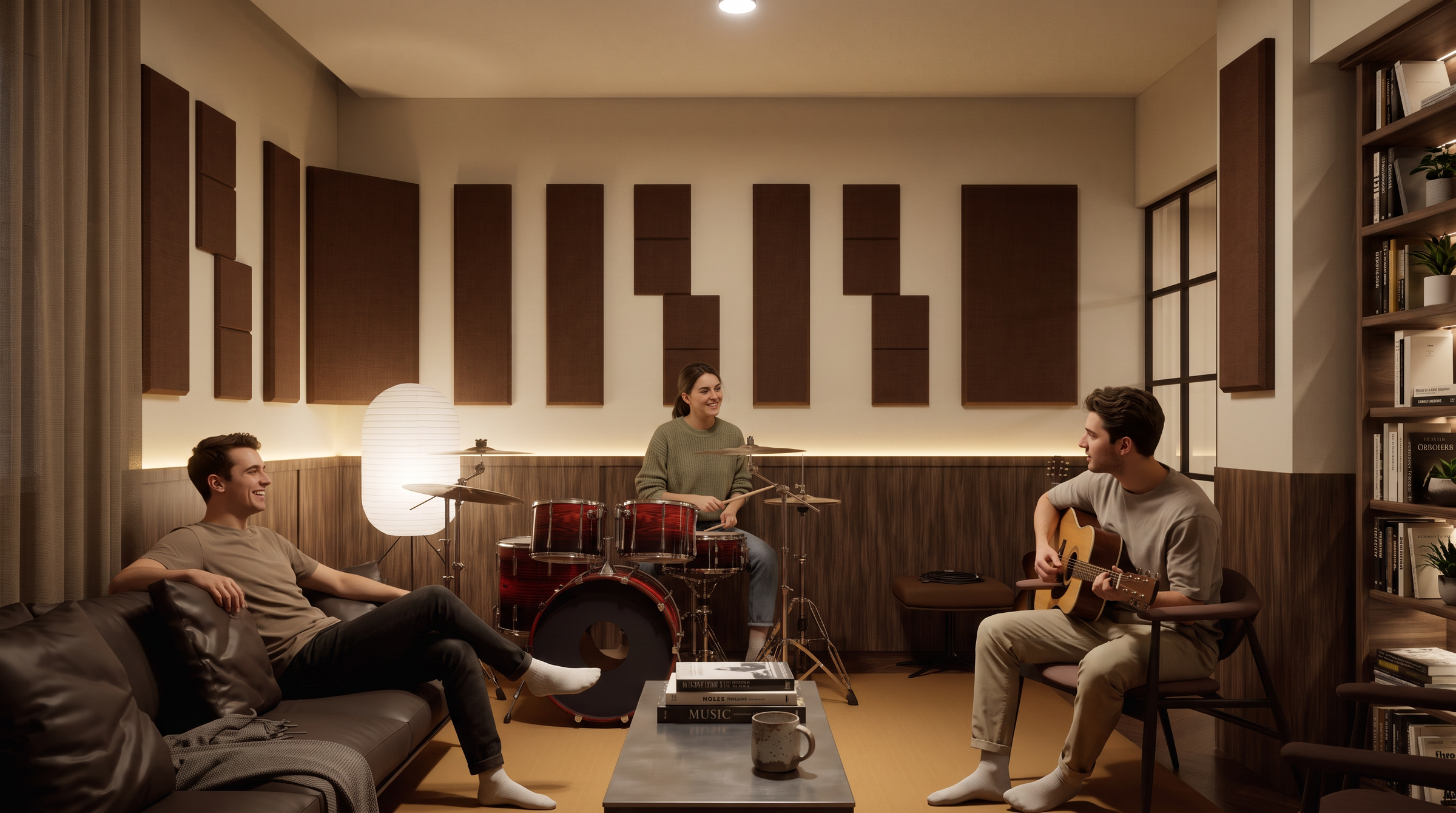
"At Primacoustic, our core value is underpinned by a focus on creating acoustic solutions that deepen design flexibility," notes the company’s product development team. "We bring expertise forged in critical listening environments—like recording studios and performance venues—to every project we partner on. Class-leading acoustic systems should complement, not compromise, your creative vision."
According to Primacoustic, successful acoustic treatment is never a one-size-fits-all endeavor. It requires a collaborative approach between manufacturers, architects, interior designers, and acoustic integrators.
Beyond simply manufacturing panels, Primacoustic provides comprehensive pre-planning and specification support. From calculating the exact volume of treatment required for a specific square footage to advising on optimal panel placement and integrating multiple product types for maximum efficacy, the company works alongside design professionals from conception to completion. Furthermore, they help clients connect with leading audio-visual dealers and integrators to ensure flawless execution on-site.
Implications: The Future of the Built Environment
The shifting attitude toward acoustic design carries profound implications for various sectors:
- Commercial & Corporate Workplaces: With the rise of hybrid work models, offices are increasingly utilized for collaborative group sessions, client presentations, and video conferencing. Poor acoustics in boardrooms or open-plan areas lead to listener fatigue and miscommunication. Integrating advanced sound control fosters better focus, privacy, and productivity.
- Education: In classrooms and lecture halls, speech intelligibility is directly tied to student comprehension and academic performance. Well-treated learning spaces reduce vocal strain for educators and ensure that every student can clearly hear the lesson, regardless of where they are seated.
- Hospitality & Dining: Restaurants and bars are notoriously loud environments. While a lively atmosphere is desirable, excessive background chatter amplified by hard surfaces can make conversation impossible. Thoughtful acoustic treatments allow patrons to enjoy a vibrant energy level while maintaining the ability to converse comfortably across a table.
As the lines between interior design, architecture, and audio engineering continue to blur, the expectation for spaces to sound as good as they look will only intensify. Acoustics are no longer an afterthought tucked away in a technical manual; they are a fundamental pillar of modern spatial design.

Conclusion
Whether you are designing a brand-new commercial complex from the ground up or retrofitting a well-loved, heavily utilized community space, the tools to control sound creatively are more accessible than ever before.
By prioritizing design flexibility without sacrificing acoustic performance, companies like Primacoustic are proving that creators no longer have to choose between how a space looks and how it sounds.
To explore acoustic options for your upcoming project, discover the new Waypoint colour collection, or request a personal consultation, visit Primacoustic.com or contact their team directly.
At Primacoustic, We’re Listening. Be Heard.