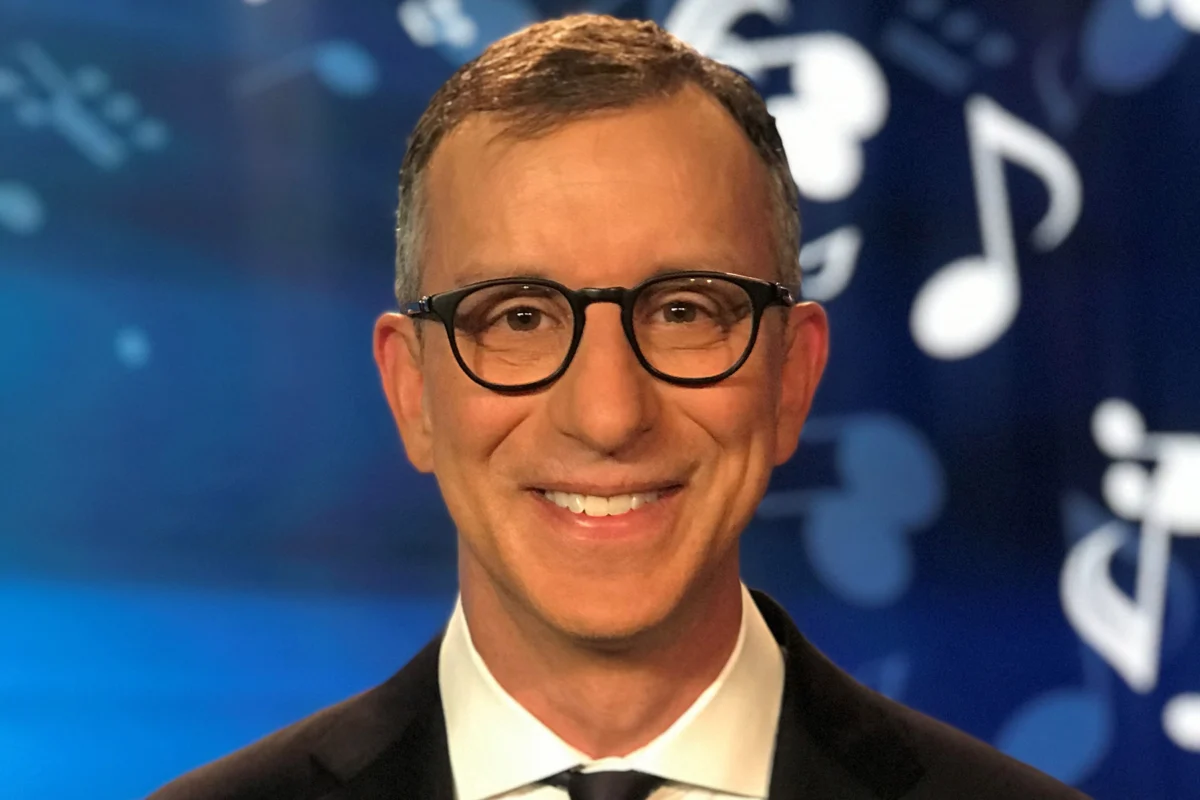
As the music industry prepares for high-stakes proceedings before the Copyright Royalty Board (CRB) to determine streaming rates for the 2028–2032 period, a shadow looms over the negotiation table. While songwriters and publishers fight for fair compensation from digital service providers (DSPs) like Spotify, Apple Music, and Google, the industry is simultaneously grappling with a crisis that threatens the very integrity of the streaming model: the systematic, AI-driven proliferation of streaming fraud.
David Israelite, president and CEO of the National Music Publishers’ Association (NMPA), has issued a stark warning: if the industry does not unify to eradicate fraudulent activity, the “pie” from which real, human creators are paid will continue to be carved up by criminals and bad actors. This is no longer merely a nuisance of “bot farms”; it has evolved into a sophisticated, multi-billion-dollar threat that touches upon national security, money laundering, and the erosion of artistic value.
The Mechanics of the Scam: How Streaming Fraud Dilutes Royalty Pools
To understand the severity of the issue, one must first understand the economics of the modern streaming service. Most platforms operate on a pro-rata distribution model. In this system, the total revenue generated by the platform is pooled together, and royalties are distributed to rights holders based on their share of total streams.
This mathematical structure creates a perverse incentive for fraud. When a platform is flooded with billions of artificial, AI-generated, or non-human streams, those fraudulent plays capture a portion of the total royalty pool. Because the pool is finite, every dollar paid out to a bot-farm-generated track is a dollar stolen from a human songwriter, producer, or performer.

“The pie doesn’t grow,” Israelite notes. “Fraudsters will take a bigger and bigger slice if we don’t put a stop to it.”
A Chronology of Escalation: From Petty Theft to Global Crime
The evolution of streaming fraud has tracked closely with the democratization of AI tools.
- 2021: Law enforcement and industry experts begin sounding the alarm on the use of streaming platforms to launder illicit funds. Reports from Sweden highlight that criminal gangs, involved in drug trafficking and violent crimes, are using the streaming ecosystem to “wash” dirty money. By pumping thousands of dollars into fake streams for tracks owned by shell companies or artist fronts, these gangs receive legitimate royalty payments back from the DSPs, effectively laundering the proceeds of their crimes.
- 2023: A bombshell report in Svenska Dagbladet, cited by The Guardian, reveals that Swedish criminal networks are utilizing Spotify as a “bank machine.” Allegations surfaced that law enforcement attempted to contact Spotify to address these links to deadly violence, though the company disputed the nature and receipt of these communications.
- 2024–2025: The rise of generative AI allows for the creation of near-infinite amounts of content. Platforms are suddenly overwhelmed by thousands of tracks daily that require no human creative input.
- March 2025: The U.S. Department of Justice secures a guilty plea from Michael Smith, an individual who orchestrated a massive scheme using AI to generate hundreds of thousands of songs. These songs were streamed billions of times, resulting in millions of dollars in stolen royalties.
- Late 2025: Smith is sentenced to 18 months in federal prison, marking a rare, high-profile victory for the industry. However, the sheer scale of the remaining fraud suggests this was merely the “tip of the iceberg.”
The Data: Quantifying the Artificial Tide
The numbers provided by streaming services themselves underscore the magnitude of the problem. In 2025 alone, Apple Music reported a staggering 2 billion fraudulent streams on its platform.
Deezer, another major player in the space, has been particularly transparent about the influx of AI-generated content. The platform reported that it was seeing 90,000 fully AI-generated tracks uploaded to its servers every single day. Perhaps most damning is the company’s internal data suggesting that up to 85% of the streams on those AI tracks are artificial.

While Deezer has implemented policies to exclude these streams from royalty payouts, industry leaders argue that such measures, while a necessary first step, are insufficient without a universal, industry-wide standard for fraud detection and transparency.
Official Responses and the Corporate Defense
The response from the streaming giants has been mixed. When confronted with allegations regarding money laundering and systemic fraud, companies like Spotify have generally defended their internal systems. In response to the 2023 reports regarding Swedish criminal gangs, Spotify stated that manipulated streams are an “industry-wide challenge” and asserted that less than 1% of all streams on its platform are determined to be artificial. The company maintains that it mitigates these fraudulent streams prior to any payouts occurring.
However, the NMPA and other trade organizations argue that this level of transparency is insufficient. The lack of granular data provided by DSPs to songwriters and publishers makes it nearly impossible to independently verify these claims or to understand the full extent of the leakage.
Implications for the Future: Beyond Royalty Theft
The repercussions of unchecked streaming fraud extend far beyond the pockets of individual songwriters. The integrity of the music marketplace is now being challenged in new and unexpected ways:

1. The Betting and Prediction Market Scandal
Streaming fraud has bled into the world of finance and betting. Platforms like Kalshi, which allow users to bet on the performance of various assets, have become targets for bad actors who artificially pump the stream counts of specific tracks to influence betting markets. This creates a volatile environment where innocent artists risk being banned from platforms due to the actions of bad actors trying to manipulate market outcomes.
2. National Security
The laundering of proceeds from violent crime and potential terrorist financing through streaming platforms elevates the issue from a copyright dispute to a national security concern. When a digital utility becomes a conduit for criminal organizations to finance their operations, the regulatory pressure on those platforms is likely to shift from civil to criminal oversight.
3. The Erosion of Artistic Value
Perhaps the most damaging long-term effect is the degradation of the music ecosystem. When AI-generated, "muzak-style" content is artificially elevated by bot networks, it crowds out authentic human expression. If consumers find their discovery algorithms clogged with AI sludge, the value proposition of a premium music subscription begins to decline, threatening the long-term viability of the industry.
The Path Forward: The NMPA "Songs Summit"
In response to these mounting threats, the NMPA has moved to take a proactive leadership role. During its annual meeting, the organization announced the formation of a "Songs Summit" in Nashville. The objective is to bring together digital services, music publishers, and songwriters to establish an industry-wide consensus on several key pillars:

- AI Labeling Standards: Requiring clear disclosure when music is generated or assisted by AI.
- Transparency Protocols: Mandating that DSPs provide more granular, auditable data regarding stream sources to rights holders.
- Detection Standards: Developing a universal, industry-standard technology for identifying and neutralizing bot-driven streams before they impact the pro-rata pool.
A "Make-or-Break" Moment
David Israelite’s assessment is that the industry is currently in a "make-or-break" moment, drawing parallels to the piracy crisis of the early 2000s. Just as the industry had to pivot to meet the challenges of Napster and the digital downloading era, it must now pivot to secure the digital environment against the "slush fund" created by bad actors.
“Our industry has never needed to align more than right now,” Israelite writes. “We have to stop the fraudulent streaming slush fund for criminals and, in doing so, protect the income streams of songwriters.”
As the CRB trial approaches, the conversation will inevitably center on the fair value of a song. But the true value of that song cannot be realized if the marketplace is flooded with counterfeit plays. For songwriters and the publishers who represent them, the fight against streaming fraud is not just a battle for transparency; it is a battle for the future of the profession itself. The industry’s ability to curb this digital epidemic will determine whether streaming remains a platform for human artistic expression or becomes a hollow, exploited landscape for those who wish to monetize deception.