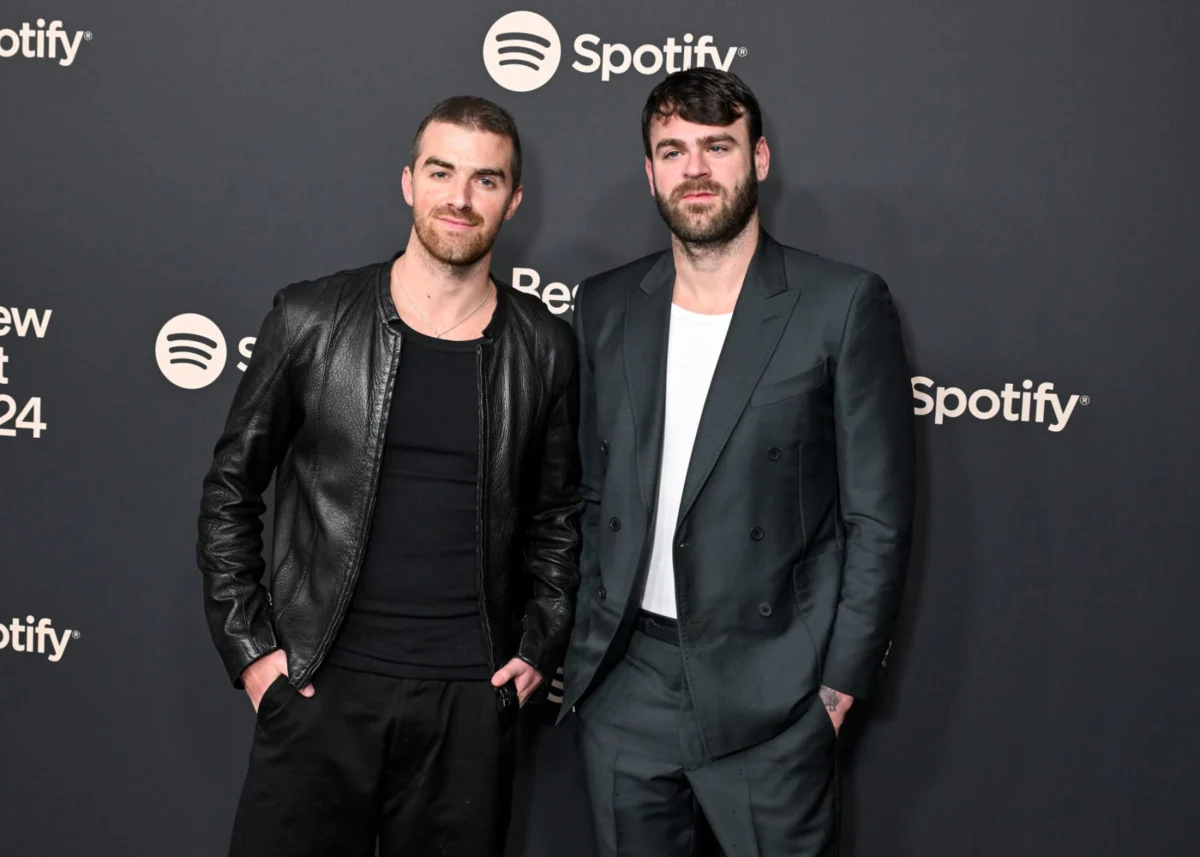
In a seismic shift for the electronic dance music (EDM) landscape, Grammy-winning duo The Chainsmokers—comprised of Andrew Taggart and Alex Pall—have officially announced their departure from their longtime label partners, Columbia Records and Disruptor Records. The move, confirmed via a joint statement on Tuesday, October 13, marks the end of an 11-year collaborative era that saw the pair evolve from club-circuit hopefuls into global pop juggernauts.
By embracing independence, the duo is not merely changing their business model; they are signaling a broader trend of high-profile artists prioritizing creative autonomy over traditional major-label infrastructures.
The Announcement: A New Chapter Begins
The news broke via a candid post on social media, where Taggart and Pall expressed gratitude for the decade of support that propelled their meteoric rise. "After 11 amazing years, we are now independent artists," the statement read. "We are eternally grateful to our incredible team at Columbia/Disruptor for a decade plus of hard work that has resulted in unimaginable success."
The duo emphasized that the transition is fueled by a desire for artistic experimentation. "We have no idea what to expect for our next chapter, but we are extremely excited to have fun and experiment with all our new music releases. Thank you for sticking with us fam—we know we owe you some records!"
Chronology: From ‘Good Intentions’ to Global Dominance
To understand the magnitude of this departure, one must look at the trajectory of the partnership between The Chainsmokers and the Sony-backed Disruptor/Columbia ecosystem.
- 2015: The Breakthrough: The partnership began in earnest with the release of the single "Good Intentions." This era served as the foundation for their signature sound, characterized by a blend of emotive indie-pop vocals and high-energy electronic production.
- 2016–2017: The Golden Era: The duo’s commercial dominance was solidified with a string of era-defining hits. "Roses," "Don’t Let Me Down," and the ubiquitous "Closer" turned the pair into radio staples, with "Closer" spending 12 consecutive weeks at No. 1 on the Billboard Hot 100.
- 2017–2024: Sustained Multi-Platform Success: Over the next seven years, the duo expanded their reach with five studio albums, pushing the boundaries of traditional EDM by incorporating elements of alternative rock and singer-songwriter sensibilities. Their reach extended far beyond the studio, with massive global tours and high-profile collaborations.
- 2025: The Management Shakeup: The groundwork for this independence was laid in 2025, when the duo dissolved their long-standing management deal with Adam Alpert, the executive who originally founded Disruptor Records as a joint venture with Sony.
- 2026: The Final Milestone: In May 2026, the duo released their most recent project under the Columbia/Disruptor umbrella, the EP Love Is Kind. This proved to be the final chapter in a partnership that effectively defined a generation of crossover electronic music.
Data and Discography: The Legacy of a Decade
The partnership between The Chainsmokers and their labels resulted in some of the most streamed tracks in history. Their influence on the music industry cannot be overstated. By pivoting to a hybrid pop-EDM sound, they bridged the gap between underground rave culture and Top 40 radio, creating a blueprint that many contemporary artists have since attempted to follow.
Throughout their time at Columbia/Disruptor, the duo released five full-length studio albums, each experimenting with different facets of their identity. From the chart-topping "Something Just Like This" to their more introspective later works, the commercial data reflects a consistent ability to capture the cultural zeitgeist. Their ability to remain relevant for over a decade—a rarity in the fickle world of electronic music—stands as a testament to the effectiveness of the team that managed their releases and marketing strategy during their tenure.
Official Responses and Strategic Philosophy
The decision to go independent did not happen in a vacuum. In a recent LinkedIn post, Alex Pall provided context for the internal shifts that preceded this announcement. Pall framed the departure not as a reaction to a failure, but as a strategic necessity for growth.
"We changed a lot of the team around The Chainsmokers recently," Pall wrote. "It’s been interesting watching what happens when you bring in people who don’t have years of history around how everything’s ‘supposed’ to work."
Pall was careful to maintain a respectful tone toward their former collaborators, acknowledging that the decision was not spurred by conflict. "To be clear, the people we worked with before were amazing and did a ton of great work for us. This wasn’t even about anyone doing a bad job. Sometimes it’s just time to shake things up, even when everything’s working fine, because a fresh perspective can find things you’d never think to look for."

This philosophy—that structural change is required to avoid stagnation—reflects a growing sentiment among legacy artists who have achieved a certain level of success and are now looking to reclaim control over their creative process, marketing cycles, and ownership of their masters.
The Implications: What Independent Means in 2026
The shift to independence for an act as large as The Chainsmokers carries significant implications for the music industry.
1. The Power of Creative Autonomy
Major labels are traditionally tasked with providing the infrastructure for global distribution, radio promotion, and massive marketing budgets. However, as the industry becomes increasingly digital-first, established artists have realized they possess the brand power to navigate these channels without a middleman. By going independent, Taggart and Pall can now dictate the speed and style of their releases without needing to clear bureaucratic hurdles.
2. The Evolution of the "Major Label" Model
Industry analysts have been watching closely as acts move toward "distribution-only" deals or full independence. The Chainsmokers’ departure suggests that the traditional 360-deal structure is being challenged by artists who have already built their audience and now seek to maximize their earnings and creative freedom.
3. A New Sound for a New Era?
The duo’s promise to "experiment" with their next chapter is perhaps the most exciting aspect for their fanbase. Without the pressure of satisfying label expectations for "radio-friendly" singles, fans may see a return to the more raw, experimental, or genre-defying sound that characterized their earliest work. The lack of a label mandate provides the perfect environment for a sonic pivot, which could result in a more authentic connection with their core audience.
4. The Future of the "Disruptor" Legacy
The future of Disruptor Records remains a subject of industry interest. Founded by Adam Alpert as a vehicle for the duo, the label must now reconcile its identity with the departure of its flagship artists. While the label continues to operate, the loss of The Chainsmokers represents a significant structural change in the Sony/Disruptor ecosystem.
Conclusion: A Bold Leap Forward
As The Chainsmokers enter this new phase of their career, the industry is watching with anticipation. The transition from the safety of a major-label roster to the vast, unpredictable, yet liberating landscape of independence is a hallmark of an artist’s maturity.
Having conquered the charts, secured the awards, and built a massive, loyal following, Taggart and Pall are now in the unique position to redefine what success looks like for an electronic act in the late 2020s. Whether they opt for experimental soundscapes or continue to dominate the festival circuit with new anthems, one thing is certain: the next chapter for The Chainsmokers will be written entirely on their own terms.
As they move forward, the duo’s journey will likely serve as a case study for other artists considering the leap to independence. By balancing a history of record-breaking success with a hunger for the unknown, The Chainsmokers are proving that, even after 11 years, the most exciting part of their career may still be yet to come.