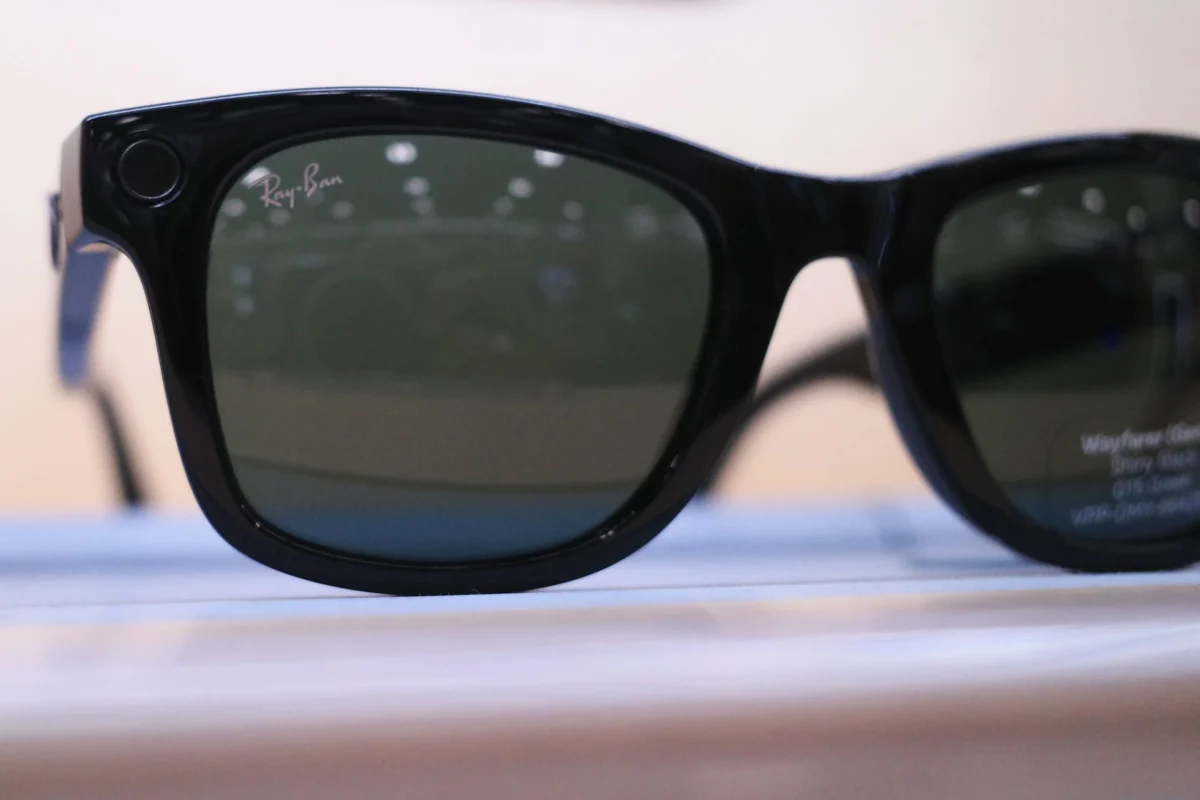
In a major escalation of the ongoing battle between music industry titans and corporate entities regarding the use of intellectual property on social media, Warner Music Group (WMG) has launched a sweeping lawsuit against EssilorLuxottica, the global eyewear conglomerate behind household names like Ray-Ban, Oakley, and Sunglass Hut. The lawsuit, filed on Friday, October 9, in federal court, alleges that the Italian multinational systematically utilized hundreds of copyrighted musical works in its social media marketing campaigns without securing the necessary synchronization licenses.
The legal action, which targets 427 specific copyrights, seeks maximum statutory damages of $150,000 per work, pushing the potential liability for EssilorLuxottica to a staggering $64 million. As the lines between organic social media content and commercial advertising continue to blur, this case represents a critical test for how global brands manage their digital presence and intellectual property compliance.
The Core Allegations: Unauthorized Synchronizations
At the heart of the complaint is the allegation that EssilorLuxottica has consistently bypassed the standard, mandatory licensing procedures required for commercializing music. While casual social media users enjoy the benefits of blanket licenses negotiated between platforms like TikTok, Instagram, and YouTube and the major record labels, these agreements explicitly exclude commercial entities using music to promote products or services.
According to the filing obtained by Billboard, EssilorLuxottica has allegedly integrated high-profile tracks into its advertisements across Facebook, Instagram, TikTok, and YouTube. These advertisements, which have reached a collective audience of over 36 million followers, featured chart-topping recordings from Warner Music Group’s roster and compositions represented by Warner Chappell Music.
The list of artists whose work is reportedly at the center of the dispute reads like a Billboard Hot 100 chart, including:
- Taylor Swift (“You Belong with Me”)
- Drake (“0 to 100/The Catch Up”)
- Dua Lipa (“Don’t Start Now”)
- Rihanna (“Where Have You Been”)
- Charli XCX (“Apple”)
- Travis Scott (“Sicko Mode”)
WMG argues that these tracks were used to bolster the brand’s profile and drive sales for its eyewear lines, effectively treating the music as free, high-value marketing material. By failing to pay for synchronization rights, WMG asserts, the company not only withheld rightful compensation from artists and songwriters but also stripped them of their fundamental right to control how their art is associated with specific brands or commercial messages.
Chronology of the Conflict
While the lawsuit was filed in October 2026, industry observers note that this is the culmination of a years-long trend of labels cracking down on brands that view social media as a "Wild West" for content.
- Pre-2026: Throughout the early 2020s, the rise of short-form video content created a vacuum where brands frequently leveraged trending audio to keep their social feeds relevant. Many brands operated under the mistaken belief that because they were posting on a platform with a music library, their usage was "cleared."
- 2024–2025: Major labels began issuing cease-and-desist letters with increasing frequency to corporate marketing departments. Several notable brands, including fast-casual restaurant chains and retail giants, faced private legal threats that were eventually settled out of court.
- October 9, 2026: Warner Music Group files the formal complaint against EssilorLuxottica in federal court, marking a shift from private negotiation to public, high-stakes litigation.
- October 12, 2026: Following the public disclosure of the lawsuit, the legal and corporate worlds awaited a response from EssilorLuxottica. As of the time of writing, the company has not provided an official comment regarding the allegations.
Supporting Data: The Value of a Sync License
The claim for $64 million is grounded in the statutory damages permitted under U.S. copyright law for "willful" infringement. For major record labels, the argument is simple: a song is not just background noise; it is a proprietary asset that provides immense value to a commercial advertisement.
Synchronization (or "sync") licenses are the lifeblood of the music publishing industry. When a song is paired with visual media—whether a television commercial, a feature film, or a targeted Instagram ad—the brand is essentially "renting" the emotional resonance and popularity of that artist to sell a product.

In the case of EssilorLuxottica, WMG’s lawyers are likely to argue that the "wild success" of the brand’s social media campaigns is directly correlated to the high-engagement music chosen for its videos. By using tracks from global superstars like Dua Lipa or Taylor Swift, the brand was able to command attention that would have otherwise required massive influencer marketing spend or original music production. The lawsuit posits that by ignoring the licensing process, EssilorLuxottica intentionally deprived rights holders of their fair market value.
The Silence from EssilorLuxottica
As of Monday, October 12, the corporate offices of EssilorLuxottica have remained silent regarding the litigation. This silence is common in the early stages of high-profile copyright litigation, as legal teams perform internal audits to determine the extent of the alleged infringement.
However, the pressure is mounting. As a company that owns some of the world’s most recognizable eyewear brands—including Ray-Ban, Oakley, and Sunglass Hut—EssilorLuxottica maintains a massive digital footprint. Any internal finding that confirms widespread unlicensed use across hundreds of accounts could force the company to choose between a lengthy, expensive court battle or a substantial settlement that would likely include a future commitment to strict licensing compliance.
Implications for the Music and Marketing Industries
This lawsuit serves as a loud wake-up call for corporate marketing teams worldwide. The "move fast and break things" mentality that characterized the early adoption of TikTok and Reels marketing is no longer a viable strategy in a landscape where legal teams are actively monitoring platforms with sophisticated audio-recognition technology.
1. The Death of "Free" Marketing
The era of brands treating trending music as a free resource is effectively over. Major music rightsholders have developed robust infrastructure to track the use of their assets. Brands that continue to treat social media platforms as exempt from standard sync licensing requirements are now firmly in the crosshairs of industry legal departments.
2. A Shift in Social Media Strategy
Marketing agencies are likely to pivot toward three potential solutions:
- Rigorous Licensing: Increased budget allocations for official sync licenses, ensuring every ad campaign is fully cleared before it hits the feed.
- Royalty-Free Libraries: A greater reliance on custom-produced music or royalty-free stock audio to avoid the legal risks associated with commercial music.
- Influencer Partnerships: Relying on influencers to post content, though legal experts warn that if the brand "boosts" or sponsors these posts, they may still be liable for the music usage.
3. The Precedent of Settlements
The vast majority of previous cases—involving companies like Chili’s, Marriott, and DSW—have ended in settlements. These settlements rarely reach the $150,000-per-work maximum but often result in multi-million dollar payouts and, more importantly, the establishment of comprehensive licensing agreements moving forward. By suing a giant like EssilorLuxottica, Warner Music Group is signaling that it is not interested in small, piecemeal settlements, but rather in setting a standard that forces major corporations to account for their total digital footprint.
Conclusion: A Turning Point
The outcome of the WMG v. EssilorLuxottica case will likely dictate the future of digital advertising for years to come. If WMG succeeds in securing a significant portion of its $64 million claim, it will solidify the precedent that the digital environment is not a lawless space, but a highly regulated commercial marketplace where intellectual property must be respected.
For EssilorLuxottica, the challenge lies in balancing its high-fashion, high-energy brand image with the legal realities of the 21st-century music industry. As the court prepares to review the 427 instances of alleged infringement, the case stands as a stark reminder: in the digital age, the music that makes a brand’s content "pop" is the same music that can lead to a multi-million dollar headache if the rights aren’t handled with care.