The podcasting industry continues to undergo a period of rapid professionalization, marked by shifting listener habits, evolving platform algorithms, and a heightened focus on data-driven growth. As we move into the final quarter of 2026, the intersection of creator strategy and platform discovery has never been more critical. This report examines the current state of the industry, highlighting key podcasting developments, emerging research, and the shifting hierarchy of the charts.
Main Facts: The Pulse of the Industry
As of October 2026, the podcast ecosystem is characterized by a "flight to quality" and a strategic pivot toward multi-platform distribution. Recent data indicates that while overall consumption remains high, the battle for discoverability—the holy grail of the medium—has intensified.

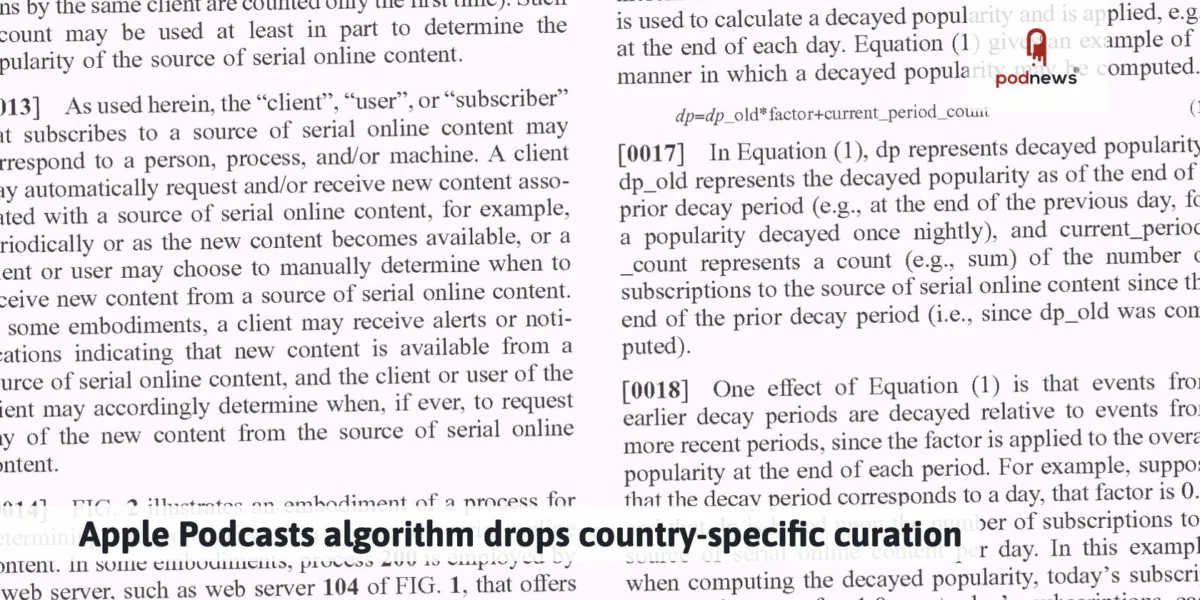
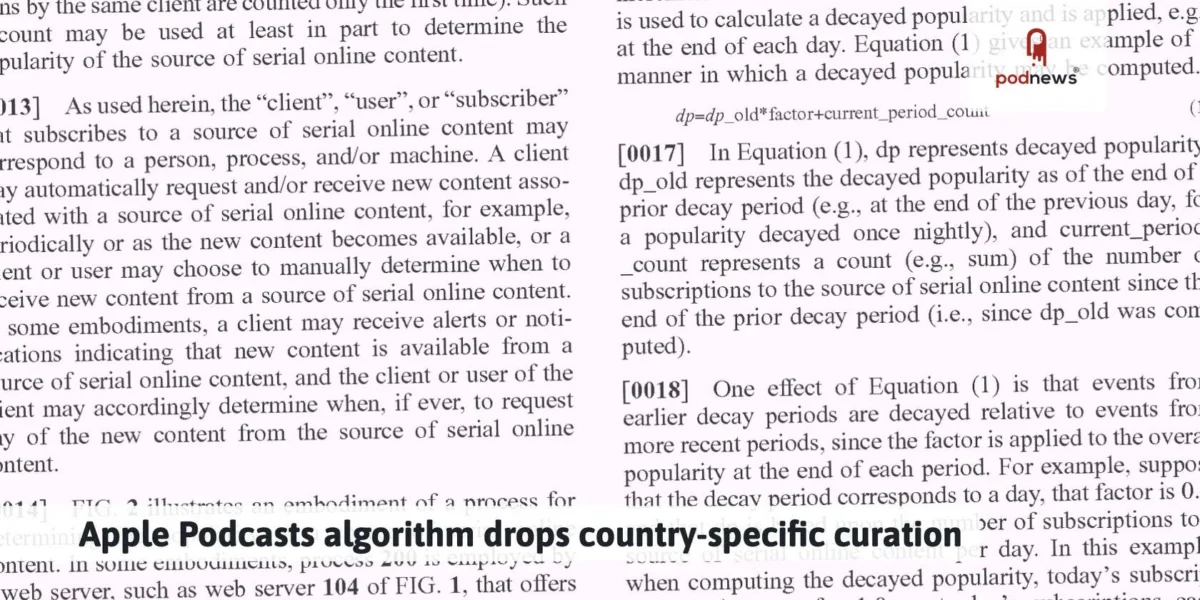
Central to this discourse is the ongoing mystery and evolution of discovery algorithms. Apple Podcasts, once the definitive gatekeeper, has frequently updated its proprietary ranking mechanisms. Recent insights into Apple’s patent filings suggest an increased focus on "trending charts" that prioritize velocity, engagement, and completion rates over raw download numbers. This shift forces creators to treat their podcasts not just as audio files, but as dynamic products that require consistent marketing, community building, and cross-platform synergy.
Furthermore, the industry is witnessing a significant migration of talent from traditional media outlets into the creator economy, with specialized platforms like beehiiv and Airwave stepping in to offer infrastructure that traditional networks previously provided.

Chronology: The Road to Current Trends
- Early 2026: The industry began pivoting away from pure-play audio toward the "video-first" podcast model. YouTube became a primary battleground for discovery, forcing audio-only creators to adapt or risk obsolescence.
- Mid-2026: A series of major platform updates from Spotify and Apple Podcasts saw a shift in chart methodologies. The industry began moving away from "subscription-heavy" metrics toward "active listener" metrics, which reward content that listeners actually finish.
- September 2026: A surge in interest regarding audience growth metrics led to a partnership between Point-To-Point Marketing and Strategic Solutions Research. Their upcoming webinar series was announced to address the widening gap between content production and audience acquisition.
- October 2026: The current landscape shows a dominance of established powerhouses—The Daily and The Joe Rogan Experience—maintaining their positions, while niche podcasts, such as Gone Medieval, successfully leverage video migration to capture new demographics.
Supporting Data: Chart Performance and Market Shifts
The current data from October 2, 2026, offers a snapshot of a market that values both the massive legacy shows and the agile newcomers.
Current Chart Leaders (United States)
- Apple Podcasts: The Daily continues its tenure as the definitive voice in news podcasting, holding the #1 spot.
- Spotify: The Joe Rogan Experience retains the top position, underscoring the platform’s continued success in hosting long-form, personality-driven content.
Emerging Growth and Market Movements
Discovery is not just about the top ten; it is about the "long tail" of content. Recent activity shows:

- The "Hobbies" Sector: Sew-organised-style in Ireland has demonstrated significant growth, marking it as a "Biggest Gain" contender. This suggests that niche, highly specific hobbyist content is finding a sustainable audience through improved search optimization.
- The Gaming Surge: The highest new entry in the Irish Games category, Adopt Me, signals that gaming-centric audio content remains a robust, untapped market for advertisers.
- Travel and Lifestyle: Abroad in Japan remains a dominant force in the Places & Travel category, proving that travel-based storytelling remains a high-engagement genre.
Official Responses and Strategic Perspectives
Industry leaders are increasingly vocal about the need for better "podcasting intelligence."
Ainsley Rossitto, speaking on the Podcast Perspectives show, recently outlined her move from Paramount’s podcast division to beehiiv. Her transition is emblematic of a broader shift: creators are prioritizing tools that allow for direct audience ownership. According to Rossitto, a "Head of Podcasts" at a newsletter-first company is not just managing audio; they are managing the integration of the written word with the spoken one. The goal is to provide creators with a "full-stack" experience—capturing interest via newsletters and converting that interest into long-form loyalty via podcasts.

Furthermore, the upcoming webinars from Point-To-Point Marketing and Strategic Solutions Research aim to demystify the "black box" of podcast growth. By sharing specific findings on what drives listener retention, these firms hope to move the needle from "guesswork" to "scientific growth" for independent producers.
Implications for the Future of Podcasting
1. The Death of the "Passive" Podcast
The era of launching a podcast into the void and hoping for organic discovery is over. The current climate necessitates an aggressive marketing strategy. Whether it is The 1000 Hours Outside Podcast—which ties its mission to a tangible social movement—or Gone Medieval moving to YouTube to visualize its historical narratives, the message is clear: if you aren’t actively growing, you are losing.

2. The Video Imperative
The successful migration of Gone Medieval to YouTube demonstrates that audio-only creators are increasingly being forced to capture the visual medium. Algorithms now prioritize cross-platform footprint. A podcast that exists as a standalone audio file is essentially invisible to the modern discovery engine. Creators must now consider the "clip-ability" of their content—ensuring that every episode yields short-form, high-engagement video assets.
3. Niche is the New Scale
While the "chart-toppers" dominate, the data from smaller, niche categories (like hobbies and travel) shows that the most loyal audiences are found in the margins. Advertisers are beginning to realize that a 50,000-listener audience focused entirely on "medieval history" or "fantasy football" (as seen in Fan Girl Football) is often more valuable than a million-listener general interest show. The granular targeting available in these niche categories is the next frontier for revenue growth.

4. The Integration of Newsletters and Audio
The shift of experts like Ainsley Rossitto into the newsletter space confirms that the "creator funnel" is being redesigned. Podcasts serve as the "top of funnel" for discovery, while newsletters serve as the "retention engine." Creators who can successfully bridge the gap between their inbox and their RSS feed will be the winners of the next decade.
5. Fantasy Football and Seasonal Content
The surge of content like Fan Girl Football heading into Week 4 of the NFL season serves as a reminder of the power of "utility-based" podcasting. Content that solves a problem—whether it is "how to win at fantasy football" or "how to manage a household" (as seen in hobbyist pods)—creates a recurring, "habitual" listener who returns week after week, providing a stable foundation for ad-supported models.

Conclusion
As we look toward the remainder of 2026, the podcasting industry is transitioning from its "Wild West" phase into a mature media category. The tools for success are no longer hidden; they are available to those willing to embrace data, cross-platform video integration, and a sophisticated approach to community management.
For the independent creator, the advice remains consistent: focus on high-utility content, lean into the visual requirements of modern discovery, and leverage the newsletter-to-audio pipeline to turn casual listeners into an owned, loyal audience. The charts may be dominated by the titans of the industry, but the real innovation—and the most sustainable growth—is happening in the specialized, highly engaged niches that define the modern podcast listener.