In the rapidly maturing landscape of digital media, the definition of a "podcast" is undergoing a profound transformation. What began as a simple RSS-based audio file distribution method has evolved into a multimedia ecosystem where visual engagement is no longer optional—it is the primary driver of growth. As platforms like YouTube solidify their position as the leading search and discovery engines for new audiences, creators are finding that the "audio-first" mandate is being superseded by a "video-first" reality.
The Shift Toward Visual-First Consumption
The modern listener is increasingly a viewer. Data from the current podcasting landscape confirms that YouTube has become one of the most effective funnels for audience acquisition. This is not merely a preference; it is a structural change in how media is consumed. For independent creators and large-scale networks alike, the barrier to entry has moved from "how do I record audio" to "how do I present this visually."
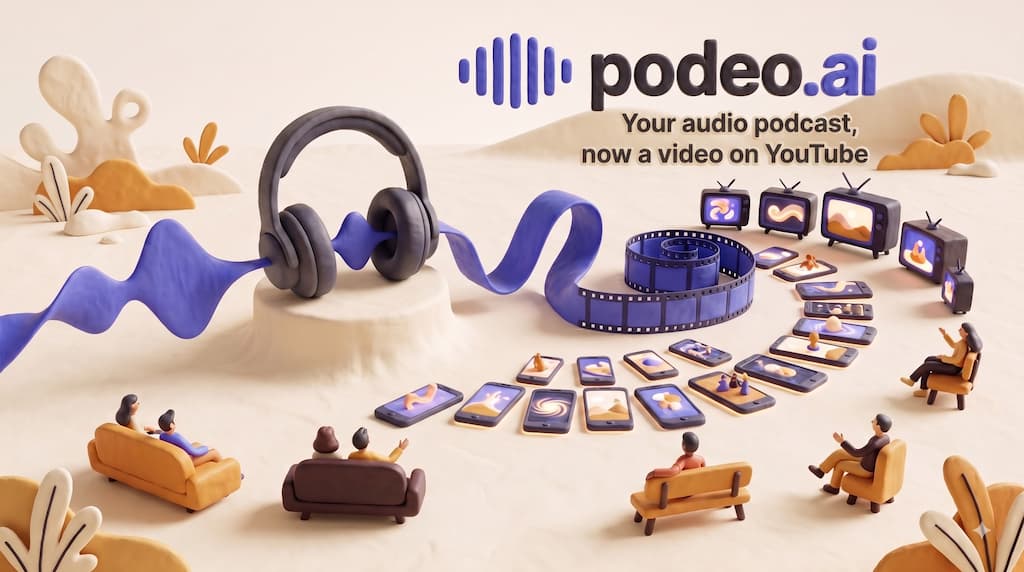
However, this transition creates a significant labor bottleneck. Producing high-quality video content typically requires specialized equipment, editing expertise, and hours of post-production. Enter the rise of AI-driven production tools, such as Podeo.ai, which are designed to bridge the gap between existing audio assets and the demands of the visual market. By utilizing AI to analyze audio tracks and programmatically generate synchronized visuals, footage, and motion graphics, creators can now repurpose their back catalogs into "video-ready" content in a fraction of the time it would take for traditional manual editing.

Chronology: The Road to the Video Podcast Era
- 2004–2010: The RSS Foundation: The early era of podcasting was defined by pure audio. Discovery was limited to directory listings and word-of-mouth.
- 2011–2018: The Rise of the Platform: The introduction of more sophisticated smartphone interfaces and the emergence of dedicated podcast apps began to centralize discovery, though the medium remained firmly audio-centric.
- 2019–2022: The Visual Pivot: The "Joe Rogan Effect" demonstrated the power of long-form video, forcing industry leaders to acknowledge that visual interaction significantly increased session duration and subscriber retention.
- 2023–2025: The AI Revolution: Tools emerged to solve the production friction. Automated transcription, AI-assisted video editing, and generative art began to transform how episodes were packaged.
- 2026: The New Standard: Today, as evidenced by current industry trends, the presence of a video component is often the deciding factor in whether a show gains traction on major platforms.
Supporting Data: Understanding Market Dominance
Data from the most recent industry metrics illustrates a clear divergence between legacy audio platforms and video-forward competitors.

- The Daily remains the dominant force in the United States on Apple Podcasts, holding the #1 position due to its high production value and consistent publishing schedule.
- The Joe Rogan Experience continues to lead the charts on Spotify, leveraging its massive, loyal audience and its iconic video studio format to maintain market share.
- Niche Growth: Shows like The Rest Is Science (UK) and On Purpose with Jay Shetty (Australia) are successfully dominating their respective categories by diversifying their content delivery, ensuring they are discoverable across both traditional podcast feeds and streaming video platforms.
The takeaway from these figures is clear: platforms that integrate video capabilities provide a more robust experience for listeners, leading to higher engagement metrics, which in turn drive search engine optimization (SEO) benefits that traditional audio-only files cannot replicate.

Official Responses and Industry Perspectives
Industry analysts have been quick to weigh in on this transition. Many experts argue that while audio will always remain the "heart" of the medium, the "face" of the medium must be visual to compete for modern attention spans.

"We are seeing a convergence," says one lead analyst at a major media firm. "The podcast industry spent two decades perfecting the distribution of sound. Now, we are spending the next decade perfecting the presentation of that sound. The creators who succeed in the next five years will be those who treat their RSS feed as the source material for a much larger visual brand."

However, there is a counter-narrative. Some purists argue that the "theater of the mind"—the hallmark of audio storytelling—is being diluted by the need to create visual content. The challenge for creators, therefore, is to maintain the intimacy of audio while leveraging the reach of video.

Implications for Independent Creators
The democratization of video production tools carries significant implications for the future of independent podcasting.

1. The Death of the "Low-Production" Excuse
Previously, independent creators could cite budgetary constraints as a reason for lack of visual presence. With tools like Podeo Director, which can generate a 60-minute video episode in roughly 20 minutes of processing time, that excuse is rapidly vanishing. If an independent show is not on YouTube, it is effectively invisible to a large segment of the potential audience.

2. The Rise of the "Producer-Creator"
The role of the podcaster is evolving into that of a content producer. The modern workflow now involves:

- Audio Capture: The initial recording.
- AI-Driven Visual Synthesis: Transforming the audio into video.
- Community Engagement: Utilizing "Copilot" tools to sharpen intros and create punchy, shareable segments for platforms like TikTok or YouTube Shorts.
3. SEO and Discoverability
Search engines (specifically Google and YouTube) are better at indexing video content than audio streams. By providing transcripts, visual cues, and optimized video metadata, creators are essentially "opening the doors" to their content. This is a critical survival strategy in an environment where listener growth has begun to plateau on traditional platforms.

Case Studies: Innovation in Action
The current landscape features diverse approaches to this evolution:

- The Damage Report: By providing an unflinching, no-holds-barred look at the current political establishment, this show utilizes the intensity of the medium to drive deep engagement.
- Eras: Celebrating 30 years of the Spice Girls, this production uses the BBC’s deep archives to create a rich, sensory experience that transcends mere conversation.
- American History Hit: By focusing on the historical nuance of the American Frontier, the show demonstrates that high-quality, educational content can thrive in a visually competitive environment if the storytelling is sufficiently compelling.
- Matters Arising: As a comedy of small minds in a small village, this show highlights how scripted, narrative-driven content can use audio as a base for a wider, character-driven visual brand.
Conclusion: The Path Forward
The podcasting industry is not disappearing; it is expanding. The move toward visual-first discovery is not an abandonment of audio—it is a recognition that the digital landscape is increasingly visual in nature.

For creators, the strategy for the remainder of 2026 and beyond is straightforward:

- Embrace the Visual: If you are not on YouTube, you are losing market share.
- Leverage AI: Use modern tools to reduce the friction of video production.
- Prioritize Discoverability: Focus on titles, thumbnails, and intros that are optimized for human curiosity and algorithmic favor.
- Engage the Community: As seen with the support for daily and weekly shows, listener interaction remains the bedrock of success. A community that feels involved in the show’s growth is a community that stays loyal.
As we look toward the future, the integration of audio and video will continue to blur, eventually rendering the distinction between a "podcast" and a "web series" irrelevant. The creators who thrive will be those who master the synthesis of both, ensuring their voices are not only heard but seen.