As Amazon’s sprawling Big Deal Days shopping event enters its final evening, digital storefronts are flooded with a relentless wave of discounts. For consumers, October’s answer to Prime Day presents a paradox: while the sheer volume of markdowns offers an opportunity to secure high-end gear at a fraction of the cost, separating genuine bargains from overhyped duds requires expert navigation.
To help shoppers cut through the marketing noise, What Hi-Fi?’s resident deals and testing teams have evaluated the front-runners of this year’s sales event. Having put dozens of popular headphones, wireless speakers, and portable projectors through rigorous testing in dedicated acoustic and visual laboratories, industry experts have weighed in on which discounts deserve your hard-earned money—and which ones are better left in the cart.
Main Facts: The Reality of Seasonal Tech Sales
Seasonal mega-sales like Amazon’s Big Deal Days are designed to create a sense of urgency. With limited-time price cuts spanning major tech categories, buyers are often tempted by steep percentage-off labels rather than actual product performance.
According to retail analytics and expert testing data, this year’s event has yielded deep discounts on popular audio and home entertainment hardware. However, a significant portion of heavily promoted items failed to meet basic industry standards for fidelity, build quality, or value.
- The Good: Select audio giants, such as Sony, continue to offer phenomenal value on tried-and-tested headphones, while portable projector alternatives deliver substantial upgrades over heavily marketed competitors.
- The Bad: Several marquee names and newer device iterations suffer from inflated MSRPs that make even their discounted price points difficult to justify.
- The Strategy: Prioritize expert-reviewed hardware with proven track records rather than impulse-buying newly released or heavily discounted niche models that compromise on core performance metrics.
Chronology: How the Shopping Event Unfolded
The Lead-Up and Opening Hours
In the weeks preceding Big Deal Days, manufacturers and retailers seeded early-bird discounts across consumer electronics categories. Early traffic surged as bargain hunters anticipated price drops on legacy models, such as previous-generation noise-canceling headphones and portable entertainment systems.
The Peak of the Rush
As the event progressed into its final 48 hours, Amazon introduced flash sales and lightning deals, heavily pushing smart home ecosystems, entry-level audio gear, and pocket-sized projectors. Social media and affiliate networks were inundated with promotional links, making objective evaluation nearly impossible for the average consumer without the aid of specialist testing labs.
The Final Stretch
Now, as the clock winds down on the final evening of the event, shoppers are left with a final window of opportunity. Retailers are slashing prices further on remaining stock, making this the critical juncture to execute carefully considered purchases while avoiding clearance items that fail to deliver genuine long-term value.
Supporting Data: Audio and Projector Showdowns
To provide clarity, industry testers compared major discounted hardware against their direct market competitors based on sound fidelity, build quality, dynamic range, and overall value.
1. Smart Speakers: Amazon Echo Dot Max vs. Echo Dot (5th Gen)
- The Deal to Avoid: The Amazon Echo Dot Max has seen a noticeable price cut during the event. However, despite the healthy discount, extensive testing revealed subpar sound quality that ultimately earned the device a disappointing two-star rating.
- The Alternative to Buy: Skip the Max and invest in the Amazon Echo Dot (5th Gen) instead. It is not only cheaper upfront, but it also delivers superior audio performance, a refined physical finish, and seamless integration with Alexa smart home capabilities. It remains the definitive budget smart speaker choice.
2. Over-Ear Headphones: Sony ULT Wear vs. WH-CH720N and WH-1000XM4C
- The Deal to Avoid: The Sony ULT Wear represents a rare misstep for the renowned audio brand. In testing rooms, its sound profile proved polarizing—either overwhelmingly bass-heavy and boomy or frustratingly lacking in dynamic nuance and fine detail.
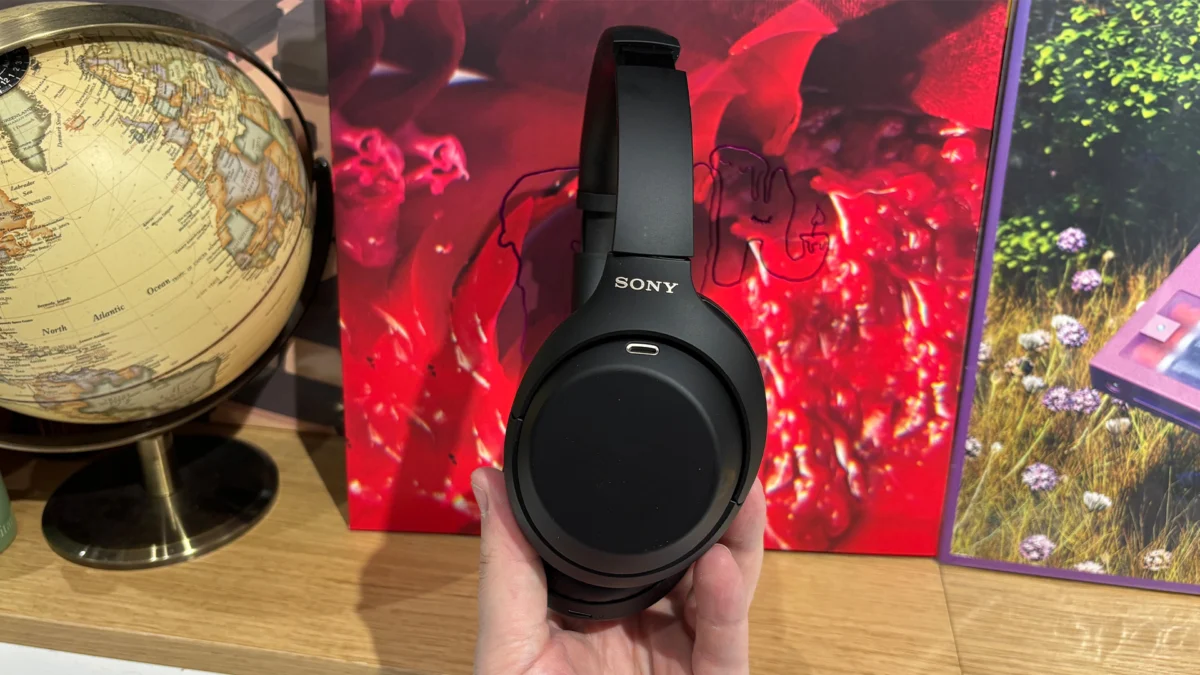
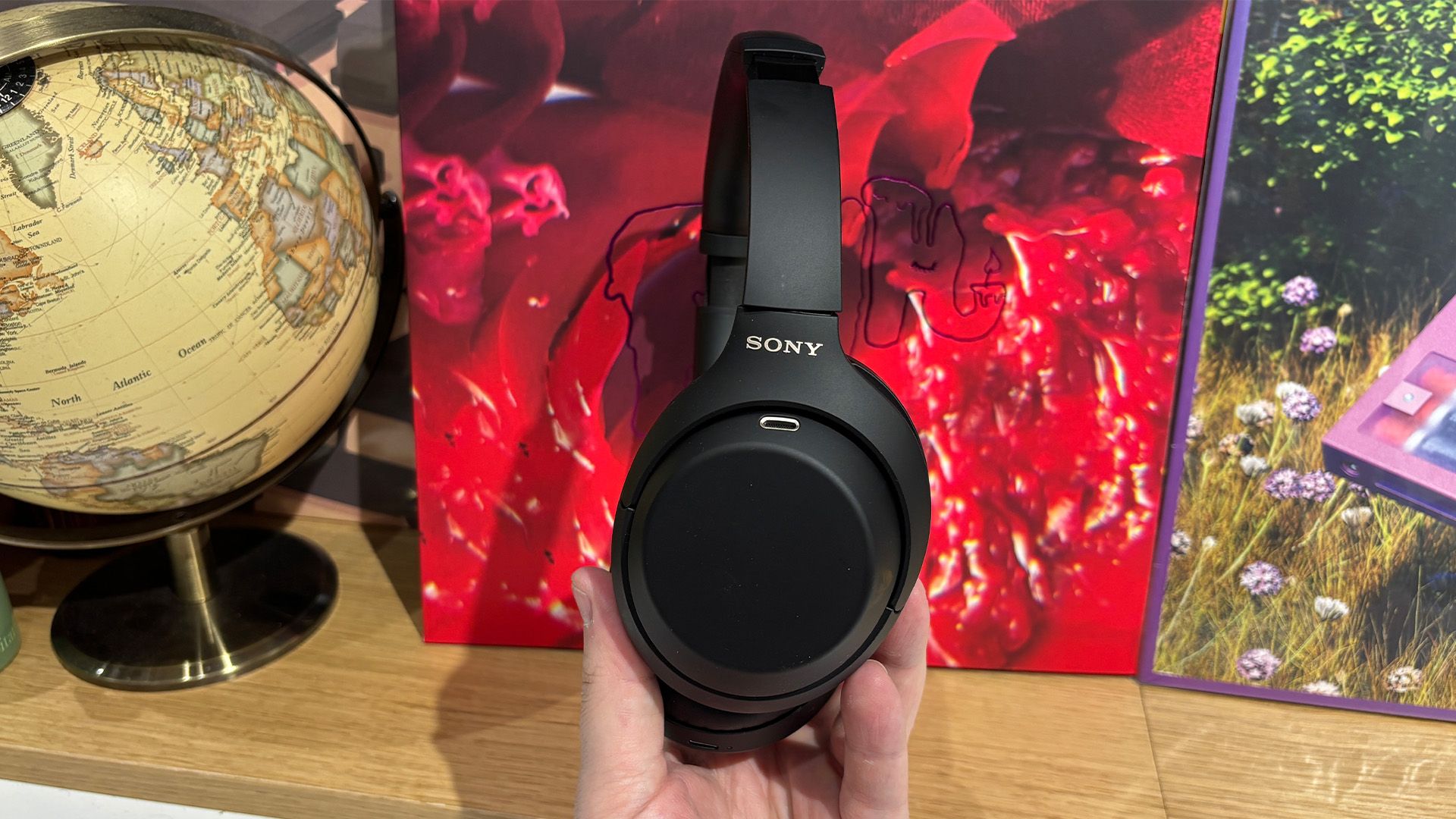
- The Alternatives to Buy: For a budget-friendly option, the Award-winning Sony WH-CH720N offers exceptional value, combining balanced sound, solid construction, and impressive active noise cancellation (ANC). For those willing to stretch their budget slightly, the newly released Sony WH-CH730N provides an even richer sonic experience. Meanwhile, shoppers eyeing the Beats Studio Pro will find that its large discount makes it a tolerable purchase, though stretching the budget for the five-star Sony WH-1000XM4C yields vastly superior musicality, spark, and long-term listening comfort.
3. Portable Projectors: Anker Nebula Capsule 3 & Soundcore Nebula X1 Pro vs. Alternatives
- The Deal to Avoid: The ultra-portable Anker Nebula Capsule 3 looks appealing on paper, but its visual performance is severely limited by a peak brightness of just 200 lumens, rendering images washed out in anything less than a pitch-black room. Similarly, the futuristic Soundcore Nebula X1 Pro turns heads with its sleek design, but its picture and sound quality fail to justify its steep price tag, even with promotional discounts applied.
- The Alternatives to Buy: Instead of the Capsule 3, look to the Xgimi MoGo 4, which packs an impressive punch with a vibrant, colorful, and highly engaging image despite its compact footprint. If you are shopping for a high-end portable 4K projector, bypass the X1 Pro and opt for the original Nebula X1, which currently sits at its lowest price ever and represents the superior value choice in its class.
Official Responses and Industry Insights
Manufacturers and retail analysts have long recognized the immense commercial power of multi-day shopping events like Prime Day and Big Deal Days. While brands capitalize on the massive influx of consumer traffic to clear out aging inventory and introduce buyers to newer ecosystems, consumer advocates and audio engineers urge caution.
Representatives from independent testing publications emphasize that deep discounts should never override critical evaluation. "A bad product at half-price is still a bad product," notes one senior testing coordinator. "When manufacturers slash prices drastically on day-one failures or iterative models that miss the mark on audio fidelity, they are often banking on the consumer’s fatigue. Our role is to ensure that buyers invest in equipment that brings genuine sonic and visual pleasure for years to come, rather than e-waste that gets relegated to a drawer within a month."
Furthermore, supply chain experts note that retail events in October serve as an important bellwether for the upcoming holiday shopping season. Brands that fail to move stock during these windows frequently pivot to deeper liquidations in November, meaning consumers who exercise patience may find even more competitive pricing on certified, five-star hardware in the near future.
Implications for the Consumer Electronics Market
The trends observed during Amazon’s Big Deal Days highlight shifting consumer priorities and manufacturing strategies within the personal audio and home entertainment sectors.
- Erosion of the "Budget" Illusion: As premium features like active noise cancellation and 4K projection trickle down to lower price points, budget-conscious consumers are becoming increasingly discerning. Products that rely solely on brand recognition or flashy aesthetic design without delivering foundational performance are being exposed and rejected by informed buyers.
- The Longevity of Legacy Models: The enduring popularity and continued sales success of mature products—such as previous-generation Sony headphones and established portable projectors—demonstrate that audio engineering excellence ages gracefully. Consumers are increasingly favoring tried-and-tested hardware over rushed annual refreshes that offer marginal improvements at inflated costs.
- Navigating Future Sales Events: As commercial retail calendars become increasingly crowded with curated discount windows, the onus falls on independent reviewers and consumer forums to maintain transparency. Armed with performance data, buyers are better equipped to bypass marketing ploys and secure genuinely transformative tech upgrades.
As the final hours of Big Deal Days tick away, shoppers armed with expert insights can bypass the traps of overhyped markdowns and secure audio-visual gear that genuinely delivers on its promises.