The global podcasting landscape remains a dynamic, fast-paced ecosystem defined by shifting audience habits, technological integration, and a constant influx of niche content. From the dominance of established juggernauts to the rise of specialized storytelling, the industry continues to prove that audio is not just a medium of convenience, but a cornerstone of modern digital media.
This report examines the current pulse of the industry, analyzing the latest chart movements, key content trends, and the strategic maneuvers of major platforms like Apple Podcasts and Spotify.

Main Facts: The Current Audio Landscape
As of the latest industry data, the hierarchy of podcast consumption remains anchored by high-production-value talk shows and news-focused daily programs. In the United States, The Daily continues its iron-clad grip on the top spot for Apple Podcasts, while The Joe Rogan Experience maintains its status as the titan of the Spotify charts.
However, beneath the surface of the "Top 10" lists, a significant shift is occurring. Niche, highly targeted content is gaining traction. Whether it is professional development, specialized health advice, or local human-interest storytelling, listeners are increasingly seeking out podcasts that solve specific problems or provide deep dives into unique subject matter.

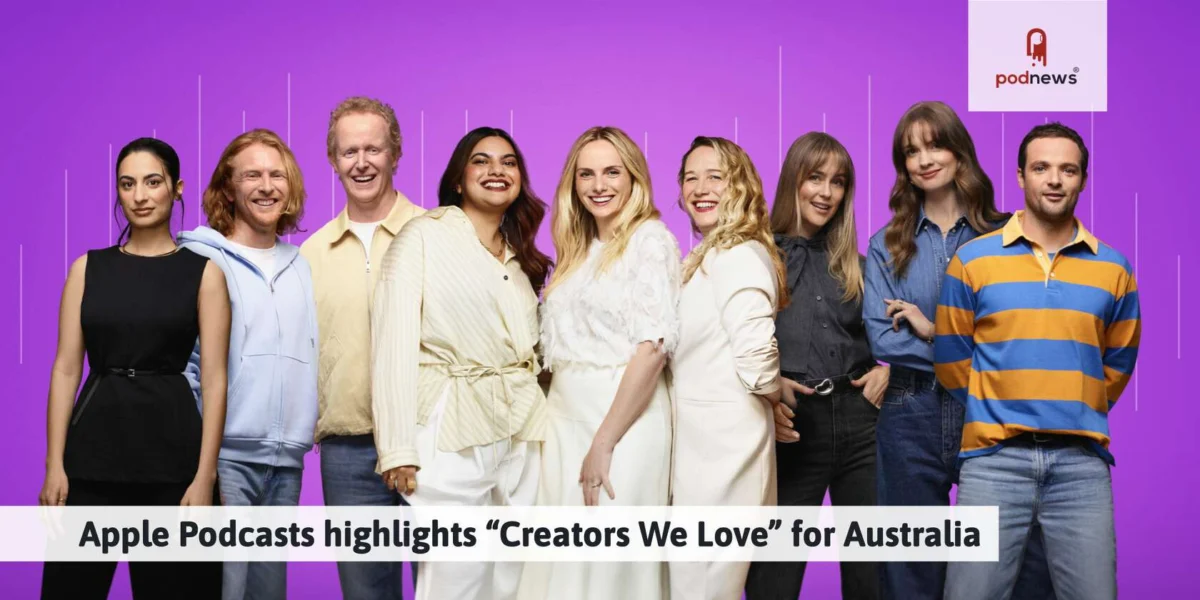
The recent spotlight on Australian creators by Apple Podcasts underscores a broader global strategy: platform gatekeepers are actively working to surface local talent to international audiences. By curating regional favorites, platforms are effectively diversifying the content pool, ensuring that a listener in New York is just as likely to encounter a high-quality production from Melbourne as they are a local studio-produced show.
Chronology: A Snapshot of Recent Industry Milestones
The trajectory of the podcasting industry is best viewed through the lens of recent milestones that highlight both consolidation and diversification.

- Early 2024: Industry analysts observed a pivot from "growth at all costs" to "sustainability." Production houses began emphasizing audience retention over raw download numbers.
- Mid-2024: The introduction of new algorithmic features on platforms like Spotify and Apple Podcasts saw a dramatic increase in the visibility of "highest new entries." Shows like the volleyball-themed ChandChand in Ireland demonstrated that even hyper-niche topics can break into the top charts if they find their "super-fan" audience quickly.
- Recent Weeks: The BBC’s release of the latest season of Mud, Sweat and Cheers highlights a trend toward "audio-documentary" styles. By focusing on the dramatic, often controversial, history of Sheffield FC—the world’s oldest football club—the series exemplifies how traditional broadcasters are leveraging deep research and narrative journalism to compete with independent creators.
- Current Date: We are seeing a surge in career-focused and university-alumni-led programming, such as After Aston I…, which illustrates the power of community-driven content. These shows prove that "institutional memory" and alumni networking are viable engines for podcast growth.
Supporting Data: Chart Analysis and Audience Trends
Data from major platforms reveals a nuanced picture of listener behavior. When we analyze the charts, we find that category-specific dominance is a better indicator of health than general "top show" rankings.
Market Leaders
- Apple Podcasts (USA): The Daily remains the benchmark for news-delivery. Its consistent, high-frequency output ensures it stays at the top of the feed for millions of morning commuters.
- Spotify (USA): The Joe Rogan Experience continues to command the largest share of voice in the long-form conversation space, proving that extended runtime—once thought to be a liability—is a key feature for the platform’s core demographic.
- Spotify (UK): The Diary Of A CEO with Steven Bartlett has cemented its position as the leading business podcast. Its success highlights the appetite for "founder-led" content, where the host’s personal brand acts as the primary marketing vehicle.
Emerging Growth Areas
- International Animation & Manga: The rise of niche cultural content, particularly in the Canadian market, suggests that globalized fandoms are increasingly turning to audio to discuss visual media.
- Sports Niche: Pardon My Take continues to dominate the sports category in Canada, showing that personality-driven sports commentary remains a resilient format, even as traditional linear sports media faces pressure.
Official Responses and Industry Sentiment
The consensus among industry leaders is that the "Golden Age" of podcasting has evolved into an "Age of Discovery."

"Creators are no longer just making audio; they are building ecosystems," says one industry analyst. Platforms are responding by providing better metadata and discovery tools. For instance, the inclusion of audio trailers—a feature now standard for shows like Mud, Sweat and Cheers—allows potential listeners to sample the production value and tone of a show before committing to a full episode. This reduction in "friction to entry" is widely viewed as the most important development in user experience (UX) design for the industry this year.
Furthermore, the emphasis on local curators and editors in the Apple Podcasts ecosystem suggests that while algorithms are powerful, the human touch remains essential for legitimizing new shows. By highlighting "Highest New Entries," platforms are sending a clear signal: they are looking for the next breakout hit, not just maintaining the status quo of the current top ten.

Implications: Where the Industry Goes from Here
The implications of current trends are profound for independent creators, advertisers, and listeners.
1. The Death of the "Generalist" Show?
As the charts become increasingly crowded, the "generalist" talk show is finding it harder to compete. The future belongs to shows with a clear identity. Whether it is What Should I Read Next? (which solves a specific reader’s dilemma) or medical-based podcasts focusing on conditions like IBS, content that provides utility is winning.

2. The Rise of the "Audio-Documentary"
The success of high-production, narrative-heavy series like the BBC’s sports coverage indicates that listeners are willing to pay for—or spend time with—content that requires significant pre-production. The era of "two people in a room with a microphone" is not ending, but it is being challenged by high-fidelity storytelling that utilizes sound design to create immersive experiences.
3. Professionalization of the "Alumni" and "Community" Pod
The success of After Aston I… signals a move toward closed-loop communities. Podcasts are becoming the primary newsletter of the 21st century. Instead of just reading a bulletin, alumni and community members want to hear the voices of their peers. Expect more organizations and institutions to launch branded podcasts as a means of fostering internal engagement.

4. Technological Integration
The integration of direct-play trailers and seamless cross-platform sharing suggests that the barrier between "social media browsing" and "podcast listening" is dissolving. We are moving toward a future where audio snippets are treated with the same social currency as short-form video.
Conclusion
The state of podcasting in the current quarter is defined by a healthy tension between the established giants and the innovative newcomers. While the top of the charts may look familiar, the engine driving that success is shifting toward deeper audience engagement, niche-specific value, and high-production narrative journalism.

For the aspiring creator, the message is clear: do not aim for a general audience. Find a specific, passionate community, provide them with content that solves a problem or satisfies a deep curiosity, and utilize the tools now available—like audio trailers and niche-focused category entries—to ensure your work is discoverable.
As we look toward the remainder of the year, the podcasting industry remains the most flexible and exciting medium in digital media. It is an industry that listens as much as it speaks, and as the data shows, it is listening to a wider, more diverse, and more sophisticated audience than ever before.