By Tom Parsons, TV and AV Editor
The pursuit of high-fidelity audio and cinematic perfection is a journey without a definitive end. Technology evolves, formats shift, and components age, leaving enthusiasts constantly pondering their next upgrade path. To help navigate this complex landscape, the editorial team behind What Hi-Fi? recently hosted another installment of its flagship interactive feature, Sound Advice.
Designed to bridge the gap between consumer curiosity and expert engineering knowledge, the live Q&A session invited readers from around the globe to submit their most pressing questions regarding hi-fi systems, home cinema layouts, television performance, and cabling nuances. While the live event has concluded, the depth of the inquiries and the rigor of the expert responses provide a masterclass in modern AV system building.
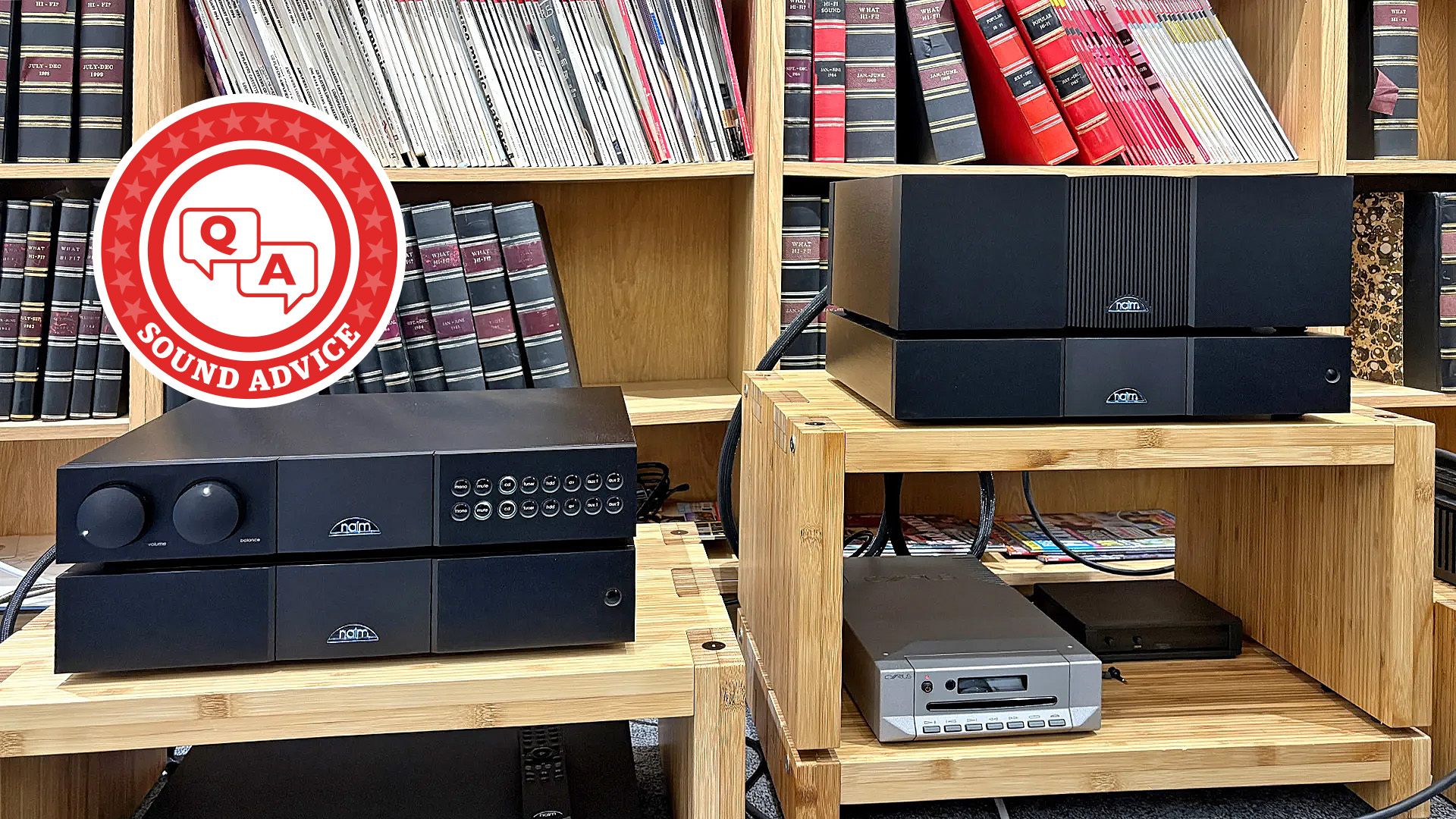
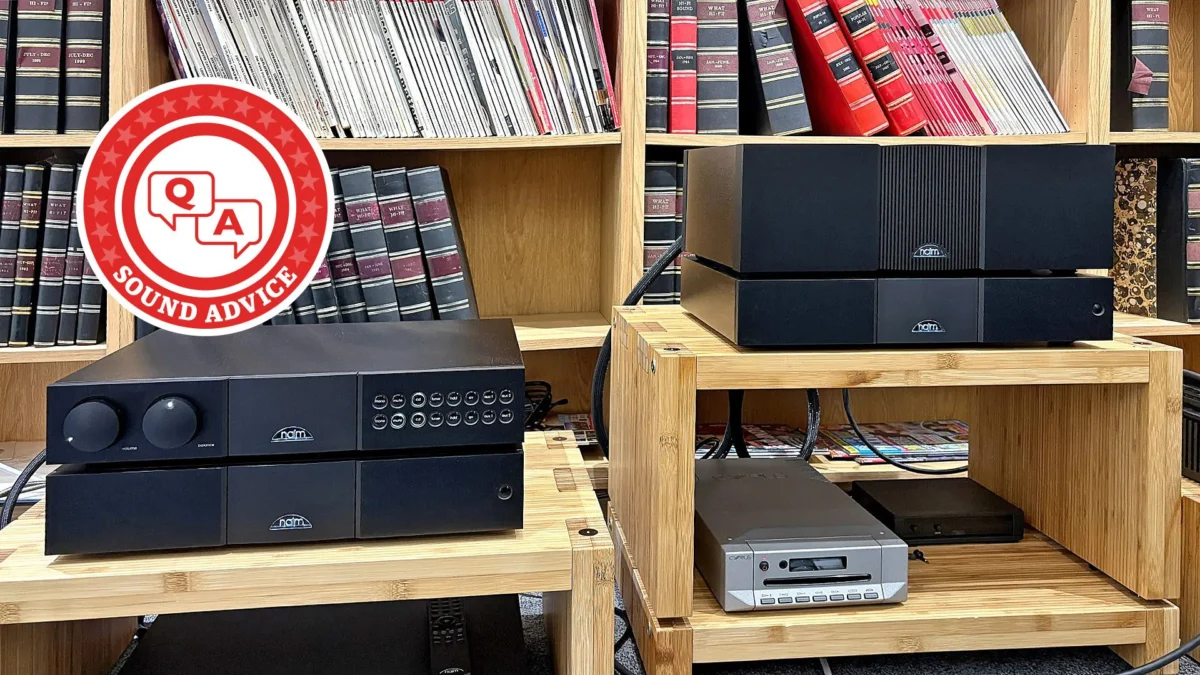
Whether you are looking to piece together a sub-£1,000 surround-sound sanctuary, extract more warmth from a CD collection, or optimize a nearfield studio monitor layout for a living room television, the collective wisdom shared during this session offers invaluable guidance. Below is a comprehensive breakdown of the core discussions, technical advice, and expert recommendations from the latest What Hi-Fi? Sound Advice forum.
Main Facts: Navigating the Modern AV Landscape
The contemporary home entertainment market is characterized by a paradox of choice. Consumers have access to unprecedented levels of technological sophistication—ranging from uncompressed object-based audio codecs like Dolby Atmos and DTS:X to ultra-high-definition video passthrough via HDMI 2.1—yet building a cohesive, synergistic system remains as challenging as ever.
During the recent What Hi-Fi? Sound Advice session, several overarching themes dominated the inbox:
- Budget-Conscious Home Theater: Finding an AV receiver that balances modern gaming features (like 120Hz pass-through and VRR) with authentic sonic neutrality under a strict £1,000 ceiling.
- Format Integration: Adapting professional-grade studio gear (nearfield active monitors) for casual, immersive living room television viewing.
- The Analogue Revival: Crafting a physically compact, wall-friendly hi-fi system capable of delivering an organic, vinyl-like warmth directly from digital compact discs.
- Component Synergy vs. Complete Overhauls: Deciding when to incrementally upgrade individual links in a hi-fi chain versus undertaking a complete system architecture redesign.
Chronology of the Q&A: Expert Breakdown by Case Study
To understand how the What Hi-Fi? editorial team—led by TV and AV Editor Tom Parsons and veteran reviewer Ketan Bharadia—approaches consumer dilemmas, it is helpful to examine the specific case studies addressed during the live session.
Case Study 1: The Search for the Ultimate Sub-£1,000 AV Receiver
- The Inquirer: Josh, an enthusiast utilizing a Bowers & Wilkins 606 and 607 S3 5.1 speaker package.
- The Goal: A neutral, highly detailed AV receiver featuring Dolby Vision and HDMI 2.1 passthrough. Josh specifically requested natural object placement in modes like Pure Direct, alongside refined stereo music reproduction.
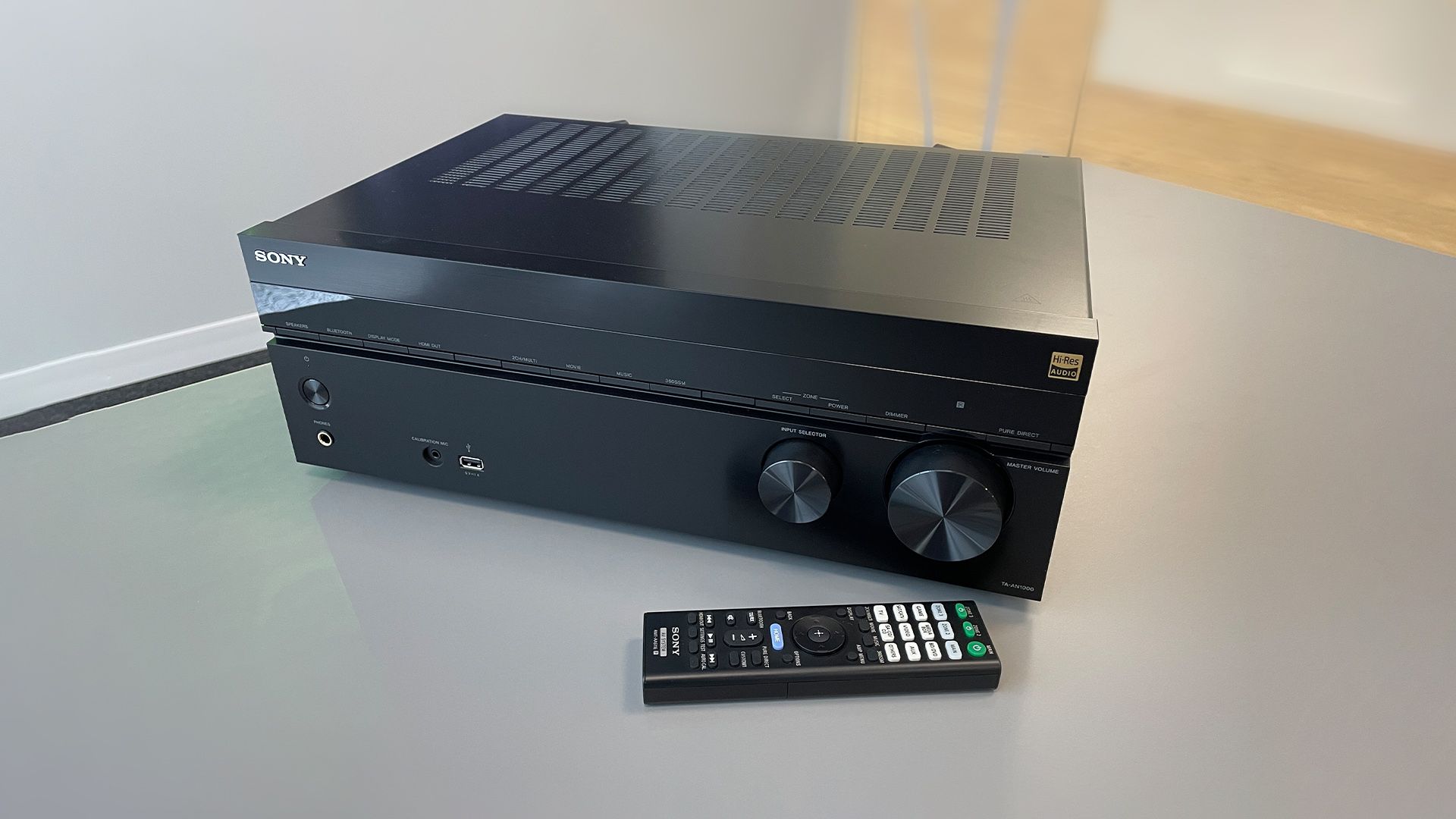
- The Expert Verdict: Tom Parsons recommended the Sony TA-AN1000. Despite spending a significant amount of time on the market, the Sony unit continues to outperform newer challengers year after year. Its primary strengths lie in microscopic detail retrieval and precision, allowing it to preserve the native character of source material without coloring the sound—making it an ideal match for B&W’s revealing tweeter technology. Notably, while launched at £999, the unit has seen substantial retail discounts, increasing its value proposition.
Case Study 2: Optimizing Studio Monitors for Television Use
- The Inquirer: Adrian, working with a medium-sized room (listening distance of approximately 3.5 meters) utilizing Genelec 8020D active nearfield monitors, an SMSL DAC, and an SVS PB-1000 Pro subwoofer.
- The Goal: Adrian praised the overall clarity but noted a perceived lack of punch in the upper-bass region (roughly 70Hz to 120Hz), preferring a fuller, richer sound profile. He questioned whether he should invest in external DSP (like a miniDSP), upgrade to larger active monitors (such as Cambridge Audio L/S X or Genelec 8040), or rethink nearfield design for living room applications.
- The Expert Verdict: Ketan Bharadia advised a methodical troubleshooting sequence before spending money on hardware replacements. First, Adrian was urged to experiment with the subwoofer’s crossover frequency settings to physically bridge the gap in the 70Hz–120Hz spectrum. Second, Bharadia emphasized room acoustics and subwoofer positioning; shifting the sub to an optimized node can drastically alter bass perception. If hardware upgrades are ultimately required, Bharadia suggested auditioning consumer-focused active alternatives like the Acoustic Energy AE Active or KEF Coda W active speakers, which are often better tailored to broader living room dispersion than pure nearfield monitors.
Case Study 3: Achieving Analogue Warmth from Compact Discs
- The Inquirer: Nick, who recently invested in a Rotel CD11 / A11 Tribute system.
- The Goal: To build a setup capable of extracting an organic, "analogue" sonic signature from standard CDs. Constraints included a requirement for small-to-medium-sized speakers that could be placed close to a wall, prioritizing absolute sound quality over sheer volume.
- The Expert Verdict: Ketan Bharadia curated a targeted matching system. For loudspeakers, Bharadia recommended the Acoustic Energy AE300 Mk2 standmount speakers, known for their composure and ability to work effectively near boundary walls. Alternatively, he suggested Dali’s Sonik 1 standmounts or the compact Sonik 5 floorstanders. To support these, the Atacama Moseco 6 stands were prescribed for mechanical decoupling, while signal integrity was entrusted to the Chord Company ClearwayX ARAY Analogue RCA interconnects.
Case Study 4: Upgrading a Legacy Rock and Metal Hi-Fi System
- The Inquirer: Richard, owner of an Arcam CDS50 streamer/CD player, Pro-Ject Debut turntable, Denon TU 1800 DAB tuner, Rotel RA04 amplifier, Rotel RB06 power amplifier, and KEF IQ5 floorstanding speakers.
- The Goal: A desire for a slight performance upgrade, primarily tailored toward listening to rock and metal genres. Richard questioned whether to transition to an all-in-one system or maintain a traditional separates architecture.
- The Expert Verdict: Acknowledging the formidable nature of Richard’s legacy setup, Bharadia requested further clarification on specific performance bottlenecks. However, he reaffirmed a golden rule of high-end audio: while all-in-one streaming systems offer unmatched domestic convenience and aesthetic minimalism, separates systems remain the undisputed champion when uncompromising sound quality is the primary objective.
Supporting Data: Understanding AV System Synergy
When assembling or upgrading an entertainment system, the interaction between components is governed by acoustic and electrical principles. The advice dispensed during the What Hi-Fi? session highlights several critical technical considerations:
- Impedance Matching and Speaker Sensitivity: Pairing bright or hyper-detailed electronics (such as certain budget-to-midrange digital sources) with overly analytical speakers can lead to listening fatigue, particularly with aggressive genres like rock and metal. Conversely, components like the Rotel Tribute series paired with Acoustic Energy AE300 Mk2 speakers exhibit a harmonious balance of warmth and transient speed.
- The Physics of Nearfield vs. Farfield Monitoring: As highlighted in Adrian’s query regarding Genelec monitors, nearfield speakers are acoustically engineered to deliver direct sound to a listener seated a short distance away (typically 1 to 2 meters), minimizing room reflections. Attempting to deploy them across a 3.5-meter living room distance naturally dilutes the direct-to-reflected sound ratio, leading to perceived thinness in the mid-bass regions that subwoofers alone cannot always correct without proper DSP time-alignment and crossover management.
- The Cable Conundrum: Addressing a question regarding HDMI cable selection for sound quality, Tom Parsons noted that What Hi-Fi? prioritizes physical build consistency, flexibility, and reliability in their testing environments. Because modern digital HDMI transmissions carry packetized data rather than analogue waveforms susceptible to micro-phonic interference, physical cable design has a negligible impact on audio fidelity once digital handshake integrity is established. Consumers are advised to utilize reputable mid-tier cables or leverage retailer return policies rather than chasing exorbitant markups for digital audio transmission.
Official Responses and Expert Insights
The recurring philosophy across all responses from editors Tom Parsons and Ketan Bharadia centers on auditioning and matching. In an era dominated by online retail algorithms, the What Hi-Fi? team consistently champions physical demonstrations, home trials, and holistic system matching over raw spec-sheet comparisons.

Key takeaways from the editorial panel include:
- Test Before You Buy: Specifications tell only half the story. Room interactions, cabinet materials, and human auditory preferences mean that a component that measures brilliantly in a laboratory may behave unpredictably in a domestic living space.
- Respect Room Physics: No amount of electronic equalization can completely overcome poor speaker positioning or acoustic boundary loading. Simple adjustments—such as shifting a subwoofer by a few inches or modifying crossover frequencies—frequently yield greater improvements than purchasing entirely new hardware.
- Longevity Through Class: Products like the Sony TA-AN1000 prove that exceptional engineering transcends release cycles. Investing in class-leading hardware ensures resilience against premature technological obsolescence.
Implications for the Future of Home Audio and Video
The questions raised during this Sound Advice session point to broader trends within the consumer electronics market.
First, the boundaries between professional audio production tools (like studio monitors and DACs) and consumer lifestyle environments continue to blur. As music lovers seek studio-grade transparency in their homes, manufacturers must design products that bridge the gap between clinical accuracy and musical enjoyment.
Second, the enduring popularity of physical media—exemplified by Nick’s dedication to compact discs and Richard’s vinyl collection—demonstrates that the digital streaming revolution has not entirely eradicated physical formats. Audiophiles increasingly value the ritual, tactile engagement, and dedicated mastering associated with physical silver discs and vinyl records.
Finally, as home theater systems become increasingly complex—incorporating multi-channel immersive audio, high-refresh-rate gaming, and smart television integration—expert forums like What Hi-Fi?‘s Sound Advice serve an essential role. They cut through marketing noise to provide grounded, technically sound guidance to consumers investing in their passion for sound and vision.
The next edition of Sound Advice will return next month. Readers seeking bespoke guidance can continue submitting their hi-fi, television, and home cinema queries directly to the editorial team at [email protected].