CULVER CITY, CA — On Saturday, September 26, 2026, the historic Sony Pictures Studios lot in Culver City transformed into the epicenter of the global audio post-production industry. The 13th annual Mix Sound for Film & Television event drew over 500 of the industry’s most influential sound designers, re-recording mixers, editors, and engineers for a day of technical deep dives, networking, and celebration of the year’s most significant auditory achievements.
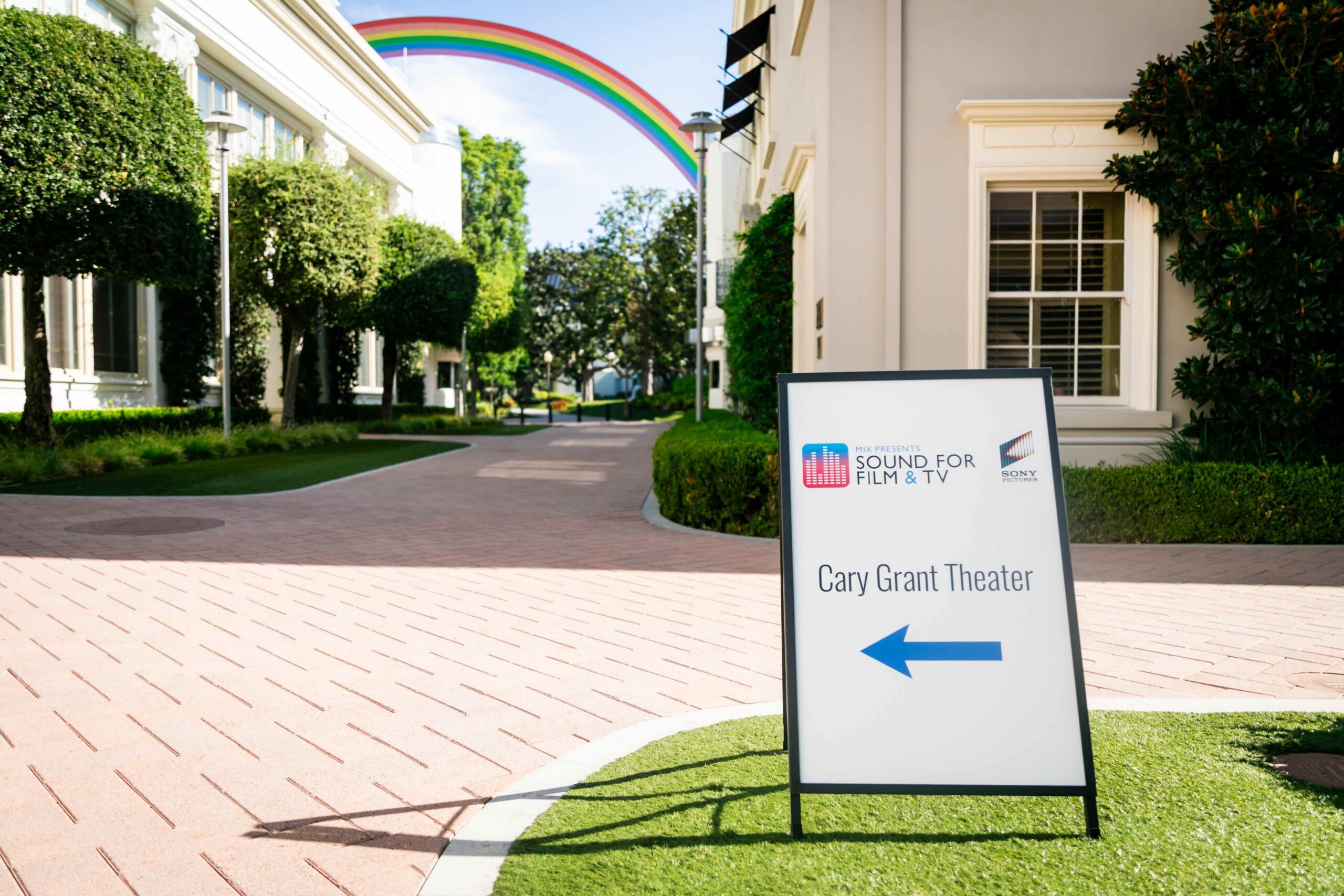
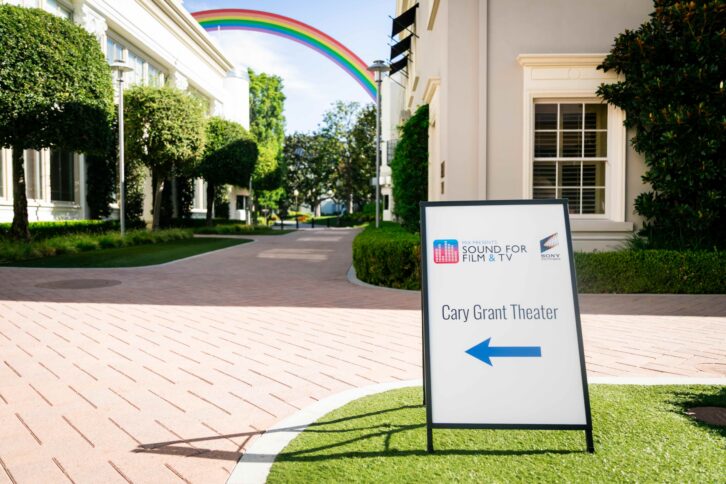
Against a backdrop of iconic Hollywood history—guests were greeted by the legendary Wizard of Oz rainbow—the event underscored the vital, and often invisible, role that sound plays in the cinematic experience. As the industry approaches the peak of awards season, the gathering served as both a technical symposium and a strategic hub for the creative teams behind this year’s most talked-about films and streaming series.
The Anatomy of an Immersive Experience: Key Panels and Profiles
The day’s programming was anchored by high-profile panels featuring the creative teams behind some of 2026’s most successful productions. These sessions moved beyond traditional "behind-the-scenes" discussions, offering a granular look at the technical challenges and creative breakthroughs inherent in modern sound design.
Dreamworks Animation: The Myth and Magic of Forgotten Island
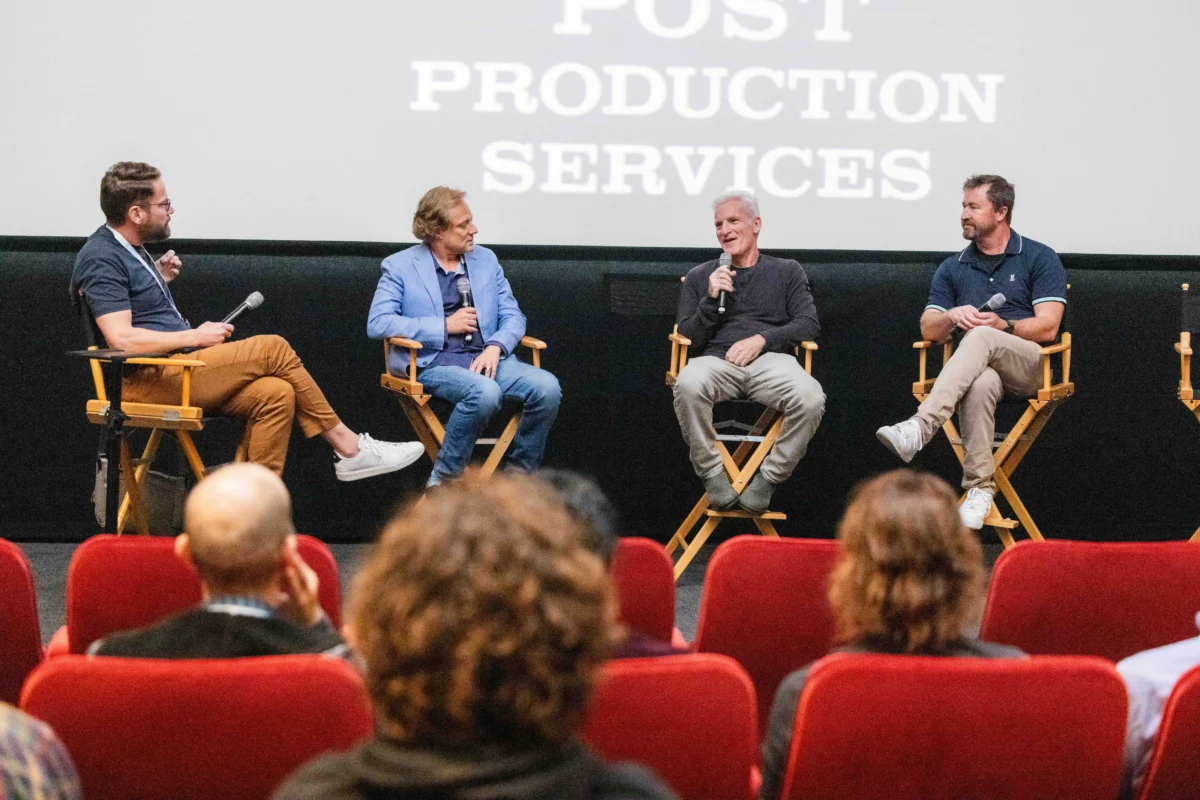
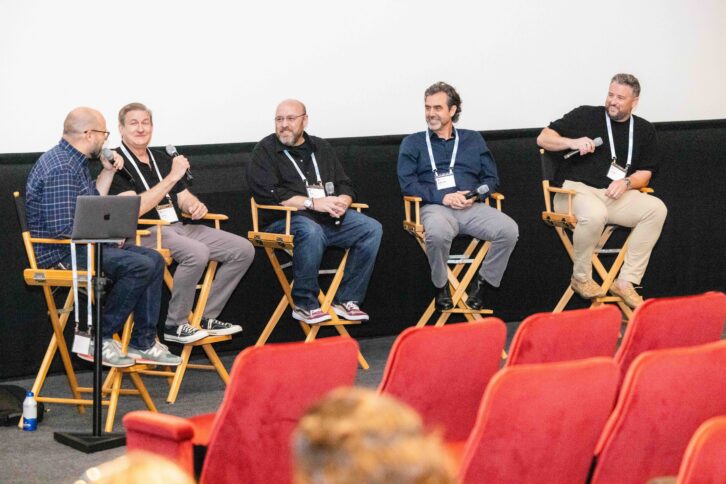
The morning session, titled "Myth, Magic and Sound: Forgotten Island," saw the Skywalker Sound post-production crew—Brian Chumney, Leff Lefferts, and Gary A. Rizzo—take the stage under the moderation of Timothy Muirhead. The panel dissected the complex soundscapes of Dreamworks’ latest animated hit, specifically focusing on how sound design serves to build "world-building" in animated environments where every sonic element must be synthesized from scratch. The conversation centered on the delicate balance between naturalism and the heightened, often whimsical, sonic expectations of animation.
Streaming Success: The Collaborations of Widow’s Bay and DTF St. Louis
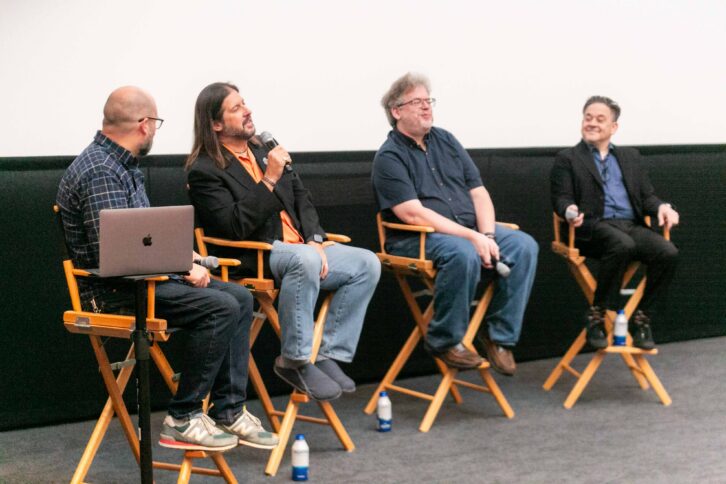
In a masterclass on the nuances of episodic storytelling, re-recording mixers Larry Benjamin, Tim Hoogenakker, James Parnell, and John W. Cook II gathered for the panel "Turning New Relationships Into Award-Worthy Collaborations." Moderated by Timothy Muirhead of the Tonebenders podcast, the discussion highlighted the unique challenges of streaming-first production cycles. As platforms demand faster turnaround times, the panelists emphasized the necessity of streamlined communication and trust between directors and sound teams to maintain high artistic standards under pressure.
Project Hail Mary: Scaling Loneliness and Space
Perhaps the most anticipated session of the day involved the sound team from the Amazon/MGM smash hit Project Hail Mary. Moderated by Dallas Taylor of DeFacto Sound, the panel featured re-recording mixer Michael Semanick alongside sound designers Ethan Van der Ryn and Erik Aadahl of E2 Sound. The team provided an in-depth analysis of the film’s unique sonic requirements, particularly the challenge of portraying the profound silence of space while maintaining an engaging auditory narrative. The discussion on "creature vocals" and the subjective nature of isolation in space provided attendees with rare insight into the creative philosophy of high-budget science fiction audio.
Advocacy and the Future of the Craft: The People Behind the Sound
Beyond the technical demos and film-specific profiles, the 2026 Mix Sound for Film & Television event was marked by a strong undercurrent of professional advocacy. As the post-production industry navigates shifting economic landscapes and the rapid integration of artificial intelligence, the event provided a platform for leaders to discuss the future of the workforce.
The Legislative Front: CAPA and the Fight for Incentives
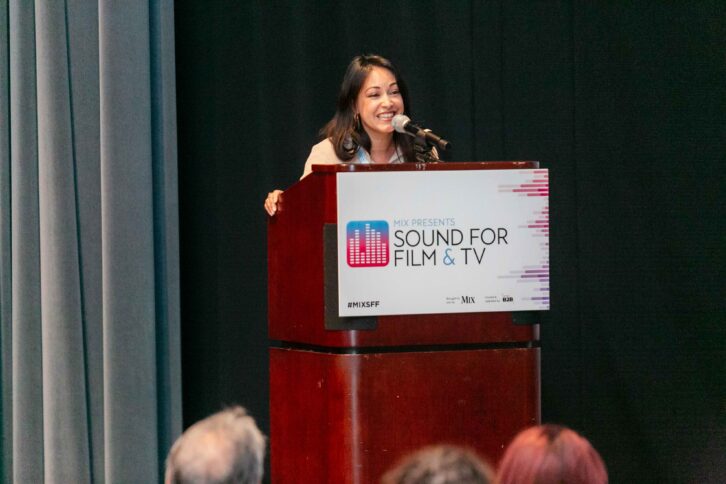
Marielle Abaunza, president of the California Post Alliance (CAPA), delivered one of the day’s most impactful updates. Addressing a packed house, Abaunza detailed the recent passage of the California post-production tax incentive bill, a critical win for local studios struggling to compete with international production hubs. Her update on ongoing efforts in Washington, D.C., to secure a comprehensive federal tax credit for entertainment production was met with sustained applause, signaling a unified industry front on the importance of sustaining high-quality, domestic post-production work.
The Human Element: John Merchant on the Future of Artistry
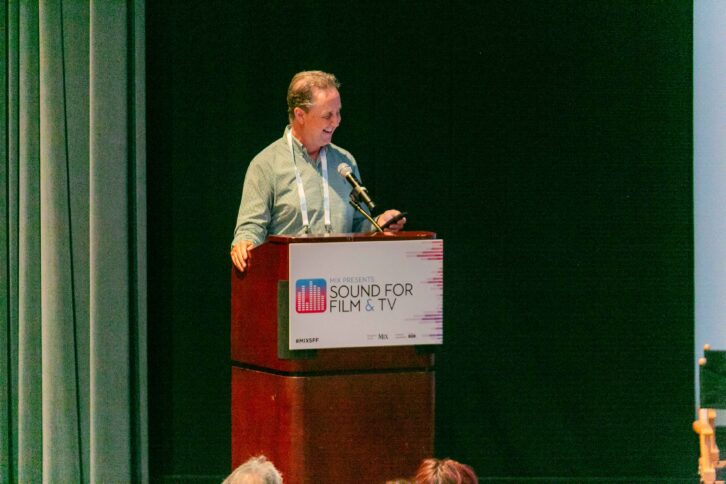
A poignant highlight of the afternoon was a keynote-style address by Focusrite’s John Merchant. In an era where generative AI and machine learning tools are rapidly infiltrating the audio workstation, Merchant’s reminder that "art will always be created by humans, not machines" resonated deeply with the audience. His address served as a philosophical counterweight to the day’s heavy focus on technology, reminding attendees that tools—no matter how advanced—are merely conduits for human emotion and storytelling.
Technology and Networking: The Engine of Innovation
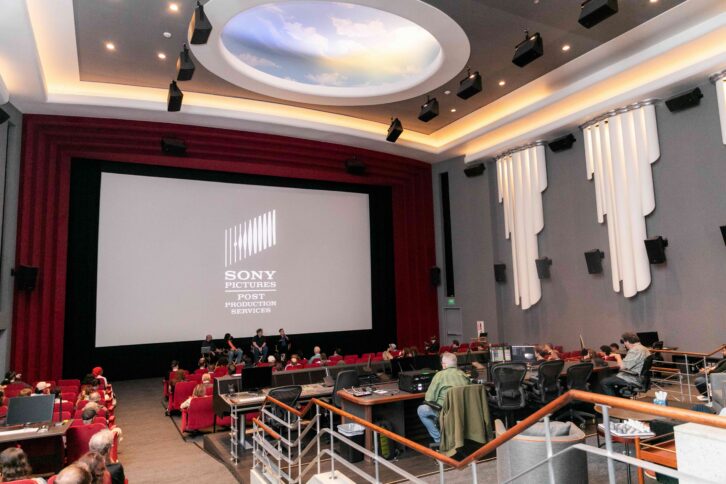
The post-production stages and sound design suites of Sony Pictures Studios were fully occupied by leading technology sponsors, who utilized the event to host hands-on demonstrations. The tabletop area served as a bustling hub of activity between panels, allowing attendees to test the latest in console integration, immersive audio software, and studio-grade monitoring solutions.
The networking experience was facilitated by the event’s layout, with Calley Park serving as the central "nexus" for breakfast, lunch, and closing cocktail hours. For a workforce that often spends upwards of 12 hours a day in "dark rooms"—isolated, windowless suites dedicated to final mixes—this opportunity to mingle in an outdoor, communal environment was cited by many as one of the event’s most valuable aspects.
Implications for the 2026-2027 Awards Season
The timing of this event is strategic. With the 13th annual gathering taking place in late September, it sits perfectly at the threshold of the industry’s most intense awards cycle. The presence of teams from Project Hail Mary and other major studio releases underscores the importance of publicizing the "below-the-line" contributors of these films.
The industry implications are twofold:
- Visibility for Craftspeople: Events like Mix provide a necessary platform for sound professionals to showcase their work to peers and potential voters, demystifying the complex, iterative process of sound mixing and design.
- Economic Solidarity: The collective focus on tax incentives and federal policy suggests that the post-production community is moving toward a more cohesive, politically active stance to protect its workforce against global labor arbitrage.
Looking Toward 2027
As the sun set over the Sony lot, the sentiment among attendees was one of cautious optimism. The 2026 event was not merely a retrospective of the year’s successes; it was a testament to the resilience of the audio community. From the technical mastery required to create alien worlds in Project Hail Mary to the legislative grit required to lobby in D.C., the sound community is demonstrating an increasing ability to adapt to a rapidly changing technological and economic landscape.
For those who missed the sessions, the Mix editorial team has provided extensive coverage through their ongoing "Seen on the Scene" series, which documents the panels, demos, and candid moments that defined the event.
The organizers have already set their sights on the future, announcing that the 14th annual Mix Presents Sound for Film & Television will return to its home at Sony Pictures Studios on the last Saturday of September 2027. If this year’s attendance is any indication, the demand for high-level technical discourse and community-building among sound professionals remains stronger than ever.
Summary of Key Takeaways
- Technological Convergence: The integration of AI remains a primary concern, with a consensus favoring the preservation of human-led creative workflows.
- Legislative Victories: The California post-production tax incentive marks a shift in how the industry secures its future, with eyes now set on federal-level support.
- Collaboration as Currency: As production timelines compress, the ability to build seamless, high-trust collaborations between departments has become the most valuable asset for a post-production professional.
The 2026 event successfully navigated the intersection of art, technology, and policy, reaffirming that while the tools of the trade may evolve, the fundamental need for human connection and collaboration in sound remains the heartbeat of the industry.