A Masterpiece Remastered: Yarlung Records and NativeDSD Celebrate 20 Years of Audiophile Excellence with Nathan Ben-Yehuda
017 mins
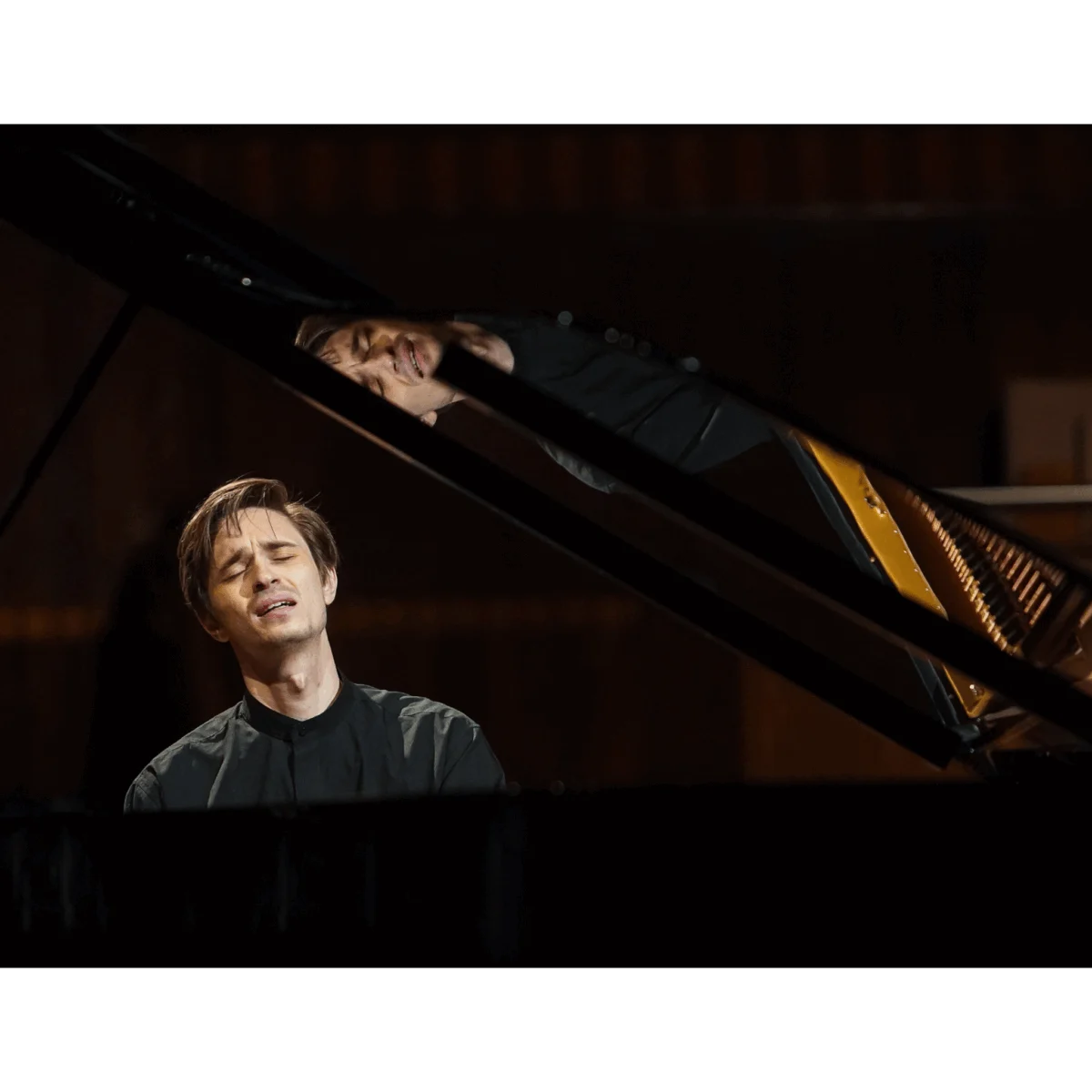
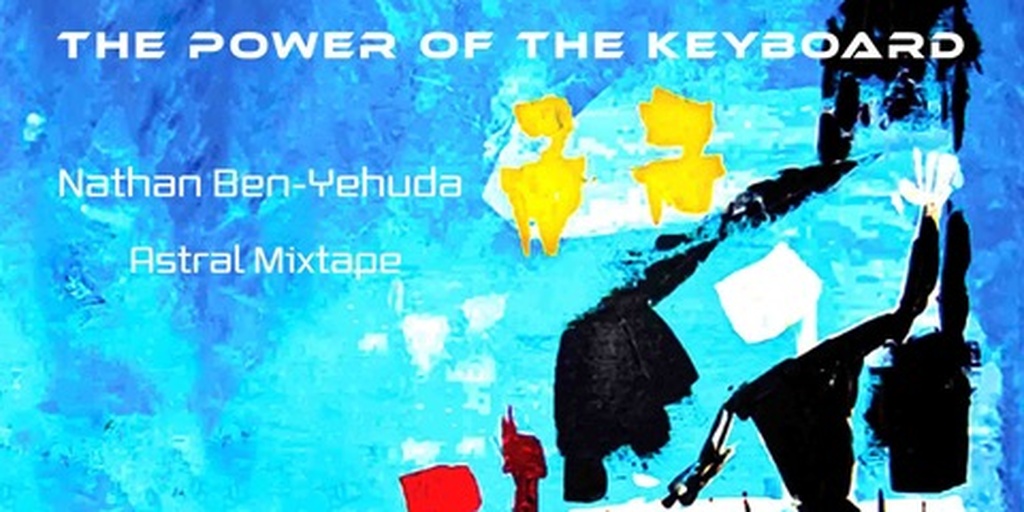
LOS ANGELES, CA — For two decades, Yarlung Records has stood at the vanguard of audiophile recording, championing a minimalist, purist approach that captures acoustic spaces with breathtaking realism. To mark its momentous 20th anniversary, the independent label has partnered with NativeDSD to release a newly minted, definitive edition of one of its most celebrated classical piano releases: The Power of the Keyboard, featuring virtuoso pianist Nathan Ben-Yehuda.
Derived from the original high-resolution source files, this landmark release has been meticulously remastered in a variety of Direct Stream Digital (DSD) formats. Utilizing Jussi Laako’s proprietary HQPlayer (HQP) system—expertly engineered by Tom Caulfield—the reissue offers listeners an unprecedented level of transparency, dynamic range, and timbral accuracy.
The project follows the runaway success of Ben-Yehuda’s solo repertoire and genre-bending Astral Mixtape tracks at the 2024 Munich High End Show, an audiophile gathering where the immersive quality of these recordings turned heads across the industry. Looking ahead, Yarlung Records has also announced plans to press Nathan’s spellbinding interpretation of Maurice Ravel’s Gaspard de la Nuit onto its very first 180-gram 45RPM vinyl release next year, cementing the enduring legacy of these sessions.
Main Facts: The Release, the Tech, and the Artists
At its core, The Power of the Keyboard is a masterclass in modern piano performance and state-of-the-art sound engineering. The album bridges classical masterpieces and contemporary compositions, showcasing Ben-Yehuda’s formidable technical command and profound artistic sensitivity.
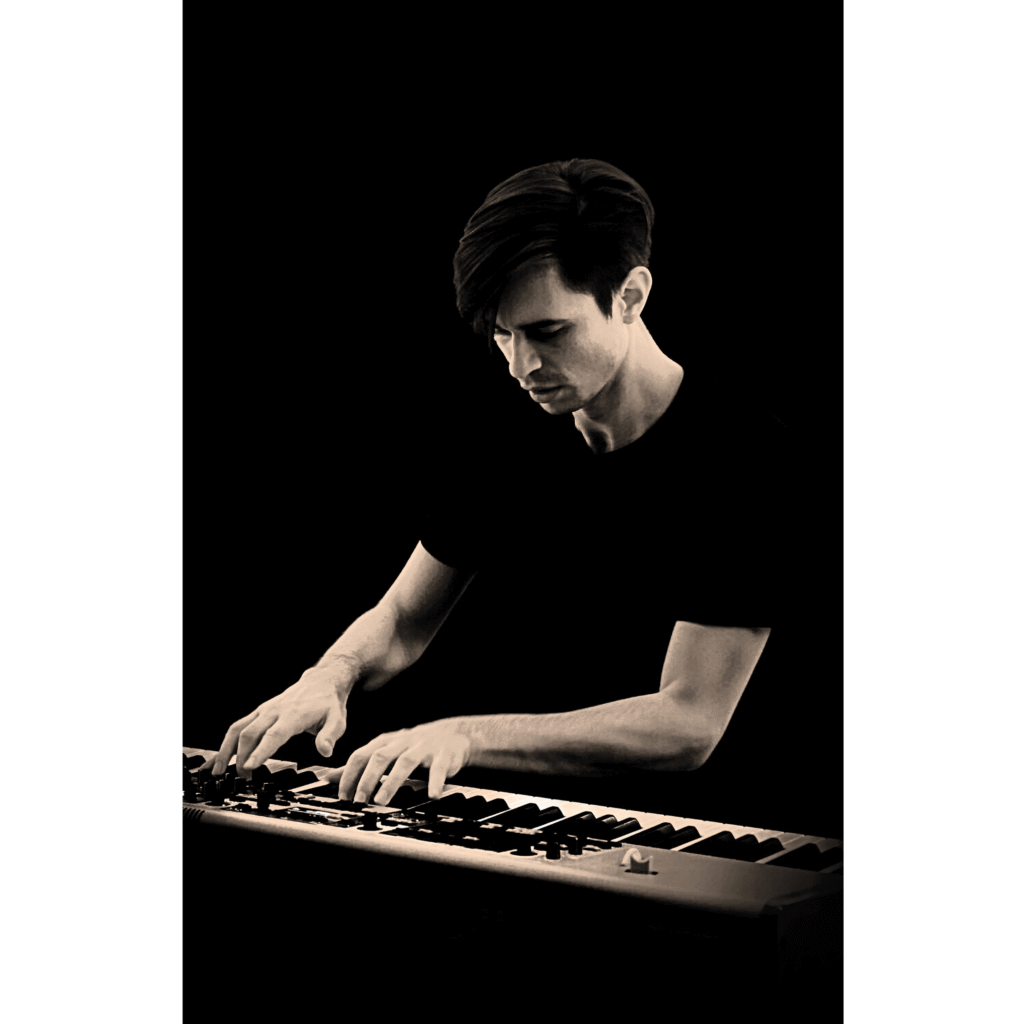
The Artists: Nathan Ben-Yehuda balances a rigorous global career as a solo classical concert pianist with his work as a founding member of Astral Mixtape. Astral Mixtape is an innovative crossover quartet that reimagines centuries of musical history, weaving together threads from Monteverdi, Rimsky-Korsakov, Sigur Rós, Radiohead, and Four Tet.
The Repertoire: The album traverses a demanding landscape of piano literature, including works by Joseph Haydn, Maurice Ravel, Heitor Villa-Lobos, Oliver Knussen, and Peter Sculthorpe, alongside boundary-pushing crossover tracks by Astral Mixtape.
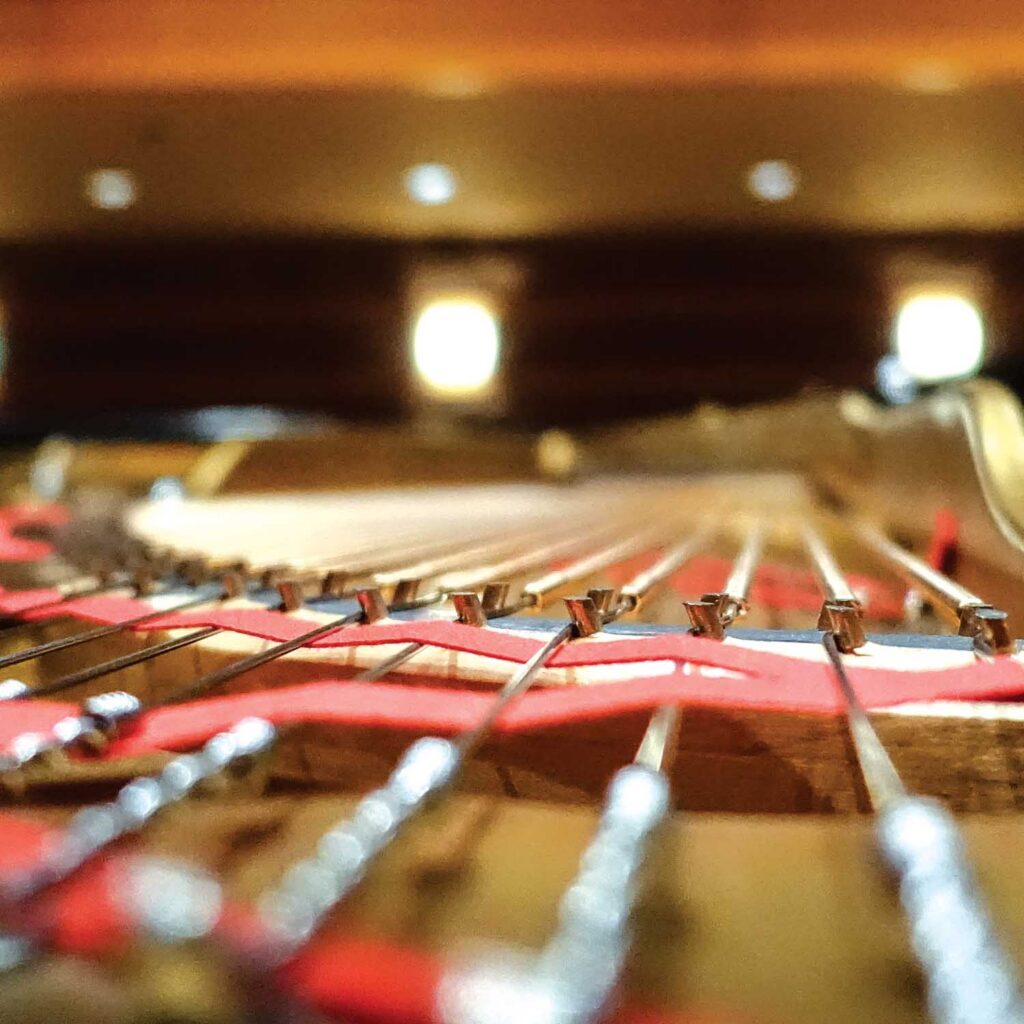
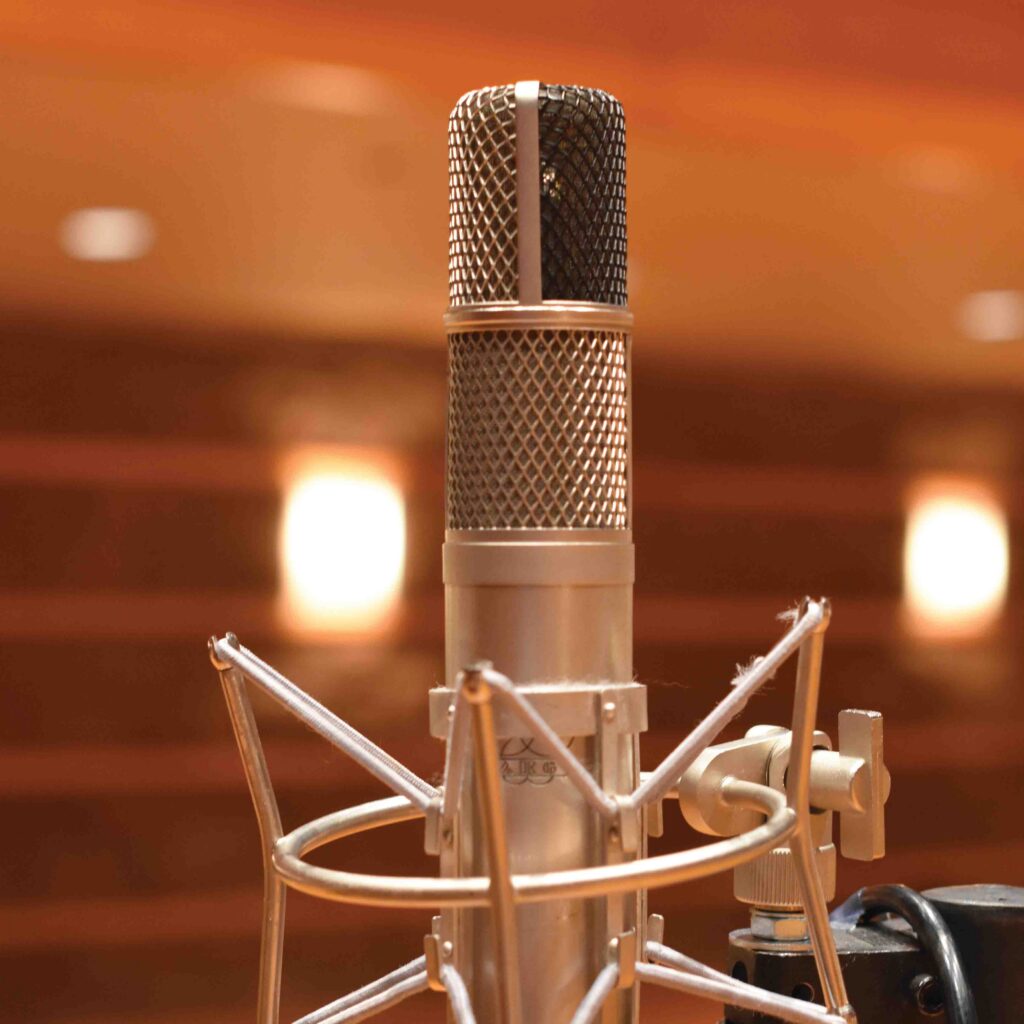
The Audiophile Provenance: Produced by Bob Attiyeh and engineered with Yarlung’s signature minimalist microphone setups—utilizing legendary vintage hardware like the AKG C24 microphone—the original sessions were captured without artificial compression or multi-miking trickery. The new NativeDSD edition brings these archival master files into sharper focus than ever before.
Chronology: From Original Sessions to Munich Triumphs and Beyond
To understand the magnitude of this 20th-anniversary release, one must trace the timeline of collaboration, technical evolution, and artistic exploration that brought the project to life.
1. The Formative Years and Roots of Collaboration
Nathan Ben-Yehuda’s musical identity was forged through rigorous elite training. After earning his Master’s degree from The Juilliard School, he studied under legendary pianist Peter Serkin at Bard College. His classical foundation was further enriched by his time as an undergraduate at the Royal Academy of Music in London, where he famously collaborated with contemporary composer Oliver Knussen.
Concurrently, producer Bob Attiyeh was building Yarlung Records into a sanctuary for acoustic music. Attiyeh’s entry into classical music was deeply personal, shaped by his father—who introduced him to symphonic and piano repertoires—and his mother, who guided him toward contemporary classical works. When Ben-Yehuda entered Yarlung’s orbit, a creative synergy was instantly established, rooted in a shared commitment to uncompromised artistic expression.
2. The Genesis of The Power of the Keyboard
The original recording sessions for The Power of the Keyboard captured Ben-Yehuda at the height of his powers, tackling notoriously thorny modern scores alongside classical staples. The sessions were notable not only for their technical brilliance but also for specific musical choices made by special request. For instance, Attiyeh’s 92-year-old father, having fallen in love with Peter Sculthorpe’s atmospheric Nocturnal on an earlier Reference Recordings CD, requested a fresh interpretation. Ben-Yehuda obliged, laying down what many critics consider the definitive modern reading of the piece.
3. The 2024 Munich High End Show Breakthrough
The catalyst for the current NativeDSD reissue occurred at the 2024 Munich High End Show—one of the world’s premier showcases for high-end audio equipment. When tracks from the solo piano repertoire and two specific Astral Mixtape cuts were played on reference-grade playback systems, the reaction from audiophiles, reviewers, and equipment manufacturers was immediate and overwhelming. The palpable realism, weight of the piano frame, and delicate decay of notes made it clear that the original recordings deserved a dedicated, ground-up mastering effort tailored specifically to the DSD ecosystem.
4. The 20th Anniversary Remastering Project
To realize this vision, Yarlung co-founder Arian Jansen and producer Bob Attiyeh returned to the pristine archival master files. Enlisting mastering engineer Tom Caulfield, the team utilized Jussi Laako’s advanced HQP system to translate the analog-like purity of the original files into NativeDSD’s signature multi-tier DSD resolutions.
Simultaneously, preparations began for a major physical milestone: Yarlung’s upcoming 180-gram 45RPM vinyl release of Nathan’s recording of Ravel’s Gaspard de la Nuit, slated for publication next year.
Supporting Data: Inside the Repertoire
The physical and digital editions of The Power of the Keyboard offer a rare glimpse into the mind of a virtuoso. In his own reflections on the album, Nathan Ben-Yehuda unpacks the historical connections, emotional undercurrents, and technical challenges woven into the tracklist.
Haydn and Ravel: Water, Wit, and Darkness
Ben-Yehuda notes a profound lineage linking Joseph Haydn to Maurice Ravel. When playing Haydn’s Sonata in G Major, the pianist recognizes the structural blueprint for Ravel’s aquatic masterpiece, Ondine (from Gaspard de la Nuit).
"Ravel channels Haydn’s exquisite eight-bar melody at the opening of his Allegretto Innocente into the opening mystical, aquatic melody of Ravel’s Ondine," Ben-Yehuda explains. "Even as you can hear water rippling and undulating with increasing vigor, this opening song finds its way into every new texture in the piece."
However, Ben-Yehuda is careful to highlight the underlying shadows in both works. Just as Aloysius Bertrand’s tale of Ondine carries tragic undertones, Haydn’s sonata flirts with an encroaching darkness through short, interruptive motifs in the parallel minor key.
Humor also plays a vital role. Describing Haydn’s Presto second movement—which he once heard performed by Paul Lewis at Tanglewood—Ben-Yehuda likens the experience to classic animation: "Oh yes, it’s some real Tom and Jerry stuff! This piece represents essential Haydn for me: the composer successfully portrays naive exuberance with eloquent means."
Villa-Lobos and the Spirit of Arthur Rubinstein
Moving from the elegance of Haydn and Ravel to Heitor Villa-Lobos’s mammoth Rudepoêma, Ben-Yehuda confronts a work of staggering intensity. Written as an intimate, explosive portrait of pianist Arthur Rubinstein, the piece often shocks listeners familiar with Rubinstein’s refined studio legacy.
Having obsessed over a recording of the piece since he was nine years old, Ben-Yehuda views the work not merely as a display of savagery, but as a masterpiece of unbridled modernism. "When you listen to our recording, please focus on the lush harmonies under fragments of Brazilian folk tunes, the influence of Jazz in the rhythmic language, and the fascinatingly orchestral texture in the piano writing, not just the piece’s violent exterior."
Oliver Knussen and the Legacy of Mentorship
Ben-Yehuda’s personal connection to Oliver Knussen’s Op. 24 Variations stems from his student days at the Royal Academy of Music, where he performed under the composer’s notoriously exacting baton. Knussen’s uncompromising standards left an indelible mark on the young pianist.
Furthermore, because Knussen dedicated the piece to pianist Peter Serkin—with whom Ben-Yehuda later studied at Bard College—playing the Variations is an exercise in channeling a lineage of monumental dynamism and structural clarity.
Sculthorpe and Ravel: Two Visions of Darkness
Darkness serves as a thematic anchor across the album’s solo works. Peter Sculthorpe’s Nocturnal evokes a vast, primordial Australian outback coming alive beneath the southern stars, driven by an escalating pulse akin to a deep-earth bass drum.
In sharp contrast, Ravel’s Le gibet—depicting a corpse hanging from a gallows in a desolate desert—demands a pale, listless, and hopeless atmosphere. Ben-Yehuda balances these opposing forces, ensuring that every resonant chord and calculated silence serves the dramatic narrative.
Official Responses and Producer Insights
Reflecting on the milestone release, Yarlung Records producer Bob Attiyeh shared his gratitude for the artists and the global community of audiophiles who have championed the label’s mission over the past two decades.
"To celebrate the 20th Anniversary of Yarlung Records, Arian Jansen and I returned to the original source files for The Power of the Keyboard to create a special mastering for you," Attiyeh stated. "This album includes some of my favorite piano repertoire of all time, and I wanted you to hear it in full glory."
Attiyeh also paid tribute to his father, whose lifelong passion for classical music planted the seeds for Yarlung’s catalog, and praised Nathan Ben-Yehuda’s unique capacity to honor both historical tradition and modern innovation.
The inclusion of Astral Mixtape tracks—specifically Goddess Gardens (which weaves snippets of Rimsky-Korsakov’s Scheherazade and Vaughan Williams’ The Lark Ascending into a contemporary tapestry) and the collaborative original composition Seven Hellos—underscores the breadth of Ben-Yehuda’s artistic vision.
Implications for the Audiophile and Classical Music Communities
The release of The Power of the Keyboard in native DSD formats by Yarlung Records carries several significant implications for the contemporary music landscape:
Validation of High-Resolution Audio Formats: As streaming services increasingly default to compressed or standard lossy formats, niche labels like NativeDSD and Yarlung prove that a dedicated market exists for ultra-high-resolution, purist recordings. The meticulous use of HQP mastering demonstrates that digital audio can match—and in some ways surpass—the transparency of physical master tapes.
Bridging Classical and Crossover Audiences: By pairing rigorous 20th-century piano literature (Knussen, Villa-Lobos) with genre-blurring ensemble work (Astral Mixtape), the album challenges rigid genre boundaries. It invites traditional classical purists to explore contemporary soundscapes while giving modern electronic and indie-classical fans a gateway into acoustic virtuosity.
The Renaissance of Audiophile Physical Media: With Yarlung’s upcoming 180-gram 45RPM vinyl release of Gaspard de la Nuit announced alongside this digital drop, the label is signaling that physical and digital formats can coexist in a mutually reinforcing ecosystem, each serving the ultimate goal of uncompromising sound reproduction.
The Power of the Keyboard is available now for purchase and download at NativeDSD, offering listeners an immersive acoustic journey through two decades of uncompromising dedication to the art of recorded sound.