As the vinyl revival storms through its second consecutive decade, the market for record playback equipment has never been more vibrant. From ultra-budget decks designed to introduce curious listeners to the format, to exotic, five-figure statement pieces built for audiophiles with deep pockets, buyers are spoiled for choice. Yet, for many dedicated music lovers, the true "sweet spot" of the high-end turntable market hovers around the £1,000 ($1,500 to $1,800) mark.
At this pivotal price point, engineering compromises are largely engineered away. Brands can employ sophisticated materials, precision motor controls, and high-performance cartridges that elevate sound reproduction from mere background noise to an immersive, emotionally resonant experience.
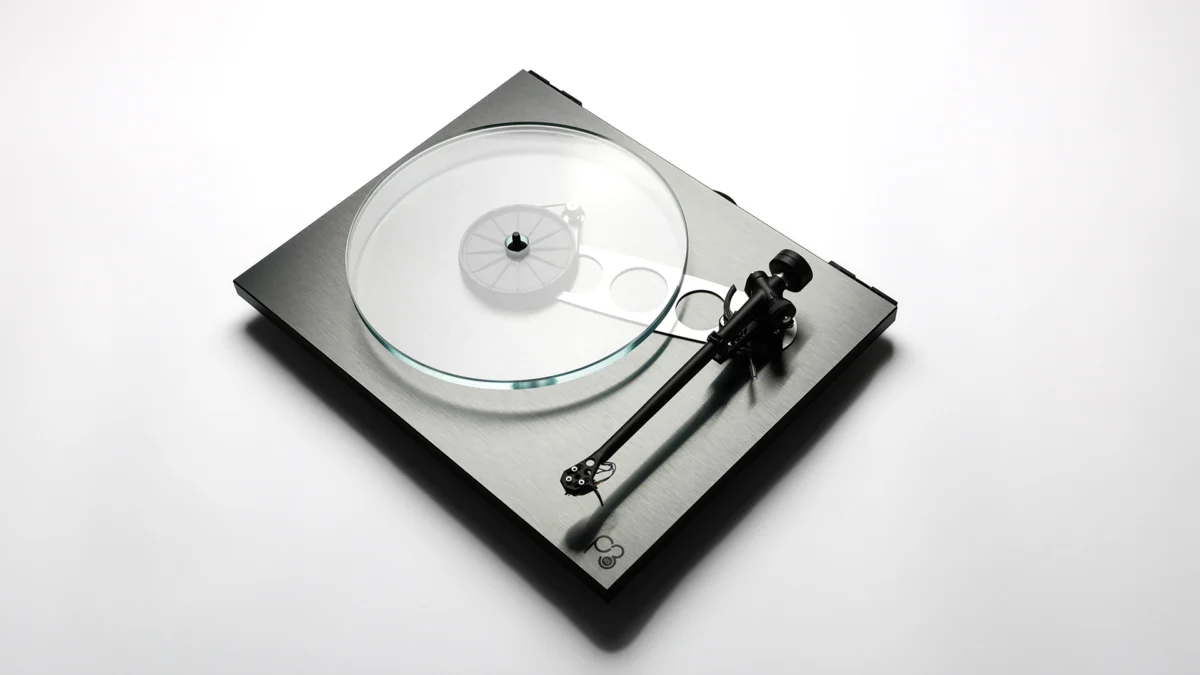
Recently, the testing rooms played host to a heavyweight clash between three exceptional decks vying for supremacy in this fiercely contested bracket. Defending its crown is the Rega Planar 3 RS Edition, an acclaimed product of the year. Challenging it are two formidable newcomers: the Pro-Ject Debut Reference 10 and the Technics SL-1500CS.
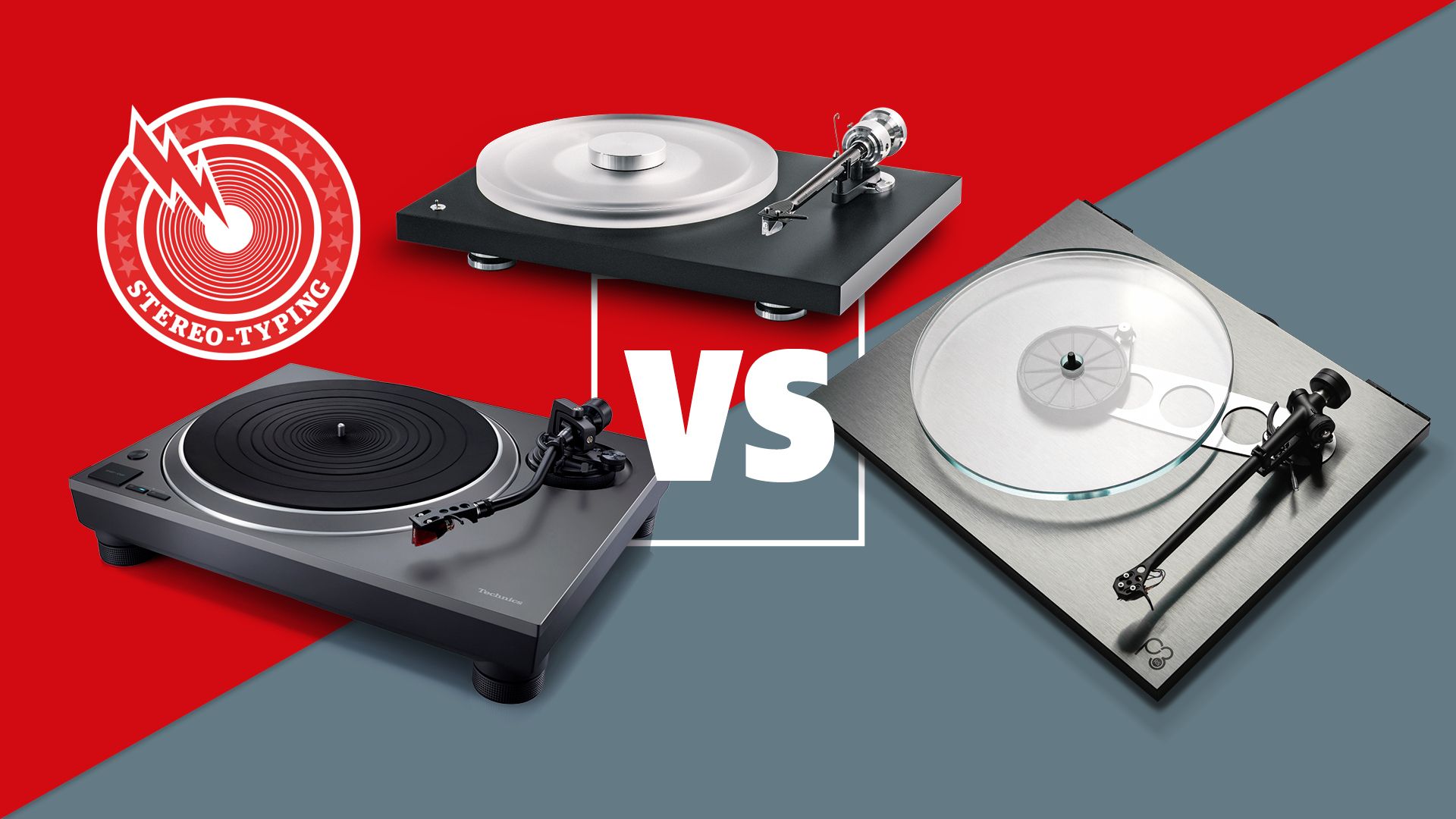
While all three competitors secured flawless five-star reviews on paper, the question remained: when placed side-by-side in a controlled listening environment, which deck would emerge victorious?
Main Facts: The Contenders at a Glance
Before examining how these high-end record players perform under critical listening conditions, it helps to understand the specifications, design philosophies, and price points of each unit.
1. Rega Planar 3 RS Edition
- Price: £1,099 / $1,795 / AU$2,399
- Drive Type: Belt drive (Manual operation)
- Supported Speeds: 33⅓, 45 RPM (Electronic speed change via external power supply)
- Cartridge Included: Rega Nd5 moving magnet
- Phono Stage / Bluetooth: No / No
- Weight / Dimensions: 6kg | 11.7 x 44.7 x 36 cm
2. Pro-Ject Debut Reference 10
- Price: £999 / $1,499 / AU$2,349
- Drive Type: Belt drive (Manual operation)
- Supported Speeds: 33⅓, 45, 78 RPM (Electronic speed change)
- Cartridge Included: Pro-Ject Pick It Pro Balanced MM
- Phono Stage / Bluetooth: No / No
- Weight / Dimensions: 6kg | 14.5 x 46.2 x 34.5 cm
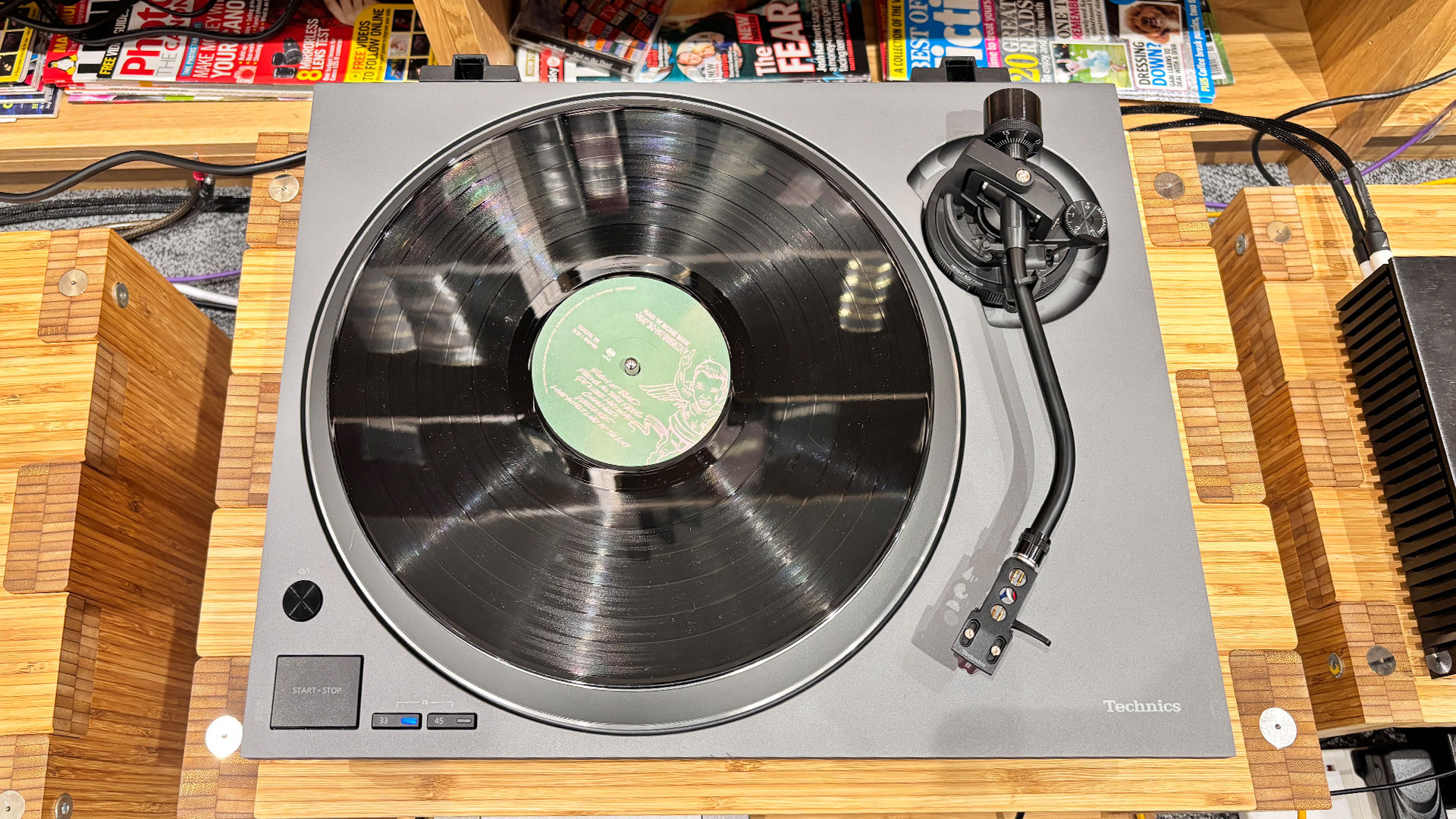
3. Technics SL-1500CS
- Price: £1,099 / $1,799 / AU$2,499
- Drive Type: Direct drive (Semi-automatic operation)
- Supported Speeds: 33⅓, 45, 78 RPM (Electronic speed change)
- Cartridge Included: Ortofon 2M Red/Blue variant (Moving magnet)
- Phono Stage / Bluetooth: Yes / No
- Weight / Dimensions: 9.9kg | 16.9 x 45.3 x 37.2 cm
Chronology of the Test: From Arrival to the Listening Room
The competitive landscape of £1,000 turntables has evolved rapidly over the past few years. Understanding how this three-way shootout materialized requires looking at the timeline of releases that brought these specific models to the testing bench.
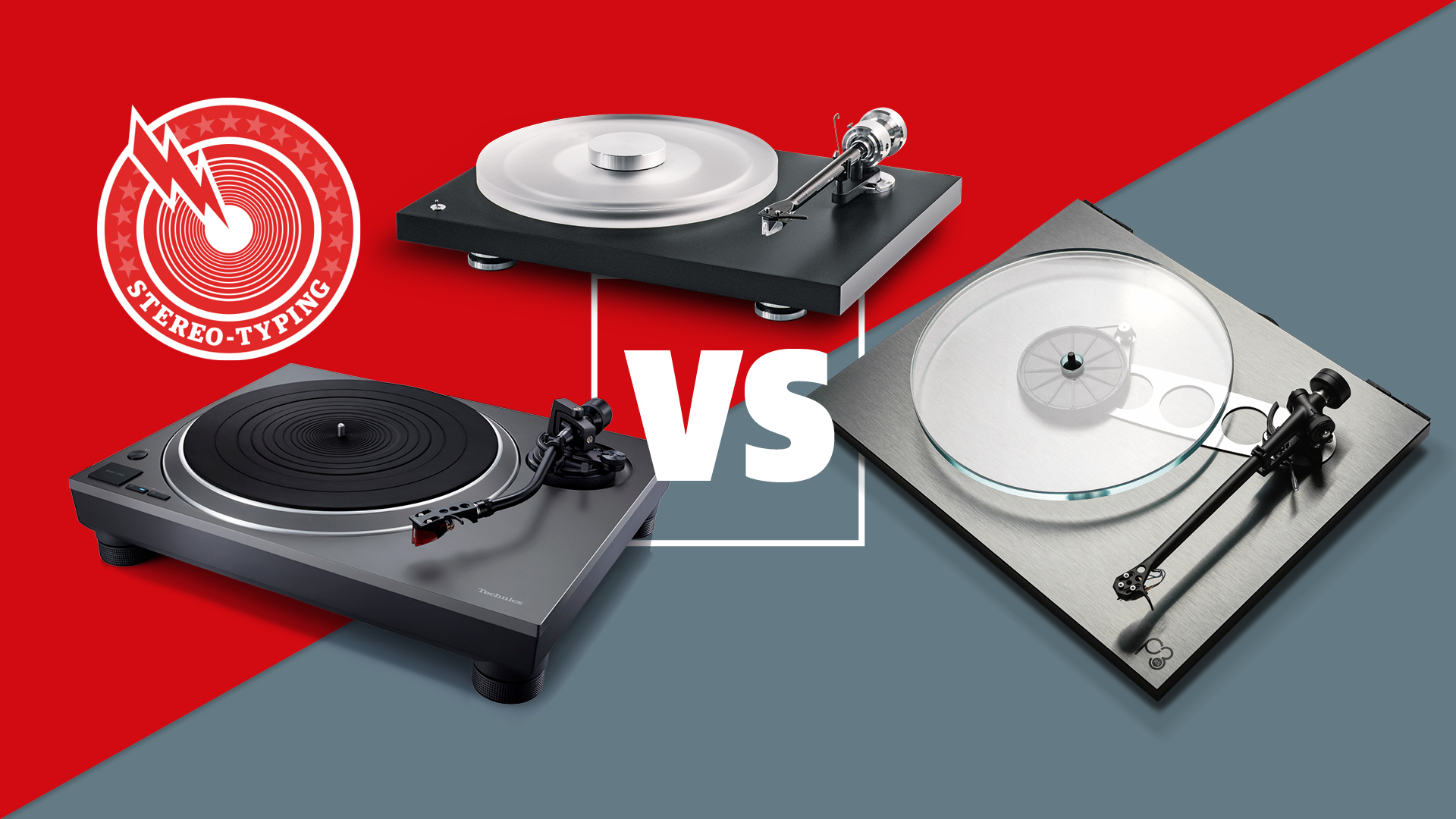
The Established Champion: Rega’s Evolution
Rega’s Planar 3 has long been considered the benchmark for mid-range hi-fi turntables. However, the British manufacturer recognized an appetite for a more refined, ready-to-go package that bypassed the need for aftermarket upgrades. Enter the Rega Planar 3 RS Edition. Priced at £1,099, it took the classic Planar 3 blueprint, enhanced the plinth, integrated a factory-fitted Rega Nd5 moving magnet cartridge, and bundled an external power supply to ensure absolute speed stability. It quickly dominated critical roundups, earning a coveted What Hi-Fi? Product of the Year award.
The Challengers Arrive
As the dust settled on Rega’s victory, rival audio giants prepared their counters.
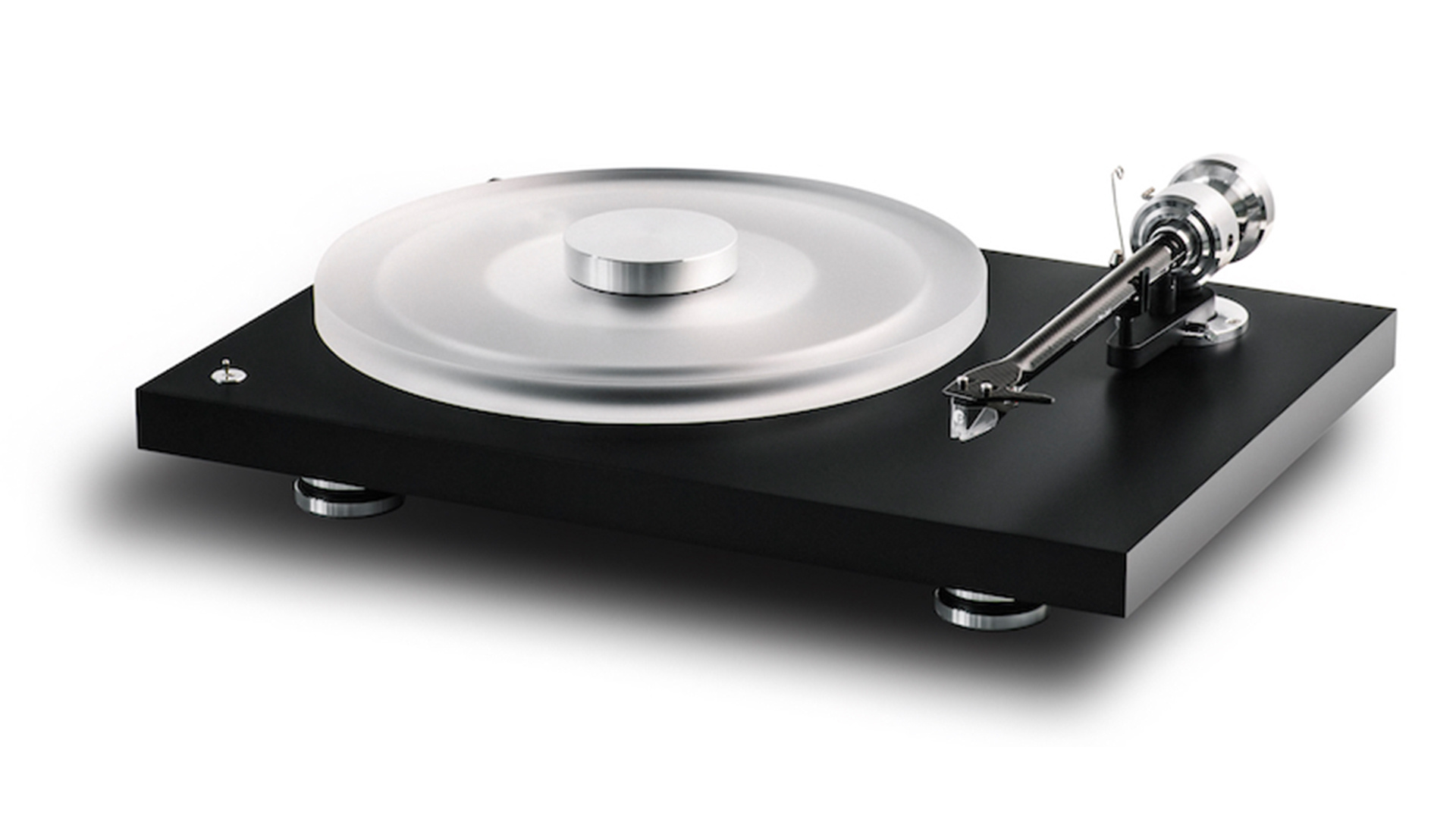
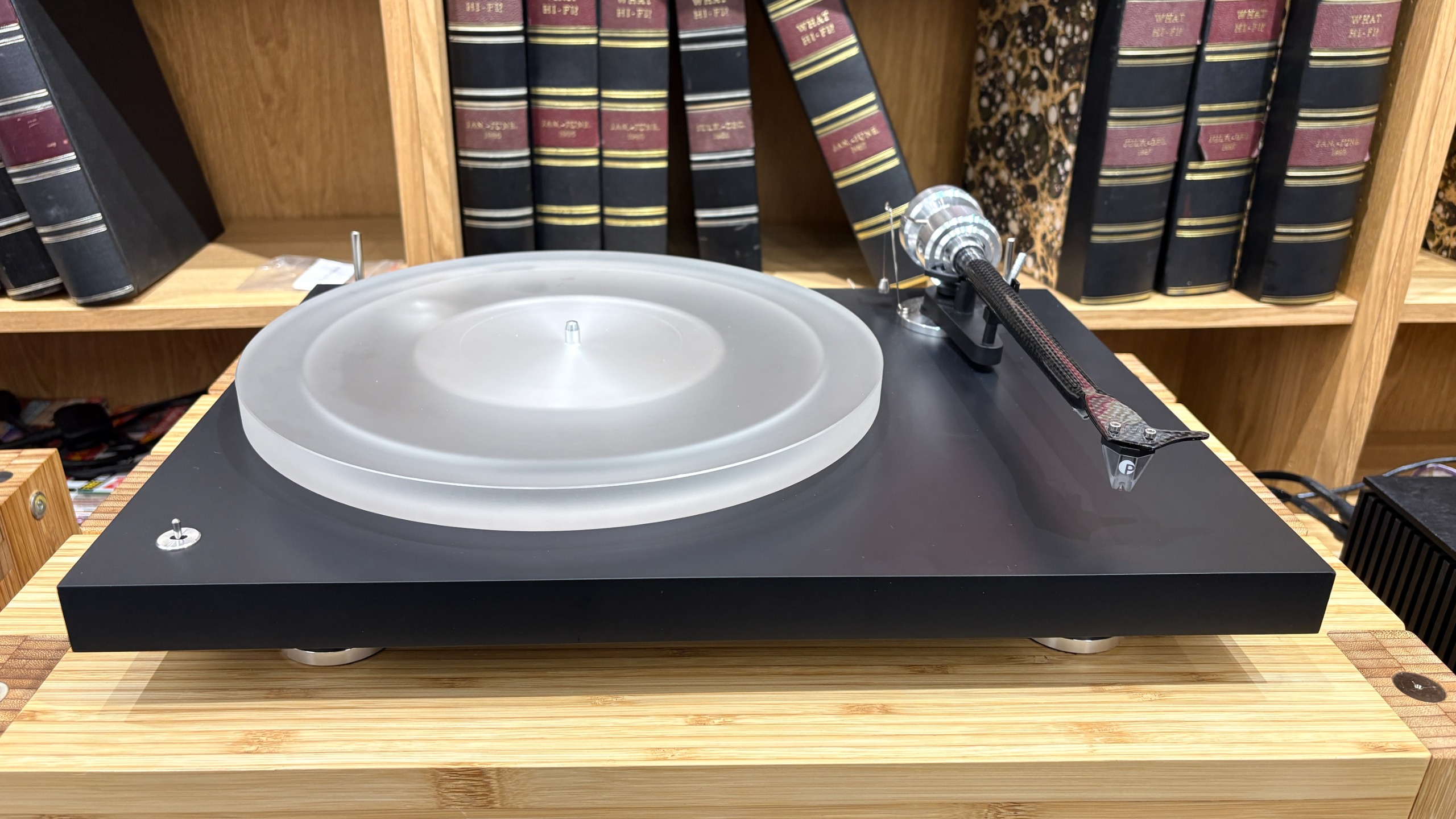
First came the Pro-Ject Debut Reference 10, arriving in test rooms as the most luxurious iteration of Pro-Ject’s legendary Debut series. Designed to capture consumer attention with high-end materials—including a 10-inch carbon-fiber tonearm, an acrylic platter, and balanced output capabilities—it aimed to undercut the Rega while offering exotic features.

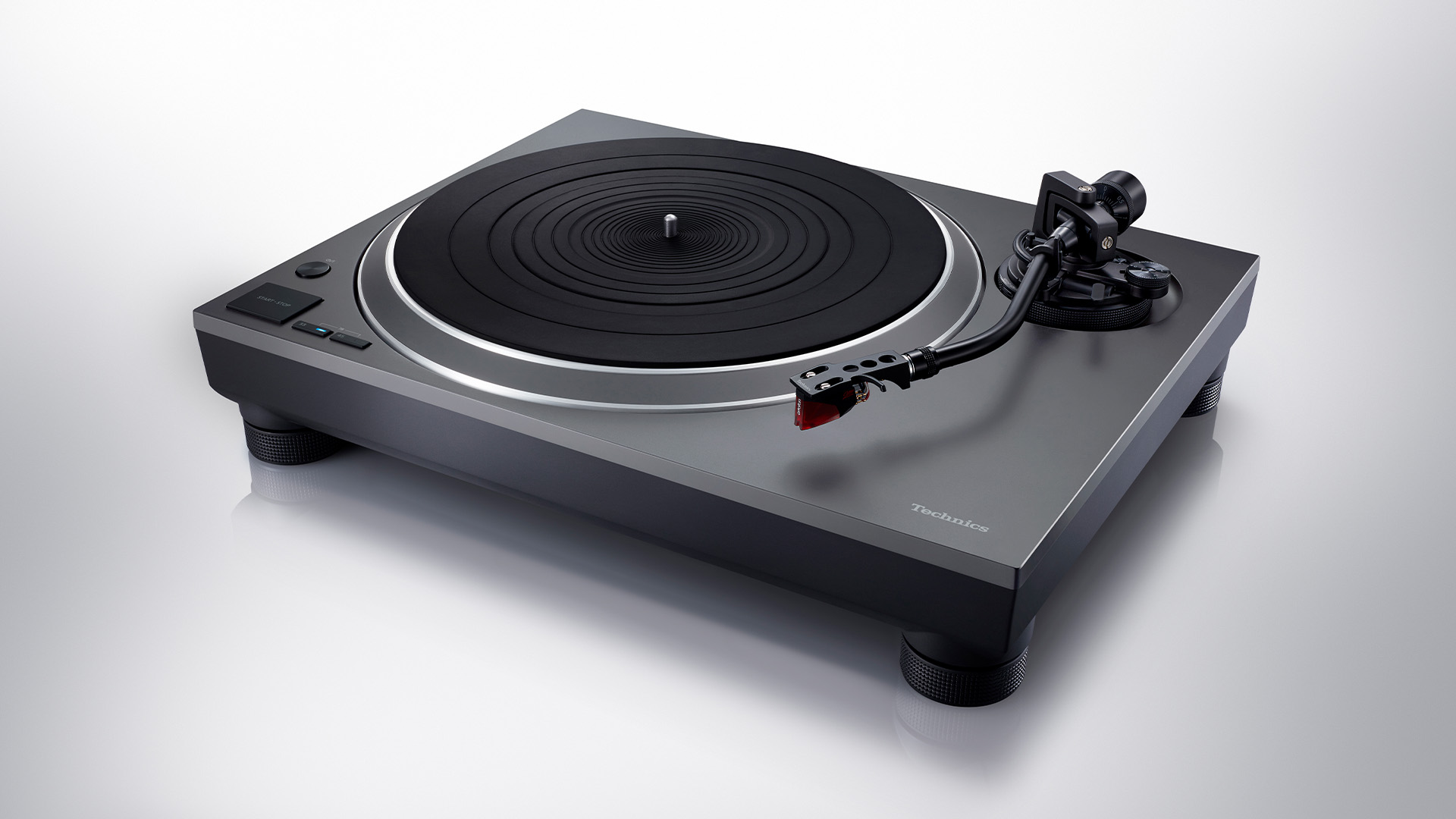
Shortly after, Technics introduced the SL-1500CS, an incremental yet crucial evolution of their award-winning SL-1500C direct-drive turntable. Eschewing a total redesign, Technics focused its engineering efforts inward, overhauling the motor controller circuit to deliver a purer, more stable electrical feed to the motor.
With all three machines assembled in the test rooms, reviewers set out to determine whether the newcomers could dethrone the reigning champion.
Supporting Data: Sonic Performance and Real-World Usability
Specs and build materials tell only half the story. When paired with high-resolution amplifiers and revealing loudspeakers, the sonic character of each turntable became sharply defined.
Pro-Ject Debut Reference 10: Clear, Open, and Easy-Going
Out of the box, the Pro-Ject Debut Reference 10 boasts undeniable showroom appeal. Its aesthetic choices—highlighted by the sleek carbon-fiber arm and matte satin finish—suggest a product well above its £999 price tag.
During testing, the Pro-Ject proved to be a remarkably competent all-rounder. Spinning Michael Jackson’s Bad, the deck delivered punchy percussion with high levels of resolution. When shifting genres to Nas’s Illmatic, it navigated the album’s notoriously hazy, complex basslines with authority.
The character of the Debut Reference 10 leans toward a relaxed, spacious presentation. While it lacks the sheer aggressive snap of the Rega, its open soundstage and organized delivery make it a profoundly comfortable and entertaining long-term listen.
Technics SL-1500CS: Muscular Authority and Built-In Convenience
When Technics announced that the only major update to the SL-1500CS was a revised power-supply circuit—while hiking the price—auditors expressed healthy skepticism. The original SL-1500C was already a fan favorite, largely due to its robust direct-drive motor and convenient built-in phono stage (a feature omitted by both Rega and Pro-Ject).
Fortunately, that skepticism evaporated within minutes of needle-dropping. The refined power supply yields tangible dividends: the SL-1500CS sounds noticeably more expressive and detailed than its predecessor. Bass notes hit with muscular authority, and the turntable’s rock-solid speed stability (inherent to direct-drive systems) provides a profound sense of scale.
While it occasionally lacks the delicate rhythmic agility and ultimate transparency of the Rega Planar 3 RS Edition, its robust build quality, heavy-duty 9.9kg chassis, and onboard phono stage make it an extraordinarily practical powerhouse.
Rega Planar 3 RS Edition: The Rhythmic Master
Despite fierce competition, the Rega Planar 3 RS Edition ultimately justified its reputation as the gold standard of the £1,000 tier. It may lack the direct-drive torque of the Technics and the flashy acrylic platter of the Pro-Ject, but it prioritizes the single most important metric in audio: emotional engagement.
When pitted directly against the Pro-Ject on tracks like Jackson’s Dirty Diana, the Rega exhibited superior snap, verve, and timing. It simply forced the music forward with greater rhythmic agility. Compared to the Technics, the Rega acted as a more transparent window into the recording studio, locking vocals, micro-dynamics, and instrumental textures into a cohesive, highly convincing soundstage.
Official Responses and Industry Context
Representatives from all three manufacturers have emphasized that the £1,000 price point represents a critical bridge between mass-market convenience and true high-end audiophile performance.
- Rega’s Design Philosophy: Rega’s engineering team has consistently maintained that every penny of manufacturing cost should be funneled into performance-critical components—such as tonearm bearings and plinth rigidity—rather than cosmetic flash or digital conveniences like Bluetooth. The inclusion of the Nd5 cartridge in the RS Edition package is a direct result of this philosophy, ensuring optimized synergy between arm and cartridge.
- Pro-Ject’s Innovation Strategy: Pro-Ject continues to champion trickle-down technology. By bringing 10-inch carbon-fiber tonearm geometry—traditionally reserved for much pricier models—down to the Debut Reference 10, the company aims to provide budget-conscious audiophiles with materials that genuinely minimize resonance and tracking distortion.
- Technics’ Engineering Focus: Technics representatives stress that direct-drive architecture remains unequalled in terms of long-term speed consistency and durability. By refining the motor controller in the SL-1500CS, Technics targeted the subtle electromagnetic interference that can color delicate phono signals, proving that even legendary designs can be coaxed to new heights of clarity.
Implications for Vinyl Enthusiasts
For the consumer navigating the modern vinyl market, the results of this high-end showdown offer several clear takeaways:
- There Are No Losers: All three turntables earned glowing, five-star reviews. Buyers can choose based on system matching, feature sets, and aesthetic preferences without fear of purchasing a flawed product.
- Feature Sets Matter: If convenience is paramount—such as needing an onboard phono stage to connect directly to powered speakers or a basic line-level amplifier—the Technics SL-1500CS stands out as the most practical choice.
- Aesthetics and Space: Listeners looking for a visually striking centerpiece with modern styling cues will find the Pro-Ject Debut Reference 10 hard to resist.
- Pure Musicality Wins: For those whose primary goal is extracting every ounce of dynamic nuance, rhythmic precision, and emotional expression from their record collection, the Rega Planar 3 RS Edition retains its crown as the ultimate musical storyteller in the £1,000 class.
Ultimately, the fierce rivalry between Rega, Pro-Ject, and Technics demonstrates that the vinyl renaissance is driving manufacturers to innovate at a staggering pace. Whether you lean toward the precision engineering of Technics, the material innovation of Pro-Ject, or the musical soul of Rega, there has never been a better time to spin a record.