By Architectural Acoustics Desk
Published: April 2026
1. Main Facts: The Multi-Dimensional Acoustic Challenge of Modern Houses of Worship
Churches have never been single-purpose structures. Far from being monolithic boxes designed solely for Sunday morning sermons, contemporary houses of worship function as dynamic community hubs. They host a sprawling array of activities throughout the week, catering to individuals from diverse backgrounds, across all age groups, with varied physical, spiritual, and emotional requirements.
However, this multifaceted use exposes a fundamental architectural hurdle: sound behavior. Every room within a church—from sprawling sanctuaries and high-ceilinged gymnasiums to intimate cry rooms and educational classrooms—requires a distinct, flexible acoustic control solution. Without tailored acoustic intervention, the environments where communities gather, listen, learn, and connect can quickly devolve into cacophonous, unintelligible spaces.
The core challenge facing facility managers, church leaders, and acoustic engineers alike is that a one-size-fits-all fix simply does not work. Because architectural layouts, building materials, and room functions vary wildly, achieving a comfortable acoustic environment demands a granular, space-by-space strategy that respects both the aesthetic integrity and the functional demands of every square foot.
2. Chronology: The Evolution of Church Architecture and Acoustic Awareness
To understand why modern churches struggle with sound, it is helpful to look at how these spaces have evolved over time, both in design and utilization.
- Pre-20th Century (The Traditional Era): Historically, houses of worship were constructed primarily from stone, brick, and dense timber. These materials were chosen for permanence, grandeur, and structural longevity. While they created breathtaking visual aesthetics, they also introduced massive acoustic challenges, specifically long reverberation times (echoes) that favored pipe organs and choral arrangements over spoken-word clarity.
- Late 20th Century (The Expansion Era): As congregations grew and diversified, churches began expanding beyond single sanctuaries. Educational wings, multi-purpose gymnasiums, and fellowship halls were bolted onto legacy buildings. These additions were frequently constructed with budget-friendly, hard-surfaced materials (concrete block, drywall, vinyl flooring) that bounced sound wildly, creating acoustic environments that were harsh, bright, and fatiguing.
- The Contemporary Era (Modern Multi-Use): Today, houses of worship operate seven days a week. A sanctuary might host a traditional liturgy with a choir on Sunday morning, a high-energy youth group band on Sunday night, a senior fitness class on Tuesday, and a community meal on Wednesday. The rapid diversification of worship styles—blending acoustic instruments, high-output sound systems, spoken word, and multimedia—has accelerated the need for sophisticated, adaptable acoustic treatments.
- Present Day (Holistic Acoustic Planning): Industry leaders in sound control, such as Primacoustic, have shifted the paradigm from retroactive guesswork to comprehensive, concept-to-completion acoustic integration. Modern facility planning now views sound management not as an afterthought, but as a foundational element of architectural design that must evolve alongside the congregation.
3. Supporting Data: Analyzing the Acoustic Needs of Common Church Spaces
Different rooms within a church environment behave differently under acoustic load. A breakdown of the primary zones reveals why specialized treatments are mandatory.
The Sanctuary: Balancing Reverence and Clarity
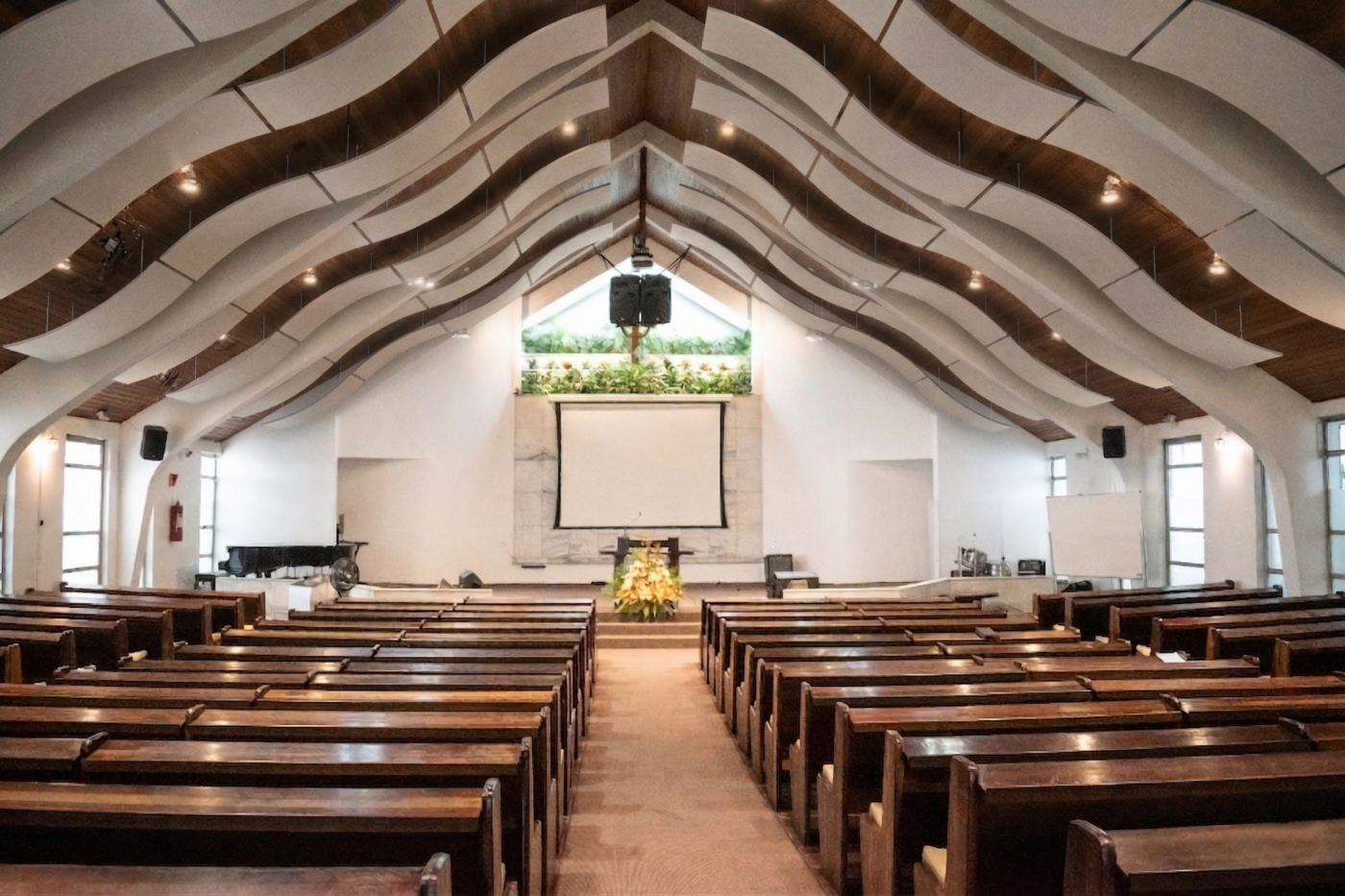
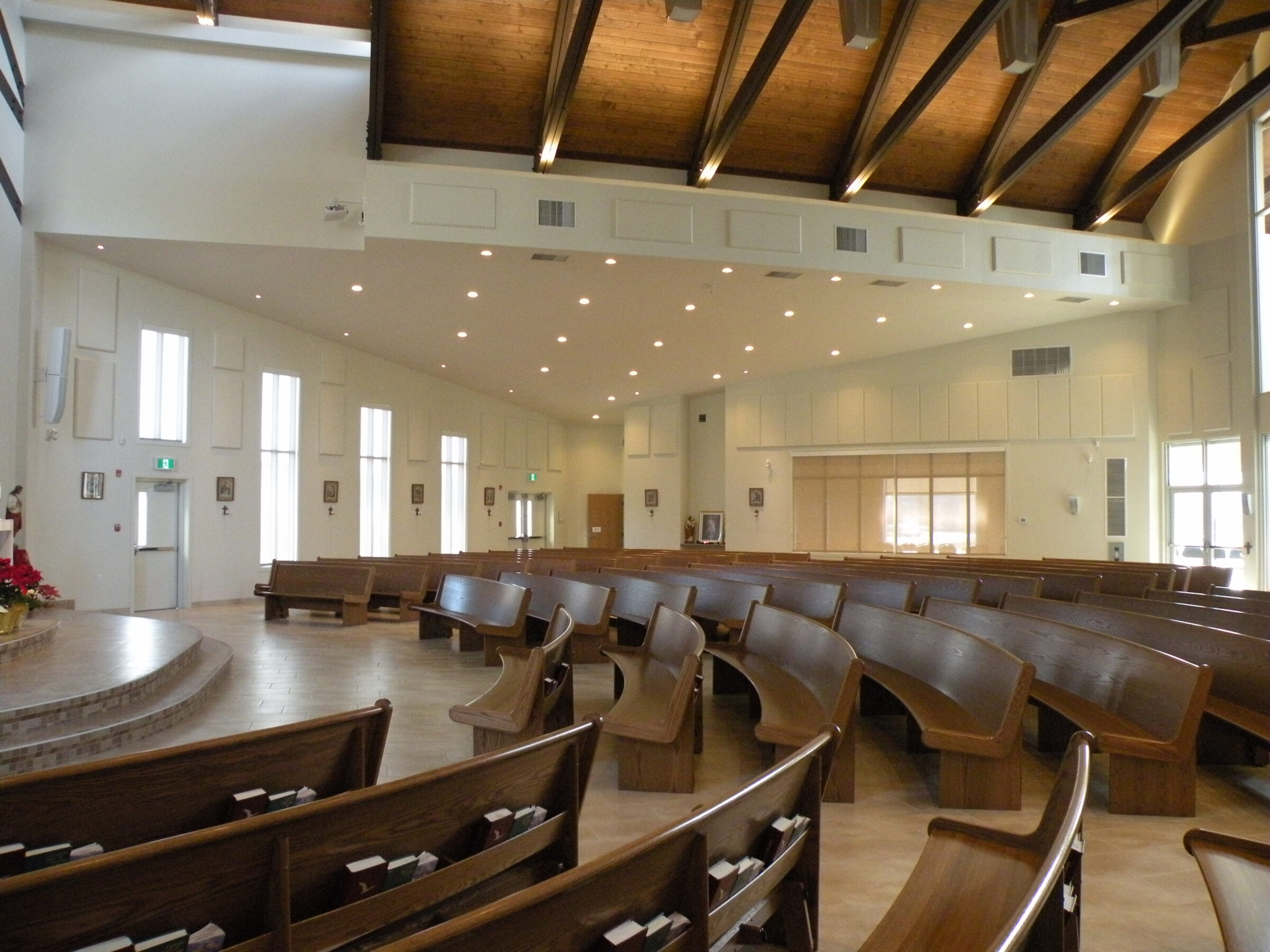
As the primary worship space, the sanctuary is routinely the most architecturally complex and acoustically demanding environment in the facility.
- The Challenge: Achieving a delicate equilibrium between speech intelligibility (crucial for sermons, readings, and announcements) and musical clarity. Sound engineers must reduce distracting reverberation and flutter echoes without over-deadening the room. If a sanctuary is too "dead," it lacks the uplifting acoustic energy required to inspire congregational singing; if it is too "live," speech becomes an unintelligible muddy blur.
Lobbies and Gathering Areas: Managing Transitional Noise
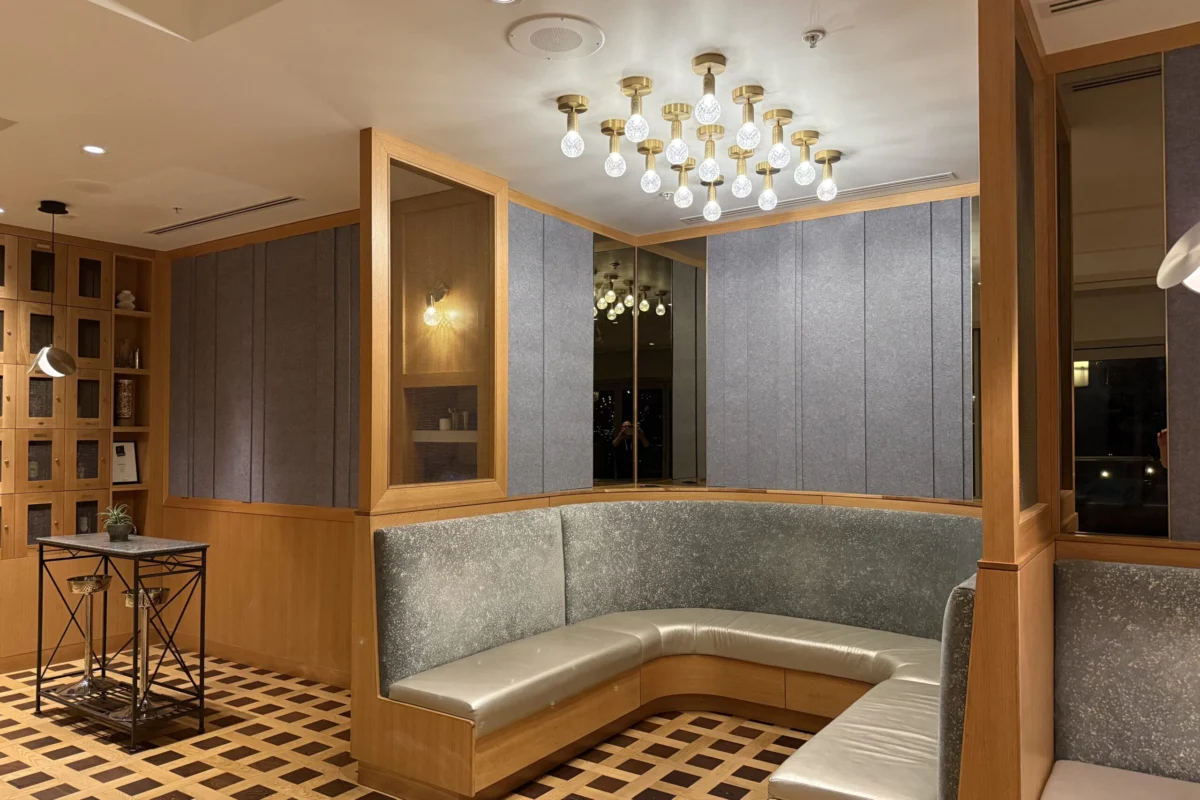
- The Challenge: These transitional zones typically feature highly reflective surfaces like tile floors, glass entryways, and hard drywall. As congregations mingle before and after services, ambient noise levels spike exponentially. Without proper ceiling and wall absorption, casual conversation becomes straining, and disruptive noise routinely bleeds directly into the adjacent sanctuary.
Classrooms and Meeting Rooms: Containing Spoken Word
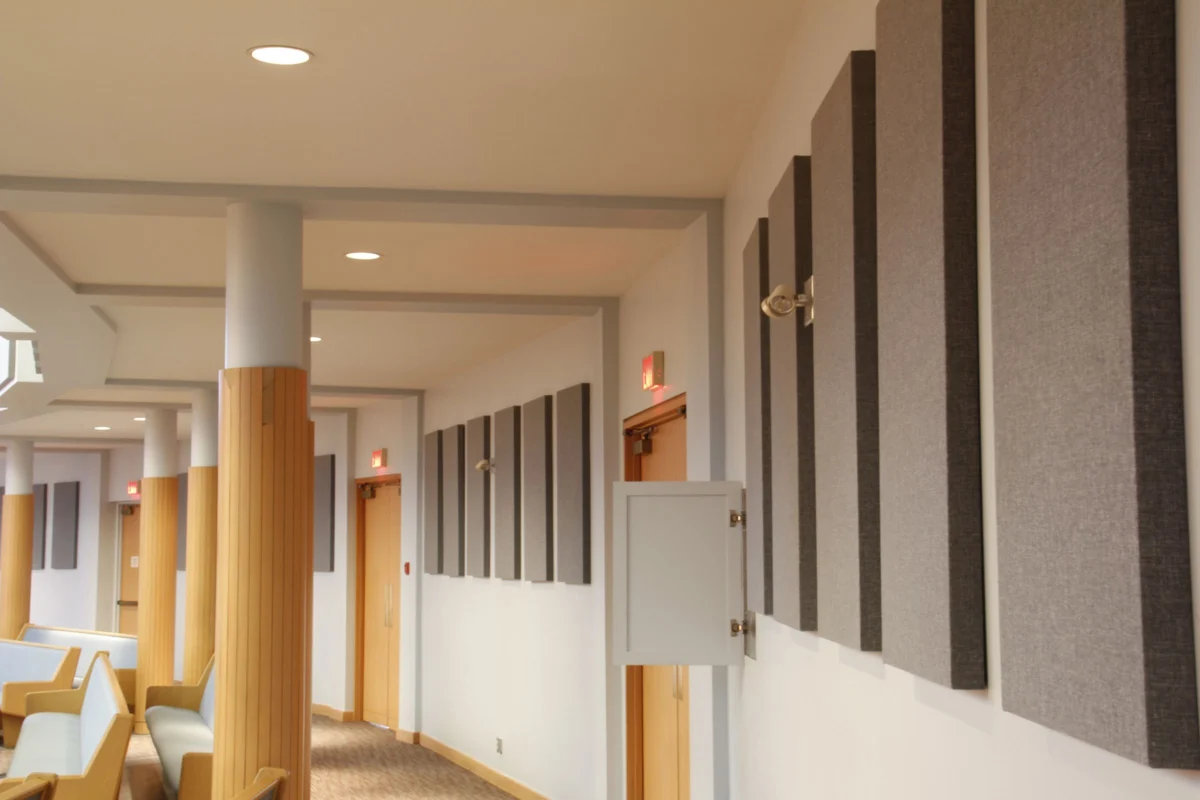
- The Challenge: Smaller auxiliary spaces frequently suffer from boxy, dull acoustics or harsh, bright reflections. Furthermore, sound leakage between adjoining classrooms disrupts educational programs and meetings. These spaces demand treatments that enhance indoor speech comfort while providing adequate sound isolation from neighboring rooms.
Multi-Purpose and Youth Spaces: Surviving High-Energy Utility
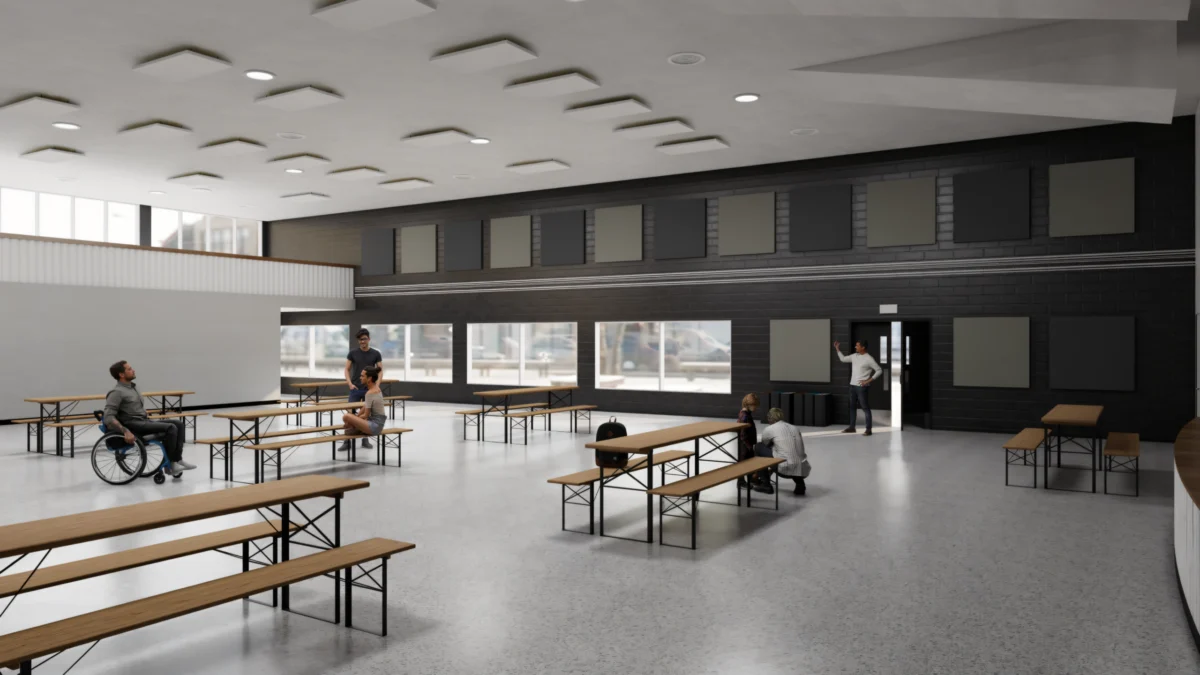
- The Challenge: Acting as gymnasiums, dining halls, youth ministry centers, and secondary worship venues, these areas are packed with hard, flat surfaces. They generate severe flutter echoes and intense acoustic buildup. Treatments here must be exceptionally versatile—rugged enough to withstand physical activity while robust enough to tame high-volume sound systems and boisterous crowds without killing the room’s energetic atmosphere.
4. Official Perspectives: The Philosophy of Tailored Acoustic Design
Industry experts emphasize that effective sound control requires looking beyond the sanctuary walls. According to architectural acoustic specialists, treating an entire church requires diagnosing the distinct sonic fingerprint of each specific room.
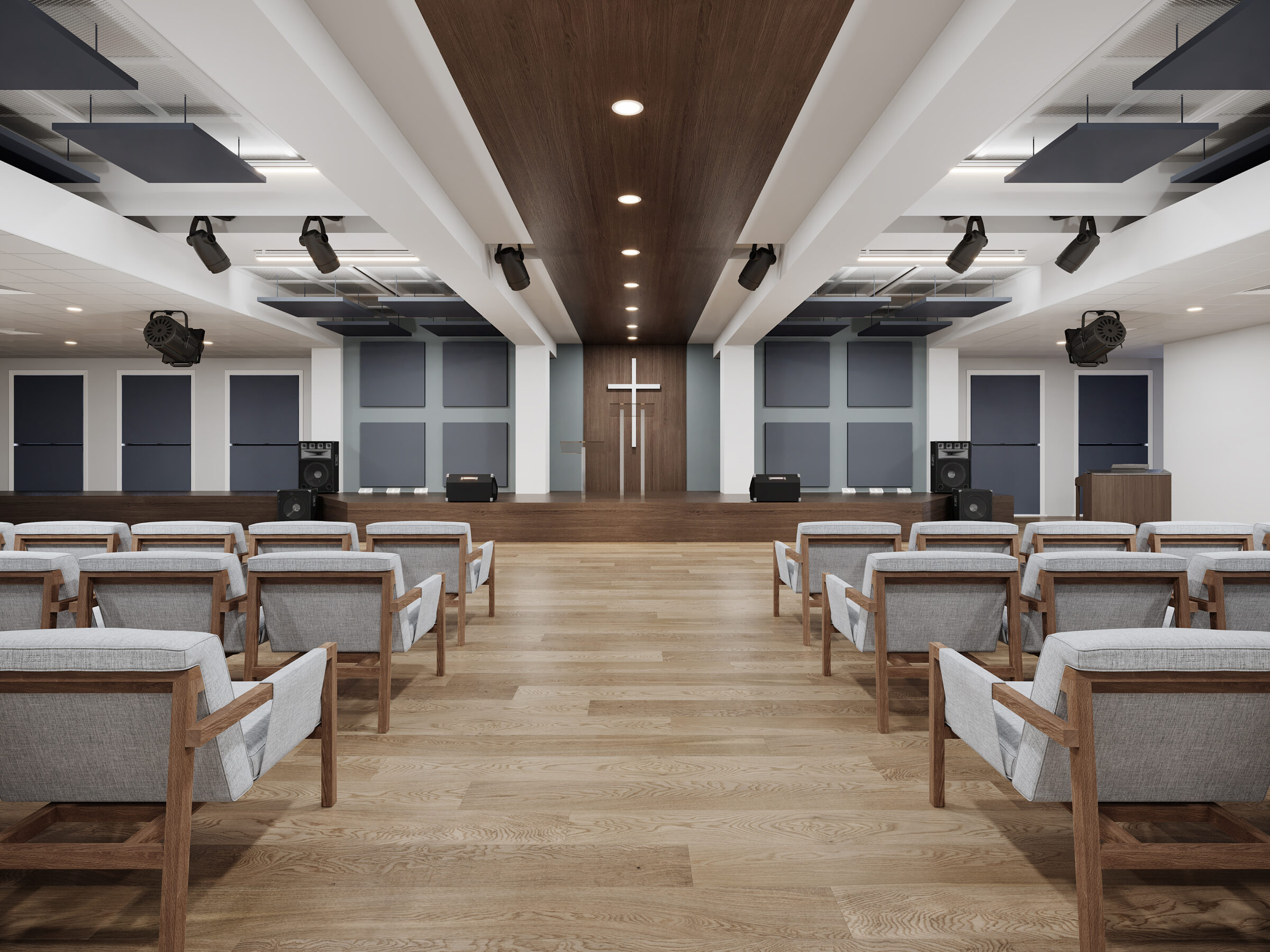
"A space with hard surfaces, large windows, and high ceilings responds entirely differently to sound than a low-ceilinged room with a comparable amount of reflective material," notes architectural design literature from acoustic treatment manufacturer Primacoustic. "Applying a generic, uniform treatment across every room inevitably results in a solution that falls short of the facility’s actual needs."
Experts argue that embracing a space-by-space approach actually simplifies the decision-making process. By identifying the shared and individual sonic and aesthetic challenges of each room, facility planners can deploy targeted products—such as studio-grade wall panels, full-room absorption kits, sustainable PET panels, and customizable aesthetic baffles—that solve noise issues while hiding unsightly infrastructure like HVAC ductwork.
Furthermore, manufacturers stress that support must extend from conception to completion. Successful acoustic intervention requires matching products not just to the physical dimensions of a room, but to the psychological and emotional goals of the people occupying it.
5. Implications: What Poor Acoustics Mean for Modern Congregations
The implications of failing to manage church acoustics extend far beyond mere comfort; they strike at the very heart of community engagement and spiritual participation.
The Psychological and Spiritual Toll
Churches are designed to foster deep connections—between individuals, the community, and the divine. When acoustics are poorly managed, the human brain works overtime to filter out echoes, combat masking noise, and decipher speech. This phenomenon, known as "listener fatigue," leaves congregants physically drained and mentally checked out.
If a visitor or longtime member cannot clearly hear the spoken word or participate comfortably in worship, their sense of belonging diminishes. Engagement drops, participation in auxiliary programs wanes, and the foundational mission of the church is hindered.
Future-Proofing the House of Worship
As architectural trends shift and church demographics evolve, facilities must remain adaptable. Whether managing a heritage stone-built cathedral or a newly constructed multi-site campus, leaders who invest in comprehensive, flexible acoustic strategies ensure their buildings can support whatever the future holds.
Ultimately, treating the entire worship environment creates a consistent, welcoming atmosphere. By prioritizing acoustic clarity alongside aesthetic warmth, modern churches can ensure that every word spoken, every note played, and every community connection made resonates clearly—enriching the mind, body, and spirit of every congregant who walks through the door.