The music industry has long been fueled by the intersection of art and public narrative, but few recent developments have captured the collective imagination quite like the unfolding "love triangle" involving global superstars Drake, Karol G, and Bruno Mars. While the narrative appears to be a masterclass in social media engagement and cross-promotional strategy, it has nonetheless sparked a firestorm of speculation among fans and industry analysts alike. Is this a genuine rivalry, a complex publicity stunt, or the prelude to a monumental musical collaboration that could shift the landscape of the charts?
As the trio navigates this public interplay, they are not only keeping their respective fanbases engaged but are also demonstrating how modern pop stars utilize the blurred lines between reality and performance to maintain relevance in a hyper-connected, digital-first music economy.
The Chronology of a Public Rivalry
The seeds of this narrative were sown with precision, appearing to escalate rapidly throughout the current month. The friction—or perhaps the choreography—began in earnest at the Reliant Stadium in Houston.
The Houston Catalyst
On a Sunday evening, the energy in Houston reached a fever pitch when Drake made a surprise appearance during Karol G’s headlining show. The chemistry was palpable as the two performed "One Dance," the 2016 global smash hit that redefined Drake’s influence on the Latin and Caribbean soundscapes. Beyond the performance, the pair debuted their collaborative track "Ah," which had previously topped the Billboard Hot Latin Songs chart and reached the Top 50 of the Billboard Hot 100 in August. The performance was intimate, characterized by a level of stage presence that suggested a deepening professional and personal camaraderie.
The "Jealousy" Response
The ripple effect of that performance was immediate. Bruno Mars, never one to shy away from the spotlight, seemingly took umbrage with the viral clips emanating from the Houston show. Posting a cryptic yet evocative image from his private jet, the Grammy-winning icon signaled his intention to "win back" his musical counterpart. This move felt like a calculated jab at Drake, framing the narrative as a lighthearted, old-school romantic standoff.
The "Dance With Me" Drop
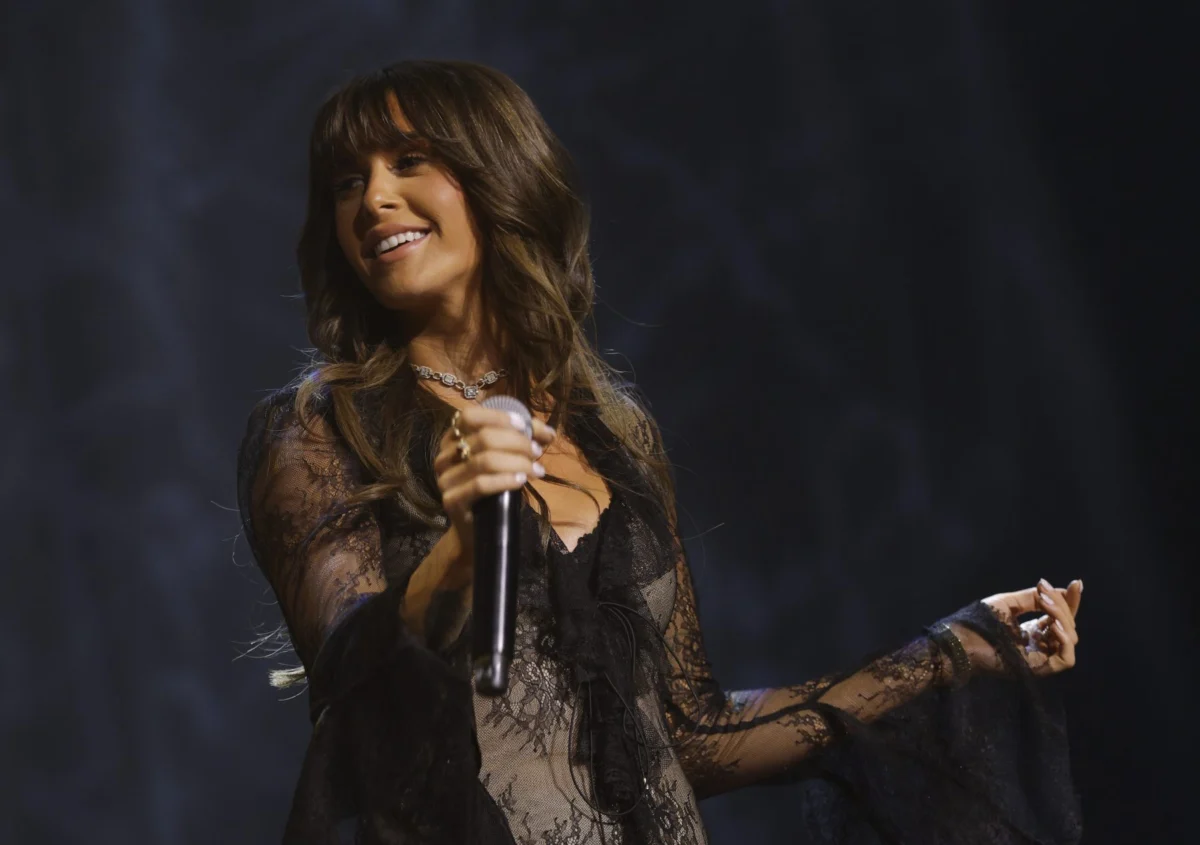
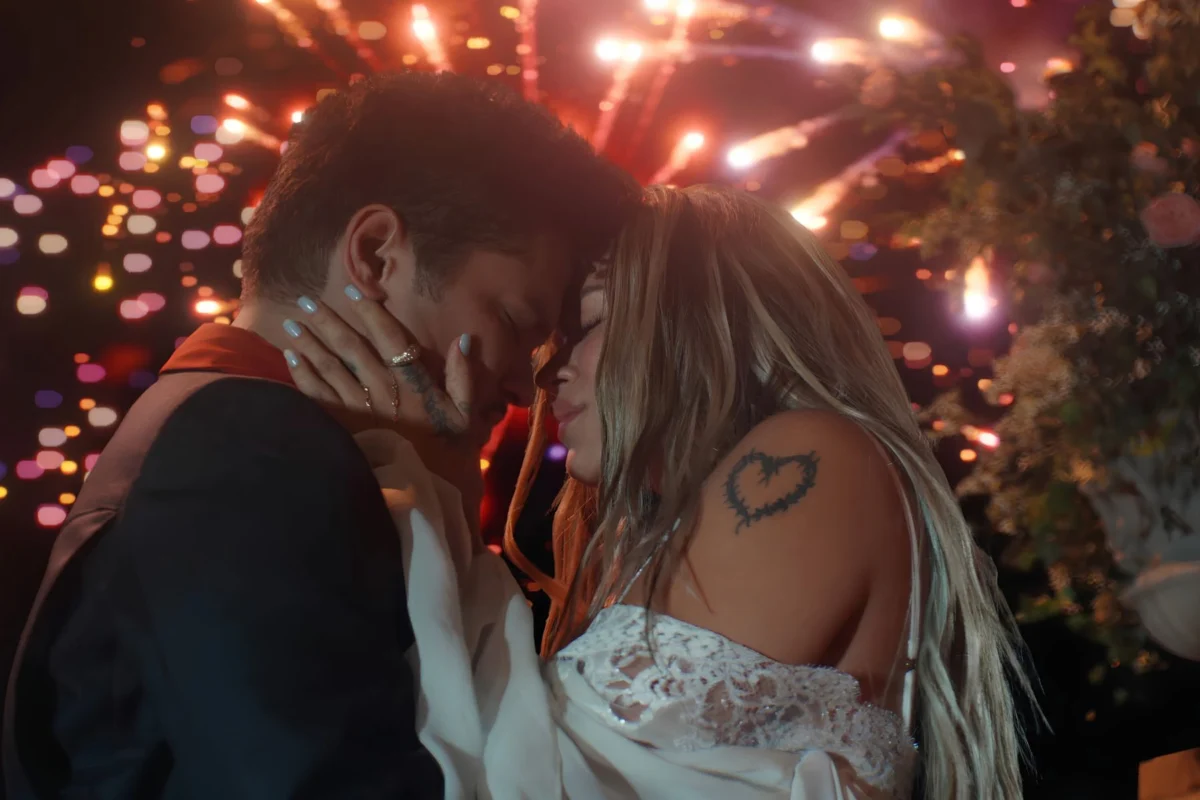
The crescendo arrived on Thursday, when Mars released the official music video for "Dance With Me," featuring Karol G as his lead love interest. The visual, which oozes cinematic quality and high-drama tension, served as a direct counter-narrative to the Houston display. The video, which has already garnered over a million views, positions Mars and Karol G as a power couple, essentially "one-upping" the public perception created by the Drake-Karol G collaboration.
Data Points: Why This Matters to the Charts
To understand the weight of this narrative, one must look at the data. All three artists are current heavyweights, and their recent collaboration metrics highlight why this "triangle" is so valuable.
- The "Ah" Performance: Since its release in August, the collaborative effort between Drake and Karol G has cemented its place in the Latin pop canon. Its peak at No. 44 on the Billboard Hot 100 underscores the cross-genre appeal that both artists command.
- The "Still" Collaboration: Prior to the current viral moment, Karol G and Bruno Mars had already proven their synergy on the album No Me Arrepiento de Sentir Tanto. Their track "Still" achieved significant traction, peaking at No. 41 on the Billboard Hot 100.
- Strategic Visibility: The August 15th show at SoFi Stadium, where Mars and Karol G performed "Still" and "Risk It All," served as the first major signal that their artistic partnership was far more than a one-off recording session.
These numbers illustrate that this is not a random occurrence; it is a calculated mobilization of fanbases that span the English-speaking pop world and the expansive Latin music market. By intertwining their professional successes, the trio is essentially creating a closed-loop ecosystem where fans of one artist are constantly being funneled toward the others.
Official Responses and Public Sentiment
The "feud" has played out almost exclusively in the digital arena, where the public and the artists interact in real-time. Following the release of the "Dance With Me" video, Drake took to Instagram to offer a playful concession. Commenting on the video’s success, he quipped, "Holy, this guy works fast," a remark that garnered over 34,000 likes in mere hours.
This interaction is telling. It lacks the vitriol typically associated with actual beefs in the music industry. Instead, it mirrors the tone of a high-budget, reality-television script.
Bruno Mars, for his part, has leaned into the "Juliet" metaphor. In a heartfelt caption accompanying his post, he praised Karol G’s work ethic and creative spirit:
"Watching you work has been so inspiring. For those that don’t know, this beautiful woman works so hard and loves her fans so much. She calls me and tells me how blessed we both are… I’m honored to say we made music together, performed together and now starred in a high-drama telenovela together."
This level of public adoration from Mars effectively disarms any criticism of the triangle being toxic, framing it instead as a mutual celebration of talent.
Implications: The Potential for a Triple-Threat Collaboration
The most tantalizing prospect emerging from this drama is the potential for a massive, three-way collaboration. While nothing has been officially confirmed, the industry buzz is deafening. A single featuring Drake, Karol G, and Bruno Mars would represent one of the most significant power moves in the modern streaming era.
1. Market Penetration
By combining the rap prowess of Drake, the pop-R&B mastery of Mars, and the global Latin dominance of Karol G, a collaborative track would have an almost guaranteed path to the top of the global charts. It would transcend language barriers and regional preferences, appealing to demographics in North America, Latin America, and Europe simultaneously.
2. Marketing Synergy
The "love triangle" serves as a prototype for viral marketing. By creating a storyline that encourages fans to pick sides or speculate on the nature of their relationships, the artists ensure that their names remain in the news cycle without the need for traditional, expensive advertising campaigns. The story is the marketing.
3. Cultural Fusion
Beyond the numbers, such a collaboration would represent the continued globalization of pop music. It signifies a shift away from the "Western-only" chart dominance of the past, favoring a more inclusive, borderless sound that reflects the listening habits of the modern global audience.
Conclusion: A Masterclass in Modern Celebrity
Whether this "love triangle" is a genuine display of creative friction or a brilliantly orchestrated marketing campaign, its effectiveness cannot be denied. Drake, Karol G, and Bruno Mars have successfully hijacked the cultural conversation, turning music promotion into a narrative-driven event.
As fans continue to dissect every Instagram comment and stage interaction, one thing remains clear: these artists are not just making music; they are crafting a legacy of engagement. Whether this leads to a chart-topping anthem or remains a series of playful social media interactions, the trio has solidified their positions at the pinnacle of the industry. For now, the audience is waiting for the next chapter of this "telenovela," proving that in the world of 21st-century music, the drama is just as important as the melody.
As we look toward the future, the industry will undoubtedly be watching to see if this playful rivalry culminates in the musical event of the decade. Until then, the mystery continues, and the streams continue to climb.