In the latest installment of his celebrated "Recent Finds" series—originally published on Positive Feedback—musicologist and critic Rush Paul turns his discerning ear toward the rich, resonant world of Baroque and pre-Baroque music. Spanning centuries of sonic evolution, this curated collection ranges from the intricate polyphony of the 14th century to the dynamic, galante elegance of the late 18th century. Through virtuosic performances, pristine audiophile engineering, and deep historical excavation, Paul highlights a series of exceptional recent recordings that breathe vibrant new life into early musical masterworks.
Main Facts: A Panorama of Early Music Excellence
Paul’s latest survey is not merely a list of album recommendations; it is a masterclass in historical performance practice and high-resolution audio appreciation. The featured recordings span multiple eras, ensembles, and acoustic philosophies, united by their commitment to stylistic authenticity and breathtaking sonic transparency.
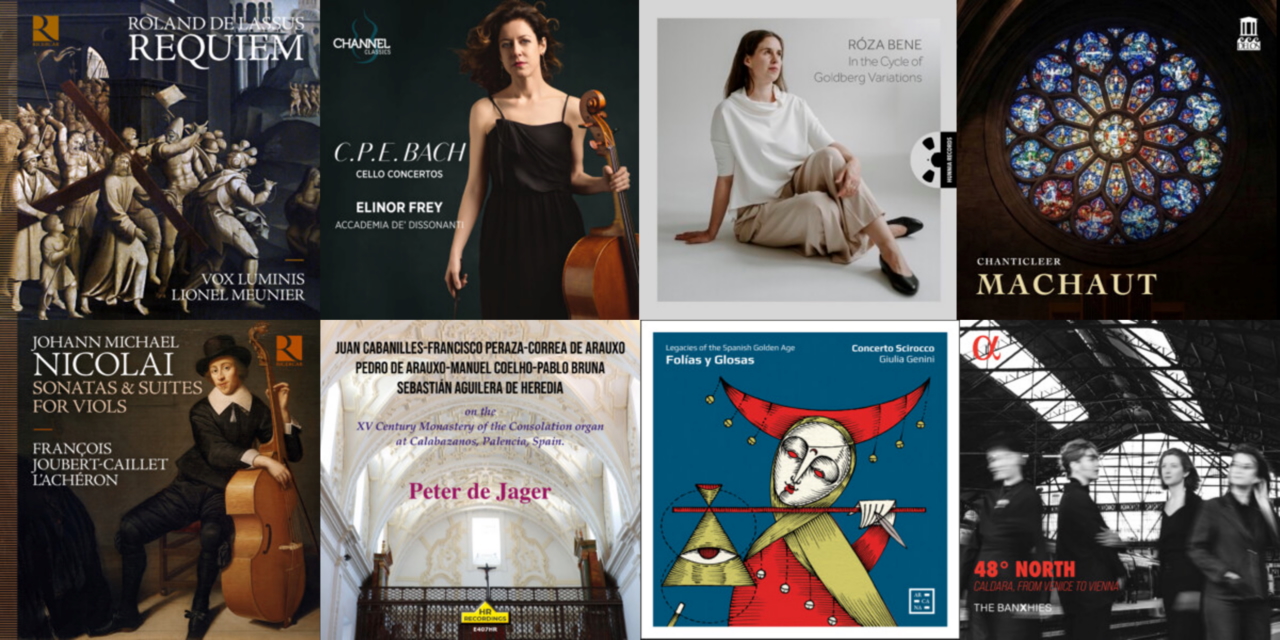
At the core of this collection are landmark releases from labels such as Channel Classics, Hunnia Records, Alpha Classics, Delos, Arcana, Ricercar, and Eudora Records. Whether examining the rebellious cello concertos of Carl Philipp Emanuel Bach, the hypnotic cadence of Renaissance Spanish wind bands, or the celestial vocal gravity of Vox Luminis interpreting Roland de Lassus, Paul emphasizes how modern performers continue to unearth radical innovation within centuries-old scores.
Chronology: From Medieval Polyphony to Late-Baroque Brilliance
To trace the arc of Paul’s selections is to take a chronological voyage across Western classical music history:
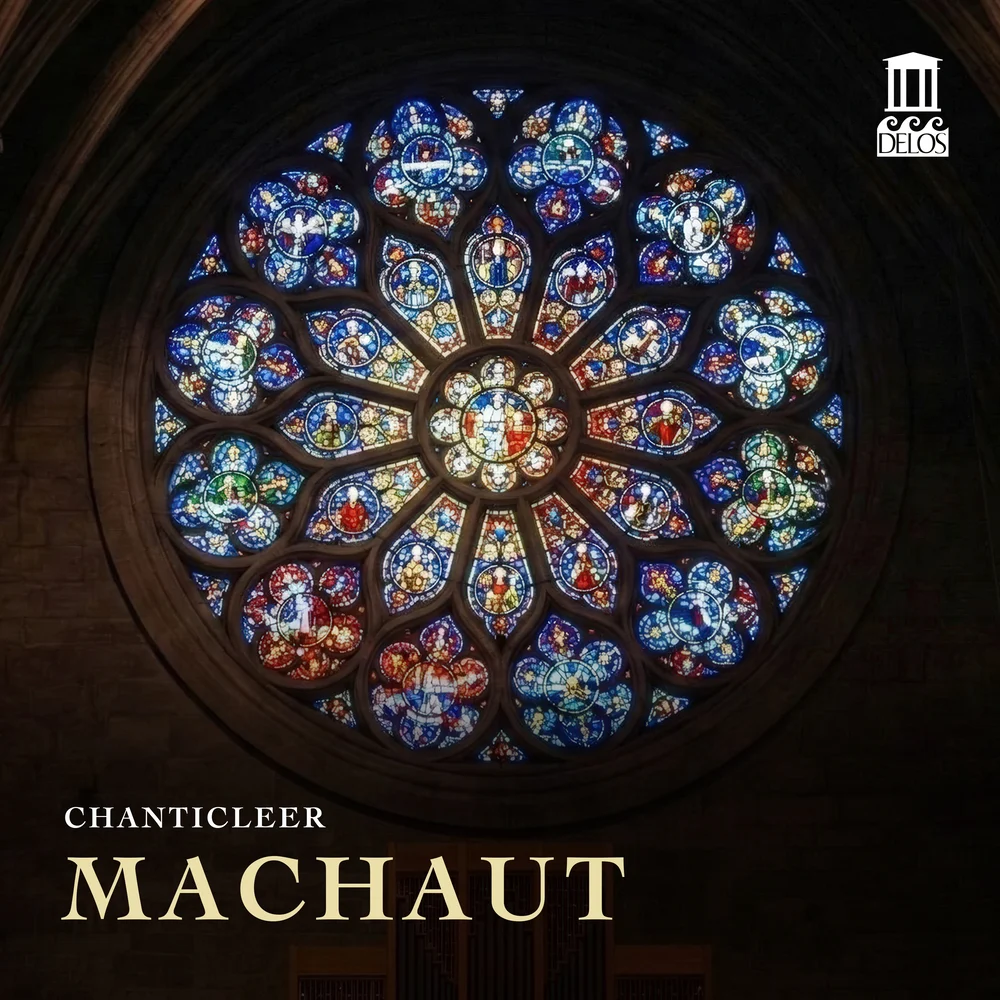
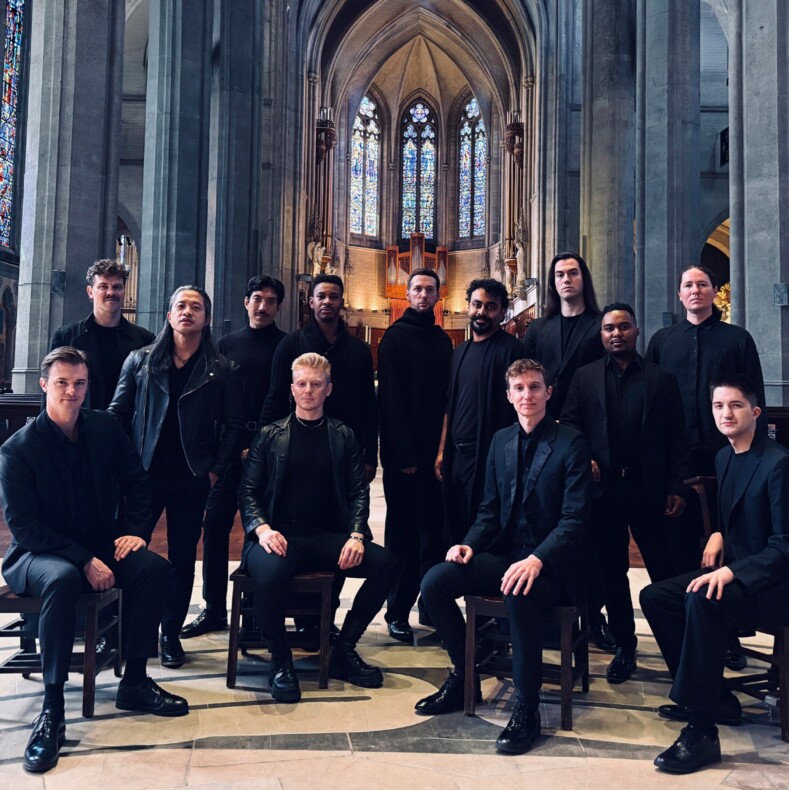
- The 14th Century: The journey begins in the medieval era with Guillaume de Machaut, whose groundbreaking Messe de Nostre Dame and secular courtly love songs are brilliantly realized by the vocal ensemble Chanticleer.
- The Renaissance and Golden Age: The exploration moves through the vibrant soundscapes of the Spanish Golden Age with Concerto Scirocco’s celebration of the folia tradition (Folías y Glosas), alongside the rich Franco-Flemish polyphony of Orlando di Lasso (Roland de Lassus) as performed by Vox Luminis.
- The 17th Century (Seicento): The sonic lens shifts to the transitional landscape of the Baroque. Highlights include the itinerant journeys of Antonio Caldara mapped by The BanXhies (48° North), the intimate viol artistry of Johann Michael Nicolai brought to life by L’Achéron, and an expansive survey of contemplative Iberian organ music performed by Peter de Jager.
- The High to Late Baroque: The chronology culminates in the virtuosic keyboard clarity of Róza Bene performing J.S. Bach’s Goldberg Variations on the harpsichord, and reaches its stylistic zenith with Elinor Frey and the Accademia de’ Dissonanti championing the expressive, dramatic cello concertos of C.P.E. Bach.
Supporting Data: Audiophile Excellence and Historical Instrumentation
A defining characteristic of Paul’s reviews is his rigorous attention to recording engineering and historical performance practices. Early music demands acoustic environments and capture techniques that honor the delicate overtones of period instruments.
High-Resolution Formats and Engineering Triumphs
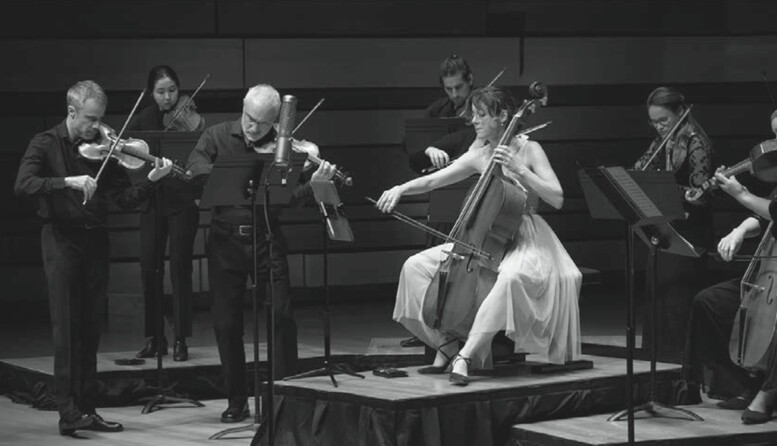
- C.P.E. Bach Cello Concertos (Channel Classics): Recorded at the Isabel Bader Theatre in Kingston, Ontario, by Canadian engineer Jean-Daniel Noir. Captured in 192k Stereo from Edit Master sources, the recording offers an open, highly resolved soundstage that highlights the speech-like intimacy of the baroque cello.
- J.S. Bach Goldberg Variations (Hunnia Records): Captured by Sándor Árok at Hunnia’s Pro Vibe Studio using a minimalist pair of DPA4011 microphones in Pure DSD256. This single-microphone technique allows the natural room acoustics to bloom, perfectly translating the complex harmonic sympathy unique to the harpsichord.
- Iberian Organ Music (HR Recordings): Featuring Peter de Jager at the console of a tracker-action instrument—where keys mechanically open wind valves without electronic assistance—the DXD Stereo recording captures the raw, physical connection between performer and pipes, from quiet contemplative stops to the thunderous 8′ Trompeta Real.
Instrumentation Insights
Throughout the collection, Paul praises ensembles that leverage the specific timbral colors of period instruments. The use of harpsichord versus organ continuo by groups like The BanXhies demonstrates how shifting textures can completely alter the narrative weight of a musical phrase. Similarly, the nasal brilliance of cornetts, sackbuts, and dulcians in Concerto Scirocco’s performances recalls the historic Ministriles—loud wind bands that once soundtracked Renaissance court festivities and civic processions.
Official Perspectives and Artist Insights
The artists behind these recordings are not merely reproducing historical notes on a page; they are active researchers and passionate interpreters.
- Elinor Frey on C.P.E. Bach: Describing the dialogue between soloist and orchestra in C.P.E. Bach’s concertos, Frey notes that their interactions "sometimes verge on swordplay, other times gentle coaxing or simple affirmation." True to 18th-century custom, Frey crafts her own dazzling cadenzas, serving as an intellectual bridge that comments on and redirects the preceding musical architecture.
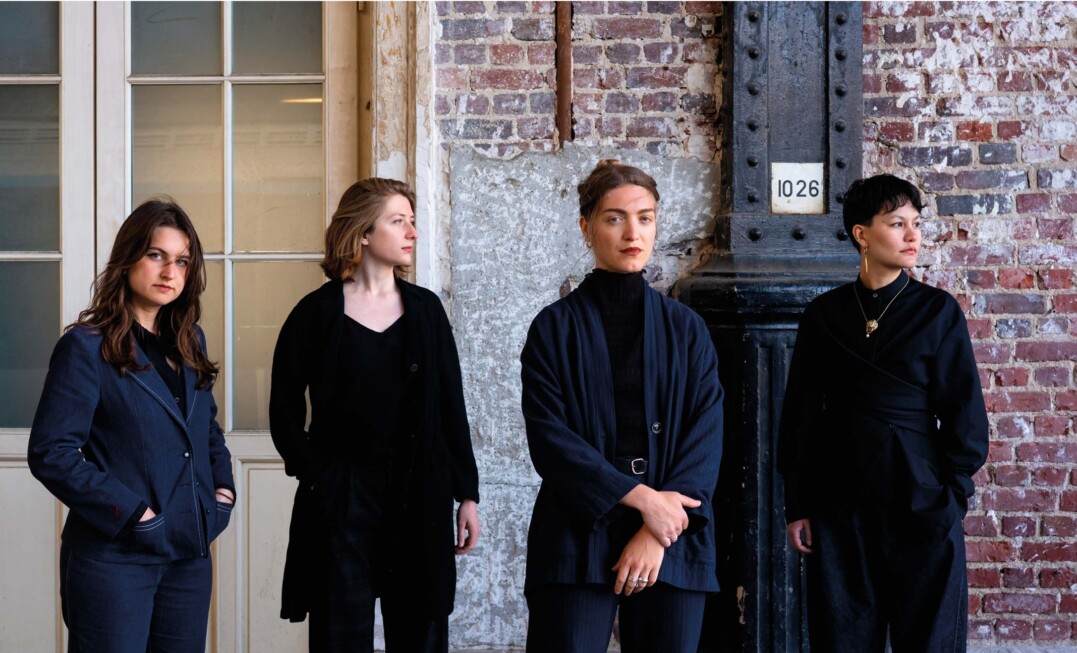
- The BanXhies on Musical Storytelling: Taking their name from the mythical Celtic messengers between worlds, the ensemble views music as a literal conduit connecting the physical to the mystical. By weaving Antonio Caldara’s migratory Venetian-to-Vienna style with contemporaries like Vivaldi, Biber, and Fux, they construct a cohesive narrative rather than a disjointed recital.
- Vox Luminis on Orlando di Lasso: Tackling the vast, multi-lingual legacy of the Franco-Flemish master, artistic director Lionel Meunier contrasts lighter mixed-voice settings with deeply resonant, transposed lower-voice ensembles. This editorial choice illuminates the stark emotional contrast within Lasso’s sacred output, particularly in the haunting rendition of the Dies irae.
Implications: The Living Relevance of Early Music
Rush Paul’s curation serves a vital purpose in the modern classical music landscape: it challenges the listener to abandon passive consumption in favor of active, intellectually engaged listening.
By championing independent labels (NativeDSD, Channel Classics, Hunnia, Arcana, Ricercar, Eudora) that prioritize audiophile-grade DSD and high-resolution PCM formats, Paul underscores a symbiotic relationship between historical performance practice and cutting-edge sound reproduction. When music from the 14th century (Machaut) or the late 18th century (C.P.E. Bach) is captured with such staggering transparency, it ceases to be museum artifact music. Instead, it becomes an urgent, breathing art form.
Ultimately, these "Recent Finds" prove that early music is endlessly malleable. Through the rigorous scholarship and passionate execution of artists like Elinor Frey, Róza Bene, Chanticleer, and L’Achéron, centuries-old manuscripts are transformed into living, breathing conversations that continue to captivate, challenge, and delight modern audiences.