Main Facts
The ongoing cultural and consumer resurgence of wired audio has officially claimed one of the heavyweights of modern sound engineering. Bose has announced the launch of its Bose Noise Cancelling Wired Earbuds, marking the company’s high-profile reentry into a market segment it helped shape decades ago. Breaking from the prevailing industry standard of battery-powered wireless pods, these new earphones combine the zero-latency, high-fidelity benefits of a physical connection with Bose’s signature QuietControl active noise cancellation (ANC).
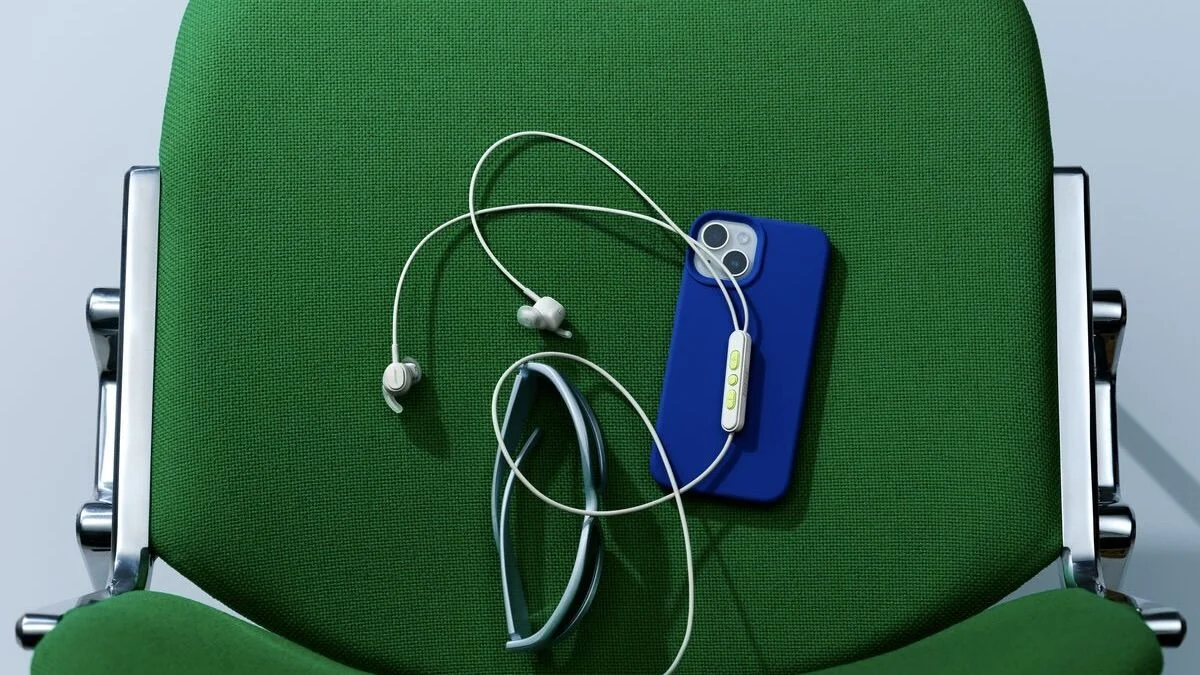
Designed for modern devices, the earbuds connect via a 128cm USB-C cable and draw power directly from the host device. This clever engineering choice eliminates the need for a dedicated, rechargeable internal battery, resulting in a lighter design and removing the anxiety of dying batteries during long listening sessions. Despite dropping the internal battery, the earbuds do not skimp on advanced features. They utilize a dual-microphone system on each earpiece to continuously monitor, react to, and minimize surrounding ambient noise.
Users can toggle between three distinct listening modes using an integrated in-line remote:
- Quiet Mode: Full active noise cancellation for maximum isolation.
- Aware Mode: Pass-through technology that lets surrounding sound in for safety and situational awareness.
- ANC Off Mode: Standard passive acoustic listening.
Under the hood, the earbuds leverage Bose’s proprietary SoundDesign digital signal processing (DSP). This system supports lossless audio listening, accepting source inputs at any sample and bit rate while outputting playback at a fixed 24-bit/48kHz. Engineered for versatility, comfort, and durability, the package includes soft silicone eartips in small, medium, and large sizes, alongside medium and large stability wings to ensure a secure fit. They also feature an IPX4 water-resistance rating and come bundled with a protective zippered carry case.
Priced at £99 / $99, the Bose Noise Cancelling Wired Earbuds are available for pre-order exclusively for MyBose customers, with general retail availability scheduled to kick off on October 15. They launch in three distinct colorways: Black, White Smoke, and a limited-edition Dewdrop Mint.
Chronology
To understand the significance of Bose’s latest release, it helps to look at the timeline of personal audio, the gradual shift away from wires, and the unexpected pendulum swing back toward them.
- The Golden Age of Wired Audio (Pre-2016): For decades, wired headphones and earbuds were the undisputed kings of personal audio. Brands like Bose built their reputations on delivering exceptional acoustic performance tethered directly to portable CD players, MP3 devices, and early smartphones through 3.5mm headphone jacks.
- The Wireless Revolution (2016–2023): The audio landscape shifted dramatically when smartphone manufacturers—led by Apple—began removing the traditional headphone jack. This catalyzed a massive boom in true wireless stereo (TWS) earbuds. Consumers embraced the freedom of movement, and companies poured billions into Bluetooth technology, charging cases, and companion apps. Bose dominated this space with acclaimed products like the QuietComfort Earbuds series.
- The Wired Renaissance (2023–Present): Over the last couple of years, a counter-cultural movement has emerged, particularly among Gen Z and audiophiles. Tired of managing battery health, dealing with Bluetooth pairing glitches, and paying premium prices for wireless hardware that degrades over time, consumers began rediscovering wired earphones. Aesthetics, nostalgia, and a desire for uncompromised, zero-latency sound quality turned wired earbuds into a burgeoning lifestyle and tech trend.
- The Bose Announcement (Late 2024): Recognizing this shifting consumer tide, Bose developers and executives engineered a modern hybrid product. By marrying USB-C connectivity and digital signal processing with active noise cancellation, Bose bridged the gap between retro charm and modern technological utility, culminating in the official announcement of the Bose Noise Cancelling Wired Earbuds.
Supporting Data
A closer look at the technical specifications reveals how Bose engineered these earbuds to compete in both the traditional wired market and the modern active-noise-canceling sector:
- Connectivity: 128cm USB-C cable, ensuring universal compatibility with modern Android devices, iPads, laptops, and recent iPhone models equipped with USB-C ports.
- Power Source: Bus-powered directly from the connected device; zero internal battery means no charging required and a lighter physical profile.
- Audio Processing: Proprietary SoundDesign digital signal processing (DSP) supporting high-resolution lossless audio inputs at varied sample and bit rates, outputting at a fixed 24-bit/48kHz.
- Noise Cancellation: QuietControl ANC driven by two dedicated microphones per earbud, offering three user-selectable modes (Quiet, Aware, and ANC Off).
- Call Quality & Controls: An in-line remote equipped with tactile physical buttons for volume, playback control, call management, and cycling through ANC modes. A rear-mounted remote microphone is specially designed to isolate the user’s voice while minimizing friction noise from clothing.
- Physical Ergonomics & Durability: Modular fit kit featuring small, medium, and large silicone eartips paired with medium and large stability wings. IPX4 water-resistance rating for sweat and weather protection.
- Pricing and Availability: Standard retail price of £99 / $99. Pre-orders open now for MyBose members; global release date set for October 15 in Black, White Smoke, and limited-edition Dewdrop Mint finishes.
Official Responses
Industry leaders have been vocal about the strategic pivot back to wired technology. Commenting on the launch, Raza Haider, President of Bose Premium Consumer Audio, highlighted the cultural shift driving the product’s development:
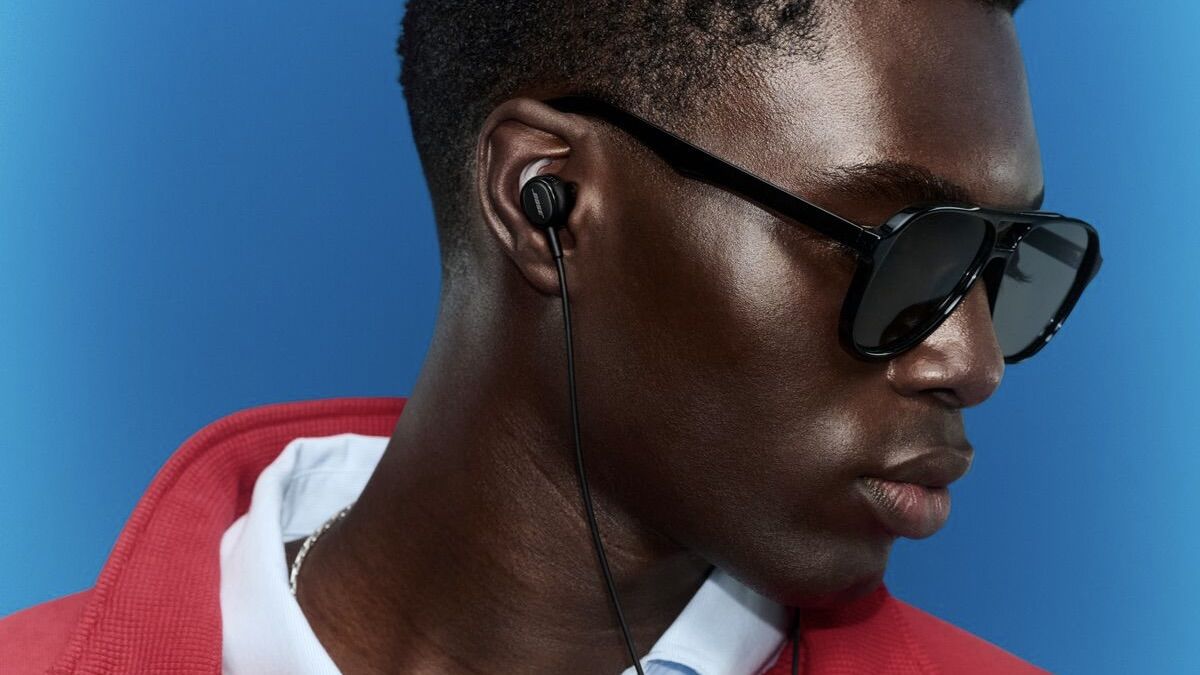
"Wired earbuds are experiencing a cultural renaissance, and when we decided to bring them back, we knew we had to make them even better than before. Technology has come a long way since our last wired earbuds, allowing us the opportunity to bring our latest advancements to the category and set a new standard for what wired earbuds can be."
Haider’s comments underscore a key philosophical shift at Bose: rather than treating wired audio as a legacy format or a budget-tier compromise, the company is treating it as a premium canvas for innovation. By injecting advanced software tuning, USB-C digital conversion, and active noise cancellation into a wired form factor, Bose is positioning the product not as a step backward, but as a sophisticated alternative to mainstream wireless devices.
Implications
The introduction of the Bose Noise Cancelling Wired Earbuds carries several significant implications for the consumer electronics and personal audio markets:
1. Validation of the "Wired Renaissance"
For years, mainstream audio manufacturers treated wired headphones as an endangered species, phasing out 3.5mm jacks and pushing consumers toward expensive wireless ecosystems. Bose entering the wired market with a dedicated, feature-rich product validates the consumer-led trend. It signals to other major audio brands that the demand for wired options is not just a fleeting hipster fad, but a sustainable, lucrative market segment driven by genuine consumer frustrations with wireless tech.
2. Redefining Value in Personal Audio
Priced competitively at $99/£99, these earbuds offer high-end features—such as active noise cancellation and lossless audio support—at a fraction of the cost of flagship wireless earbuds. Because they lack a rechargeable battery, they bypass the primary point of failure for TWS earbuds: lithium-ion battery degradation. This makes them a more durable, long-term investment for budget-conscious consumers who still demand premium audio performance.
3. The Convergence of Old and New
By utilizing USB-C instead of the legacy 3.5mm audio jack, Bose bridges the gap between analog nostalgia and digital convenience. Drawing power from the phone or laptop allows for advanced computing features like multi-microphone ANC and proprietary DSP processing to run seamlessly without needing an onboard power source. This opens the door for a new class of "smart wired" accessories that leverage host device processing power.
As these earbuds hit shelves on October 15, they will serve as a fascinating litmus test for the audio industry. If they resonate with consumers the way Bose anticipates, we may soon see a flood of competing manufacturers rushing to develop their own high-tech, noise-canceling wired alternatives.