In the high-stakes world of the music industry, the debate over "fair pay" is constant. Yet, while public discourse often centers on the headline-grabbing friction between artists and streaming platforms, a far more tectonic shift is happening behind closed doors. The regulatory architecture that governs how songwriters and publishers are paid—the "mechanical royalties"—is currently undergoing a radical transformation. This process, known as the Phonorecords V (Phono V) proceedings, will determine the financial trajectory of the music business from 2028 through 2032, and its outcomes will ripple through the portfolios of every creator, from bedroom producers to legacy superstars.
The Mechanics of the Market: Understanding Phono V
At the heart of this legal and economic battle is the Copyright Royalty Board (CRB), a panel of judges tasked with setting the statutory rates that streaming services must pay for the right to reproduce and distribute musical compositions.
The Phono V proceedings are split into two distinct tracks. The first track covers mechanical rates for physical formats—vinyl, CDs, and permanent digital downloads. A preliminary settlement for this segment was reached on June 29, 2026, and is currently under judicial review. However, the second, far more consequential track involves the streaming economy.
Because streaming now accounts for the lion’s share of industry revenue, the rules established by the CRB for the 2028–2032 period are not merely administrative—they are foundational. Every tweak to the formula for calculating mechanical royalties acts as a multiplier or a divisor on the lifetime value of an artist’s catalog. For songwriters who rely on these streams to sustain their livelihoods, the Phono V process is the single most important regulatory event of the decade.
A Chronology of the Streaming Conflict
The tension driving these proceedings did not appear overnight. It is the culmination of years of friction between the tech-driven streaming model and the traditional rights-holder ecosystem.
- 2022: The conclusion of Phono IV resulted in significant gains for songwriters and publishers, establishing a higher floor for mechanical royalty rates and signaling a shift toward more favorable compensation structures.
- March 2024: The industry hit a major inflection point when Spotify began integrating audiobooks into its premium plans. By reclassifying its subscription tiers—including Duo and Family plans—as "bundles," the platform successfully lowered its statutory mechanical royalty obligations under the existing Phono IV rules.
- 2025: The financial impact of the "bundling loophole" became impossible to ignore. Industry data showed U.S. publishing revenue growth decelerating to approximately 3.7%, a stark contrast to the double-digit growth seen in the prior year.
- 2026–2027 (Current Period): The industry is deep in the Phono V discovery and negotiation phase. Formal submissions from streaming services, songwriters, and publishers are slated for October 5, 2026, with a final determination from the Board expected by the end of 2027.
Supporting Data: The Cost of the "Bundle"
The financial stakes of these negotiations are staggering. According to the National Music Publishers’ Association (NMPA), the reclassification of subscription tiers into "bundles" has not been a minor accounting adjustment; it has been a multi-billion-dollar drain on the creative community.
The NMPA estimates that the bundling workaround has cost songwriters and publishers nearly $500 million since its inception in 2024. Projections for the upcoming 2028–2032 window are even more alarming: if current bundling provisions remain unchanged, the industry faces an estimated loss of over $3.1 billion in potential mechanical royalties.
This data highlights why the upcoming October 5 filings are so critical. The proceedings are not just about setting a rate; they are about closing a loophole that threatens to cannibalize the revenue growth of the entire publishing sector. When the formula that calculates royalties changes, it alters the projected cash flow of every song in existence—an essential metric used by banks, private equity firms, and music funds to determine the value of intellectual property.
The Implications: Why Songwriters Must Act Now
For the average songwriter, the technical nature of CRB proceedings can feel distant, but the implications for personal finance are immediate.

1. The Impact on Catalog Valuation
The valuation of a music catalog is, at its core, a reflection of the "net present value" of future earnings. Investors buy catalogs based on the assumption that they can forecast future royalties. If the regulatory environment is in flux, risk increases. When risk increases, valuations—and the prices buyers are willing to pay—tend to decrease. Songwriters looking to sell their work today are effectively forced to "price in" the uncertainty of the Phono V outcome, often resulting in a lower lump-sum payment.
2. The Choice: Sell or Leverage?
In recent years, we have seen a gold rush of catalog sales, with artists like the Red Hot Chili Peppers and Britney Spears opting to cash out. However, selling a catalog is a permanent decision that severs the link between the creator and their life’s work.
As we navigate the transition to the Phono V era, songwriters should weigh the benefits of royalty financing. Unlike a full sale, royalty financing allows creators to access capital by using their future earnings as collateral. This provides the necessary liquidity to fund new projects or manage personal finances without forfeiting ownership or creative control. In a market where royalty rates may potentially increase following a favorable resolution to the bundling debate, holding onto one’s assets could prove significantly more lucrative in the long run.
3. Knowing the Catalog
The complexity of these proceedings underscores the necessity of "catalog literacy." Songwriters must understand the specifics of their own revenue streams:
- Platform Concentration: Does the majority of your income come from a single Digital Service Provider (DSP)? If so, you are disproportionately exposed to that platform’s specific bundling strategies.
- Geographic Exposure: How does your income split between territories with different regulatory frameworks?
- Royalty Mix: What is the balance between performance royalties (collected by PROs like ASCAP/BMI) and mechanical royalties? Understanding this split is vital to predicting how a change in mechanical rates will affect your bottom line.
Professional Perspectives and the Path Forward
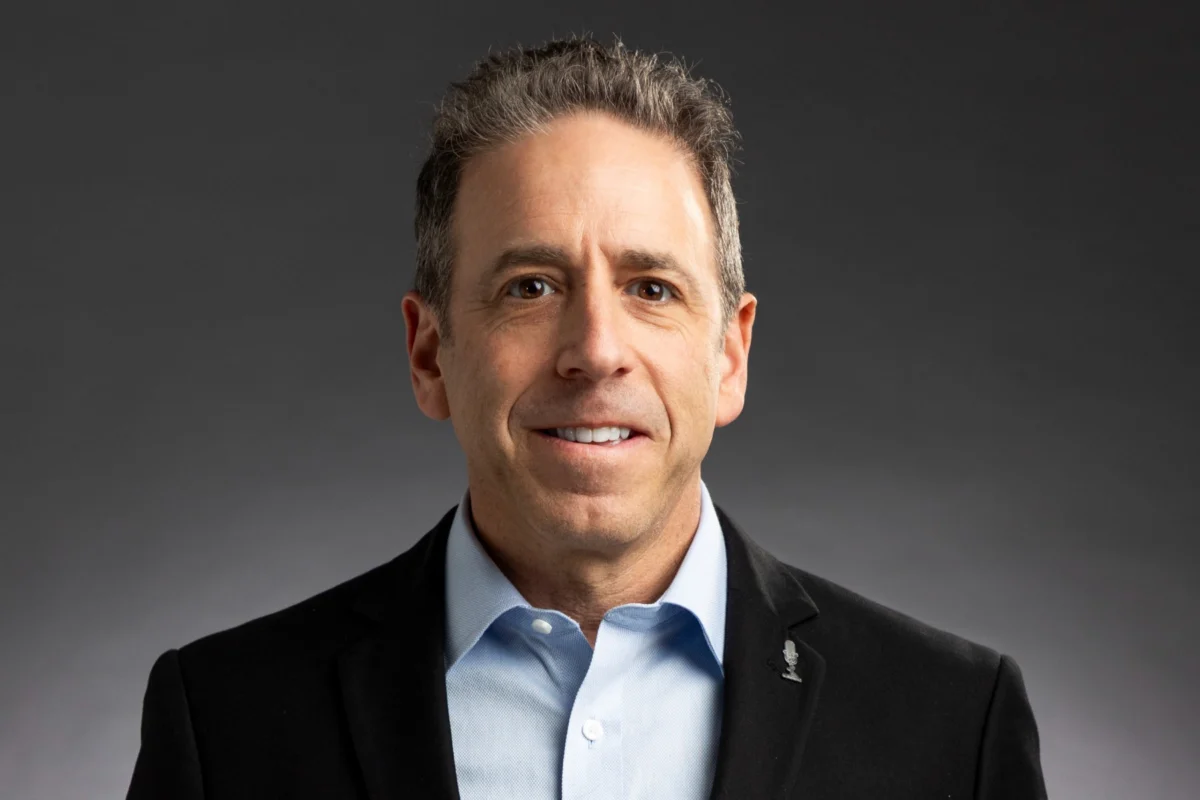
The transitionary period of Phono V is a time for caution, education, and strategic planning. As Alex Heiche, founder and CEO of Sound Royalties, notes, the current environment demands that creators look beyond the "buy-out" model.
"Catalog valuation is never static," Heiche explains. "When the rules of the game are being rewritten, the most important asset a creator has is a clear understanding of their own data. By understanding the forces shaping valuation—and exploring options that don’t require the permanent relinquishment of rights—songwriters can place themselves in a position of strength."
The goal of the Phono V proceedings is to create a sustainable ecosystem for the future of music. However, the path to that sustainability is paved with technical, slow-moving legal hurdles. While the board deliberates, the industry continues to evolve. Whether the outcome results in higher rates, stricter bundling regulations, or the status quo, the songwriters who survive and thrive will be those who view their music not just as art, but as a dynamic financial asset that requires active management.
As the industry approaches the October 5 filing deadline and the eventual 2027 determination, the message to the creative community is clear: stay informed, analyze your catalog’s dependencies, and consider all financial options. In a world where the rules are constantly being reshaped, the power to make the right decision at the right time is the ultimate advantage.