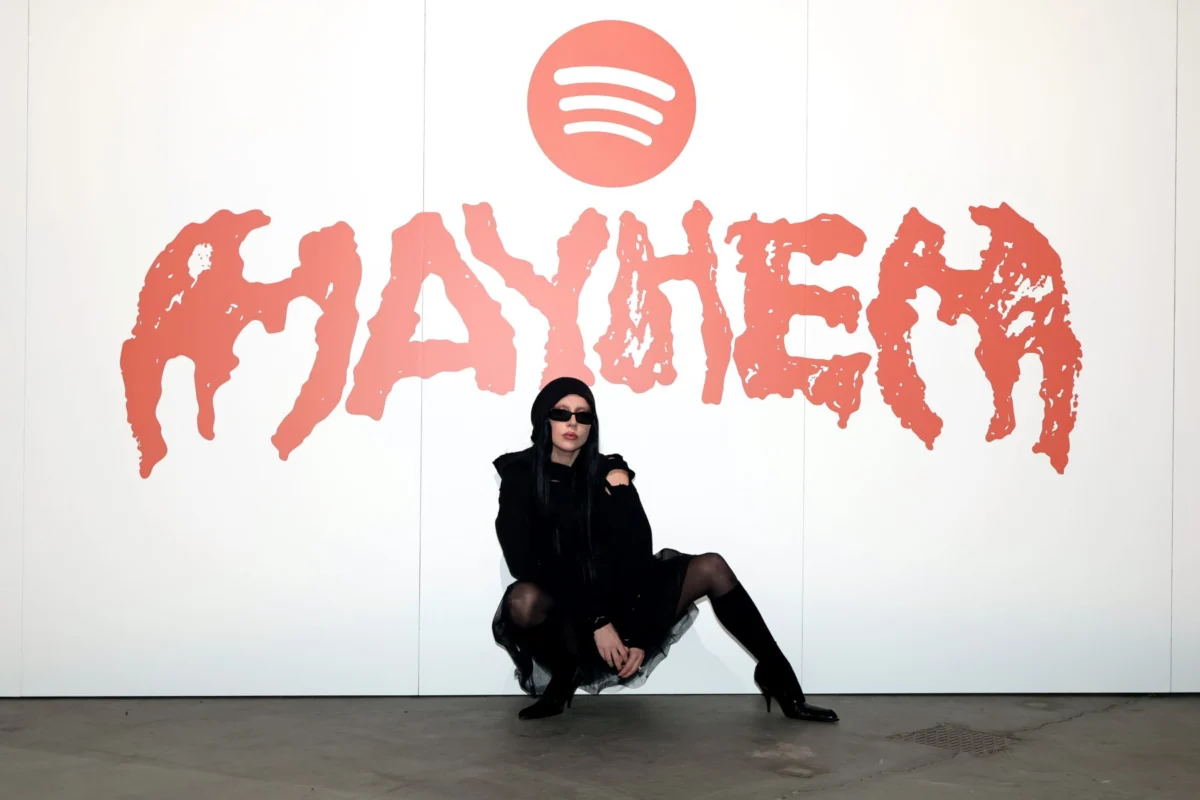
In a high-stakes legal battle that underscores the evolving friction between corporate intellectual property rights and artistic expression, the surf apparel brand Lost Surfboards is pushing back against efforts by Lady Gaga to recoup the costs of her successful defense. The dispute, which centers on the pop superstar’s chart-topping 2025 album Mayhem, has moved from a battle over brand identity to a bitter disagreement over the financial consequences of unsuccessful litigation.
Last month, a federal judge decisively dismissed a lawsuit brought by Lost Surfboards, which alleged that the title of Lady Gaga’s album infringed upon its long-standing "Mayhem" trademark for surf equipment. Following the victory, the Grammy-winning artist—born Stefani Germanotta—sought to recover approximately $232,000 in legal fees from the surf company, arguing that the lawsuit was an meritless exercise in litigation. Lost Surfboards, however, has signaled its intent to fight that demand, filing an opposition in court on September 24 that characterizes the request as an attempt to penalize a company for seeking to protect its intellectual property.
Chronology of a High-Profile Conflict
The tension between the global pop icon and the niche surf brand began shortly after the release of Mayhem in March 2025. The album, which catapulted to No. 1 on the Billboard 200 and maintained a presence on the chart for an impressive 63 weeks, became a cultural touchstone. For Lost Surfboards, which has utilized the "Mayhem" name and a specific stylized red logo on its surfboards and apparel since the 1980s, the album’s release was perceived as a direct encroachment on its market identity.
Lost Surfboards initiated legal action in March 2025, seeking not only monetary damages but also an injunction that would have effectively barred Lady Gaga from selling merchandise associated with the Mayhem brand. This move threatened to disrupt the logistics of her global "Mayhem Ball" tour, a massive undertaking that ultimately grossed over $400 million during its year-long run.
The litigation unfolded throughout 2025, with Lady Gaga’s legal team—represented by the elite firm Gibson Dunn—arguing that the use of the word "mayhem" was a creative choice protected by the First Amendment. In December 2025, the presiding judge, Fernando M. Olguin, refused to issue an injunction against the tour, providing an early indication of the court’s skepticism regarding the plaintiff’s claims. Finally, in August 2026, Judge Olguin formally dismissed the lawsuit, ruling that the surf company had failed to demonstrate that the singer’s use of the term was designed to mislead consumers as to the source of her artistic work.
Supporting Data and Legal Arguments
The core of the current dispute lies in the legal standard for shifting attorney fees. Under United States intellectual property law, prevailing parties are not automatically entitled to have their legal bills paid by the opposition. Courts typically reserve fee-shifting awards for "exceptional cases," which usually involves proving that the losing party’s claims were frivolous, objectively unreasonable, or brought in bad faith.
In her recent filing, Lady Gaga’s team contends that the case was essentially a "publicity stunt" intended to extract a settlement from a high-profile target. They maintain that $232,000 is a reasonable sum for the 150 hours of work performed by a top-tier law firm to dismantle what they view as a meritless claim.

Lost Surfboards’ opposition, however, is multifaceted. First, the company argues that it had a valid, good-faith basis for the lawsuit. Their attorneys state, "Lost’s real purpose in filing its lawsuit was to protect a registration it owns… against use of the identical word with nearly identical stylization on apparel." They emphasize that their brand identity is a result of decades of market presence, and that defending such a trademark is a necessary business operation, not a tactic for harassment.
Furthermore, the company has challenged the specific dollar amount requested by the pop star’s legal team. In their latest filing, they label the $232,000 figure "inflated," suggesting that even if the court finds that fees should be awarded, the amount must be scrutinized for reasonableness in relation to the work performed.
The First Amendment and Artistic Expression
A pivotal element of Judge Olguin’s dismissal—and a central point of contention in the current debate—is the application of First Amendment protections to creative works. In trademark law, when a defendant uses a trademark in the context of an artistic work (such as a song title, an album, or a movie), the courts apply a rigorous test to determine whether that usage infringes upon the rights of a brand owner.
Judge Olguin’s ruling emphasized that "the use of a mark alone is not enough." He noted that the plaintiffs failed to provide evidence of an "explicit indication, overt claim, or explicit misstatement" that would lead a reasonable consumer to believe that Lady Gaga’s album was, in fact, a product of the surf brand.
Lost Surfboards maintains that the court’s dismissal was based on highly technical grounds rather than a total lack of merit. In their filing, the company’s lawyers wrote: "Defendants ultimately prevailed under… a fact-intensive defense turning on artistic relevance and explicit misleadingness. Defendants now attempt to recast that merits ruling, with the benefit of hindsight, as proof that Lost’s claims were unreasonable from the outset. It proves no such thing."
By appealing the initial dismissal, Lost Surfboards is signaling that it still believes there is a viable legal argument to be made regarding the protection of their logo and brand identity in the commercial marketplace.
Implications for Future Trademark Litigation
The outcome of the October 15 hearing on legal fees will set a significant precedent for how artists and corporations navigate intellectual property disputes. If the court grants Lady Gaga’s request, it will serve as a strong deterrent against similar lawsuits, particularly those brought against high-profile individuals by smaller entities. Conversely, if the judge denies the request or significantly reduces the amount, it could embolden brand owners to pursue litigation even when the likelihood of success under the "artistic relevance" test remains slim.

For the music industry, this case serves as a stark reminder of the complexities involved in album branding and merchandise. With the convergence of lifestyle, fashion, and music, the lines between protected artistic expression and commercial trademark infringement are increasingly blurred.
Moreover, the sheer cost of legal representation in these high-stakes battles is a point of concern for both sides. The fact that 150 hours of legal work resulted in a $232,000 invoice highlights the exorbitant cost of defense for artists, even when the claims against them are ultimately deemed insufficient.
Moving Forward: The Oct. 15 Hearing
As both parties prepare for the October 15 hearing, the legal community is watching closely. Lady Gaga’s representatives have remained relatively quiet following the September 24 filing, signaling a preference to let the court filings speak for themselves.
The case of Lost Surfboards vs. Lady Gaga is more than just a fight over a name; it is a clash between the legacy of a niche brand and the global reach of a pop phenomenon. Whether the court views the original lawsuit as a reasonable attempt to protect intellectual property or an unreasonable attempt to leverage the legal system, the resolution will likely influence the strategies used by brand owners and artists for years to come.
For now, the "Mayhem" label remains under the jurisdiction of the court’s pending fee decision, and the broader question of where the First Amendment ends and trademark protection begins remains a focal point for intellectual property scholars and entertainment lawyers alike. As the appeal process continues alongside the fee-shifting dispute, the full story of Mayhem is far from over.