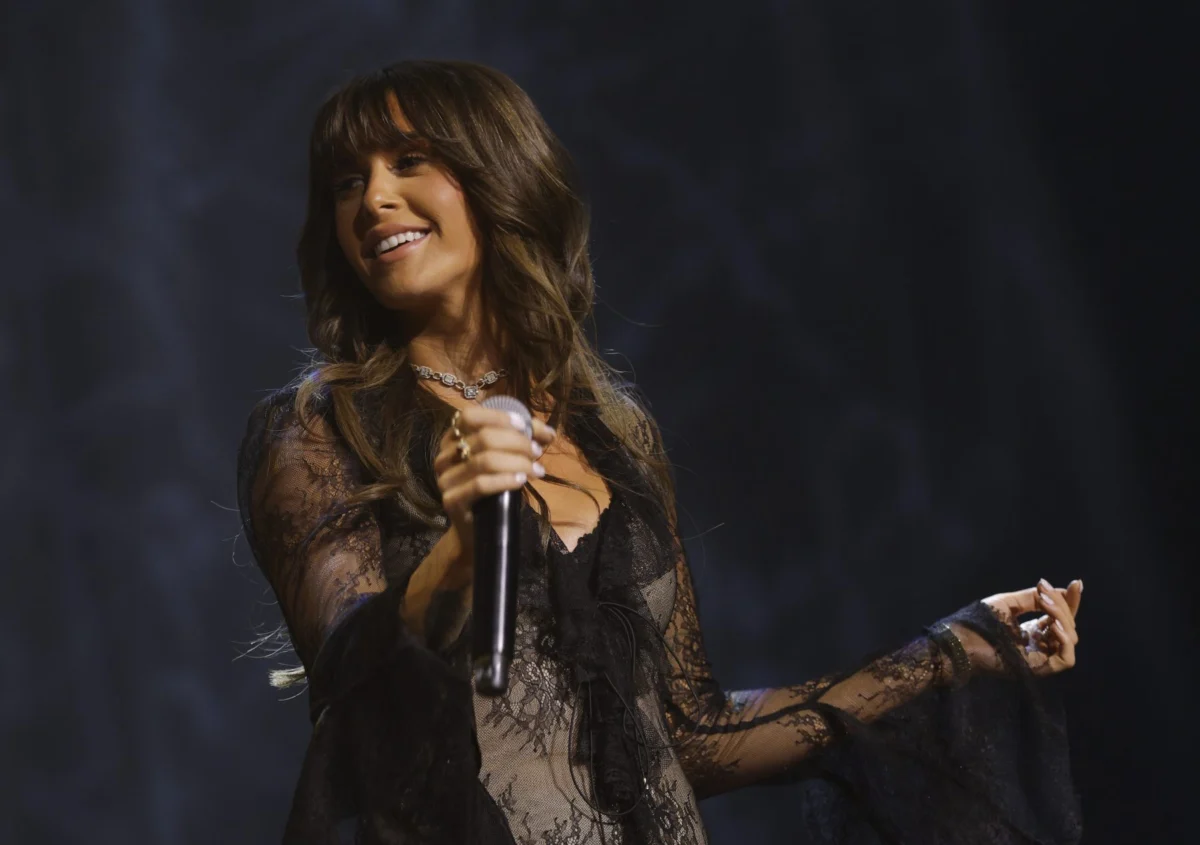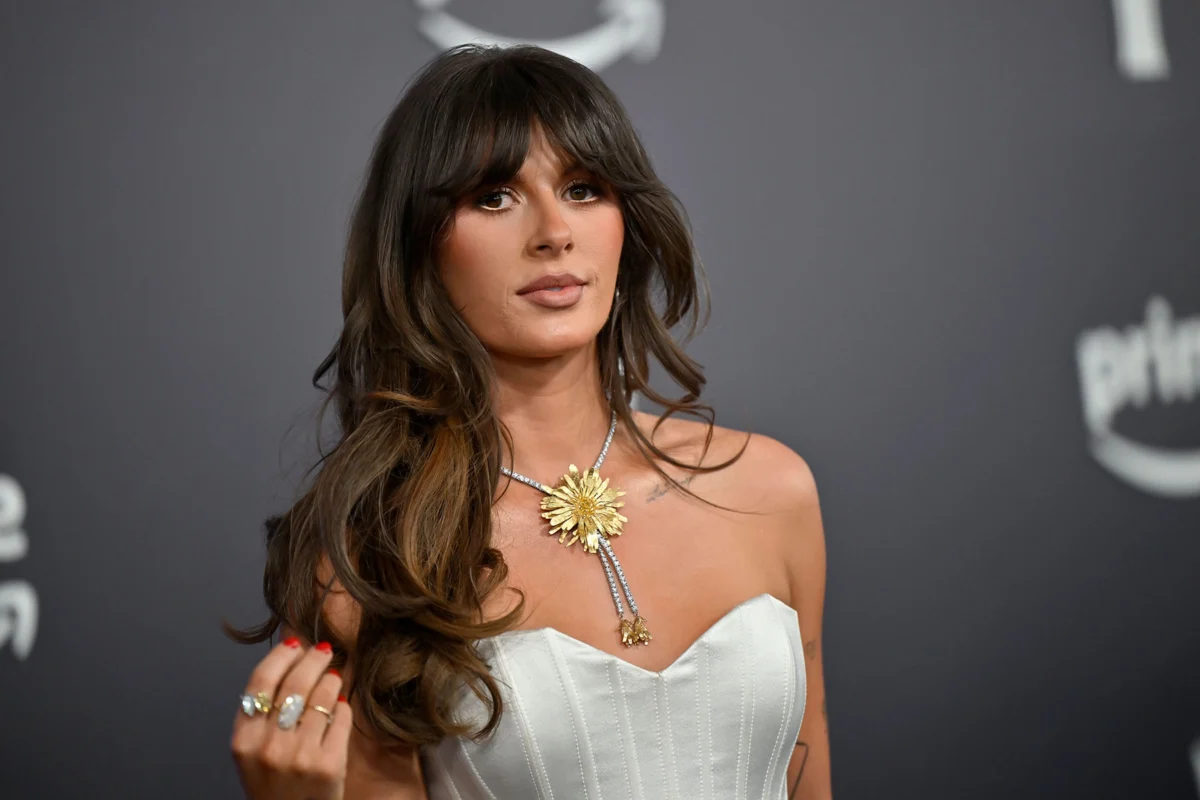
In the hyper-connected age of social media, the barrier between idol and admirer has become increasingly porous. For country music sensation Ella Langley, whose meteoric rise has been defined by record-breaking chart success and a deeply personal songwriting style, the reality of this proximity recently manifested in an uncomfortable, high-profile encounter. Following a viral interaction outside a Knoxville, Tennessee, venue on September 24, 2026, the 27-year-old singer found herself at the center of a digital firestorm—one that highlights the growing pains of a star navigating the transition from rising talent to cultural phenomenon.
The Viral Encounter: A Snapshot of Modern Fandom
The incident, which took place outside her Knoxville concert, began when a social media user and digital creator known as "Tiki" attempted to solicit a date from the singer through a security gate. The interaction was captured on video and subsequently uploaded to TikTok, where it quickly amassed millions of views.
In the clip, Tiki can be heard shouting, "Ella, how many likes to take you on a date?"
Langley, surrounded by an entourage and moving through a crowded parking lot, paused to address the request. With a stoic expression, she replied, "Not enough in the world," before continuing on her way. Tiki, seemingly undeterred, responded to his own camera with the sports-centric adage: "You miss 100% of the shots you don’t take."
The video served as a flashpoint for a broader debate regarding public figures’ rights to privacy versus the "accessibility" expectations of modern parasocial relationships. Within hours, the comment section of the post became a battleground, reflecting a fractured public opinion on how celebrities should—or should not—respond to unwanted advances in public spaces.
Chronology of a Social Media Firestorm
The trajectory of this incident followed the rapid, often unforgiving timeline of internet discourse:
- Thursday, Sept. 24: The interaction occurs outside the venue in Knoxville. Within hours, the footage is posted to TikTok.
- Friday, Sept. 25: The video goes viral. Social media users begin dissecting Langley’s body language and tone. Critics characterize her response as "cold" or "rude," while supporters argue she was simply setting a boundary.
- Saturday, Sept. 26: The narrative gains momentum, with outlets like TMZ reporting on the backlash. The intensity of the criticism prompts a brief, albeit later-deleted, response from Langley herself, attempting to provide context to the viral moment.
- Sunday, Sept. 27: Public sentiment begins to shift as fans of the artist push back against the vitriol, pointing to the inherent awkwardness of being accosted in a parking lot by a stranger filming for content.
Supporting Data: A Record-Breaking Year
To understand the intensity of the public’s investment in Langley, one must acknowledge the unprecedented year she has had in the music industry. Her hit single, "Choosin’ Texas," has become a generational anthem, fundamentally shifting the landscape of the Billboard Hot 100.
Earlier in the week of the incident, "Choosin’ Texas" secured its 23rd week at the No. 1 spot on the U.S. charts. This accomplishment is nothing short of historic; it officially dethroned Mariah Carey’s perennial holiday staple, "All I Want for Christmas," to set a new record for the most weeks spent at the top of the Hot 100.
The song’s trajectory has been a steady climb rather than a flash in the pan. Debuting in the Top 40 at No. 39 last November, the track’s slow-burn success suggests a deep resonance with listeners. In an Instagram post celebrating the milestone, a visibly moved Langley articulated the impact the song has had on her life: "I’m genuinely trying to find the words to help explain what’s going on in my brain today… It’s changing the lives of the writers of this song. It’s changing the lives of my family and it is truly growing an atmosphere for something I’m gonna be able to do the rest of my life."
Official Responses and the "Dark Humor" Defense
The backlash to the video was swift, with some users questioning the singer’s demeanor. "She could have laughed and said no in a whole different way," one commenter wrote, while others suggested that her status as a public figure necessitates a higher degree of grace under pressure.

However, the pressure of constant surveillance often dictates how stars react. In a now-deleted comment captured by various media outlets, Langley provided insight into her state of mind during the encounter. "It was meant to come off as dark humor," she explained. "You said that and it got quiet and I got nervous."
This admission serves as a rare, candid look at the vulnerability behind the persona. For an artist who is not only dealing with the pressures of a record-breaking career but is also reportedly navigating a high-profile personal life—linked in recent reports to fellow country star Tucker Wetmore—the constant scrutiny of the public eye can undoubtedly lead to defensive social responses.
The Implications: Where Boundaries Blur
The discourse surrounding the Ella Langley incident raises significant questions about the "social contract" between fans and artists. In an era where creators on platforms like TikTok monetize their interactions with celebrities, the line between an organic fan encounter and a staged content opportunity has vanished.
1. The Parasocial Burden
Critics of the fan’s behavior argue that shouting at an artist across a gate and filming them without their explicit consent creates an inherently coercive environment. From this perspective, Langley’s "cold" response was a reasonable exercise of autonomy in a space where she likely felt cornered.
2. The Weight of Expectations
Conversely, the "customer service" expectation of celebrity suggests that stars are effectively always "on the clock." When an artist fails to perform the expected role of the "gracious icon," it is often interpreted by the public as a personal failing. This creates a psychological tax on performers who are expected to be perpetually accessible.
3. The Impact of Digital Context
The fact that Langley felt compelled to delete her explanation suggests that even in the aftermath, the artist felt the sting of public judgment. Her attempt to frame the interaction as "dark humor" was an effort to bridge the gap between her reality and the public’s perception—a gap that is often impossible to close entirely once a video has been clipped and shared for engagement.
Looking Forward: An Artist at a Crossroads
As Ella Langley continues her historic run atop the charts, the incident in Knoxville will likely serve as a footnote in a much larger story. However, it acts as a poignant reminder of the price of fame.
The success of "Choosin’ Texas" has vaulted Langley into a tier of stardom that few reach, but it has also subjected her to the magnifying glass of a digital society that often forgets the person behind the performer. Whether she chooses to lean into the "dark humor" she cited or recalibrate her public interactions, Langley’s career trajectory remains firmly on an upward path.
Her ability to navigate these "viral moments" will be just as crucial to her longevity as her songwriting prowess. In the music industry, chart records are often meant to be broken, but the preservation of one’s identity and mental peace in the face of relentless public scrutiny is the real, enduring challenge for any artist of this magnitude. For now, Langley remains focused on the music, leaving the digital noise to settle behind her as she continues to define the next chapter of country music.