Main Facts
The audio landscape has welcomed a compelling new contender in the entry-to-mid-tier desktop category. SMSL, a dominant force in high-resolution audio electronics, has released the SMSL D100, an affordable desktop digital-to-analog converter (DAC) and headphone amplifier priced at $139.99.
What sets this release apart from the crowded budget audio market is its historical implementation of a brand-new silicon architecture: the ESS ES9081 DAC chip. As one of the first commercially available devices to utilize this next-generation converter, the D100 aims to bridge the gap between clinical neutrality and musical engagement.
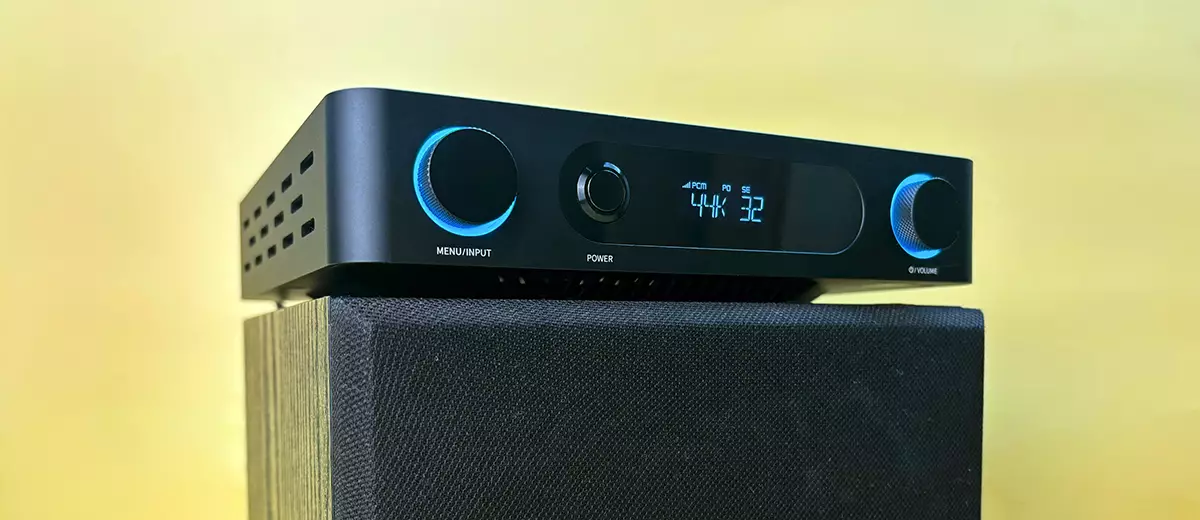
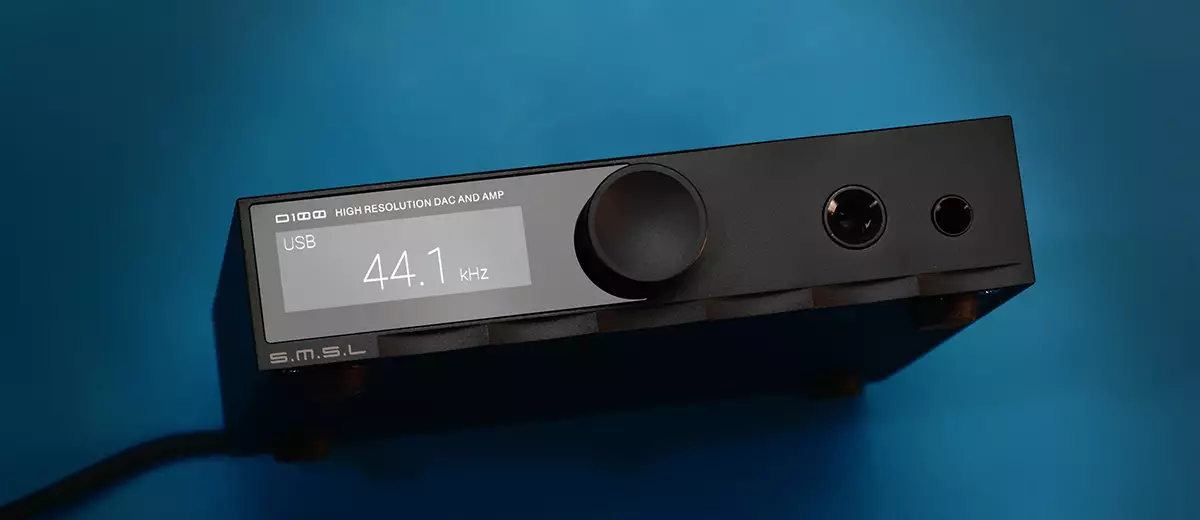
Complementing the novel ESS chip is the high-performance OPA1612A op-amp, a component typically reserved for significantly higher-priced audiophile gear. The device delivers up to 400mW of output power into a 32-ohm load via its front-mounted 4.4mm balanced output, alongside a traditional 6.35mm single-ended connection. Housed in a compact, CNC-milled aluminum alloy chassis measuring just 127 × 31.7 × 126.7 mm and weighing 338 grams, the D100 functions as a versatile desktop hub, doubling as a digital preamp for active speaker systems.

Chronology and Market Context
To understand the significance of the D100, one must look at SMSL’s recent product trajectory and the historical timeline of desktop audio innovations.
SMSL has built an enviable reputation for crafting high-value DACs and amplifiers, such as the widely praised SMSL SU-1 desktop DAC and the portable SMSL DS20. However, until the introduction of the D100, the company lacked a true entry-level, all-in-one desktop DAC and headphone amplifier that combined a robust headphone stage with preamp capabilities at a sub-$150 price point.
The timeline of ESS Technology’s silicon rollouts usually sees flagship and mid-tier chips (such as the ES9038 or ES9039 series) dominate the market for years before iterative updates emerge. The quiet introduction of the ES9081 represents a major milestone for chip designers and manufacturers alike. When SMSL secured early access to this silicon, it initiated a rapid development cycle to pair the chip with Texas Instruments’ OPA1612A op-amps. Review samples began shipping to independent audio publications in late 2026, setting the stage for consumer evaluations and immediate retail availability.

Supporting Data and Technical Architecture
The SMSL D100 leans into a minimalist, performance-driven philosophy, prioritizing acoustic transparency over a bloated feature set. Below is an overview of its core technical specifications and physical metrics:
- Price: $139.99 USD
- DAC Chipset: ESS ES9081
- Op-Amp Stage: Texas Instruments OPA1612A
- Maximum Headphone Output: 400mW into 32Ω (4.4mm Balanced)
- Chassis Construction: Machined aluminum alloy with top and bottom panel covers
- Dimensions (W x H x D): 127 × 31.7 × 126.7 mm
- Weight: 338g (0.745 lbs)
- Display: 1.66-inch fully laminated tempered glass screen (neutral white, adjustable auto-off timer up to 40 seconds)
- Inputs: USB-C (dedicated audio data), USB-C (dedicated power), Optical, and RCA Coaxial digital inputs
- Outputs: 4.4mm balanced headphone, 6.35mm single-ended headphone, and rear-panel stereo RCA line-out (2V)
- Color Options: Black and Silver
Connectivity and Ergonomics
The inclusion of dual USB-C ports—separating power delivery from audio data transfer—is a notable engineering choice that reduces potential electrical noise from host computers. Digital connectivity is rounded out by optical and coaxial inputs, ensuring broad compatibility with PCs, digital audio players (DAPs), and mobile devices.
Wired connectivity proves universally stable across major operating systems, including Windows 11, macOS (tested via MacBook Pro M5), Android, and various DAPs, operating largely as a plug-and-play peripheral. However, the device does not support legacy UAC 1 USB inputs, meaning vintage gaming consoles or older computer architectures are incompatible.

Official Reviewer Impressions and Acoustic Performance
Independent evaluations, such as those conducted by audio publication Headfonics, highlight a marked evolution in how modern ESS-based circuits handle sound signatures.
Sound Signature and Tonality
Historically, older generation ESS DAC implementations faced criticism for sounding overly analytical, cold, or exhibiting an aggressive upper-midrange glare. The SMSL D100, powered by the ES9081 and tuned with the OPA1612A, successfully mitigates these historical drawbacks.
- Bass: The low-end response is described as flat, extended, and uncolored. It avoids artificial warmth, boominess, or bloat, delivering deep sub-bass elasticity and weight only when present in the source recording.
- Midrange: Exceptionally even and transparent. Vocals and instruments are rendered with an open, airy, and unconvoluted presentation. Reviewers noted a subtle forwardness in the midrange, likely unlocked by the exceptional resolving power of the new DAC silicon, yet it manages to avoid sounding clinical or fatiguing.
- Treble: Clean, highly extended, and smooth. The upper registers manage to extract micro-details without introducing harsh textures or metallic sheen, maintaining composure even during complex orchestral or fast electronic passages.
Soundstage, Imaging, and Dynamics
Due to its low distortion floor and pristine signal clarity, the D100 projects a spacious, holographic soundstage. The physical boundaries of the soundscape scale naturally depending on the transducer paired with it. Center-image definition is razor-sharp, granting vocalists a palpable, three-dimensional presence within the virtual space.

Dynamic contrast remains a strong suit. Even when paired with demanding planar or dynamic headphones pushed to high listening levels, the D100 maintains current delivery without suffering from compression or distortion.
Ergonomic Limitations
Despite its stellar acoustic performance, the D100 exhibits minor design compromises:
- Output Routing: There is no dedicated software or hardware switch to toggle between headphone outputs and rear RCA outputs. Plugging in a headphone does not automatically mute the rear RCA line-out, requiring users to manually mute or power down active desktop speakers.
- Included Accessories: The package omits a standard 6.35mm to 3.5mm headphone jack adapter, which may inconvenience users relying on standard portable IEM terminations.
- Visible Hardware: The top panel features visible Torx screws on each corner, a minor aesthetic detail that reveals its budget positioning.
Implications for the Desktop Audio Market
The launch of the SMSL D100 carries several broader implications for the consumer audio industry and budget-conscious audiophiles:

1. The Maturation of Budget Delta-Sigma DACs
For years, achieving a truly transparent, non-fatiguing sound signature required investing in mid-tier or flagship gear ($300–$600+). The D100 demonstrates that high-performance architecture is rapidly trickling down to the sub-$150 bracket. By resolving the traditional "ESS harshness" complaint through refined silicon design and careful analog staging, manufacturers are redefining expectations for entry-level gear.
2. Space-Saving Desktop Integration
Modern workspaces demand minimalist equipment footprints. With its pocket-sized dimensions (weighing just under 340 grams), the D100 proves that users no longer need bulky, heavy chassis components to drive efficient headphones and power active desktop monitors effectively.
3. Increased Competitive Pressure
As companies like SMSL continue to innovate with fresh chipsets (such as the ES9081), competitors in the budget DAC/amp sector—including TempoTec, FiiO, and Topping—will face mounting pressure to offer comparable resolution, build quality, and balanced output options at similarly aggressive price points.

Ultimately, the SMSL D100 establishes a high benchmark for affordable desktop audio, proving that true high-fidelity sound reproduction is more accessible to the everyday listener than ever before.