In a significant realignment of energy strategies within the AI infrastructure sector, Denver-based data center giant Crusoe has officially terminated its partnership with aerospace innovator Boom Supersonic. The deal, which was initially hailed as a revolutionary convergence of aviation technology and energy production, would have seen Crusoe serve as the launch customer for Boom’s "Superpower" natural gas-fired turbines.
The dissolution of this $1.25 billion agreement marks a pivotal moment for both companies. For Crusoe, which recently secured a massive $3.9 billion capital injection to accelerate its expansion of "AI factories," the decision reflects a broader, more flexible approach to energy procurement. For Boom Supersonic, the loss of its marquee launch partner serves as a stark reminder of the volatility inherent in diversifying a high-stakes aerospace business into the competitive stationary power market.
The Genesis of an Ambitious Partnership
The partnership was born from a shared vision of capitalizing on the exploding demand for AI-ready data centers. Founded in 2018, Crusoe initially gained notoriety for its "digital flare mitigation" technology—capturing stranded natural gas from oil fields to power bitcoin mining operations. Over the last several years, the company has pivoted aggressively into the AI sector, becoming a critical infrastructure provider for tech titans like OpenAI and Oracle.
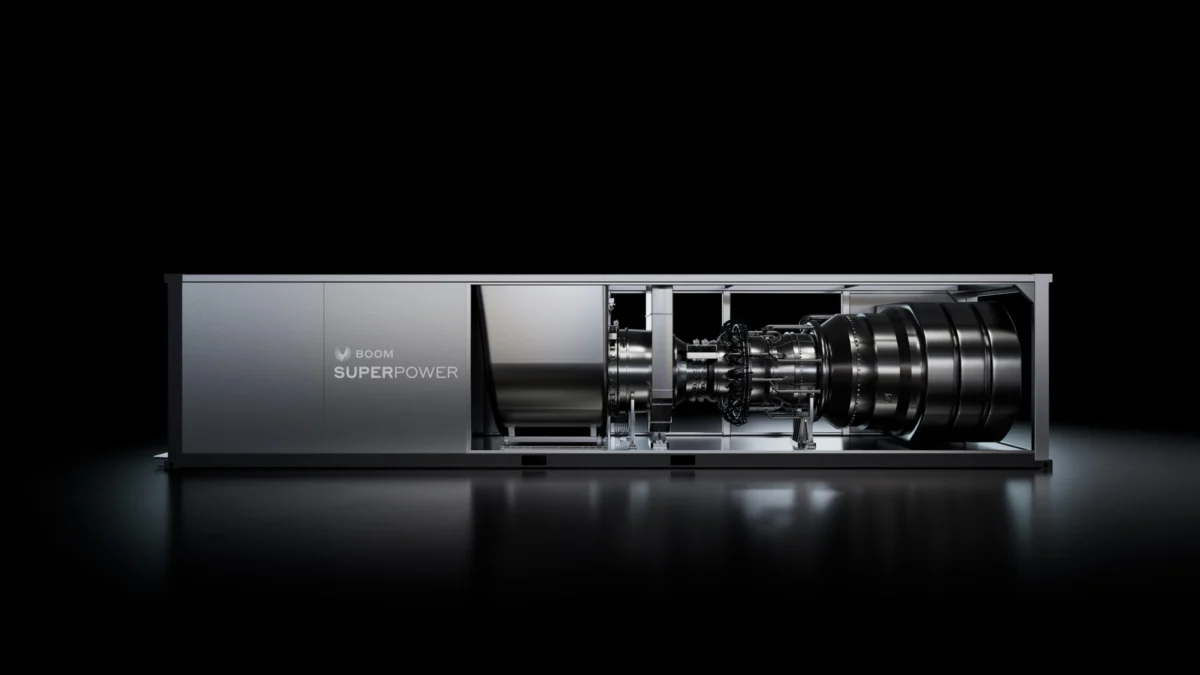
Boom Supersonic, meanwhile, has been preoccupied with the development of the Overture, a next-generation supersonic passenger jet. In an effort to generate steady revenue streams to offset the immense R&D costs of aircraft development, the company launched a new division last year focused on stationary power. The centerpiece of this venture is the "Superpower" turbine, an engine that shares approximately 80% of its architecture with the "Symphony" engine powering the Overture jet.
The synergy appeared obvious: Crusoe needed massive, reliable, and deployable power to fuel its growing portfolio of high-density data centers, and Boom needed a high-volume, long-term customer to anchor its new industrial engine business. The agreement, which involved the purchase of 29 Superpower turbines, was slated to begin deliveries in 2027.
Chronology of the Split
The unraveling of the deal was confirmed in a public statement released via X (formerly Twitter) by Boom Supersonic CEO Blake Scholl on a Friday afternoon. The announcement followed reports that the commercial relationship had effectively stalled.
- Late 2025: Boom Supersonic raises $300 million specifically to commercialize the Superpower turbine division, with Crusoe established as the primary launch customer.
- September 2026: Crusoe secures a massive $3.9 billion funding round to build out its next generation of AI data centers.
- Late 2026: Strategic reviews within Crusoe’s operations lead to a shift in their near-term energy procurement strategy, de-emphasizing the immediate integration of the Superpower turbine platform.
- September 2026: Blake Scholl confirms via social media that the partnership is no longer moving forward, citing a change in Crusoe’s power mix requirements.
- Post-Announcement: Both companies confirm the amicable, albeit definitive, termination of the agreement.
Data Center Demand and the Energy Crisis
To understand why this deal fell apart, one must look at the immense pressure facing the data center industry. As AI models grow in complexity, the demand for electricity is reaching unprecedented levels. Data center operators are effectively in a "power arms race," struggling to secure enough energy to keep up with the requirements of firms like Microsoft, Oracle, and OpenAI.
Crusoe’s portfolio is a testament to this urgency. Their primary 1.2-gigawatt campus in Abilene, Texas, currently relies on the grid for its core operations, with natural gas turbines serving as a critical backup contingency. However, the company is concurrently developing a 900-megawatt facility in the same region that is specifically designed to run on on-site natural gas generation.

The initial attraction to Boom’s technology was the promise of an efficient, high-performance power source that could be scaled quickly. However, the complexity of deploying experimental turbine technology in an industry that demands 99.999% uptime is substantial. Crusoe’s decision suggests a move toward more established, diverse energy sources—including wind, solar, and battery storage—to mitigate the risks associated with unproven hardware.
Official Responses and Corporate Strategy
In his public statement, Blake Scholl adopted a diplomatic tone, emphasizing that the separation was a matter of shifting business needs rather than a failure of the technology itself. "The TL/DR is that turbines are no longer part of Crusoe’s near-term primary power mix at Abilene, so a launch partnership just didn’t make sense," Scholl wrote. He further noted that Boom remains on track to deliver approximately 250 megawatts of Superpower capacity to other, unnamed clients in the coming year, with a target of 1 gigawatt by 2028.
Crusoe’s response, delivered via company spokesperson Andrew Schmitt, echoed the sentiment of professional detachment. "We build AI factories from the power up, and we’re bringing new campuses online across the country, powered by innovative energy sources," Schmitt stated. He emphasized that Crusoe’s strategy remains "flexible," allowing them to swap out energy solutions based on the specific requirements of each site. "While Boom has been a great partner, the partnership isn’t the right fit today."
Implications for the Future
For Boom Supersonic: A Test of Resilience
The loss of a $1.25 billion order is undeniably a blow to a company that relied on this revenue to fund its aviation ambitions. Boom is now in a position where it must prove that its Superpower turbine can succeed in the broader market without the backing of a massive, industry-leading data center operator. If the company can successfully deploy its 250-megawatt pipeline, it will validate the pivot. If it cannot, the financial burden of the Overture project could become significantly more difficult to manage.
For Crusoe: The Cost of Agility
Crusoe is signaling to its investors and the broader market that it will not be locked into a single energy solution, even if that solution offers technological prestige. By maintaining a mix of grid power, on-site gas, and renewable energy, the company is insulating itself against supply chain disruptions or technical failures in experimental hardware. The $3.9 billion in new capital provides Crusoe with the luxury of choice, allowing it to prioritize site reliability over long-term industrial commitments that may not align with its rapidly evolving roadmap.
The Broader AI Infrastructure Landscape
The incident serves as a bellwether for the entire data center sector. As AI firms continue to spend billions on infrastructure, the intersection of energy production and computing power is becoming the industry’s most significant bottleneck. The trend is moving toward "energy agnosticism," where data center operators are increasingly willing to pivot strategies, renegotiate contracts, and diversify their energy sources to ensure that their computing campuses remain powered at all times.
Conclusion
The breakup of the Crusoe-Boom Supersonic partnership is a classic example of the high-stakes navigation required in the era of AI-driven industrial growth. While the partnership was grounded in the potential of shared engineering, the harsh realities of project timelines, energy security, and corporate strategy have led the two companies to diverge.
Boom Supersonic now faces the challenge of scaling its stationary power business to the open market, while Crusoe continues its aggressive march toward becoming the backbone of the AI economy, unfettered by its previous contractual obligations. For the rest of the industry, this serves as a cautionary tale: in the race to build the future of AI, the only thing more important than speed is the flexibility to change course when the terrain shifts.