Introduction: The Golden Rule of Touring
In the high-stakes world of professional touring, there exists an unwritten, ironclad commandment: Never perform a firmware update while on the road.
For live sound engineers, the tour environment is a fragile ecosystem. Equipment is subjected to fluctuating temperatures, inconsistent power, and the physical rigors of daily load-ins and load-outs. In this environment, stability is the only currency that matters. The consensus among veteran technicians is clear: wait until the gear is back in the shop, where reliable internet, redundant power supplies, and a team of tech support specialists are on standby.
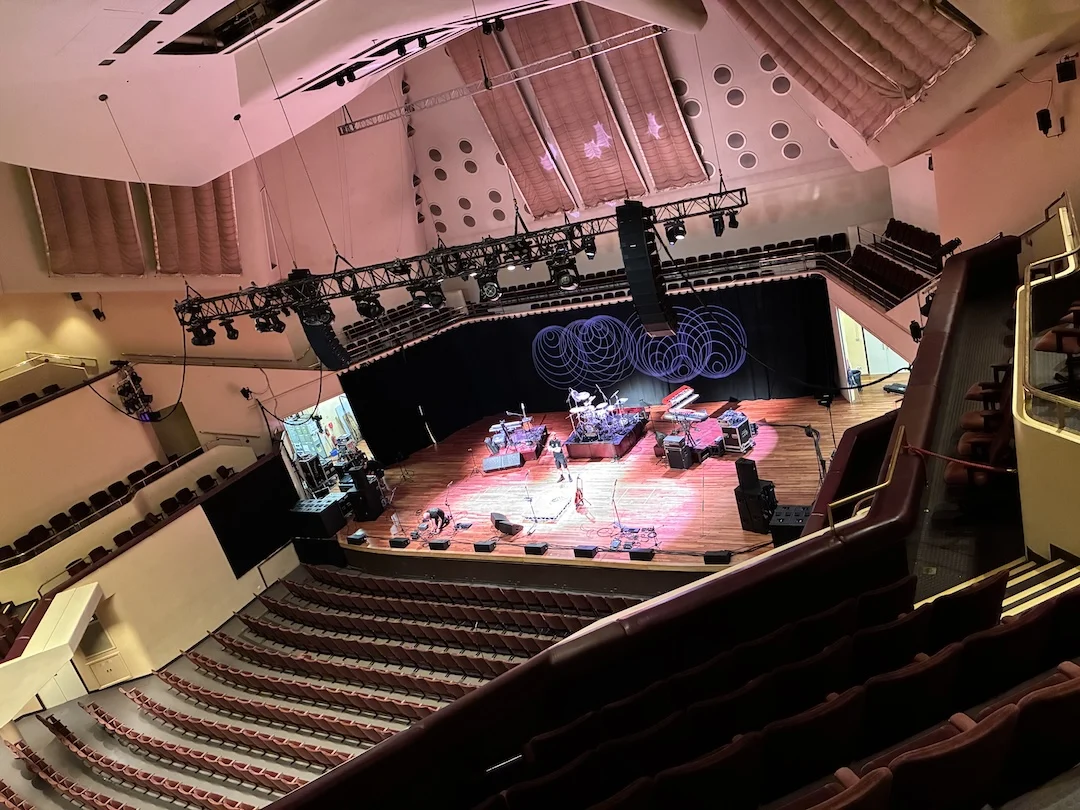
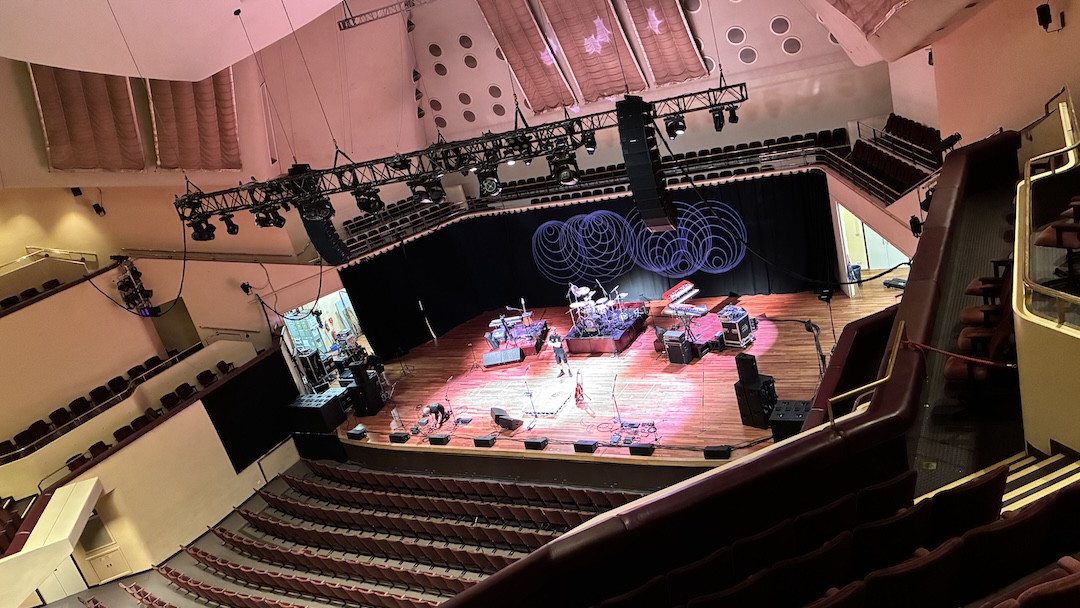
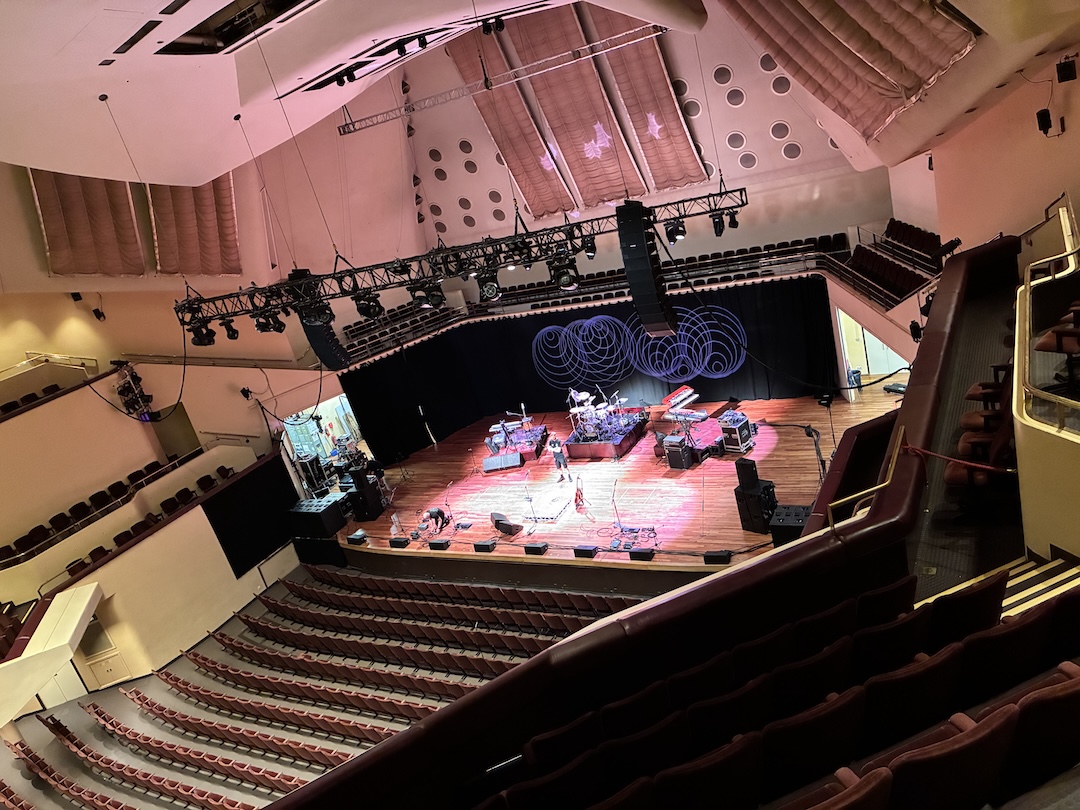
Yet, as any veteran of the road will attest, the temptation to "just fix it" or "optimize the system" can be overwhelming. On September 25, 2026, during a stop at the Royal Concert Hall in Nottingham, UK, that temptation nearly derailed a high-profile performance for Jon Anderson & The Band Geeks. What began as a routine afternoon of soundcheck quickly spiraled into a technical nightmare that exposed the critical importance of version control in digital mixing environments.
Chronology of a Digital Meltdown
3:00 P.M. – The Calm Before the Storm
The setup at the Royal Concert Hall was standard for the tour. The FOH (Front of House) configuration utilized Yamaha DM7 consoles linked to two 32-channel RIO 3224-D2 stage boxes, providing a total of 64 inputs—50 from the stage and two dedicated playback channels for house music.
During the initial line check, the system performed flawlessly. The band began their rehearsal, and the audio engineer, tasked with mixing a complex set of "Yes" epics, began the delicate process of tuning the room. The Royal Concert Hall, while acoustically magnificent for symphonic performances, presents significant challenges for high-SPL (Sound Pressure Level) rock music. Despite these hurdles, the initial signal path was clear, and the Dante network showed no signs of latency or packet loss.
4:00 P.M. – The Administrative Distraction
In the life of a modern touring professional, the lines between technical production and tour management are often blurred. As the merch inventory required immediate, granular attention due to inaccuracies at a previous venue, the FOH engineer was forced to step away from the console.
While the administrative heavy lifting of counting over 700 pieces of merchandise was underway, the band continued to refine their rigs. During this critical hour of transition, the console sat idle, but the underlying digital architecture—the Dante routing table—was about to become the epicenter of a "mystery."
5:00 P.M. – The Mystery Emerges
Upon returning to the FOH position, the reality of the situation became immediately apparent. The first song of the soundcheck had been missed, and the remaining two songs were marred by a bizarre routing anomaly.
When the lead vocal channel was unmuted, the engineer heard a backing vocalist rather than the lead. A quick check of the monitor engineer, Drew Gantert, confirmed that the issue was localized to the FOH console. The Dante patch page, usually a bastion of predictable routing, told a harrowing story: while the RIO units were synced, the inputs were offset. Input 33 (RIO #2, Channel 1) was feeding both channels 33 and 34, creating a cascade of misaligned routing that threatened to render the console unusable for the show.
Supporting Data: Identifying the Bug
The troubleshooting process was systematic and exhaustive. The team attempted:
- Patch Verification: Manually re-verifying the input and Dante patch settings.
- Scene Recall: Loading previous show files to see if the issue persisted (it did).
- Cold Reboot: Power cycling both the console and the stage boxes.
When these standard remedies failed, the team turned to the digital archives. A search of the specific symptom—a Dante patch offset between the DM7 and connected Dante devices—revealed a known bug addressed in Yamaha DM7 Firmware V2.00.
The consoles in use were running V1.75. This discrepancy serves as a stark reminder of the "silent" nature of software bugs. The system did not crash; it simply began to route data incorrectly, a far more insidious failure mode than a total blackout.
The Fix: Mitigating Risk in Real-Time
The resolution required a rapid deployment of a firmware update, a move that contradicts the industry’s "never on the road" rule. However, when the alternative is a non-functional console, the rules must be bent.
The standard procedure to resolve the Dante offset bug involves:
- Verifying the firmware version via the Main Menu > General tab.
- Downloading the V2.00 update package from the official Yamaha Pro Audio support portal.
- Applying the update to both the FOH and Monitor consoles to ensure parity.
- Performing a comprehensive re-patch of all inputs and outputs, as the update often forces a reset of the routing table.
Even after the firmware was updated and the patch restored, the team took the added precaution of "fail-safing" the system. They double-patched Jon Anderson’s primary lead vocal microphone to a secondary channel, ensuring that if the routing logic were to fail again during the performance, a physical backup was ready on a different fader.
Implications: The Complexity of Modern Touring
The events in Nottingham highlight several broader implications for the touring industry:
1. The "Firmware vs. Stability" Paradox
Manufacturers are constantly releasing updates to fix bugs, add features, and improve integration with third-party software like Dante Controller. However, the sheer volume of these updates creates a logistical burden. Tour managers must now weigh the risk of a "known bug" against the risk of an "unknown glitch" introduced by an untested update.
2. The Role of the Systems Technician
The success of the show in Nottingham was largely due to the expertise of the 22live Ltd. systems crew. In an era where digital desks are essentially high-performance computers, the role of the sound engineer has expanded to include IT troubleshooting, network management, and firmware maintenance.
3. Human Error in the Digital Age
The "unpatching" of FX returns during the post-update reset serves as a final lesson in the chaos of live production. When a system is reset or updated, the secondary and tertiary elements—the FX returns, the DCA assignments, and the outboard routing—are often the first to be overlooked. The engineer’s experience of "splashing a delay" only to find silence is a common, yet painful, reminder that digital convenience requires extreme diligence during the setup phase.
Conclusion: Lessons Learned
The show did go on, and by the time the band transitioned into "Perpetual Change," the mix had stabilized. But the experience serves as a cautionary tale for the industry.
As digital consoles become more powerful, their reliance on complex firmware architectures increases the potential for unpredictable behavior. For touring professionals, the takeaway is twofold: first, maintain a rigorous schedule for maintenance in the shop environment; and second, when you are forced to break the rules, ensure you have a fail-safe strategy that keeps the music playing, even when the software fails.
In the high-wire act of live sound, the goal is always to be invisible. When the technology works, it is a seamless extension of the artist. When it doesn’t, it is a glaring reminder that even at the highest level of touring, we are all at the mercy of the code.