September 25, 2026 — The landscape of digital audio consumption is undergoing a seismic shift. As of September 2026, YouTube—already the world’s largest video repository—has solidified its role as the primary battleground for podcast discovery and audience retention. With new algorithmic adjustments and specialized growth tools, the platform is transforming how creators reach listeners, moving beyond simple audio-on-video hosting toward a sophisticated, data-driven ecosystem designed for long-term growth.
Main Facts: The New YouTube Paradigm
For years, the podcast industry relied on RSS feeds and traditional audio-first platforms. Today, however, YouTube is no longer just a "nice to have" for podcasters; it is a critical growth engine. The platform’s latest updates emphasize discoverability, allowing creators to leverage their video assets to capture new demographics that traditional podcast apps often struggle to reach.

The core of this evolution lies in the integration of granular performance metrics directly into YouTube Studio. Creators now have access to real-time data that correlates visual engagement with listener retention, enabling a level of optimization previously unavailable to the average independent producer. Whether the goal is maximizing raw views, increasing total watch time, or driving channel subscriptions, YouTube’s suite of features is designed to reward high-intent content.
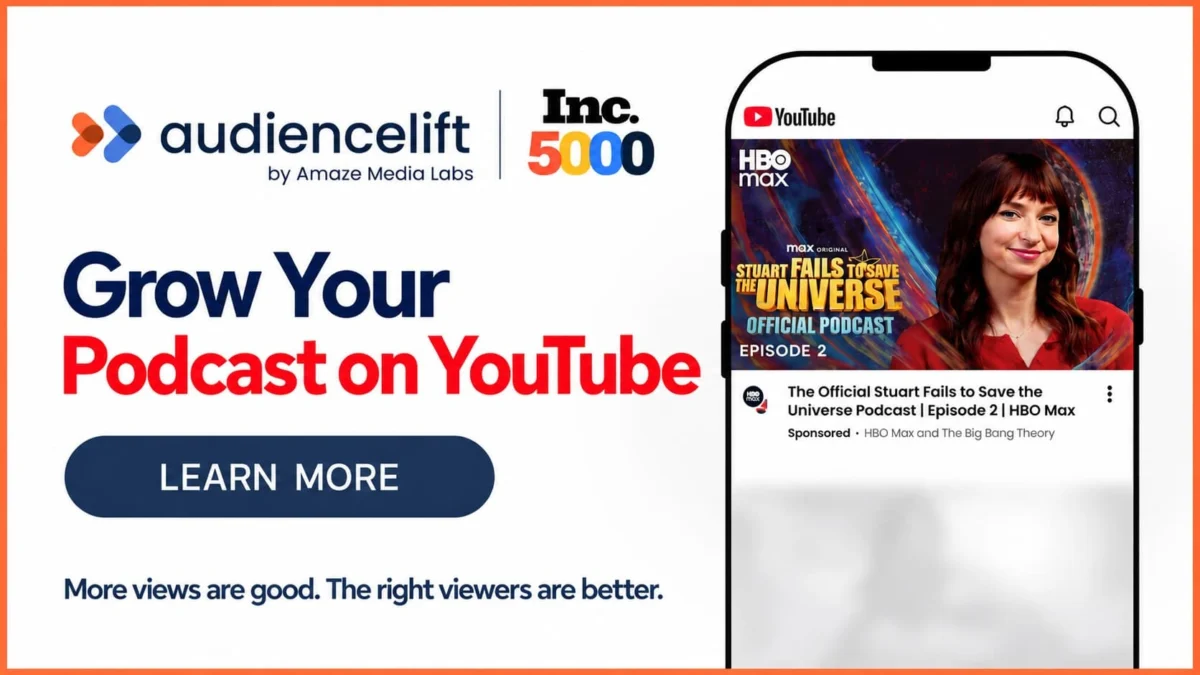
Partnerships with specialized growth services—such as Audiencelift, an official podcast test partner of YouTube—have further democratized this growth. By offering turnkey campaign management, these services allow creators to focus on narrative and production quality while experts handle the complexities of targeting, optimization, and reporting.
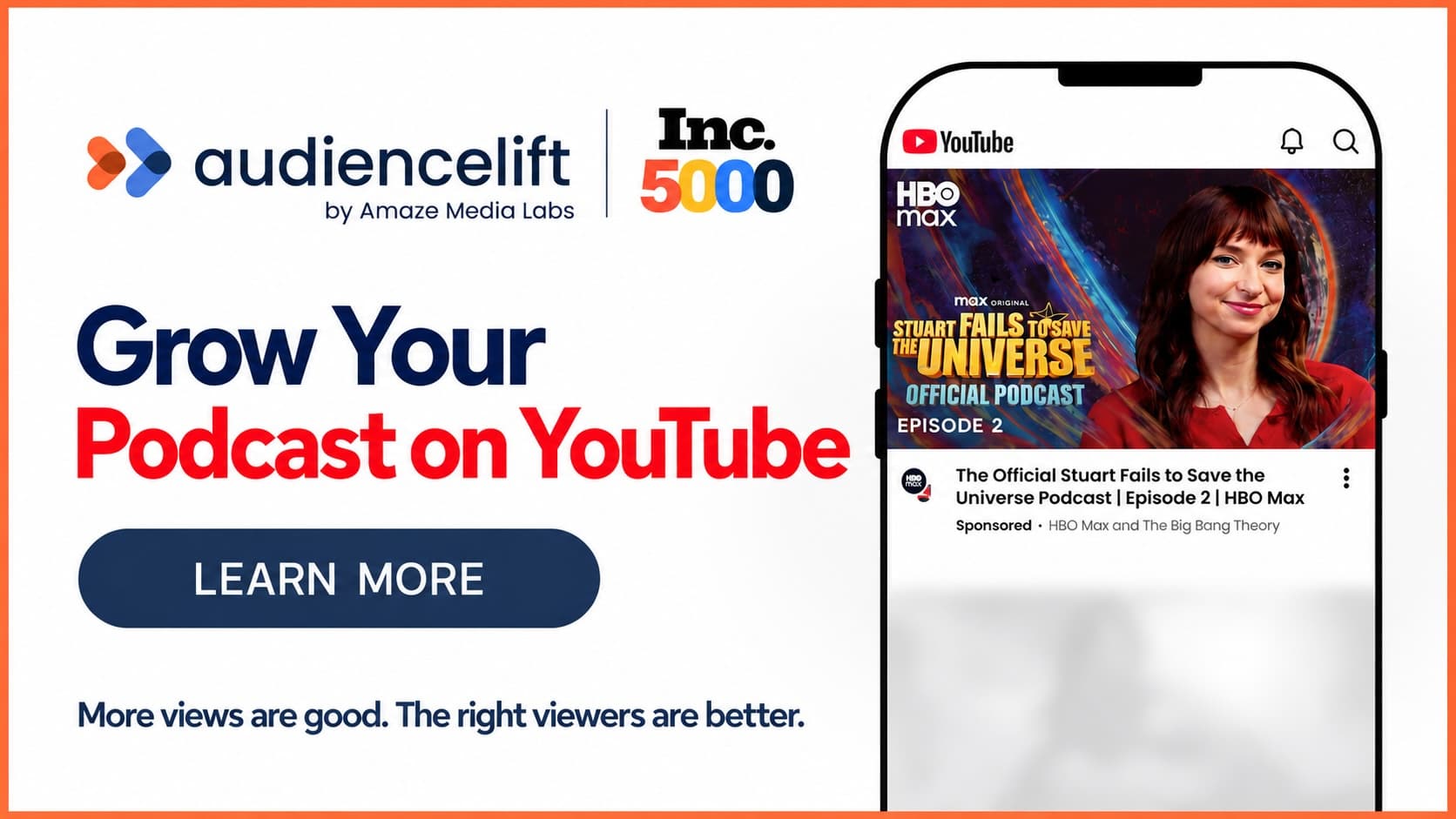
Chronology: The Road to Video-First Podcasting
The journey to the current state of YouTube podcasting was not instantaneous. It is the result of years of incremental updates and cultural shifts in listener behavior:
- 2023–2024: YouTube began testing dedicated "Podcasts" tabs on channel pages, signaling a departure from treating podcasts as standard video uploads.
- Early 2025: The introduction of deep-linking and improved RSS integration allowed creators to import their existing audio catalogs into the YouTube environment with minimal friction.
- Summer 2026: YouTube soft-launched enhanced audience segmentation tools, allowing creators to identify which specific segments of their video content are driving the highest subscriber conversion rates.
- September 2026: The official rollout of the latest "Growth Campaigns" feature, which allows creators to promote individual video segments, effectively turning high-performing clips into lead magnets for their long-form shows.
Supporting Data: Why Video Matters
The data is undeniable. As of late 2026, the charts for Apple Podcasts and Spotify in the United States and the United Kingdom continue to be dominated by shows that maintain a robust, high-production-value presence on YouTube.

For instance, top-performing shows like The Daily and The Joe Rogan Experience serve as the industry gold standard for this cross-platform strategy. Their success highlights a crucial insight: the "listen while watching" habit is becoming the default for younger demographics.
Furthermore, niche growth—such as the rapid rise of Anglican Aesthetics in the Irish religious podcast category—proves that even hyper-specific content can achieve massive visibility when optimized through the YouTube algorithm. The barrier to entry for high-quality audio has lowered, but the barrier to discovery remains high; data shows that creators who pair their audio with compelling, searchable video content see a 30-40% higher growth rate in new subscribers compared to audio-only counterparts.

Official Responses and Industry Perspectives
Industry leaders and independent creators are responding to this shift with a mix of excitement and operational caution. "The key isn’t just to be on YouTube," says an industry analyst familiar with the latest platform tools. "It’s about understanding that the YouTube user experience is fundamentally different from the podcast app experience. You are competing for visual attention as much as you are for auditory attention."
Marketing experts at Audiencelift emphasize that the "turnkey" nature of their service is designed to solve the "Creator’s Dilemma"—the struggle to balance content creation with the technical demands of SEO and ad targeting. By making performance data visible within YouTube Studio, the platform is fostering a culture of transparency that empowers creators to make informed decisions about their content strategy.

Implications for the Future of Podcasting
The shift toward a video-integrated ecosystem has profound implications for the future of the medium:
1. The Decline of the "Audio-Only" Purist
While audio-only platforms will remain essential for on-the-go consumption, the "Podcast" label is increasingly synonymous with multi-format content. Producers who refuse to engage with video will likely find their growth plateauing as competitors capture the discoverability advantages of the YouTube search engine.

2. The Rise of the "Micro-Segment" Strategy
The new YouTube features encourage creators to break their long-form content into shorter, punchier, and more discoverable clips. This strategy, as seen with Daily Comedy News with Johnny Mac, allows for deep dives into specific topics—like a single comedian or a niche historical event—which can serve as an entry point for listeners who might otherwise be intimidated by a two-hour show.
3. Monetization and Advertising
With better data comes better monetization. As creators gain a clearer picture of their audience retention, they can offer more value to sponsors. Advertisers are no longer just buying "audio impressions"; they are buying visual engagement, brand affinity, and measurable conversion.

4. A Globalized Content Reach
The ability for niche content to find global audiences—as evidenced by the success of international podcasts like The Kármán Line and various regional religious and cultural podcasts—shows that geography is no longer a limit to growth. If your content provides value, the YouTube algorithm will find your audience, regardless of where they are located.
Practical Application: Tips for Growth
For those looking to capitalize on this current environment, here are three actionable takeaways derived from the latest platform trends:

- Invest in Visual Identity: Even if your podcast is primarily an audio experience, the thumbnail and the first 30 seconds of video are now your most important assets. Treat them as if they are the primary product.
- Leverage Data for Iteration: Don’t just check your views. Dive into YouTube Studio to see where your audience drops off. Use that data to refine your pacing and structure.
- Commit to Consistency: The algorithm favors creators who provide a predictable flow of content. Whether it is a daily deep dive or a weekly interview series, ensure your release schedule is ironclad.
Conclusion: A New Horizon
The podcasting landscape of September 2026 is a far cry from the RSS-dominated wilderness of the early 2010s. It is a sophisticated, visual, and highly competitive arena. However, for those willing to embrace the evolution, the rewards are greater than ever.
By utilizing the tools provided by platforms like YouTube and leveraging expert guidance from partners like Audiencelift, creators have the power to turn their voices into global brands. The question for podcasters today is no longer "Should I be on YouTube?" but rather "How effectively am I using my video assets to connect with the world?"

As we look toward the final quarter of 2026, one thing remains clear: the future of audio is visual, and the time to adapt is now. Whether you are producing guided meditations like A Zen Mind, investigative journalism like Separation Anxiety, or exploring culinary history like Eating History, your audience is waiting—and they are watching.
For more information on growing your podcast, visit Podnews for daily updates, job listings, and event calendars that keep you at the forefront of the industry.