By Rush Paul
Originally published for Positive Feedback
Music of the Baroque and earlier eras takes center stage in this edition of Recent Finds. From the brilliant compositional family trees of J.S. and C.P.E. Bach to the historic depths of Fux, Lassus, Hildegard von Bingen, and Machaut, we explore a rich tapestry of early soundscapes. This curation also highlights a particularly special milestone: the marvelous Elinor Frey and her inaugural album on Channel Classics—a collaboration that audiophiles and musicologists alike will hope flourishes for years to come.
Main Facts: High-Resolution Early Music and Modern Audiophile Releases
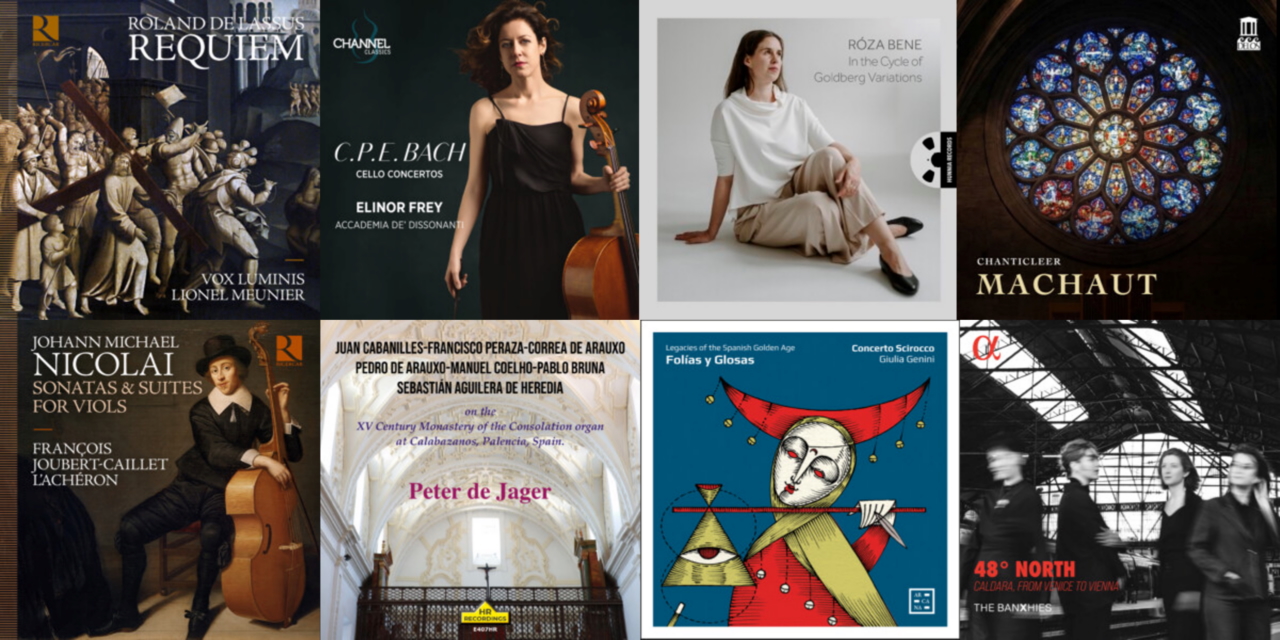
This latest wave of releases bridges historical performance practice with state-of-the-art recording technology. Sourced primarily from high-resolution edit masters, Pure DSD256, and DXD formats, these albums capture the intricate acoustic signatures of period instruments. Key releases spotlighted in this edition include:
- C.P.E. Bach Cello Concertos – Accademia de’ Dissonanti, featuring Elinor Frey (Channel Classics, 2026).
- In the Cycle of Goldberg Variations – Rózsa Bene (Hunnia Records, 2026).
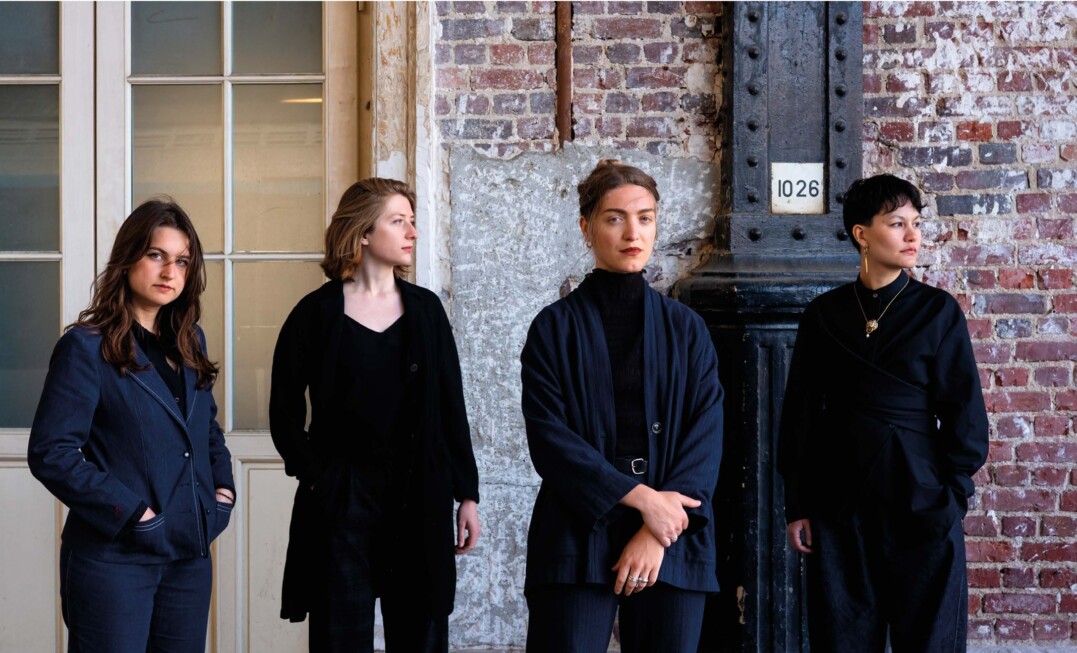
- 48° North – The BanXhies (Alpha Classics, 2026).
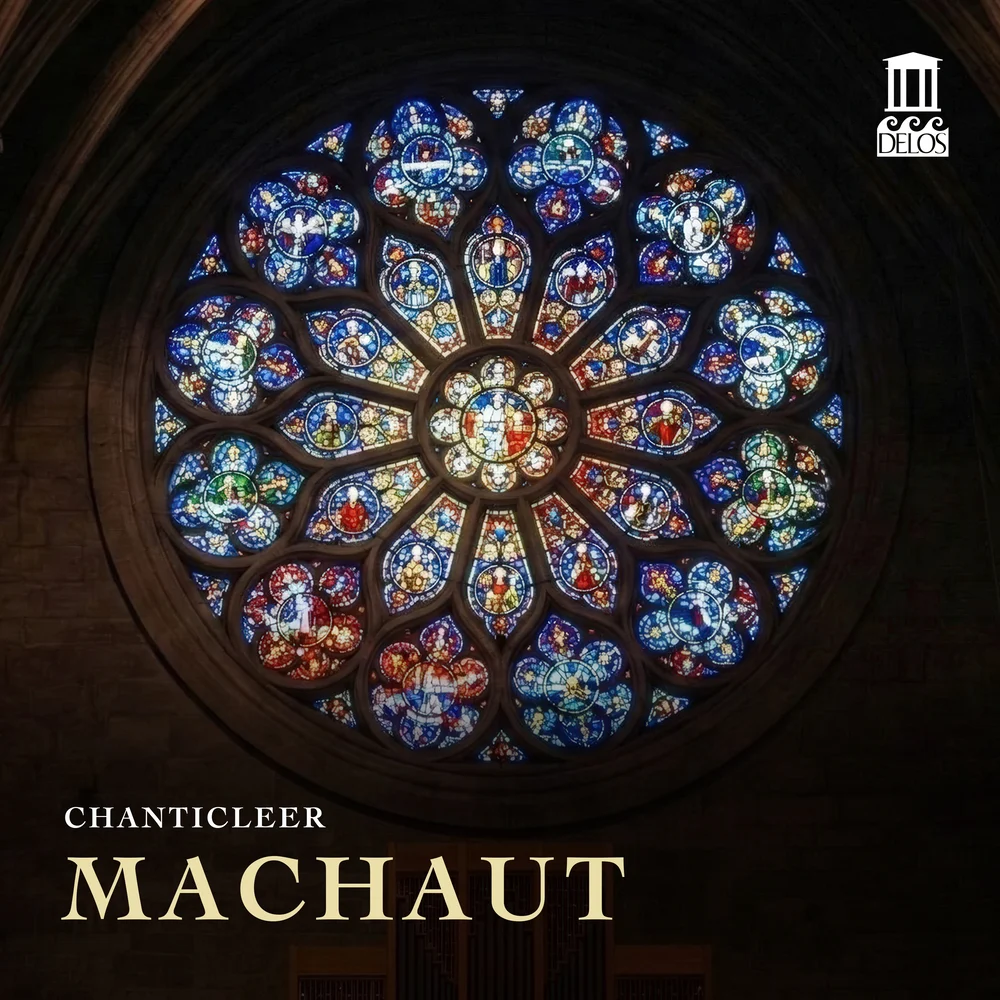
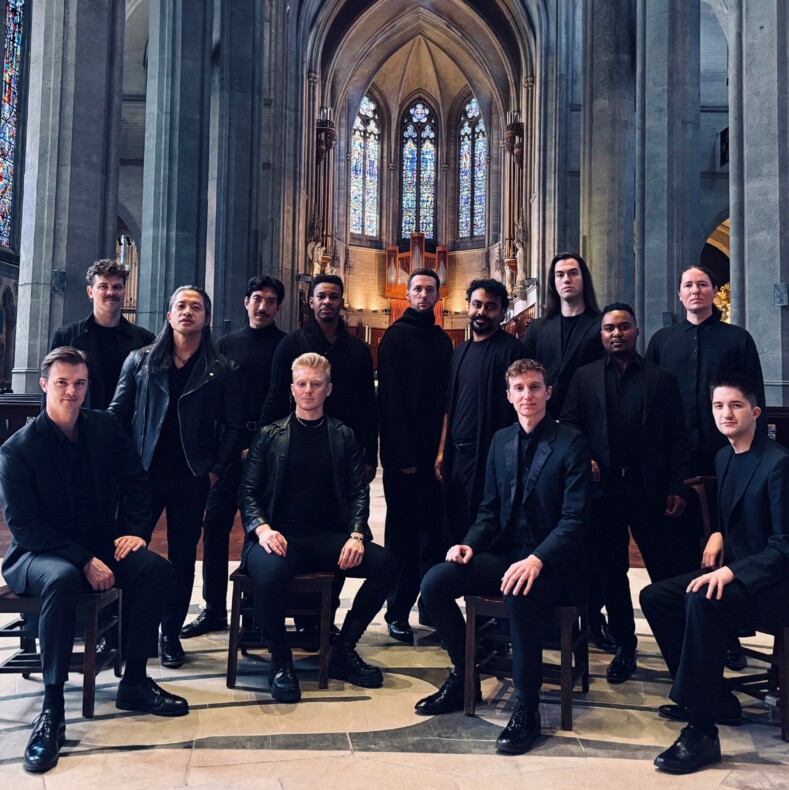
- Machaut – Chanticleer (Delos, 2026).
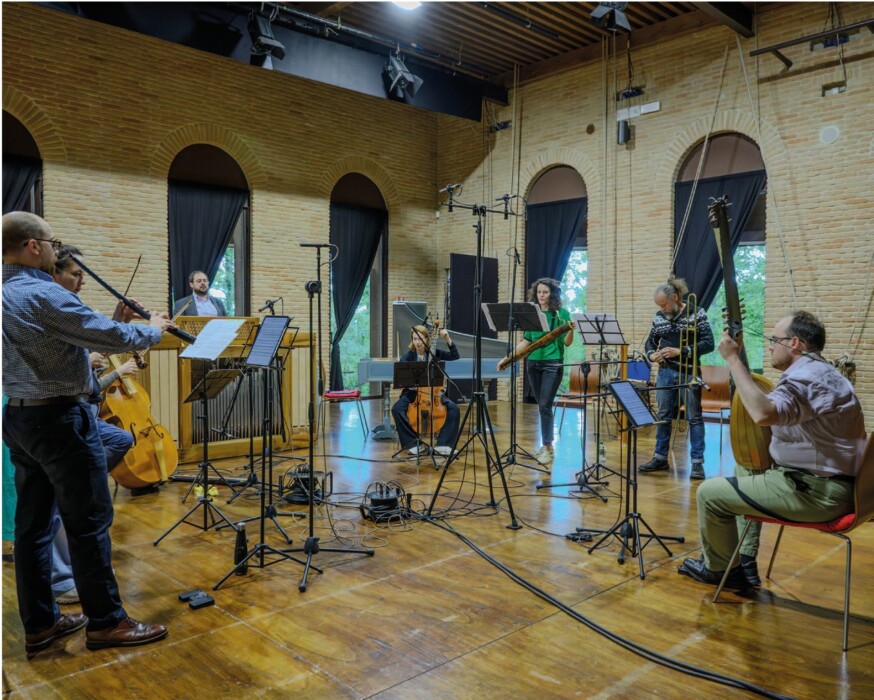
- Folías y Glosas: Legacies of the Spanish Golden Age – Concerto Scirocco & Giulia Genini (Arcana, 2026).
- Roland de Lassus: Requiem – Vox Luminis, directed by Lionel Meunier (Ricercar, 2026).
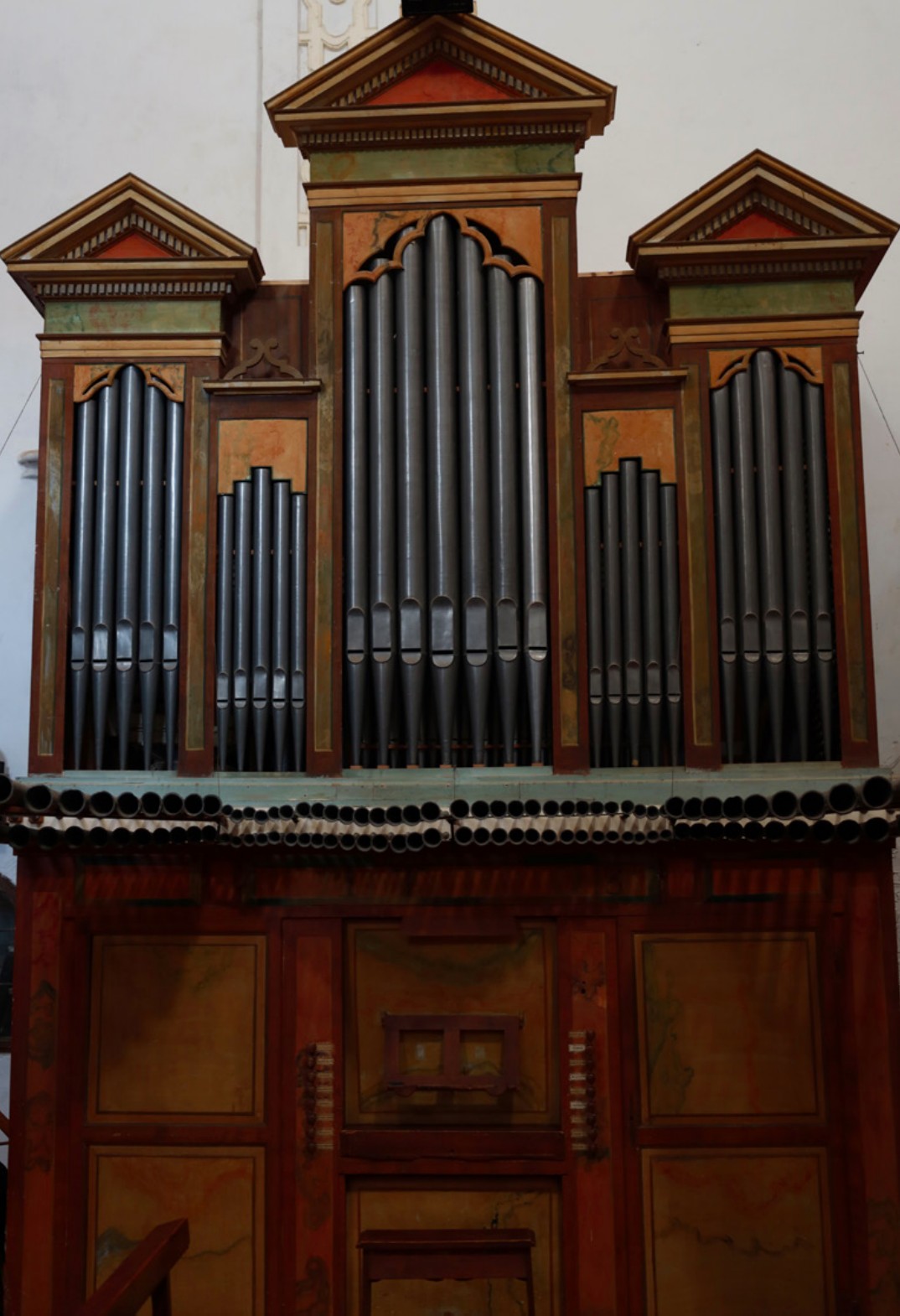
- Iberian Organ Music – Peter de Jager (HR Recordings, 2026).
- Nicolai: Sonatas & Suites for Viols – L’Achéron, directed by François Joubert-Caillet (Ricercar, 2026).
Chronology and Repertoire Evolution: From Medieval Polyphony to the Late Baroque
The musical timeline covered in these recent releases spans centuries of profound artistic evolution, moving from the mathematical complexities of the 14th-century ars nova to the expressive fantasies of the late 18th-century Empfindsamer Stil.
The 14th Century: Guillaume de Machaut and Chanticleer
The journey begins in the 14th century with Guillaume de Machaut (c. 1300–1377), whose monumental Messe de Nostre Dame remains a towering achievement of medieval polyphony. Chanticleer’s 2026 Delos release pairs this sacred masterpiece with secular courtly love songs, highlighting the dual life of Machaut as a devout cleric and an intricate court poet.
The 16th and 17th Centuries: Golden Ages of Spain, Flanders, and Italy
Moving into the Renaissance and early Baroque, Concerto Scirocco’s Folías y Glosas (Arcana, 2026) explores the legacy of Spanish dance forms and the wind-band traditions of the ministriles. Concurrently, Vox Luminis delivers a masterclass in Franco-Flemish polyphony with their recording of Roland de Lassus (Orlando di Lasso) Requiems, contrasting a 12-singer mixed ensemble with a low male-voice transposition of the Officium pro omnibus.
In the realm of keyboard and viol literature, Peter de Jager’s exploration of Iberian Organ Music (HR Recordings, 2026) showcases mechanical tracker-action organs, culminating in the martial splendor of Pedro de Arauxo’s Batalha. Similarly, L’Achéron breathes fiery life into the little-known viol music of Johann Michael Nicolai (c. 1829–1685), a contemporary whose forward-looking style predates later chamber developments.
The Late Baroque and Galant Era: C.P.E. Bach and Antonio Caldara
The timeline advances through Antonio Caldara’s Venetian-to-Vienna trajectory on The BanXhies’ 48° North (Alpha Classics, 2026) and culminates in the galant sensibilities of Carl Philipp Emanuel Bach (1714–1788). C.P.E. Bach’s cello concertos, brilliantly championed by Elinor Frey, represent the bridge between the rigorous counterpoint of his father, Johann Sebastian Bach, and the dramatic, emotionally fluid idioms of the early Classical period.
Supporting Data: Performance Practice and Audiophile Engineering
A defining characteristic of these recent releases is the meticulous attention paid to performance authenticity and acoustic transparency.
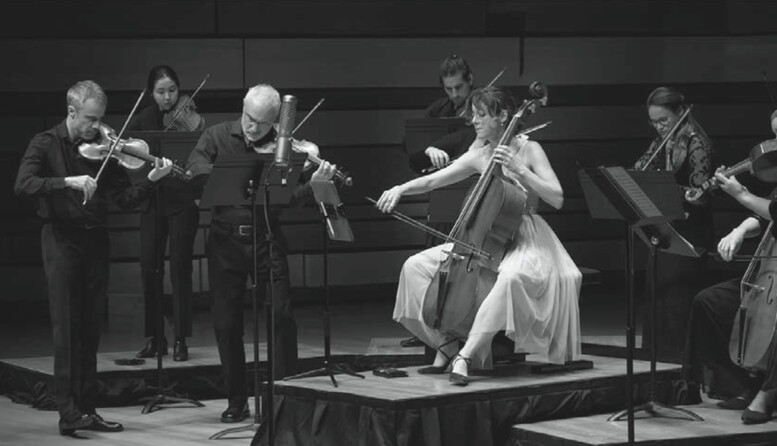
- Period Instruments in Action: Elinor Frey performs on a baroque cello, which offers a lighter, more speech-like resonance compared to modern counterparts. The BanXhies dynamically alternate between harpsichord and organ for their continuo sections, shifting textures according to tempo and mood.
- Acoustic Captures: Engineer Jean-Daniel Noir captured Frey’s C.P.E. Bach recording at the Isabel Bader Theatre in Kingston, Ontario, achieving an open, highly resolved soundstage. Meanwhile, Hunnia Records engineer Sándor Árok utilized a minimalist pair of DPA4011 microphones in Pure DSD256 for Rózsa Bene’s harpsichord rendering of the Goldberg Variations, allowing complex string harmonics to bloom naturally within the room’s ambient space.
Critical Analysis and Artistic Insights
The releases evaluated by Rush Paul offer distinct interpretive viewpoints that challenge conventional performance standards:
- Elinor Frey’s Cadenzas: In the C.P.E. Bach cello concertos, Frey provides her own 18th-century-style cadenzas. These insertions act as rhetorical summaries, allowing the soloist to comment on and redirect the preceding orchestral narrative with blinding eloquence.
- Rózsa Bene’s Harpsichord Approach: Eschewing modern piano transcriptions, Bene performs the Goldberg Variations on a resonant harpsichord. This choice reveals a level of harmonic sympathy, textural nuance, and structural clarity unique to plucked keyboard strings.
- Giulia Genini’s Refined Ministriles: Unlike the wild, rustic historical interpretations of past decades, Concerto Scirocco’s exploration of Spanish Golden Age music presents a civilized, beautifully polished aesthetic that honors the refined tastes of European nobility.
Implications for the Early Music and Audiophile Communities
The intersection of rigorous musicological scholarship and cutting-edge audiophile recording techniques holds profound implications for the classical music market.
First, it validates the continuous rediscovery of marginalized or lesser-known composers—such as Antonio Caldara, Johann Michael Nicolai, and Bartolomé de Selma y Salaverde—proving that the historical canon extends far beyond a handful of household names. Second, the widespread availability of high-resolution downloads via platforms like NativeDSD ensures that micro-nuances, such as the resinous friction of viol bows or the subtle wind pressure of tracker-action organs, are preserved for listeners seeking an authentic concert-hall experience at home.
As artists like Elinor Frey, Rózsa Bene, and groups like The BanXhies and Vox Luminis continue to push the boundaries of historical interpretation, the early music landscape remains vibrant, challenging, and endlessly rewarding.