The ongoing legal battle between the estate of the late Tejano music icon Selena Quintanilla and the global e-commerce giant Shein has reached a pivotal juncture. In a formal motion filed on Thursday, September 17, the fast-fashion marketplace requested that a federal judge dismiss the lawsuit initiated earlier this year by Q Productions, the company managed by Selena’s sister, Suzette Quintanilla.
The estate’s complaint alleges that Shein engaged in widespread trademark infringement and violated the right of publicity concerning the late singer’s name, image, and likeness. However, Shein’s legal team, representing the platform through the firm Greenberg Traurig, contends that the lawsuit is fundamentally flawed, arguing that the company operates as a digital marketplace shielded by established legal protections.
The Core Allegations: Trademark and Publicity Rights
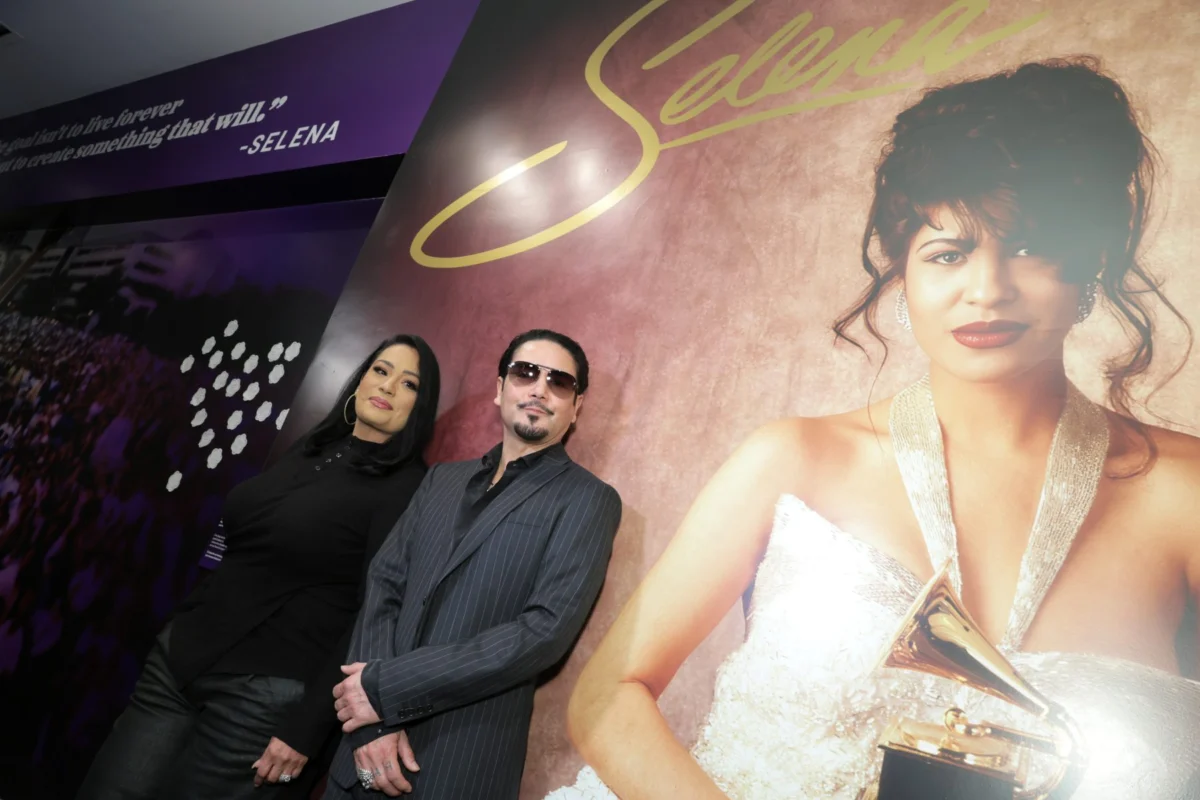
The litigation centers on the unauthorized sale of merchandise—ranging from T-shirts to accessories—bearing the likeness of Selena Quintanilla and her iconic, trademarked cursive logo. For decades, the Quintanilla family has maintained a rigorous control over the "Selena" brand, ensuring that products bearing her name are officially licensed and meet specific quality and aesthetic standards.
In their initial complaint, attorneys for Q Productions argued that Shein’s platform facilitated the sale of "knockoff" goods, thereby confusing consumers and diluting the value of the Selena brand. The estate asserts that by displaying these items in search results and processing payments for third-party vendors, Shein is directly complicit in infringing upon their intellectual property rights.
Chronology of the Dispute
The friction between the estate and the retail giant has been building throughout 2026. The timeline of this conflict highlights a broader trend in the fashion industry, where the rise of third-party e-commerce marketplaces has complicated the enforcement of intellectual property rights.
- Early 2026: Q Productions identifies a significant volume of unlicensed merchandise featuring Selena’s image appearing on the Shein platform.
- Spring 2026: Formal notifications are sent to Shein regarding the infringing listings.
- Mid-2026: The estate files a lawsuit, alleging that Shein failed to take sufficient action to prevent the proliferation of unauthorized goods.
- September 17, 2026: Shein files a formal motion to dismiss the lawsuit, asserting that it acts merely as a host for third-party sellers and cannot be held liable for their independent actions.
- Late October 2026: A judicial hearing is scheduled to address the motion to dismiss.
Shein’s Defense: The Marketplace Shield
Shein’s motion to dismiss hinges on the distinction between products sold directly by the company and those listed by third-party vendors. The platform argues that its business model functions as a digital marketplace, similar to other major online retailers, where independent merchants upload their own product listings.
The "Third-Party" Argument
Shein’s legal brief clarifies that the merchandise at the heart of the dispute belongs to the second category of their inventory: items listed by independent sellers. Consequently, they argue that the law provides a safe harbor for platforms that do not manufacture the infringing content.
"While Q Productions contends that Shein is directly liable for displaying allegedly infringing third-party product listings… case law confirms that direct liability cannot be imposed on an online marketplace for merely providing a search tool that displays allegedly infringing third-party content," the attorneys wrote.
Remedial Measures
Beyond the legal argument, Shein maintains that it has already taken proactive steps to address the estate’s concerns. The company reports that it has removed the specific items identified by Q Productions and implemented a site-wide filter that restricts users from searching for terms such as "Selena" or "Selena Quintanilla." The company suggests that these actions demonstrate a good-faith effort to comply with intellectual property standards, even if the initial listing of those items was beyond their direct control.
Legal Precedents and Industry Implications
Shein’s strategy in this case mirrors the defenses deployed by other e-commerce platforms facing similar scrutiny. The rise of platforms like Temu and Shein has forced courts to grapple with the boundaries of liability for digital intermediaries.

Earlier this year, the estate of the late British rapper MF Doom settled a similar lawsuit with Temu. However, the legal landscape remains volatile, as evidenced by the ongoing litigation between the musical duo Twenty One Pilots and Temu. These cases suggest that the fashion and music industries are increasingly willing to challenge the "platform-as-a-host" defense, pushing for stricter liability standards for companies that profit from transactions involving infringing goods.
If a judge were to deny Shein’s motion to dismiss, it could set a significant precedent, potentially forcing e-commerce marketplaces to implement more rigorous vetting processes for third-party sellers. This would represent a major shift in the digital retail landscape, where current models rely heavily on the speed and volume of third-party uploads.
A Turbulent Time for the Quintanilla Estate
The legal pressure surrounding the Selena brand is not limited to external infringers. The estate is currently navigating a complex internal dispute that has garnered significant public attention. Just last week, it was revealed that A.B. Quintanilla III, Selena’s brother and a central figure in the creation of her music, has sued the estate and his sister, Suzette.
The lawsuit filed by A.B. Quintanilla claims that he has been systematically underpaid his share of profits generated from the late singer’s musical catalog. These allegations have been met with a firm denial from both Suzette and their mother, Marcella Quintanilla, who have characterized the claims as "false accusations."
The combination of the Shein litigation and the internal family conflict places the Q Productions leadership in a defensive posture, requiring them to juggle multiple high-stakes legal battles simultaneously.
Looking Ahead: The October Hearing
As the industry watches, the October hearing will be a critical test for intellectual property law in the digital age. The court’s decision will determine whether the "marketplace" defense remains a robust shield for e-commerce giants or if it will be curtailed in favor of protecting the rights of artists and their estates.
For the fans of Selena Quintanilla, the outcome of the Shein case is about more than just legal theory; it is about the legacy of an icon. For the family, it is a matter of ensuring that the "Selena" brand remains under their stewardship, protected from unauthorized exploitation in an increasingly crowded and unregulated digital marketplace.
As of the latest reports, representatives for Q Productions have not issued a formal statement regarding Shein’s motion. However, it is expected that the estate’s legal team will file a comprehensive response in the coming weeks, likely emphasizing the harm done to the brand and arguing that Shein’s financial facilitation of these sales creates a level of liability that goes beyond simple hosting.
The outcome of this case will likely influence how international fast-fashion platforms handle the licensing of celebrity likenesses, and it may force a new era of accountability for online retailers that serve as intermediaries between manufacturers and the global consumer base. Regardless of the court’s decision, the tension between legacy rights holders and the speed of digital commerce is clearly a conflict that will continue to shape the music and fashion industries for years to come.