By Audiophile Review Desk
Published: August 2026
Main Facts: The Anatomy of a Micro-High-End Marvel
In the rarefied air of ultra-high-end high-fidelity audio, bigger has traditionally been considered better. Massive chassis, towering multi-box power supplies, thick aluminum faceplates, and glowing vacuum tubes have long been the visual language of uncompromising sonic performance. Swiss audio legend Nagra—a company historically revered for building the world’s most precise field recorders, studio gear, and reference-grade home audio electronics—is turning that paradigm on its head.
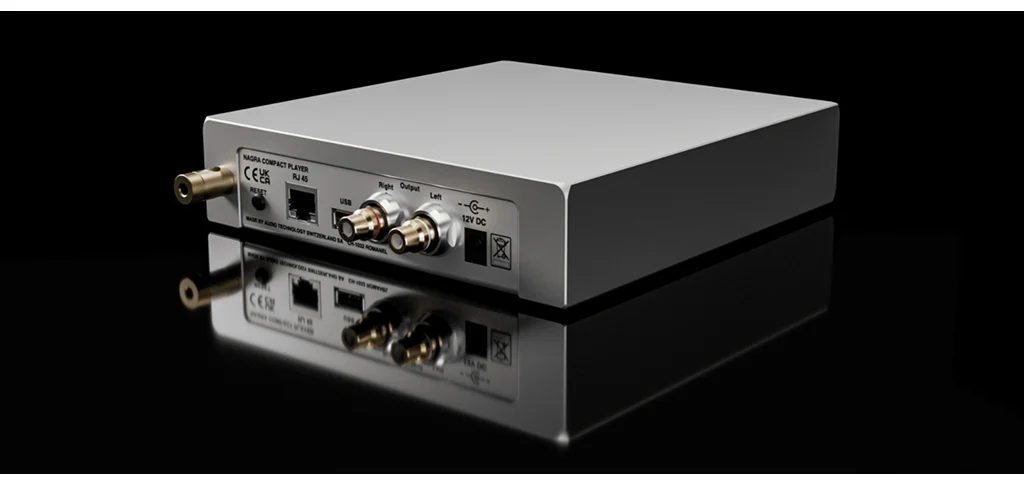
Enter the Nagra Compact Player, a device that redefines the intersection of footprint and performance. Measuring a mere 7.2 x 6.5 x 1.6 inches, this diminutive digital player, streamer, and digital-to-analog converter (DAC) packs the DNA of flagship Swiss engineering into a chassis that could easily fit inside a small briefcase. Designed to share the exact physical dimensions of its sibling, the Nagra Compact Phono, this new streaming DAC aims to prove that high-resolution digital audio excellence does not require a sprawling rack of equipment.
Despite its pocket-sized proportions, the Compact Player makes no apologies for its minimalist approach. It features a streamlined design philosophy that strips away extraneous inputs and complicated features in favor of pure, unadulterated signal paths. Out of the box, the unit operates via a small external power supply, but it also offers a compelling upgrade path for discerning audiophiles: owners can hook the unit up to the dedicated Nagra Compact PSU, or even leverage existing high-end power solutions like the Nagra MPS or Classic PSU to unlock even higher tiers of sonic fidelity.
Priced and positioned for audiophiles who demand uncompromising sound without the architectural footprint, the Compact Player supports full DSD capability alongside standard high-resolution PCM formats. Yet, its standout achievement isn’t just a spec-sheet victory; it is the sheer musicality extracted from such a radically reduced physical envelope. According to initial field reports from veteran reviewers, this device delivers a sonic presentation that routinely punches well above its weight class, rivalling DACs costing significantly more.
Chronology: From Studio Heritage to the Creation of the Compact Series
To understand the engineering philosophy behind the Nagra Compact Player, one must trace the historical trajectory of Kudelski Group’s legendary audio division.
The Heritage of Precision (1951–1990s)
Founded in 1951 by Stefan Kudelski, Nagra (meaning "it will write" in Polish) originally rose to global prominence by creating portable, high-precision tape recorders for radio broadcast journalists, filmmakers, and intelligence agencies worldwide. These iconic reel-to-reel machines had to be rugged, reliable, and exceptionally accurate under extreme field conditions. This heritage of miniaturization without compromise became the foundational ethos of the brand.
Transition to High-End Consumer Audio (1990s–2020s)
As the consumer audio market shifted toward high-end two-channel playback, Nagra successfully transitioned its studio-grade expertise into the domestic listening room. From their iconic tube preamplifiers featuring modular power supplies to their reference digital-to-analog converters, Nagra products became synonymous with Swiss watch-like mechanical precision and transparent sound. However, these systems were resolutely large, heavy, and expensive.
The Birth of the "Compact" Form Factor (Mid-2020s)
Recognizing a shifting demographic among high-end audio enthusiasts—many of whom desired world-class sound in urban apartments, minimalist modern homes, or secondary listening spaces—Nagra engineers set out to distill their digital architecture.
- The Precursor: The introduction of the Nagra Compact Phono established the benchmark for the physical chassis size (7.2 x 6.5 x 1.6 inches), proving that analog phono stages could be miniaturized without sacrificing signal-to-noise ratios.
- The Development of the Compact Player: Building upon the engineering breakthroughs of the Compact Phono, Nagra’s R&D team spent years refining digital boards to fit inside the identical micro-chassis. The primary challenge was thermal management and electromagnetic interference (EMI) shielding inside such a tight enclosure.
- The Official Launch (August 2026): The veil was officially lifted on the Nagra Compact Player, showcasing a radically simplified streaming DAC optimized for modern digital ecosystems, specifically tailored for Roon integration and native high-resolution audio formats.
Supporting Data & Technical Specifications
When evaluating ultra-compact audio gear, skeptics often wonder where manufacturers compromised. A deep dive into the engineering data reveals a deliberate strategy of focusing resources strictly on core audio performance while ruthlessly eliminating redundancy.
Physical and Electrical Specifications
- Dimensions: 7.2 inches (Width) x 6.5 inches (Depth) x 1.6 inches (Height)
- Chassis Construction: Aircraft-grade milled aluminum, designed to match the Nagra Compact Phono series.
- Power Supply (Stock): Compact external power supply unit.
- Power Supply Upgrades: Compatible with the Nagra Compact PSU, Nagra MPS, and Nagra Classic PSU.
- Power Management: Zero power switch design. The unit is intended to remain plugged in continuously, with a single, discreet LED indicator light signaling operational status. Thermal and electronic stabilization takes approximately 24 hours from initial cold-start.
Connectivity and Digital Architecture
- Network Input: 1x RJ-45 Ethernet port for local network streaming and Roon connectivity.
- USB Input: 1x USB port dedicated to connecting external hard drives or USB memory sticks for local file playback.
- Digital Formats: Full DSD capability, alongside comprehensive PCM support (extensively tested via Roon handling resolutions from standard CD quality 16-bit/44.1kHz up to high-resolution 24-bit/192kHz).
- Setup Time: Approximately 25 seconds from plugging in the power and ethernet cables to full software recognition within the Roon interface.
Comparative Footprint Analysis
| Feature | Nagra Classic DAC / HD DAC | Nagra Compact Player |
|---|---|---|
| Chassis Size | Full-size, heavy component rack footprint | Ultra-compact (7.2" x 6.5" x 1.6") |
| User Interface | Comprehensive displays, multiple knobs/switches | Zero switches; single operational LED |
| Inputs | Multiple (SPDIF, AES/EBU, Optical, USB, RJ-45) | Streamlined (RJ-45 Ethernet, USB for storage) |
| Sonic Signature | Reference Nagra house sound | Pure, uncolored, lightning-fast Nagra house sound |
Official Insights & Initial Field Impressions
While full-scale lab and listening room bench reviews are currently rolling out across the audiophile press, early adopters and seasoned equipment reviewers have shared extensive preliminary insights regarding the Compact Player’s performance.
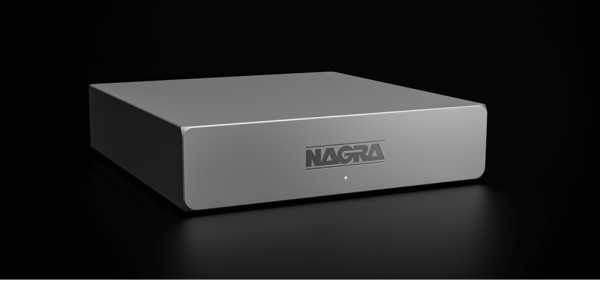
Renowned audio journalist Jeff Dorgay, sharing his early-stage findings, offered a striking analogy for the unit’s market positioning:
"Think of the Compact Player as the Tudor Black Bay of digital players."
Just as the Tudor Black Bay brand delivers Swiss mechanical integrity, robust build quality, and timeless design derived from its high-end sister brand (Rolex) in a more accessible, tool-oriented package, the Nagra Compact Player distills flagship high-end audio engineering down to its absolute essentials.
The "Plug-and-Play" User Experience
One of the most frequently highlighted aspects of the Compact Player’s official rollout is its astonishingly frictionless user setup. Modern high-end digital streamers can occasionally suffer from bloated software ecosystems, finicky control apps, or frustrating handshakes with network routers. Nagra bypassed proprietary software bloat by leaning heavily into the Roon ecosystem.
According to field tests, setting up the device takes less than half a minute:
- Connect the external power supply and plug it into the wall.
- Connect an Ethernet cable from the local network switch to the RJ-45 port.
- Open the Roon interface on a computer or tablet, navigate to audio settings, and click "Enable" under the newly discovered Nagra endpoint.
Sonic Performance Breakdown
Listeners have noted that the Compact Player maintains the unmistakable house sound of Nagra’s cost-no-object reference electronics. Described as lightning-fast, tonally correct, and deeply musical, the unit avoids the common audiophile traps of artificial warmth or analytical harshness.
- Transient Response: Thanks to the refined power regulation and minimal digital-to-analog conversion stages, percussion and complex string arrangements exhibit startling speed and decay.
- Tonal Neutrality: The DAC introduces zero apparent coloration or embellishment. It acts as a transparent window into the original recording.
- Soundstage and Imaging: Despite its tiny frame, the unit projects a wide, three-dimensional acoustic space with pinpoint instrument localization, rivaling DACs commanding significantly higher price tags.
Industry Implications: The Shift Toward Minimalist High-End Audio
The release of the Nagra Compact Player is not merely the introduction of a new product SKU; it signals a broader philosophical shift within the ultra-high-end audio industry.
1. The Redefinition of Luxury in Audio
For decades, high-end audio manufacturers equated value with mass. Heavy aluminum chassis, massive transformers, and complex front panels were physical proofs of value. By proving that reference-grade digital decoding can occur inside a chassis smaller than a hardcover book, Nagra is pushing the industry toward a new definition of luxury: efficiency, miniaturization, and intelligent resource allocation.
2. Adaptation to Modern Living Spaces
High-end audiophiles are increasingly urban, often residing in apartments, metropolitan high-rises, or carefully curated modern homes where massive audio racks are aesthetically unwelcome. The rise of micro-components like the Nagra Compact series (Phono and Player) demonstrates that manufacturers are actively listening to the lifestyle demands of modern consumers who refuse to compromise on sound quality simply because they lack dedicated listening mansions.
3. The Trade-Offs of Radical Minimalism
The Compact Player also highlights an ongoing debate in audiophile design: functionality versus purity. By stripping away traditional legacy inputs like optical, coaxial SPDIF, or AES/EBU, Nagra deliberately avoided the complexity of multi-chip receiver design. While this decision maximizes signal purity and lowers internal noise floors, it does alienate users who hoped to use the unit as a universal DAC for external digital transports or CD players. Instead, Nagra has staked its claim firmly on the network streaming and local file storage future.
Looking Ahead
As extended, lab-bench reviews are finalized in the coming weeks, the Nagra Compact Player is poised to become a benchmark for high-performance minimalist audio. For those seeking uncompromising Swiss digital engineering without the traditional spatial footprint, the message from the audio community is clear: Nagra has engineered a formidable contender that punches well above its physical weight.